Silver Modern Pendant Lighting & Hanging Lights


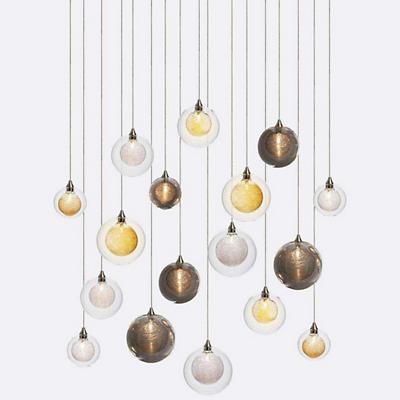
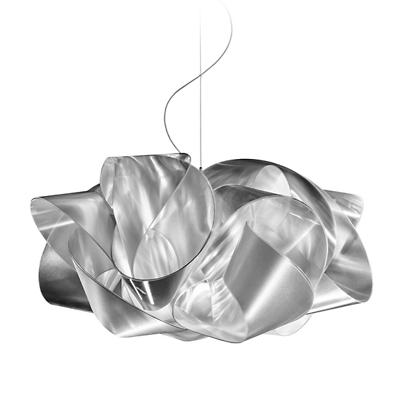
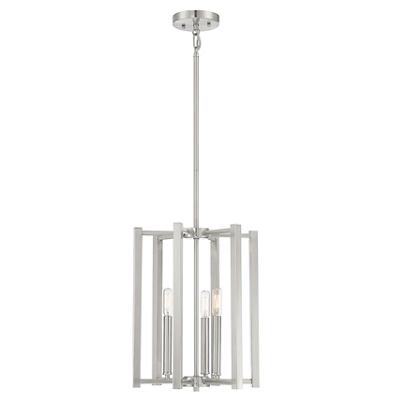
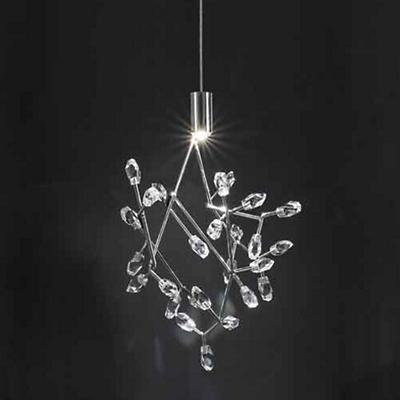

Pendant Lighting Explore
Silver Pendant Lighting
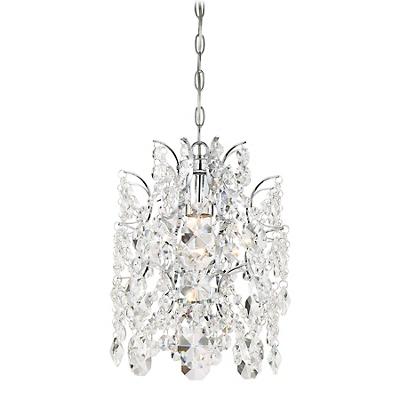
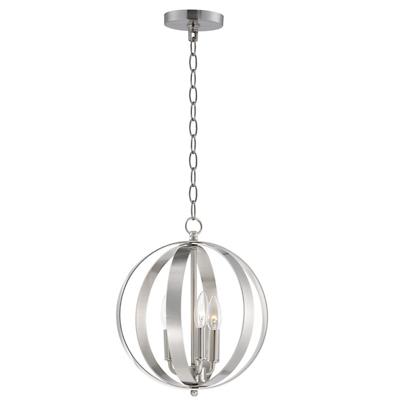
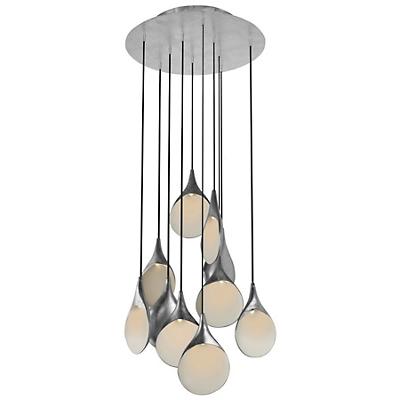
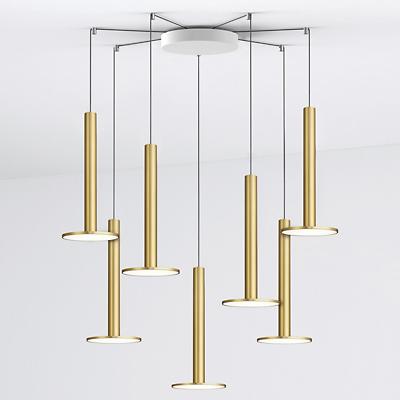
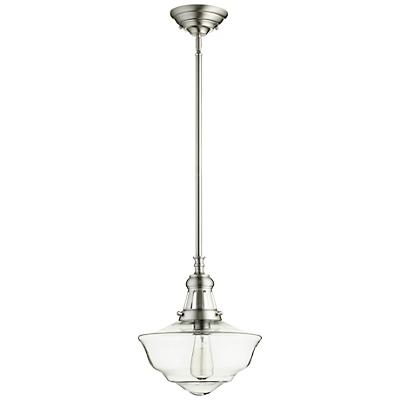
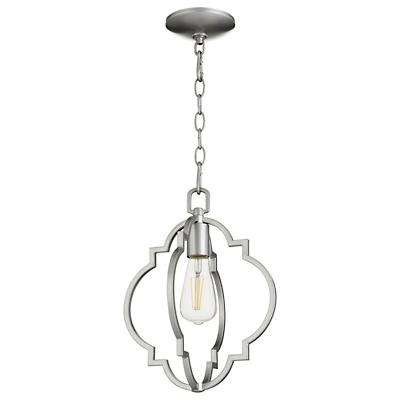
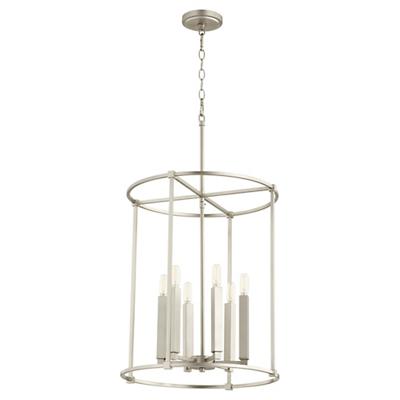
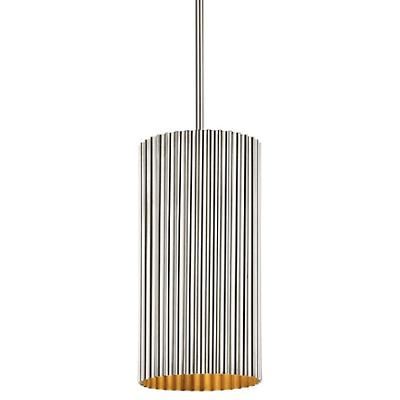
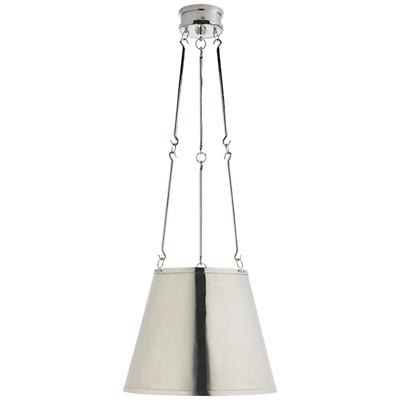
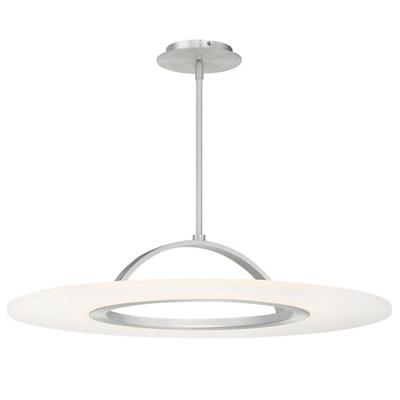
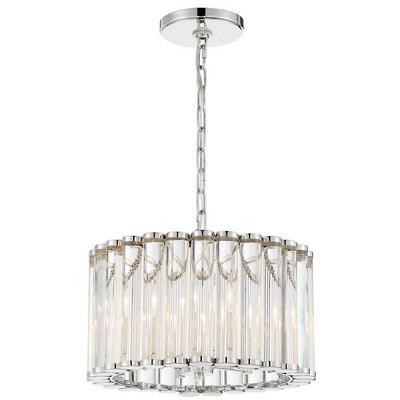
Silver pendant lighting brings sophisticated metallic elegance to any room, offering versatile design options that complement both contemporary and traditional interiors. From brushed nickel and polished chrome to antique silver leaf finishes, these fixtures provide the perfect balance of functionality and style. Whether you're illuminating a kitchen island, dining table, or entryway, silver pendants deliver timeless appeal with reflective surfaces that enhance ambient light while serving as striking focal points in your space.
Understanding Silver Pendant Lighting Styles
Silver pendant lighting encompasses a diverse range of metallic finishes—each offering distinct aesthetic qualities. Polished chrome delivers high-shine reflectivity perfect for modern spaces, while brushed nickel provides subtle texture that minimizes fingerprints and water spots. Satin nickel finishes offer a softer, more contemporary look, and antique silver leaf creates vintage character ideal for transitional designs.
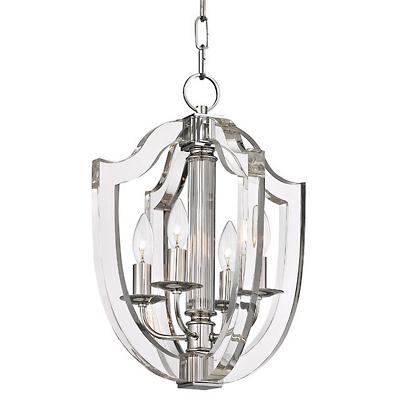
The PH 5 Pendant Light showcases how silver finishes enhance iconic designs, while the Darlana Pendant in polished nickel demonstrates silver's versatility in traditional lantern silhouettes. For sleeker profiles, the Melt LED Pendant in chrome exemplifies how metallic finishes amplify contemporary sculptural forms.
Silver Pendant Lighting Shape & Design Variations
Silver finishes work beautifully across all pendant shapes, from classic to contemporary:
• Globe & Dome Pendants: The
Semi Pendant by GUBI
in chrome demonstrates how silver enhances mid-century modern dome shapes
• Cone & Bell Shapes: Tapered silhouettes in brushed nickel provide focused downlight ideal for task lighting
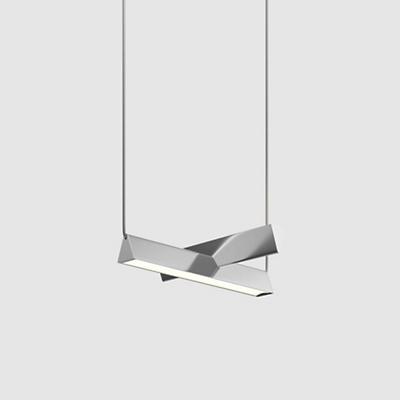
• Linear & Abstract Forms:
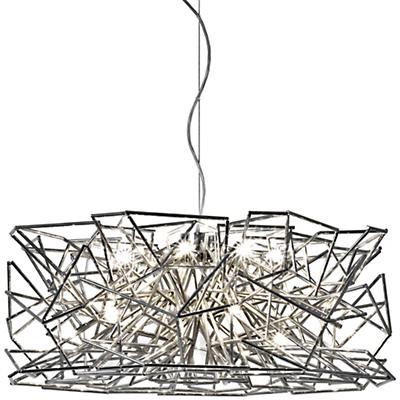
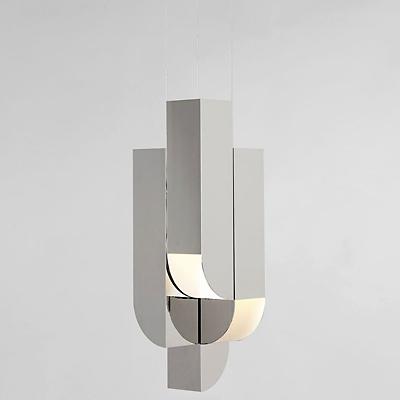
Modern geometric designs
in polished chrome create striking statement pieces
• Lantern Styles: The
Bayridge Pendant
shows how silver finishes elevate traditional cage designs
Silver works exceptionally well in multi-light pendant configurations, where multiple metallic fixtures create cohesive visual impact over kitchen islands or dining tables.
Materials & Finish Combinations
Silver pendant lighting frequently combines metallic finishes with complementary materials for added depth:
Glass Pairings: Clear, frosted, or seeded glass shades paired with silver hardware create luminous effects. The Morrison Pendant in brushed nickel with clear or white glass exemplifies this classic combination.
Mixed Metal Accents: Silver finishes pair beautifully with brass, bronze, or gold details for intentional contrast. The Multi-Lite Pendant demonstrates how chrome bases complement various shade finishes.
Fabric & Natural Materials: Silver hardware with linen shades or wood accents creates warm-meets-cool sophistication, as seen in the Reese Pendant collection.
Sizing Silver Pendants for Your Space
Proper sizing ensures visual balance and adequate illumination:
Kitchen Islands (6–8 feet): Install 2–3 medium pendants (12–18" diameter) spaced 24–30" apart, or use a single large linear pendant. The Agnes Pendant in burnished silver leaf offers small, medium, and large options for flexible island configurations.
Dining Tables: Select pendants approximately one-third the table width. For a 60" table, choose fixtures 18–24" wide, hanging 30–36" above the surface.
Entryways & Foyers: In spaces with 9-foot ceilings, opt for pendants 20–30" in height. The PH Artichoke Chandelier in brushed stainless steel demonstrates how larger silver fixtures create dramatic entries.
Bathroom Vanities: Mini pendants (6–10" diameter) in damp-rated finishes work beautifully flanking mirrors, with chrome or brushed nickel resisting moisture-related tarnishing.
Installation Height & Placement Guidelines
Proper hanging height maximizes both function and aesthetics:
• Kitchen Counters/Islands: Hang 30–36" above the surface for optimal task lighting without obstructing sightlines
• Dining Tables: Position 30–34" above the tabletop—lower for intimate settings, higher for casual spaces
• Bedside Applications:
Pendant lighting
hung 18–24" above nightstand height replaces traditional table lamps
• Sloped Ceilings: Many fixtures include adjustable canopies or swivel adapters—verify specifications for vaulted ceiling compatibility
For damp locations like bathrooms, specify UL-listed damp or wet-rated fixtures. Chrome and stainless steel finishes resist corrosion better than plated options in high-humidity environments.
Lighting Performance & Bulb Selection
Silver finishes influence light distribution and ambiance:
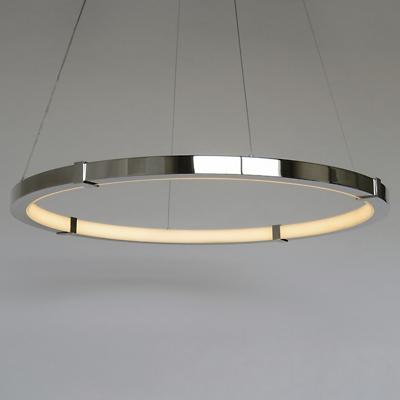
Integrated LED vs. Replaceable Bulbs: LED fixtures like the Bola Disc LED Pendant offer energy efficiency and smooth dimming, while socket-based designs provide bulb flexibility.
Color Temperature: Choose 2700K for warm residential ambiance in dining rooms and bedrooms, or 3000K for crisper task lighting in kitchens and bathrooms.
Lumen Output: Kitchen task lighting requires 300–500 lumens per fixture, while ambient dining pendants perform well at 200–400 lumens. Silver's reflective properties enhance light distribution, often requiring fewer lumens than darker finishes.
Dimming Capability: Verify dimmer compatibility—especially for LED fixtures—to ensure flicker-free performance across the full brightness range.
Coordinating Silver Fixtures with Interior Finishes
Silver pendant lighting integrates seamlessly into diverse design schemes:
Cool-Toned Palettes: Polished chrome and brushed nickel complement gray cabinetry, white marble, and blue-gray walls in contemporary spaces.
Warm Neutrals: Antique silver and pewter finishes bridge cool metals with warm wood tones, beige walls, and brass accents for transitional appeal.
Mixed Metal Strategies: Combine silver pendants with brass hardware or black fixtures using the 70-20-10 rule—one dominant metal (70%), one secondary (20%), and one accent (10%)—for intentional, curated contrast.
The Hicks Pendant in polished nickel demonstrates how classic silver finishes anchor spaces with varied metal tones, while the Precision Pendant shows how antique finishes add depth to layered metal schemes.
Shopping for Quality Silver Pendant Lighting
When selecting silver pendants, prioritize these quality indicators:
• Finish Durability: Look for PVD (Physical Vapor Deposition) finishes or living finishes that develop character over time
• Construction Quality: Solid metal components outlast plated alternatives, especially in high-use areas
• Designer Collections: Brands like
Louis Poulsen,
Visual Comfort Signature,
and
GUBI
offer premium materials and timeless designs
• Price Ranges: Quality silver pendants span $300–$2,000+, with mid-range options ($500–$1,200) delivering excellent value
Browse ceiling lights to explore the full spectrum of pendant options, or filter by specific shapes and finishes to find your perfect match.
Discover Your Perfect Silver Pendant Lighting
Silver pendant lighting offers unmatched versatility, complementing everything from sleek modern interiors to classic traditional spaces. With options spanning brushed nickel, polished chrome, antique silver leaf, and stainless steel, our curated collection delivers the perfect metallic accent for any room. Explore designer collaborations, iconic silhouettes, and innovative LED technology to find fixtures that illuminate beautifully while defining your space with sophisticated metallic elegance.
See the full pendant lighting collection for thoughtfully crafted fixtures that elevate any space.
Pendant LightingFrequently Asked Questions
Are pendant lights in style?
Yes, pendant lights remain a stylish and versatile lighting option. Modern designs, such as minimalist metal pendants, glass globes, and geometric shapes, are particularly popular. They are widely used in kitchens, dining rooms, and entryways to add both functionality and aesthetic appeal.
Expert Tip: To keep your space on-trend, opt for pendant lights with integrated LED technology or customizable features like adjustable heights and dimmable settings.
How to choose a hanging light?
When choosing a hanging light, consider the size of the space, the fixture's purpose, and your decor style. For example, in a kitchen, select a pendant that provides focused task lighting over an island, while in a dining room, choose a statement piece that complements the table's size and shape.
Expert Tip: Use the "3:1 rule" for pendant sizing—divide the room's height by 3 to determine the ideal fixture height. For example, a 9-foot ceiling would suit a pendant around 3 feet tall.
What is the difference between a chandelier and a hanging light?
A chandelier is a type of hanging light that typically features multiple arms or branches with several light sources, often used for decorative purposes. A pendant light, on the other hand, is a single light fixture suspended from the ceiling, usually providing focused or task lighting.
Expert Tip: For a cohesive look, pair a chandelier with matching pendant lights in adjacent spaces, such as a dining room and kitchen.
Can you change the shades on pendant lights?
Yes, many pendant lights allow you to change the shades, offering flexibility to update the look of your fixture. However, this depends on the design—some pendants have fixed shades, while others are modular.
Expert Tip: If you enjoy refreshing your decor, look for pendant lights with interchangeable shades or universal fittings that accommodate a variety of styles.
What are the different types of pendant lights?
The main types of pendant lights include mini pendants, multi-light pendants, drum pendants, and globe pendants. Each type serves different purposes, from task lighting over kitchen islands to decorative accents in living areas.
Expert Tip: Multi-light pendants are ideal for larger spaces, as they provide even illumination and can be adjusted to suit the layout of the room.
How do I know what size pendant light I need?
To determine the right size for a pendant light, consider the room's dimensions and the fixture's purpose. For example, over a kitchen island, the pendant should be 1/2 to 2/3 the width of the island. In dining rooms, the fixture should be 12 inches narrower than the table on each side.
Expert Tip: For a balanced look, hang multiple smaller pendants in a row over long surfaces, spacing them evenly and ensuring they align with the room's proportions.
What colors do pendant lights come in?
Pendant lights come in a wide range of colors, from neutral tones like black, white, and bronze to bold hues like red, blue, and gold. The finish and color should complement your existing decor and create the desired ambiance.
Expert Tip: Matte finishes are great for modern, understated looks, while metallic finishes like brass or copper add a touch of luxury and warmth.
What is the correct height for pendant lights to hang?
The ideal height for pendant lights depends on their location. Over a kitchen island or dining table, hang the fixture 30-36 inches above the surface. In entryways or living rooms, ensure the bottom of the pendant is at least 7 feet above the floor to avoid obstructing movement.
Expert Tip: Use adjustable pendant lights to fine-tune the height after installation, ensuring the perfect balance of functionality and aesthetics.
What are the different shapes of pendant lights?
Pendant lights come in various shapes, including drum, globe, cone, cylinder, and geometric designs. The shape you choose should align with the room's style—for example, globe pendants suit modern spaces, while drum shades work well in traditional settings.
Expert Tip: Mix and match shapes in a multi-pendant setup for a dynamic, eclectic look that adds visual interest to your space.
What is a good wattage for a pendant light?
A good wattage for a pendant light depends on its purpose. For task lighting, aim for 75-100 watts (or equivalent lumens for LEDs). For ambient lighting, 40-60 watts is usually sufficient.
Expert Tip: If using LED bulbs, remember that they consume less wattage while providing the same brightness as incandescent bulbs. For example, a 10-watt LED can replace a 60-watt incandescent.
How do you put a dimmer on a pendant light?
To add a dimmer to a pendant light, you'll need a compatible dimmer switch and, in some cases, dimmable bulbs. Turn off the power, replace the existing switch with the dimmer, and connect the wires according to the manufacturer's instructions.
Expert Tip: Ensure your pendant light fixture and bulbs are dimmable before installing a dimmer switch. Non-dimmable LEDs or fixtures may flicker or fail to work properly with a dimmer.
