Modern Well Lights
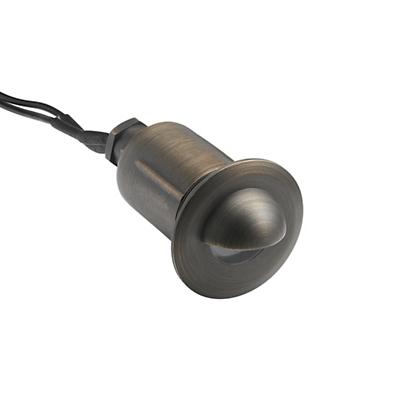
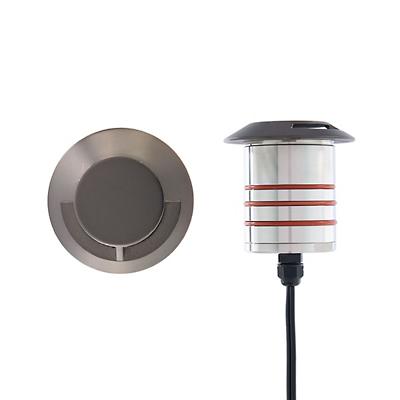
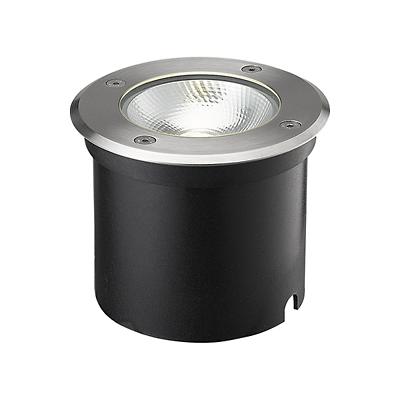
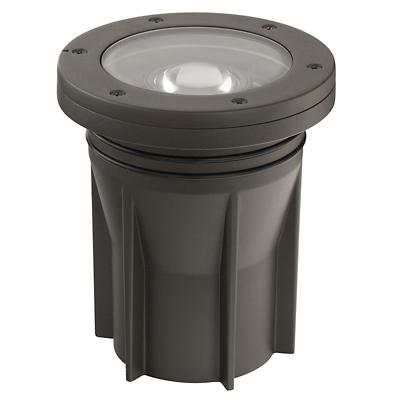
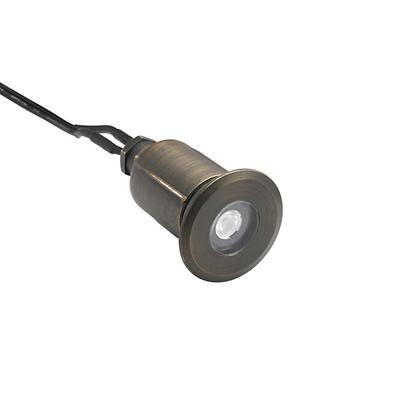
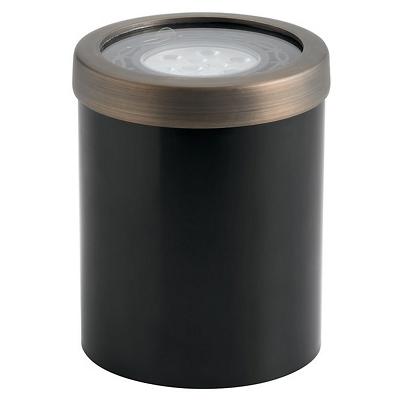
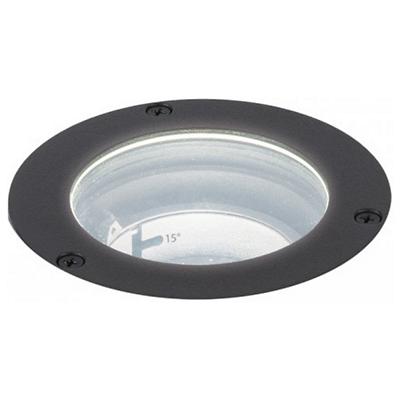
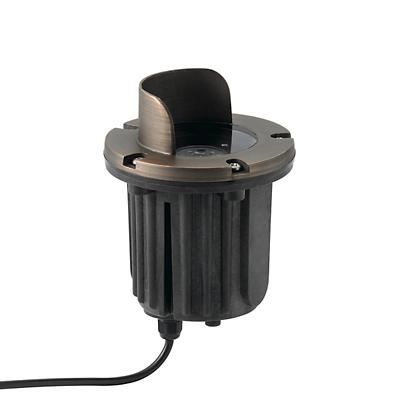
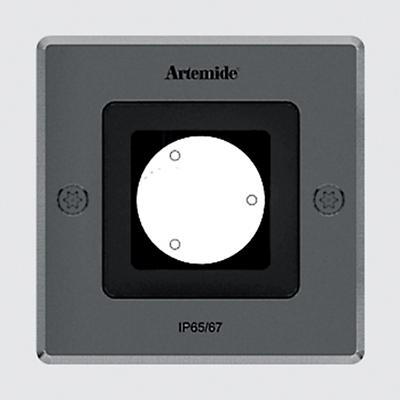
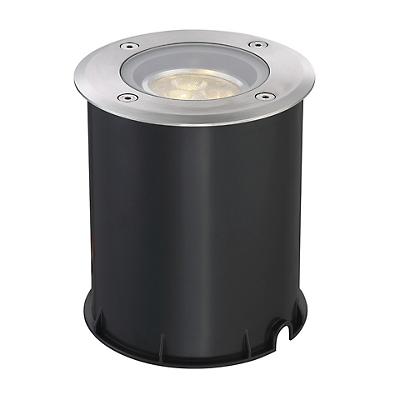
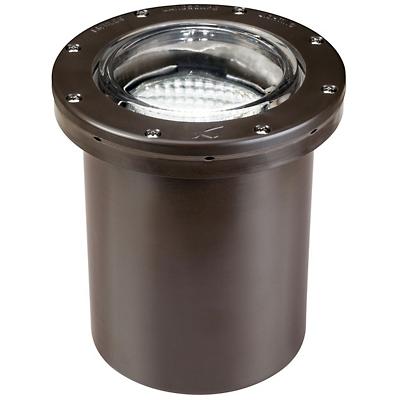
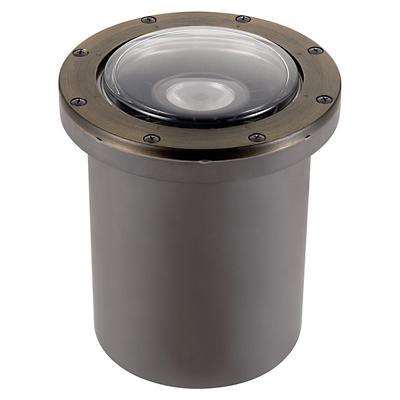
Designed to blend seamlessly into the landscape, in-ground well lights install flush with the ground to create dramatic uplighting. Ideal for accenting trees, architectural details, and walls, their recessed design discreetly enhances the beauty and functionality of outdoor spaces.

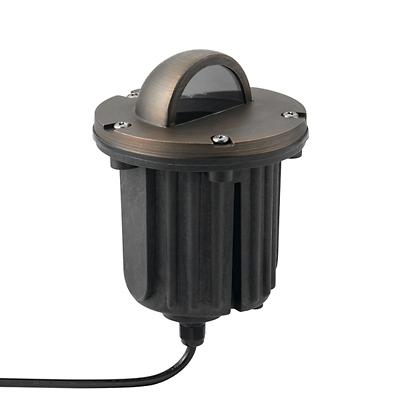
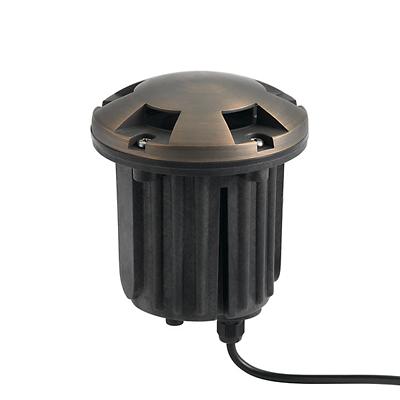
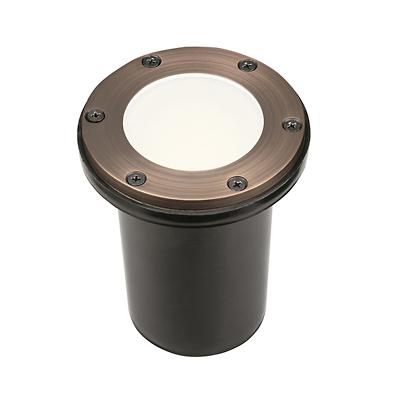
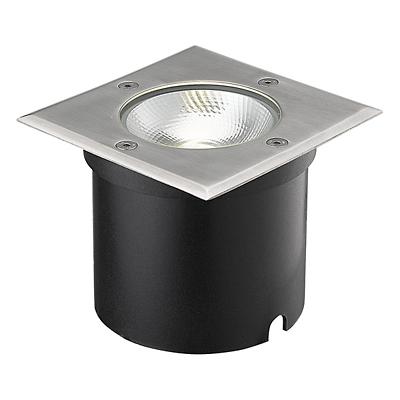



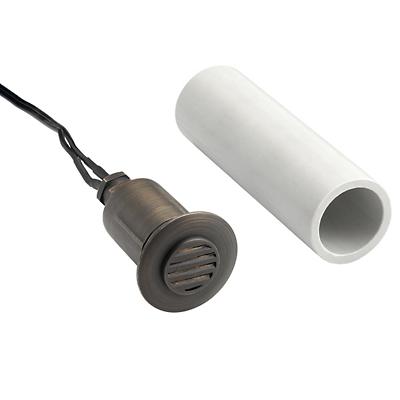
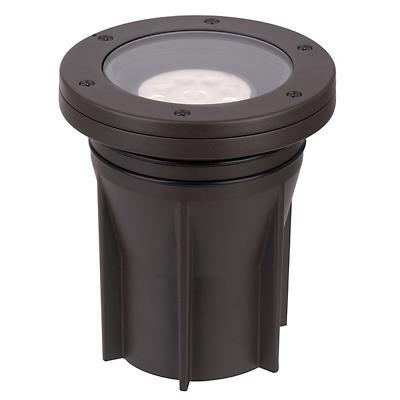

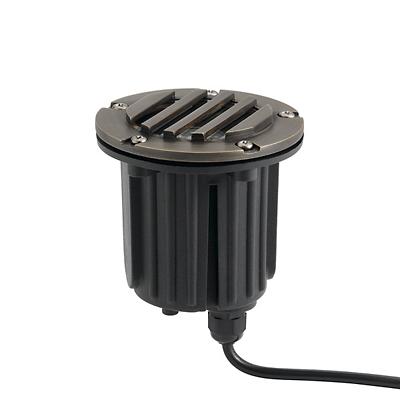
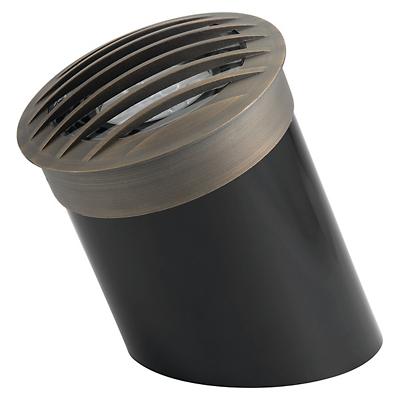


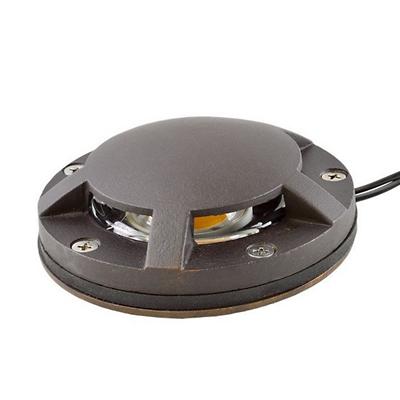
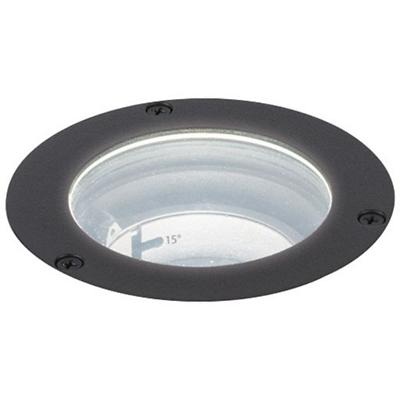
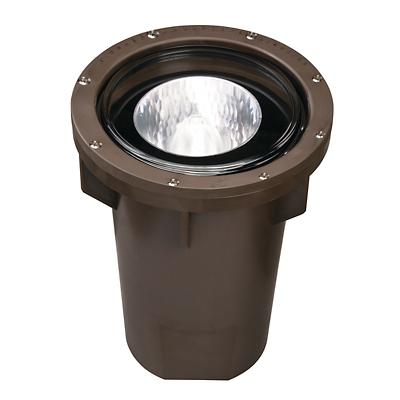

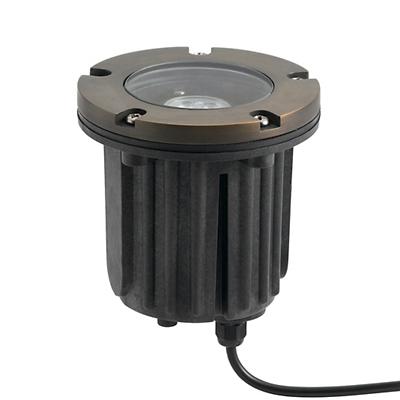


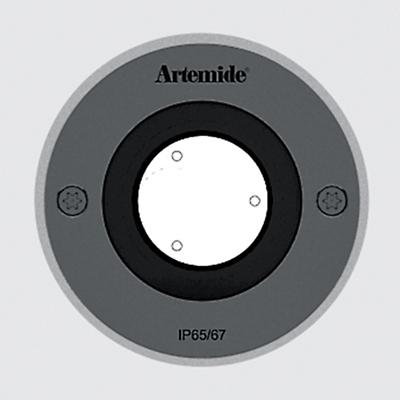
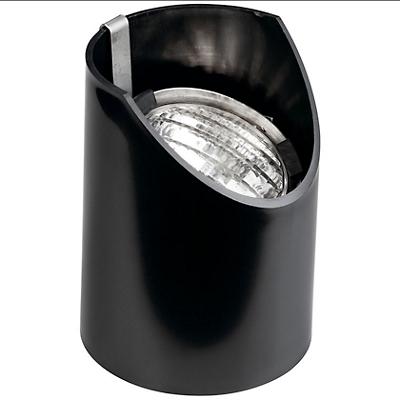


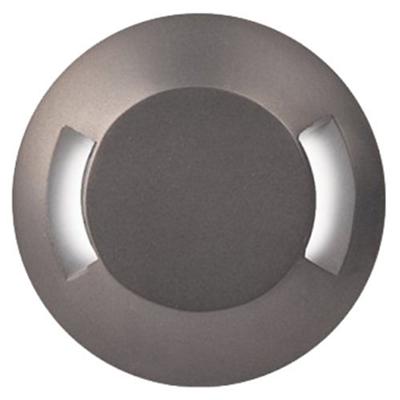

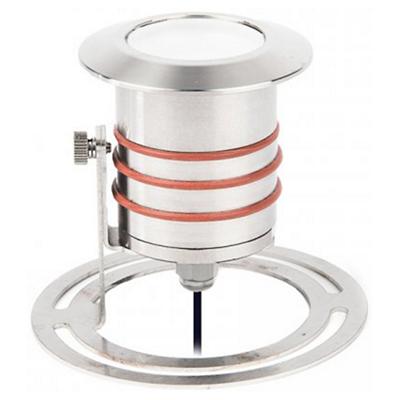
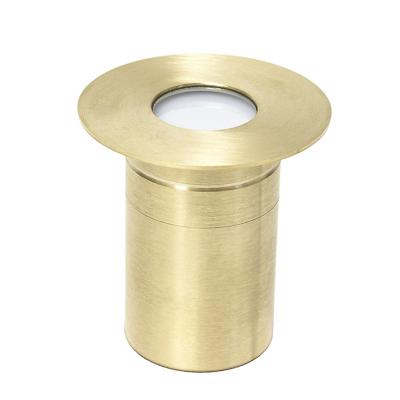


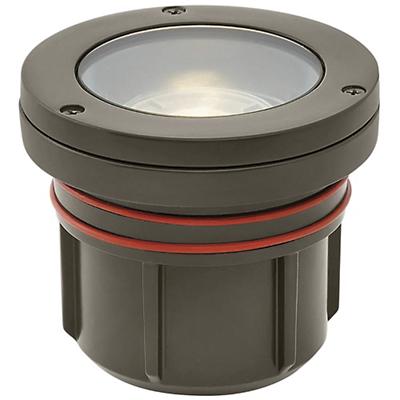
Well Lights Explore
Modern Bollard Lights
Designed to improve visibility and define outdoor spaces, bollard lights provide broad, low-level light for walkways, driveways, and open areas. Their column-style design delivers wider light distribution than traditional path lights while adding architectural appeal.
Why We Love Bollard Lights
Bollard lights provide an element of safety for outdoor spaces. They're often (though not always) understated landscape lights that offer more illumination than smaller accent or path lights. You can find both the actual fixture and all the parts and accessories for putting them together in this assortment, making it easy to refresh your landscape. From energy-efficient LED bollard lights to solar powered bollard lights, you'll find just what you need here.
Where Outdoor Bollard Lighting Works Best
Bollard lights are convenient at the beginning, end or junction of a path for added safety and direction. This type of landscape lighting is especially appreciated on walkways that are used often, aiding in directing guests where you wish them to go. Placing bollard lights near points of interest also draws visitors to gazebos, barbecue areas and certain entrances or doorways. Whatever kind of outdoor lighting you may already have, bollard light fixtures will positively complement the design of your home's exterior. Exterior bollard lighting occupies a practical middle ground in landscape design, taller and broader in output than low-profile path lights, yet more restrained than full-height post lights. This column-style form casts even, low-level illumination ideally suited for guiding movement without overpowering the surrounding environment.
A Bollard Light for Every Style
Bollard lighting can fit into multiple exterior decorative styles including craftsman, Asian-inspired, modern or contemporary and those outdoor spaces with traditional elements of decor. Look to Hinkley Lighting for a number of sleek, clean-lined and contemporary options that are sure to create a welcoming presence in your front or backyard. Hinkley even offers solar bollard lights to help you further conserve energy. WAC Lighting excels at bollard light design with a wide variety of modern and rustic-looking fixtures to accent your landscape. And if you love the benefits of energy efficiency, be sure to see the LED bollard lights from BEGA or Focus Industries.
How to Choose the Best Bollard Lights
As an outdoor accent light, you'll want to choose bollards that fit the existing style of your space and will complement other light fixtures in your landscape. Path lights or post lights lining your walkways or driveway are complemented by bollard lights and in the backyard, you'll find that these bollard light fixtures work well with in-ground and well lights. When choosing any type of outdoor light, you will need to verify it is UL listed with either a wet or damp location rating, making it safe for outdoor use. Lastly, you will need to determine the voltage of your landscape lighting. Most of these landscape bollard lights are line voltage, but you will find plenty of low voltage bollard lights too. For residential applications, bollards typically range from roughly 18 to 42 inches in height; spacing fixtures so their light pools overlap, often every 6 to 10 feet along a path, adjusted to the output of each fixture, ensures consistent illumination without dark gaps. If you have any questions about the bollard lights featured here, please call our lighting experts at 877.445.4486.
Other Considerations
If you love this selection of modern bollard lighting, you will want to see all of the other landscape lighting options available. Landscape lighting includes path lights, in-ground lights, well lights, deck and step lights, flood lights and all of the accessories you need to get your lighting design set up. And for something more decorative in your backyard, check out the selection of post lights. Unlike a bollard, post lights are a bit taller and have the ability to project more light in gardens, next to gazebos or next to the patio. Lastly, complement your new choices of lighting with well-designed patio furniture. Lumens' outdoor assortment reflects a curated selection of designer and artisan brands chosen for quality, craftsmanship, and design integrity. Lighting experts are available to help with fixture selection, spacing, and specification questions. Design professionals can access pricing, samples, and dedicated support through Lumens Trade.
Well LightsFrequently Asked Questions
What is a well light?
A well light is an in-ground landscape fixture that installs flush with the ground and casts a focused upward beam, or uplight, to accent trees, architectural details, and garden walls without disrupting the surrounding hardscape.
Expert Tip: Because the fixture body sits below grade, drainage matters more than the spec sheet suggests—always set well lights in a bed of gravel beneath the housing so groundwater can percolate away. Skipping this is the number-one cause of premature failure, since a buried housing that sits in standing water will corrode and short out long before the LED itself ever wears out.
Where do well lights work best?
They work best in high-visibility evening areas: the front facade of the home, garden shrubs and landscaping accents, driveways (where they complement existing post lights), and favorite backyard trees you want to uplight toward the canopy.
Expert Tip: Pull the fixture 12–18 inches back from the base of a tree rather than planting it right at the trunk—grazing the light up the bark reveals texture and reaches the canopy, while a light hard against the trunk just creates a hot spot and a harsh glare line. On multi-trunk or wide specimens, two lower-output lights from different angles read far more natural than one bright fixture blasting straight up.
How many well lights do I need?
There's no fixed number—well lighting is versatile, so you can install as few or as many fixtures as you want depending on the effect you're after, from a single dramatic tree uplight to a coordinated scheme across the whole property.
Expert Tip: More fixtures isn't the goal; contrast is. Experienced designers deliberately leave gaps of darkness between lit features so the eye is drawn to the highlights—lighting everything evenly flattens the scene and erases the very drama well lights are prized for. A good rule of thumb is to light no more than about a third of what you can see.
What's the difference between a well light and an underwater light?
Both are in-ground-style fixtures used for dramatic effect, but underwater well lights are built to be submerged and are especially useful for illuminating a fountain, pond, or boating area, where moving water and fish create a magical, shifting effect.
Expert Tip: Underwater fixtures are rated by immersion depth and sealing standard, not just "waterproof"—a light rated only for splash or temporary submersion will fail if permanently sunk in a pond. Also mount submerged lights to a moveable base or paver rather than the pool floor directly, because algae and mineral scale build up fast and you'll want to lift the fixture out to clean the lens on a regular schedule.
What finishes and styles are available?
Well lights come with an open face or a grated appearance and in a range of finishes such as antique bronze or stainless steel. Designers, including WAC, Bega, and Kichler, make fixtures to suit nearly any backyard style.
Expert Tip: Finish is about corrosion resistance as much as looks—near saltwater or pools, choose marine-grade stainless or solid brass, since cheaper plated or aluminum housings will pit and streak within a season or two in those conditions. Brass is worth noting because it starts bright and weathers to a muted patina over time; that's expected aging, not a defect, and many designers specify it precisely for that living finish.
Should I choose LED well lights?
Yes, if energy efficiency is a priority—there's a dedicated assortment of LED well lights that use less energy than traditional options while delivering the same accent effect.
Expert Tip: Beyond wattage savings, pay attention to color temperature: warmer output (around 2700K) flatters foliage, bark, and stone, whereas cooler light can make plants look sickly and gray. Consistency matters too—mixing fixtures with different color temperatures across one yard is an instantly noticeable amateur giveaway, so lock in a single temperature before you buy the whole set.
What do I need to install well lights besides the fixtures?
You'll need cable and wire connectors that get buried before use, since well lights function as spotlights wired into a landscape system; these are covered in the landscape lighting parts category.
Expert Tip: Size your transformer and wire runs for voltage drop, not just total wattage—fixtures at the far end of a long run will visibly dim if the gauge is too thin, so pros use heavier wire and "hub" or loop wiring to keep brightness even. Leave a small service loop of extra cable at each fixture as well; it lets you reposition a light later without splicing, which you'll almost certainly want to do once the plants grow in.
How do well lights fit into the rest of my outdoor lighting?
Well lights are one layer of a complete scheme—pair them with outdoor wall sconces where uplighting is out of range, step lights for safety, and floor or table lamps to extend usable hours in patios, pools, and decks for a cohesive, full-circle look.
Expert Tip: Build outdoor lighting in layers the way you would indoors—accent (well lights), ambient (sconces, path), and task/safety (step lights)—and keep the dramatic accent layer on its own control zone. Being able to dim or switch the uplighting separately lets you dial the "wow" up for entertaining and down for everyday evenings, which is something a single all-on switch can never do.
