Ceiling Fan Downrods


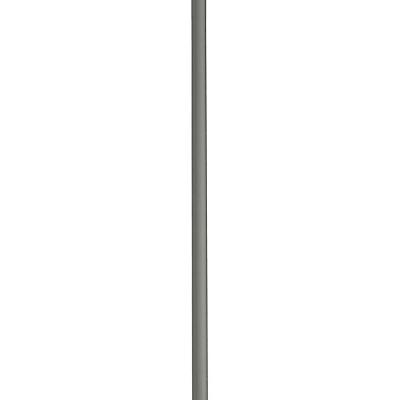
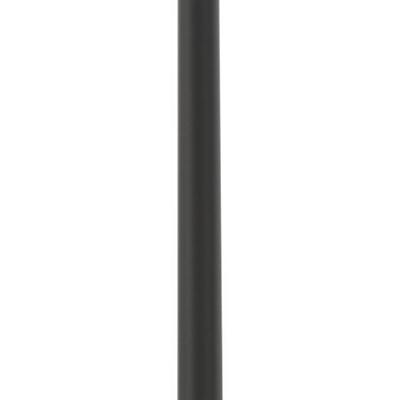

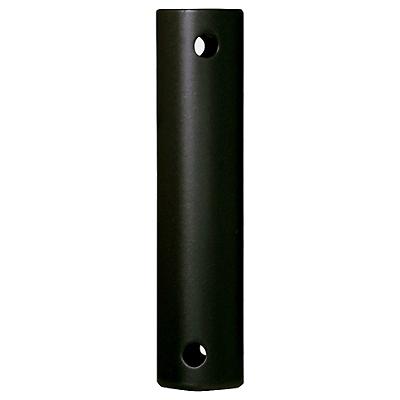


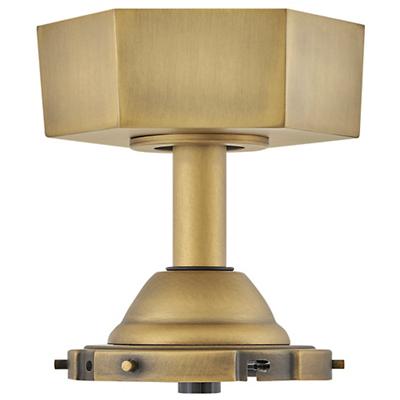


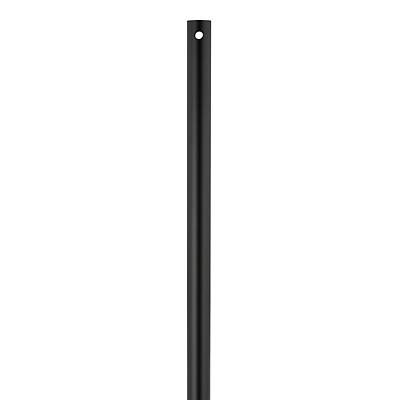


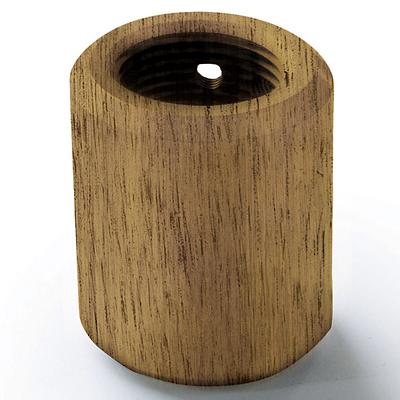
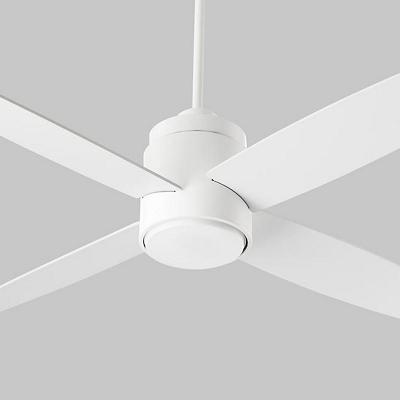








Downrods Explore
Why We Love Ceiling Fan Downrods
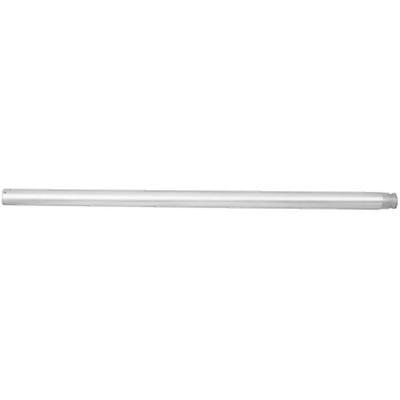
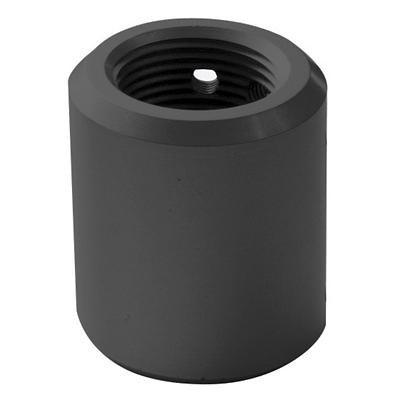
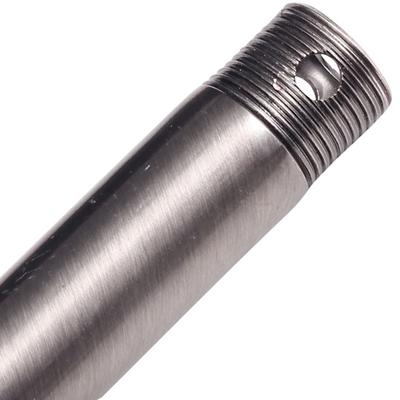
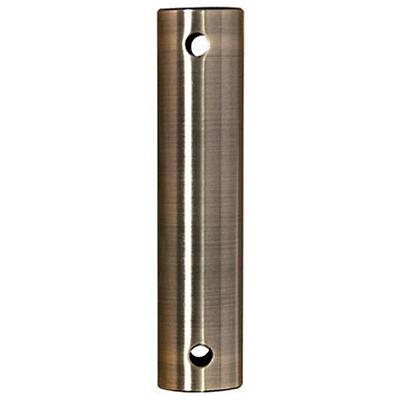
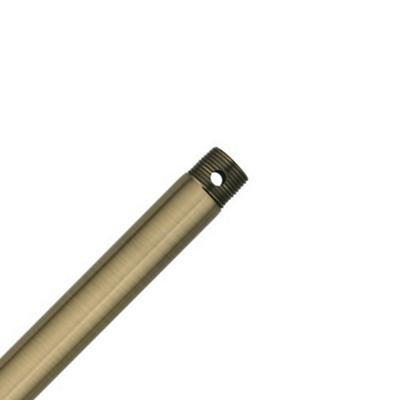
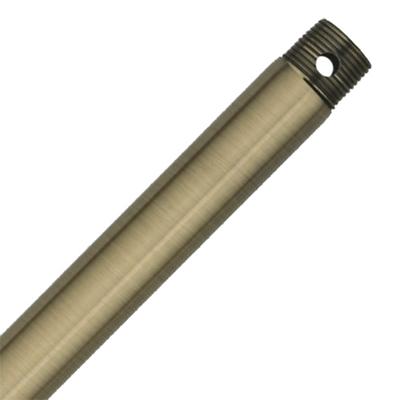
Ceiling fan downrods allow you to customize the installation of your ceiling fan to your room. As a result, the ceiling fan will fall at just the right height, resulting in a fan that operates optimally. These fans come in several styles and lengths, and they can serve as a replacement downrod for an existing ceiling fan. These downrods come in many finishes as well, allowing you to match them to your ceiling fan and your space.
Why You Need a Fan Downrod
Any room equipped with a ceiling fan can benefit from the addition of a replacement downrod. For example, a two-story family room featuring a ceiling fan can enjoy improved air circulation with a downrod that brings the ceiling fan closer to the living space. Use downrods in bedrooms to adjust ceiling fan height. You can even use them outdoors on fans mounted on covered patios or decks. Simply put, a downrod for a ceiling fan works effectively in any space where you need an extension.
Downrods for Every Style
Regardless of the ceiling fan in your home and your decorative style, you can discover a downrod for a ceiling fan perfect for your space. Explore the different styles to find the right look for your needs. First, check out Fanimation's downrods, which come in different diameters and finishes, including brass, brushed nickel, chrome and dark bronze. Hunter Fans' downrods coordinate with this brand of fans and come in a dozen finishes, including bronze patina, black, chestnut brown and sand. Minka Aire offers kits in various length and finish options, allowing you to alter your Minka Aire fan to suit your home. Finally, Monte Carlo Fans' downrods offer a minimalist design, refined structure and classic finish. Choose from black, bronze, brushed pewter and brushed steel finishes.
How to Choose the Best Downrod for Your Ceiling Fan
When you're shopping for a downrod for your ceiling fan, think first about the length that you need. Consider how far you want your ceiling fan to drop from the ceiling, and select a downrod that will put your fan at the right height. You'll want to make sure your existing fan or a fan you are interested in will allow for custom downrod extensions. Then, select a finish that complements the existing finish of your fan. This selection allows the downrod to blend into your ceiling fan seamlessly. Finally, consider the brand of your fan to determine whether your selected downrod fits with the fan. A properly fitted downrod will simplify installation. If you have any questions about the downrod extensions featured here, please call our fan experts at 877.445.4486.
Other Considerations
Ceiling fans can make a big impact in your home, instantly upgrading your space. Plus, they improve air circulation and cool your home on warm days. In addition to shopping for ceiling fan downrods, consider other accessories as well. Fan remotes allow you to change the speed and direction of your fan with the click of a button. Plus, you can flip the fan on or off without even getting up off of the sofa. If you're in the market for a ceiling fan, select one well suited to your space. You can find fans for high ceilings, which include longer downrods that allow these fans to function well in two-story spaces. Conversely, low profile ceiling fans work well in rooms with lower ceilings. These fans stay close to the ceiling and use shorter downrods for a sleek installation. Discover the right ceiling fan and accessories for your home today.
DownrodsFrequently Asked Questions
Are all ceiling fan downrods universal?
No, ceiling fan downrods are not universal. While many downrods may appear similar, compatibility depends on the brand, mounting system, and internal wiring design of your ceiling fan. It’s important to match the downrod to your fan’s brand or use a model specifically marked as compatible to ensure proper fit and safety.
Expert Tip: Downrod compatibility hinges on three critical factors - the diameter of the mounting pipe (typically 1/2" or 3/4"), the ball-and-socket mechanism design, and the internal wiring channel width. Even 1mm differences in these specifications can create unsafe installations. Always verify the manufacturer's specified downrod part number rather than relying on visual matches.
What is the longest downrod for ceiling fans?
Ceiling fan downrods typically range from 3 inches up to 72 inches in length, with some custom applications offering even longer options. The longest downrods are used in rooms with exceptionally high or vaulted ceilings to bring the fan closer to the living area for optimal airflow and performance.
Expert Tip: While 72" is standard maximum, cathedral ceilings may require custom lengths. The key consideration is the fan's dynamic load capacity - longer downrods amplify wobble forces exponentially. For rods over 48", look for fans with reinforced motor housings and commercial-grade downrod couplings to handle the increased torque.
What is the recommended downrod length for ceiling fans?
The recommended downrod length is determined by your ceiling height. As a general guideline:
For 9-ft ceilings, use a 6-inch downrod.
For 10-ft ceilings, use a 12-inch downrod.
For 12-ft ceilings, use a 24-inch downrod.
This helps position the fan 8–9 feet above the floor, which is ideal for both safety and airflow efficiency.
Expert Tip: The 8-9 foot ideal height isn't just about safety - it creates optimal air mixing. At this elevation, the fan's downdraft reaches seating level (30" above floor) at the perfect velocity (about 3 mph) for cooling without creating disruptive drafts. In rooms with angled ceilings, measure from the blade tips to the floor at the lowest point.
How to shorten a ceiling fan downrod?
Shortening a ceiling fan downrod is not typically recommended, as it may compromise the structural integrity and safety of the fan. Instead, it’s best to purchase a downrod of the correct length for your ceiling height. If absolutely necessary, consult with a licensed electrician or fan manufacturer to explore modification options safely.
Expert Tip: The hollow design of downrods contains crucial wiring channels that can't be safely replicated with DIY cuts. If you must modify, only consider solid rod extensions (used in some commercial fans) and have the work done by a metal fabricator who can rethread the ends to original specifications while maintaining proper weight-bearing capacity.
 Back To Top