Linear Modern Pendant Lighting & Hanging Lights


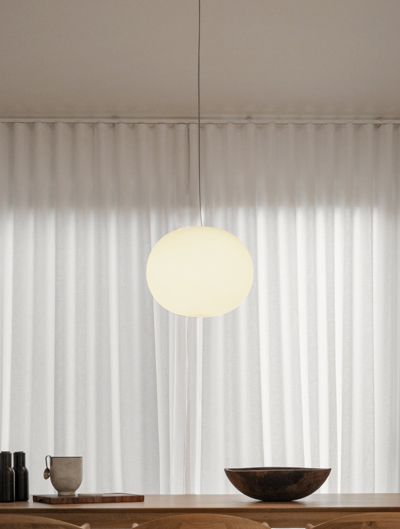
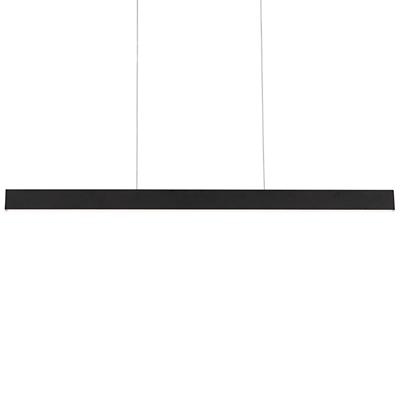
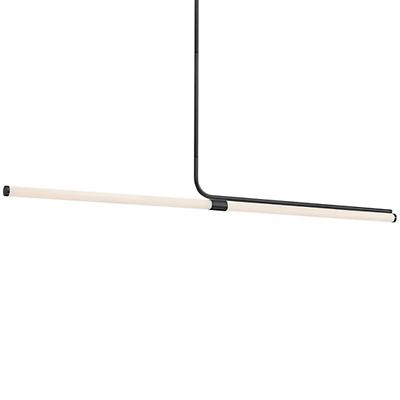


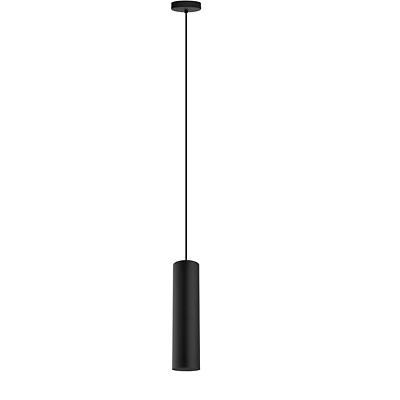
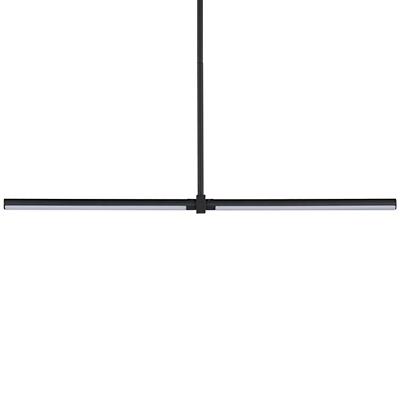
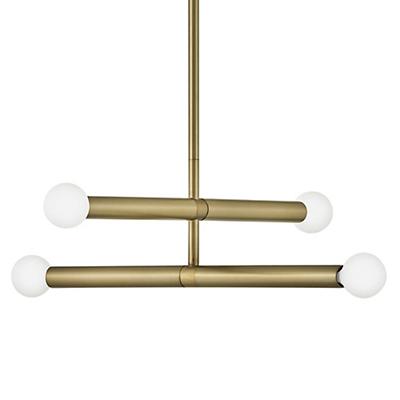
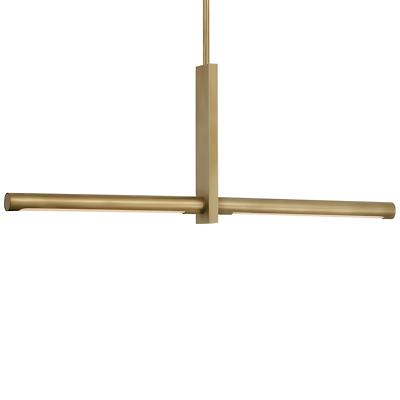
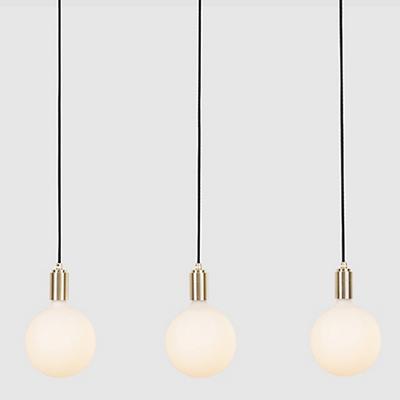

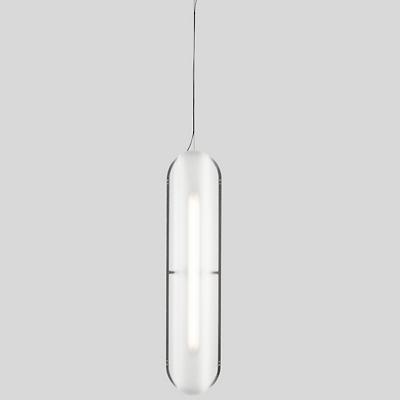
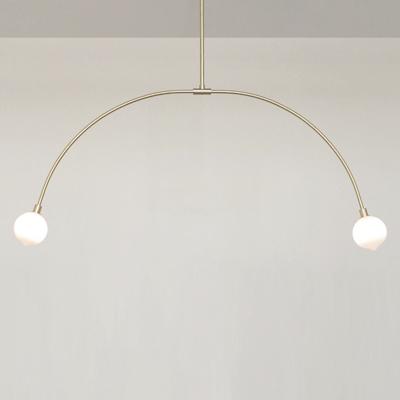
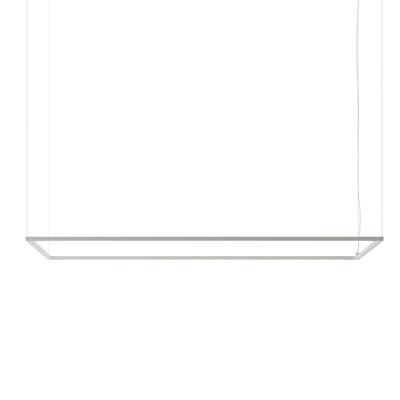
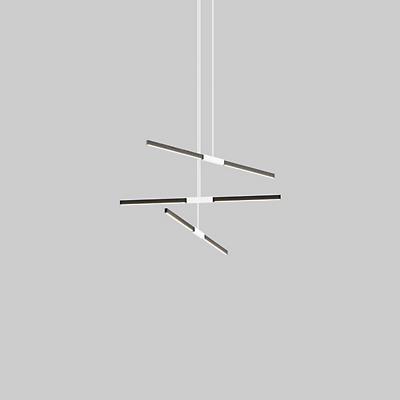
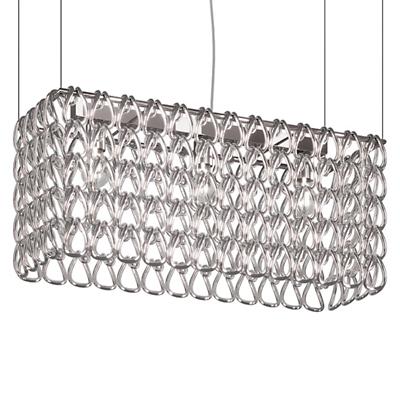
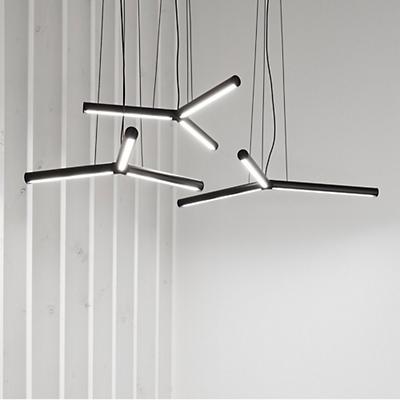


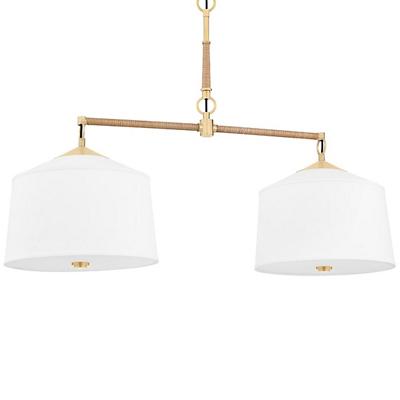
Pendant Lighting Explore
Linear Pendant Lighting
Linear pendant lighting brings architectural elegance and functional illumination to contemporary interiors. These streamlined fixtures transform kitchens, dining rooms, and open-concept spaces with their elongated profiles and even light distribution. From sleek minimalist designs to statement-making multi-light configurations, our curated collection of linear modern pendant lighting offers sophisticated solutions that balance form and function. Whether you're illuminating a kitchen island or defining a dining area, linear pendants deliver the perfect combination of task lighting and ambient glow while serving as striking focal points in your design.
Understanding Linear Pendant Lighting Design
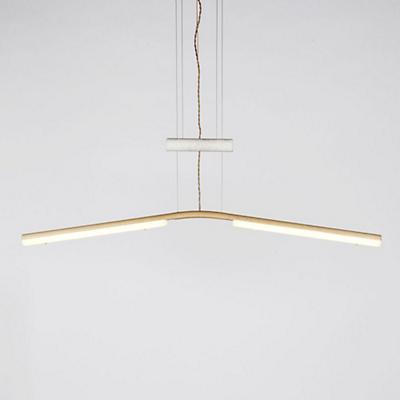
Linear pendant lighting is defined by its horizontal orientation and extended form, typically featuring rectangular, bar-shaped, or multi-light arrangements that span wider surfaces. Unlike traditional single-drop pendants, these fixtures distribute light evenly across longer areas, making them ideal for kitchen islands, dining tables, and workspaces.
The collection includes integrated LED designs like the Stealth Linear LED Pendant by AFX Lighting and multi-light configurations such as the Stix LED Multi-Light Pendant by SONNEMAN Lighting. These fixtures range from compact 22-inch designs to expansive 64-inch statements, with most featuring adjustable heights and sloped ceiling adaptability for versatile installation.
Style Variations for Every Aesthetic
Linear pendants span diverse design languages to complement any interior:
• Modern minimalist: Clean lines in black, white, or brushed metal finishes, as seen in the Vega LED Multi-Light Pendant by Kuzco Lighting.
• Industrial edge: Exposed hardware and aged finishes with matte black and brass accents.
• Contemporary elegance: Sculptural forms with polished chrome or brass, including the Dorian Linear LED Pendant by ET2 Lighting.
• Organic modern: Natural materials and warm metals that bring artisanal character.
• Transitional sophistication: Versatile designs that bridge traditional and contemporary styles.
The selection ranges from the architectural precision of Visual Comfort Signature to bold statement pieces, ensuring you’ll find a linear pendant that matches your space.
Materials and Finish Options
Material selection dramatically impacts both aesthetic and light quality. Linear pendants frequently feature:
• Metal constructions: Aluminum, steel, and brass in matte, polished, brushed, or antique finishes.
• Glass elements: Frosted, clear, and opal diffusers that soften LED output and reduce glare.
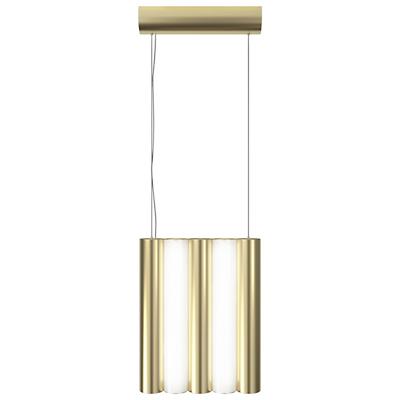
• Mixed materials: Combinations such as brass and black pairings in multi-light designs.
• Specialty finishes: Aged brass, bronze, oil-rubbed treatments, and powder-coated colors.
Popular finishes include satin black, white, and silver tones. Brass and gold accents continue to trend, offering warmth against cooler palettes. The Compendium LED Linear Suspension by Luceplan showcases how aluminum, brass, and black finishes create distinct personalities from a single design.
Sizing for Your Space: Practical Guidelines
For 7–8 foot kitchen islands, fixtures between about 36–48 inches wide typically provide balanced coverage, with pendant width spanning roughly one-half to two-thirds of the island length. Three individual pendants spaced 24–30 inches apart can be an alternative to a single linear bar.
Hanging height recommendations: suspend linear pendants 30–36 inches above countertops and islands for optimal task lighting without obstructing views. Over dining tables, aim for 32–36 inches above the surface. For 8-foot ceilings, low-profile designs with minimal drop length help maintain comfortable clearance.
Brightness considerations: a 10x12 foot kitchen typically benefits from a total of around 5,000–7,500 lumens. Linear pendants can provide anywhere from a few hundred lumens to over 3,000, depending on size and light source. For the most comfortable experience, layer them with ceiling lights such as recessed or flushmount fixtures.
Installation and Technical Specifications
Most linear pendants feature adjustable cord or rod lengths for customized drops. When reviewing specifications, keep these technical considerations in mind:
• Voltage compatibility: Most residential fixtures are 120V, with some designs also supporting 277V for commercial applications.
• Dimming capabilities: Many linear pendants are dimmable; verify compatibility with standard and smart dimmers (such as Lutron) and confirm that the LED driver supports your dimmer type.
• Sloped ceiling adaptation: Numerous fixtures include sloped ceiling canopies for vaulted installations—check for this feature if your ceiling isn’t flat.
• Color temperature: Around 2700K provides a warm, residential ambiance, while 3000K offers brighter, crisper light ideal for task-focused kitchens.
• Safety ratings: Look for ETL or UL listings and consider Damp-rated fixtures for covered outdoor areas or moisture-prone spaces.
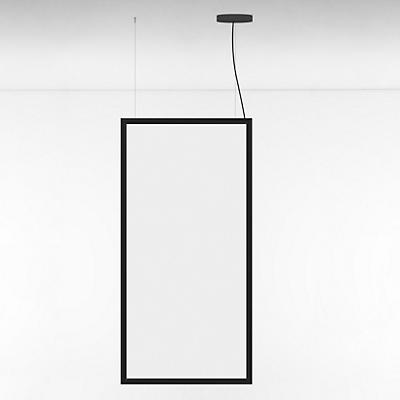
The Divergence LED Chandelier by dweLED exemplifies technical sophistication with integrated LED technology and a strong architectural presence.
Linear Pendants vs. Chandeliers vs. Suspensions
Understanding the distinctions can help guide your selection:
• Linear pendants: Streamlined, often single-fixture designs with integrated or exposed bulbs; excellent for focused task lighting and modern aesthetics.
• Linear chandeliers: More decorative, with multiple elements and a stronger emphasis on visual drama—especially suited to dining rooms. Browse the chandeliers and linear suspension collection for these options.
• Linear suspensions: Architectural fixtures with sophisticated light distribution, ideal for statement-making in open-concept spaces and over long tables or islands.
While chandeliers have traditionally dominated dining rooms, contemporary linear pendants increasingly fill this role with cleaner lines and energy-efficient integrated LEDs.
Shopping Your Perfect Linear Pendant
Navigate the linear pendant selection by starting with size and scale, then refining by finish, style, and light output. If you’re working within a specific budget, you’ll find accessible designs under about $500, including in-stock pieces that ship quickly. At higher price points, premium fixtures from brands such as FLOS, Hudson Valley Lighting, and other prestigious manufacturers offer elevated materials, distinctive forms, and advanced LED technology.
For faster delivery, use “In Stock & Ready to Ship” filters. If sustainability is a priority, filter by ENERGY STAR certification, Title 24 compliance, and eco-conscious features. Black and brass finishes remain especially versatile, coordinating easily with both warm and cool palettes as well as common cabinet hardware and appliance finishes.
When a single linear fixture doesn’t fit your layout, explore multi-light pendants for alternative configurations that still deliver a cohesive, linear effect.
Conclusion: Illuminate with Intention
Linear pendant lighting delivers the rare combination of architectural sophistication and practical illumination that modern spaces demand. Whether you're drawn to the minimalist elegance of integrated LED bars, the visual interest of multi-light configurations, or the warmth of brass and glass combinations, the right fixture can anchor your room while working hard as a lighting solution. From compact designs for intimate spaces to expansive statements that command attention, these pendants prove that utilitarian lighting can be undeniably beautiful.
See the full pendant lighting collection for thoughtfully crafted fixtures that elevate any space.
Pendant LightingFrequently Asked Questions
Are pendant lights in style?
Yes, pendant lights remain a stylish and versatile lighting option. Modern designs, such as minimalist metal pendants, glass globes, and geometric shapes, are particularly popular. They are widely used in kitchens, dining rooms, and entryways to add both functionality and aesthetic appeal.
Expert Tip: To keep your space on-trend, opt for pendant lights with integrated LED technology or customizable features like adjustable heights and dimmable settings.
How to choose a hanging light?
When choosing a hanging light, consider the size of the space, the fixture's purpose, and your decor style. For example, in a kitchen, select a pendant that provides focused task lighting over an island, while in a dining room, choose a statement piece that complements the table's size and shape.
Expert Tip: Use the "3:1 rule" for pendant sizing—divide the room's height by 3 to determine the ideal fixture height. For example, a 9-foot ceiling would suit a pendant around 3 feet tall.
What is the difference between a chandelier and a hanging light?
A chandelier is a type of hanging light that typically features multiple arms or branches with several light sources, often used for decorative purposes. A pendant light, on the other hand, is a single light fixture suspended from the ceiling, usually providing focused or task lighting.
Expert Tip: For a cohesive look, pair a chandelier with matching pendant lights in adjacent spaces, such as a dining room and kitchen.
Can you change the shades on pendant lights?
Yes, many pendant lights allow you to change the shades, offering flexibility to update the look of your fixture. However, this depends on the design—some pendants have fixed shades, while others are modular.
Expert Tip: If you enjoy refreshing your decor, look for pendant lights with interchangeable shades or universal fittings that accommodate a variety of styles.
What are the different types of pendant lights?
The main types of pendant lights include mini pendants, multi-light pendants, drum pendants, and globe pendants. Each type serves different purposes, from task lighting over kitchen islands to decorative accents in living areas.
Expert Tip: Multi-light pendants are ideal for larger spaces, as they provide even illumination and can be adjusted to suit the layout of the room.
How do I know what size pendant light I need?
To determine the right size for a pendant light, consider the room's dimensions and the fixture's purpose. For example, over a kitchen island, the pendant should be 1/2 to 2/3 the width of the island. In dining rooms, the fixture should be 12 inches narrower than the table on each side.
Expert Tip: For a balanced look, hang multiple smaller pendants in a row over long surfaces, spacing them evenly and ensuring they align with the room's proportions.
What colors do pendant lights come in?
Pendant lights come in a wide range of colors, from neutral tones like black, white, and bronze to bold hues like red, blue, and gold. The finish and color should complement your existing decor and create the desired ambiance.
Expert Tip: Matte finishes are great for modern, understated looks, while metallic finishes like brass or copper add a touch of luxury and warmth.
What is the correct height for pendant lights to hang?
The ideal height for pendant lights depends on their location. Over a kitchen island or dining table, hang the fixture 30-36 inches above the surface. In entryways or living rooms, ensure the bottom of the pendant is at least 7 feet above the floor to avoid obstructing movement.
Expert Tip: Use adjustable pendant lights to fine-tune the height after installation, ensuring the perfect balance of functionality and aesthetics.
What are the different shapes of pendant lights?
Pendant lights come in various shapes, including drum, globe, cone, cylinder, and geometric designs. The shape you choose should align with the room's style—for example, globe pendants suit modern spaces, while drum shades work well in traditional settings.
Expert Tip: Mix and match shapes in a multi-pendant setup for a dynamic, eclectic look that adds visual interest to your space.
What is a good wattage for a pendant light?
A good wattage for a pendant light depends on its purpose. For task lighting, aim for 75-100 watts (or equivalent lumens for LEDs). For ambient lighting, 40-60 watts is usually sufficient.
Expert Tip: If using LED bulbs, remember that they consume less wattage while providing the same brightness as incandescent bulbs. For example, a 10-watt LED can replace a 60-watt incandescent.
How do you put a dimmer on a pendant light?
To add a dimmer to a pendant light, you'll need a compatible dimmer switch and, in some cases, dimmable bulbs. Turn off the power, replace the existing switch with the dimmer, and connect the wires according to the manufacturer's instructions.
Expert Tip: Ensure your pendant light fixture and bulbs are dimmable before installing a dimmer switch. Non-dimmable LEDs or fixtures may flicker or fail to work properly with a dimmer.

 Back To Top