
Architectural Lighting
Shop Architectural Lighting by Category
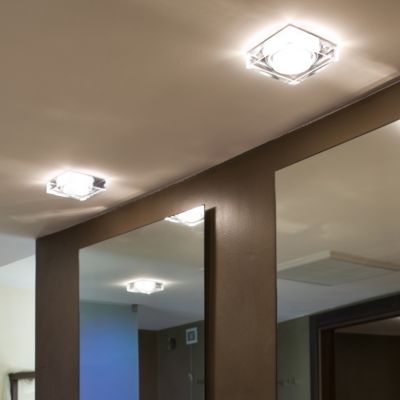
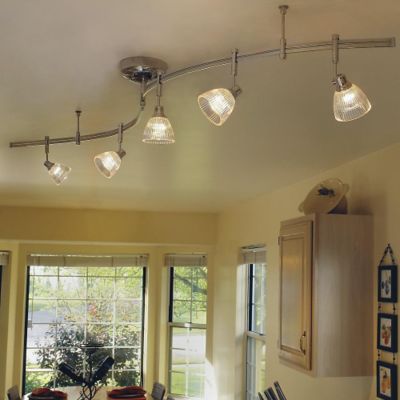
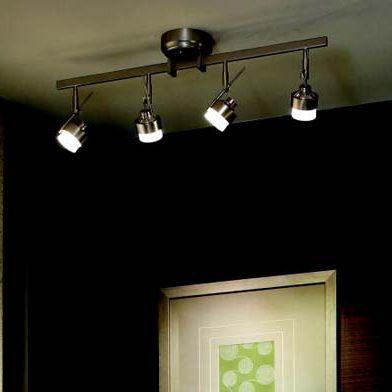
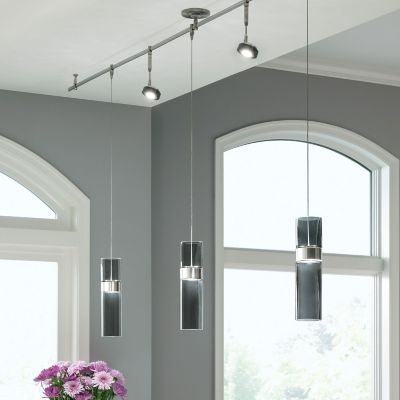
Trade Architectural Lighting Solutions for Professional Spaces
Architectural lighting transforms commercial and residential environments through precision-engineered systems that deliver both functional illumination and design sophistication. Trade architectural lighting encompasses the full spectrum of professional-grade solutions—from recessed lighting and track lighting to monorail systems and undercabinet lights—each meticulously crafted to meet the exacting standards of designers, architects, and contractors. Our curated collection features industry-leading brands like Tech Lighting, WAC Lighting, and Juno Lighting, offering the technical performance and aesthetic refinement that trade professionals demand for every project specification.
A Closer Look at Professional Lighting Systems
Trade architectural lighting refers to professional-grade fixtures designed for specification by designers, architects, and contractors who require superior performance, precise light control, and installation flexibility. These systems integrate seamlessly into architectural elements—ceilings, walls, cabinetry—to provide layered illumination strategies that combine ambient, task, and accent lighting. Unlike decorative fixtures, architectural lighting prioritizes beam control, color rendering accuracy (CRI 90+), and dimming compatibility across 0–10V and TRIAC protocols.
Key system categories include:
• Recessed downlights: IC-rated and airtight housings for new construction and remodel applications
• Track and monorail: Adjustable, directional lighting for galleries, retail, and residential accent applications
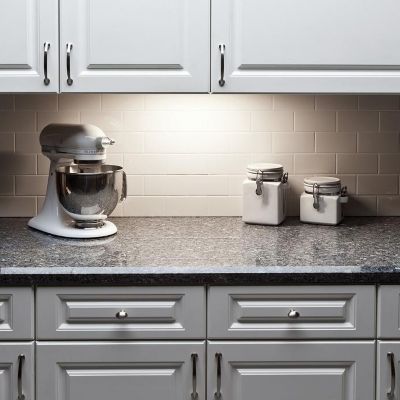
• LED tape and undercabinet: Linear task lighting for kitchens, workspaces, and display illumination
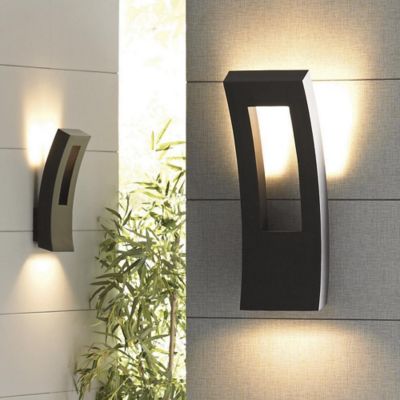
• Architectural outdoor: Soffit lights, wall grazes, and path lighting in wet-location and coastal-grade finishes
What to Know About Lighting Performance
Trade professionals specify architectural lighting based on rigorous performance criteria that ensure longevity, energy efficiency, and consistent light quality. LED technology dominates modern specifications, offering 50,000+ hour lifespans, superior beam quality compared to legacy halogen systems, and seamless dimming when paired with compatible controls. Color temperature selection—measured in Kelvin—directly impacts spatial perception: 2700K–3000K provides warm residential ambiance, while 3500K–4000K delivers crisp, focused light for commercial and task-oriented environments.
Critical specification factors:
• Lumens per square foot: Kitchens require 50–75 lumens/sq ft; living spaces 10–20 lumens/sq ft; hallways 5–10 lumens/sq ft
• Beam angle and distribution: Narrow spots (15°–25°) for accent lighting; wide floods (40°–60°) for ambient coverage
• Dimming compatibility: Verify driver compatibility with existing control systems to avoid flicker and limited range
• Housing ratings: IC-rated for insulation contact; airtight for energy efficiency; damp/wet-location for bathrooms and exteriors
Choosing Between Track, Monorail & Cable Systems
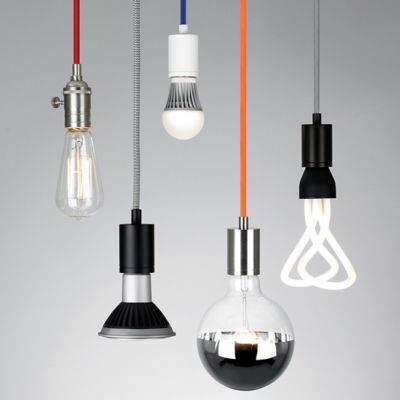
Flexible track systems offer unparalleled versatility for spaces requiring adjustable, directional illumination. Understanding track standards prevents compatibility issues: H-track (Halo/Juno), J-track (Juno), and L-track (Lightolier) each require matching heads, connectors, and power feeds. Monorail lighting systems provide even greater design freedom, allowing curved configurations and suspended mini pendants over kitchen islands—an elegant alternative to traditional linear fixtures. Cable systems deliver minimalist aesthetics for modern galleries and loft spaces.
System comparison considerations:
• Track lighting: Linear rails in 2', 4', 8' sections; fixed geometry; easiest installation
• Monorail: Flexible rail bends to custom shapes; supports decorative pendants; requires more planning
• Cable systems: Ultra-low-profile wire suspension; contemporary aesthetic; limited load capacity
• Head compatibility: Always verify track standard before ordering additional fixtures or accessories
How to Plan Recessed Lighting Layouts
Proper recessed lighting design prevents over-lighting while ensuring even illumination without dark zones. For 8–10 foot ceilings, space downlights 4–6 feet apart, positioning them 2–3 feet from walls to avoid scalloping effects. Trim selection impacts both aesthetics and beam control: baffle trims reduce glare, adjustable trims provide directional accent capability, and wall-wash trims graze vertical surfaces to highlight artwork and architectural features. Housing selection must match installation conditions—IC-rated housings allow direct insulation contact, while airtight models prevent conditioned air loss.
Layout best practices:
• Divide ceiling length by spacing distance to determine fixture quantity
• Use adjustable trims for flexible accent lighting on art walls and display shelves
• Specify damp-location housings for bathrooms; wet-location for shower applications
• Consider architectural outdoor lighting with appropriate IP ratings for soffit and entry installations
Smart Undercabinet Lighting Ideas
Undercabinet lighting eliminates shadows on kitchen countertops while adding sophisticated task illumination. LED tape delivers seamless, continuous light but requires careful installation to avoid hotspots—always use aluminum channels with diffusers. LED bars offer easier installation with plug-and-play connectivity, while puck lights provide focused task zones but can create uneven coverage. Mount fixtures toward the front edge of cabinets, 2–3 inches from the cabinet face, to minimize glare and maximize counter illumination.
Installation specifications:
| Category | Details |
|---|---|
| LED Tape | 300–450 lumens per foot for task lighting; requires compatible drivers and dimmers |
| LED Bars | Pre-assembled units with integrated drivers; linkable up to 10 feet |
| Color Temperature | 3000K balances warm ambiance with adequate task visibility |
| Dimming | Specify dimmable drivers compatible with existing wall controls for flexible light levels |
Tips for Selecting the Right Lighting
Successful architectural lighting specifications balance technical performance with aesthetic integration and budget considerations. Mid-size kitchen remodels typically allocate $2,000–$5,000 for quality recessed and track lighting with dimming controls—an investment that delivers decades of reliable performance. Verify fixture compatibility with existing infrastructure: low-voltage systems require transformers, while line-voltage fixtures connect directly to household current. Always specify fixtures from manufacturers offering robust trade support, comprehensive warranties, and readily available replacement parts.
Professional specification checklist:
• Confirm ceiling construction type (new construction vs. remodel housings)
• Verify dimmer compatibility (LED fixtures require specific control protocols)
• Specify appropriate location ratings (dry, damp, wet) based on installation environment
• Review photometric data to ensure adequate light levels and desired beam distributions
• Consider integrated controls and smart home compatibility for future-ready installations
Where Function Meets Style
Architectural lighting is designed to be a highly functional style of lighting in spaces where light fixtures are needed to serve a fundamental purpose, such as providing focused downlight or accenting certain areas of a room. Often thought of as a practical type of lighting, these recessed, track and monorail fixtures are not usually given credit for their decorative character and ability to add undeniable style to a home's design. With the proper combination of architectural lighting and chandeliers, pendants or similar awe-inspiring fixtures, your designscape will be one that is modern and sophisticated.
Architectural Lighting Ideas for Every Room
Architectural light fixtures can be a single light source in a room or they can be used to complement existing ceiling lights and wall lights. Kitchens benefit from track lighting systems by providing focused, task-oriented and adjustable illumination that works well with island lighting and under cabinet lighting systems. Hang a number of mini pendant lights from a monorail lighting system (also known as a flexible track lighting) in place of a traditional linear kitchen island light to bring additional appeal to the room. In the living room, a track or monorail system highlights artwork, photos and display shelves, among other dim areas in the space. Unlike a stand-alone picture light that is mounted to the wall, a track or monorail system allows you to have multiple points of directional light to work with.
Recessed lighting lends itself to many areas of the home including the kitchen, dining room, bedrooms and the hallway, as well as the bathroom when used as overhead shower lighting. Recessed light fixtures (often called can lights) are installed inside the ceiling in a specific type of housing, allowing them to be the ideal choice for low profile ceilings where a suspended light fixture is not the best choice. With any mixture of well-chosen recessed, track and monorail lights, you will ensure your space is properly lit for any task.
Top Brands We Love
Tech Lighting is a favorite for modern track and monorail lighting as its broad selection of fixtures are guaranteed to fit well in contemporary spaces, highlighting other elements of modern decor and accenting your ceilings and walls. You'll find vibrant, colorful track pendants and delicately-designed glassblown shades, as well as complete track or monorail kits to make installation easy. In casual and transitional homes, look to the selection of architectural lighting offered by Juno Lighting. Juno offers everything you need from recessed housings and trims to all of the accessories required by a complete track lighting system. And if you appreciate the energy efficiency of LED and love the characteristics of great design, check out the eye-catching assortment from WAC Lighting.
How to Choose the Right Light Fixtures
The first thing to determine with an architectural light fixture is its intended purpose. Will the fixture provide ambient overhead illumination or bright and focused task lighting? Adjustable and directional light is provided by a track or monorail fixture, while overhead and accent light is best achieved through well-chosen and well-placed recessed lighting. Once you determine the function of the light, you then need to properly measure the area where the fixture will be installed to best gauge the size you need. Consider dimensions like height, width, length (for track and monorail fixtures) and diameter (for recessed trims). Next, determine what kind of bulb the fixture requires so you can be prepared with the right set of light bulbs.
More Lighting Options to Consider
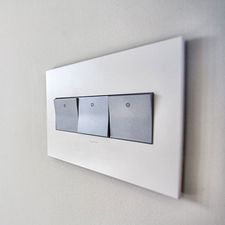
Following a similar style as that of track and monorail lighting, cable lighting is a minimalistic and modern way to add ambient or directional lighting to areas of the home including the kitchen, the living room and the hallway. And if you love the low profile nature of recessed lighting, you may also want to see the selection of flush mount lighting. Instead of mounting inside of the ceiling, this style of lighting sits flush with the ceiling or in the case of semi-flushmounts, can extend a few inches from a canopy. Finally, consider setting the mood with your architectural lighting by placing it on a dimmer. Dimmer controls and switches are offered in a number of styles and will pair well with your new track or recessed lighting.
More Lighting Options to Consider
Our comprehensive trade architectural lighting collection delivers the technical precision, aesthetic refinement, and installation flexibility that design professionals require. From energy-efficient LED track and monorail systems to meticulously engineered recessed housings and undercabinet solutions, every fixture meets the demanding standards of commercial and high-end residential specifications. Explore integrated dimmers, controls and wall plates to complete your lighting system with seamless dimming performance.
Shop the latest modern lighting, furniture, and decor collections or contact our trade specialists at (877) 875-3619 for expert specification support tailored to your project requirements.