Brown Modern Pendant Lighting & Hanging Lights


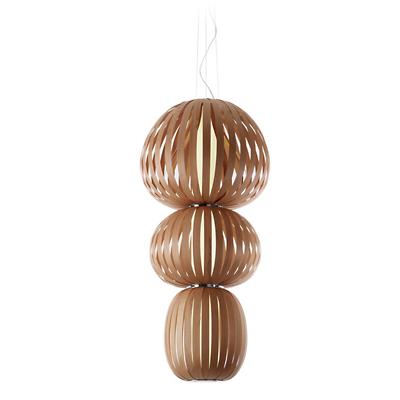
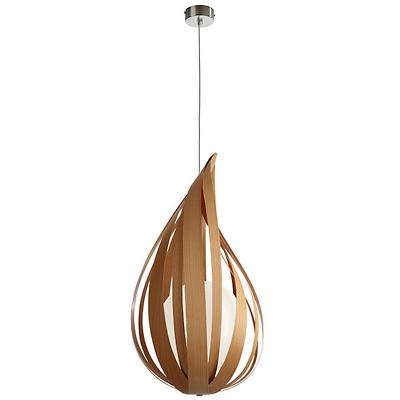
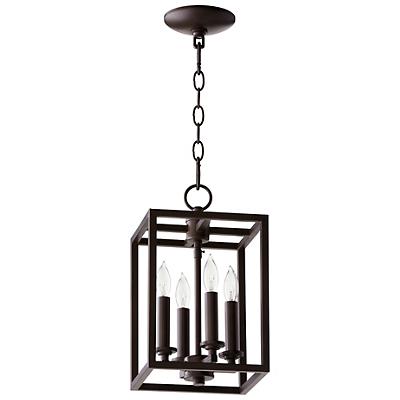
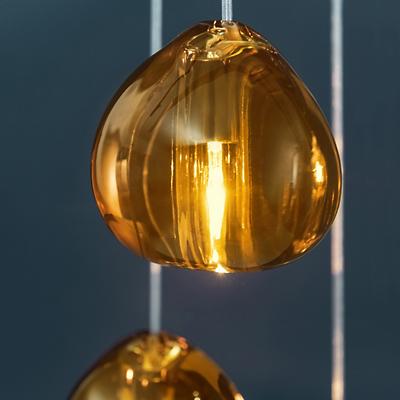





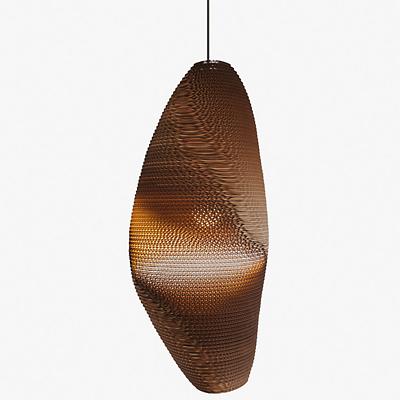
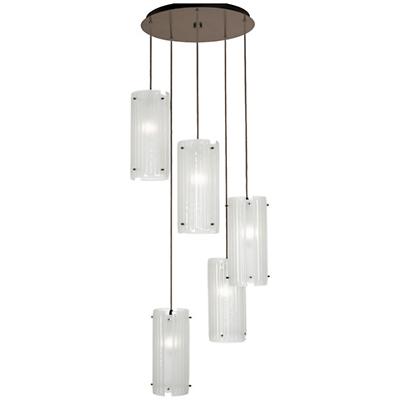
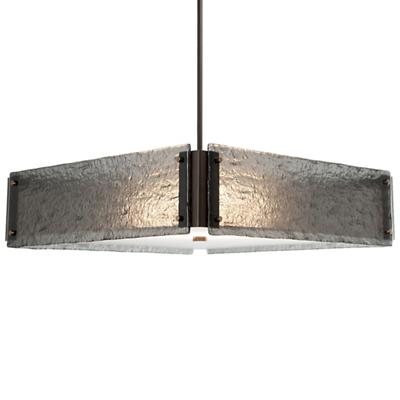
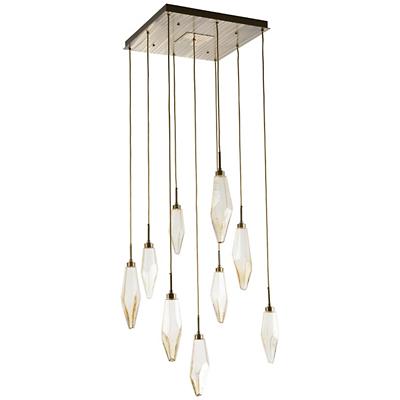


Pendant Lighting Explore
Brown Pendant Lighting
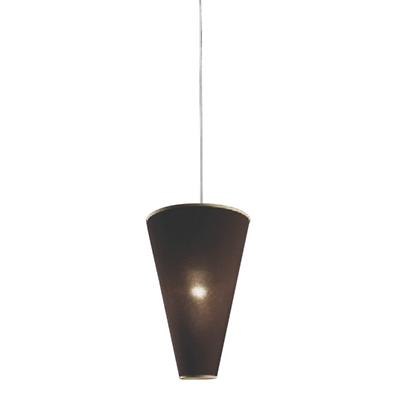
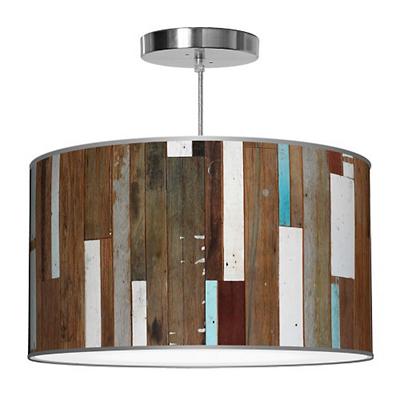
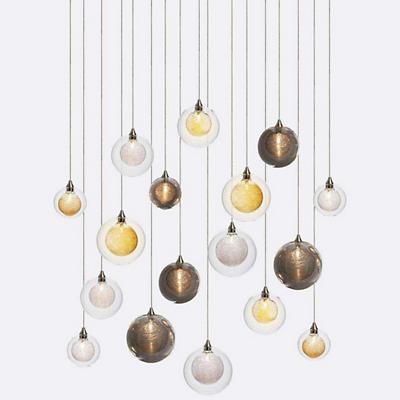
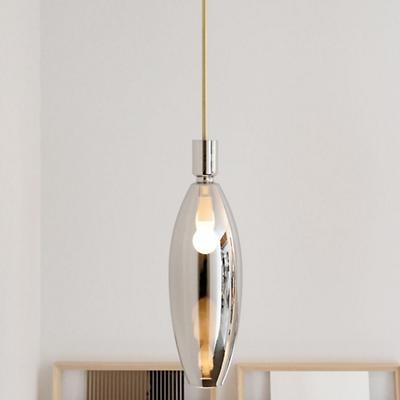
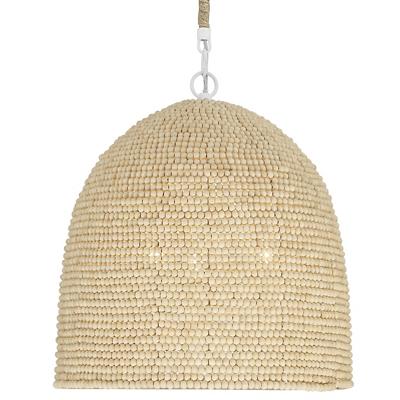
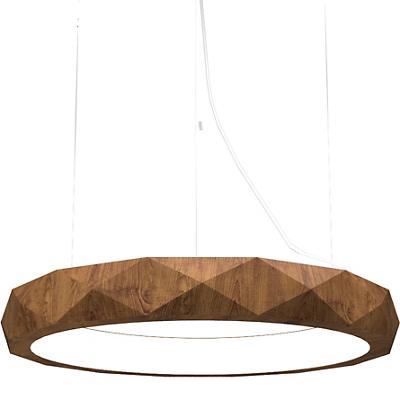
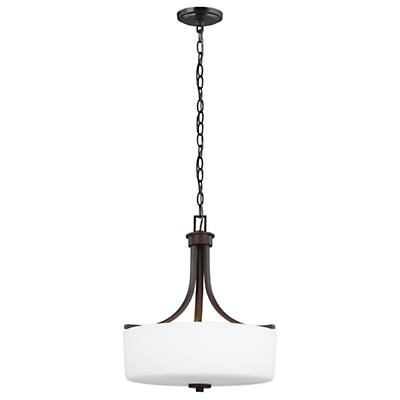
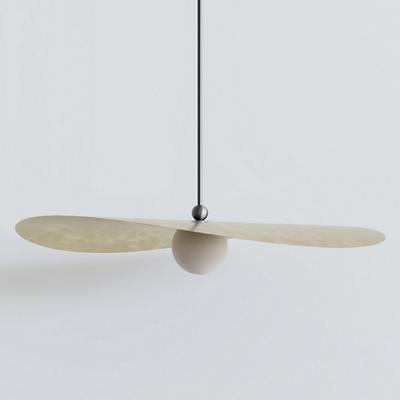
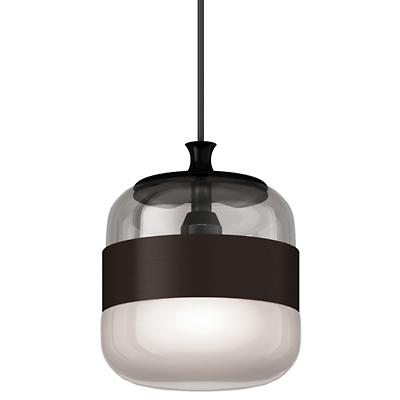
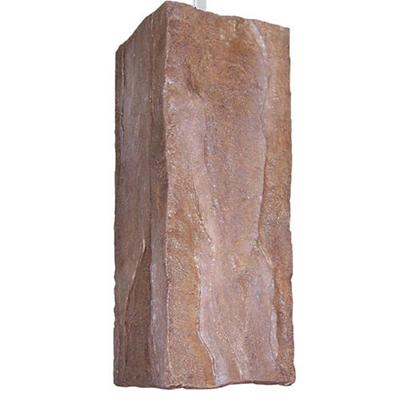
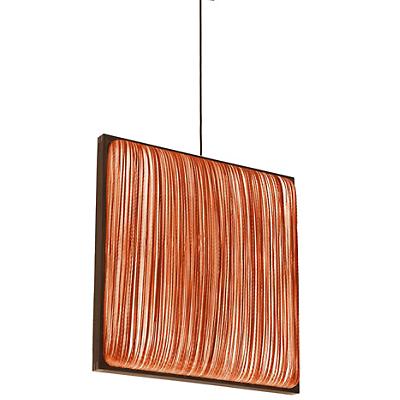
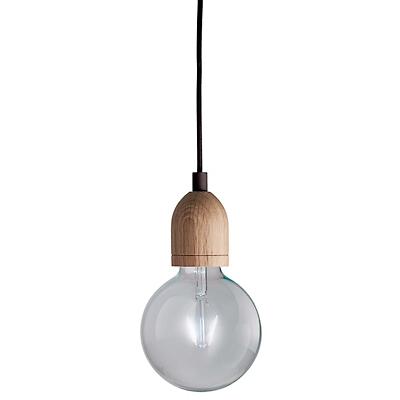
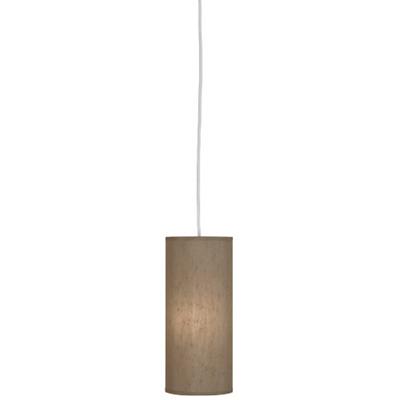
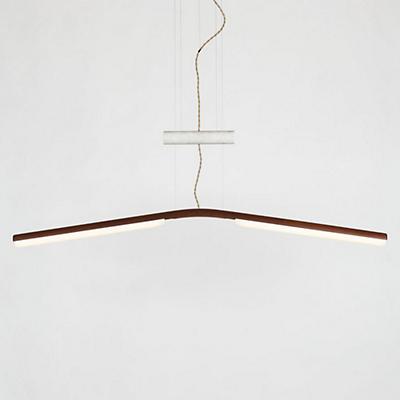
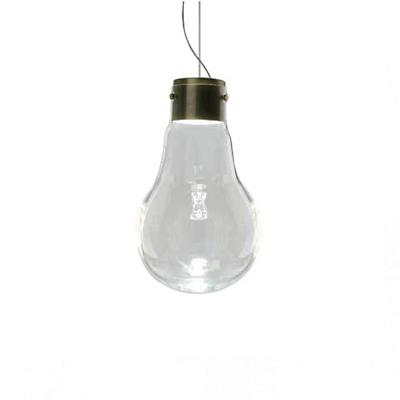
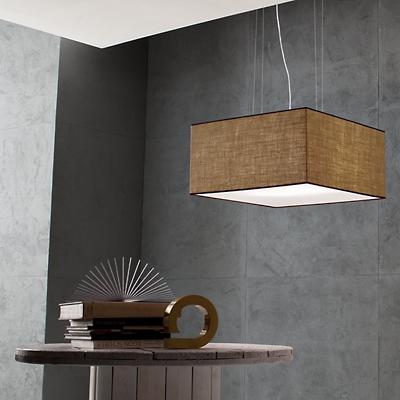
Brown pendant lighting brings natural warmth and sophisticated depth to modern interiors, offering an organic alternative to standard metallic or white fixtures. From rich walnut and chocolate tones to soft taupe and amber glass, brown pendant lights create inviting atmospheres in kitchens, dining rooms, and living spaces. Our curated collection spans minimalist Scandinavian designs to artisanal woven pieces, featuring materials like wood veneer, smoked glass, concrete, and natural fibers. Whether you're seeking a single statement pendant or a multi-light configuration, brown fixtures seamlessly bridge contemporary and organic design aesthetics while providing functional illumination.
Understanding Brown Pendant Lighting Styles
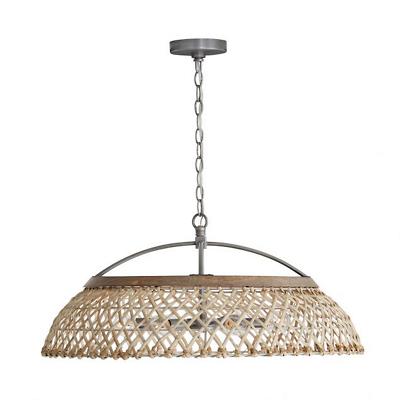
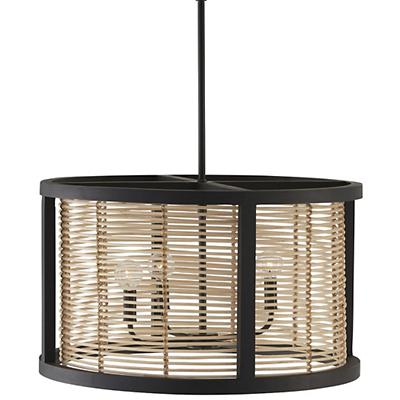
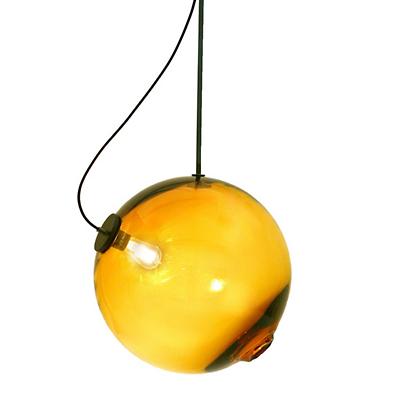
Brown pendant lighting encompasses diverse shade variations—from deep chocolate and espresso to lighter walnut, rust, and terracotta tones. This color family includes natural wood pendants in oak and cherry, amber or smoked glass globes, woven rattan shades, and matte brown metal finishes. The Muuto Grain Pendant exemplifies Scandinavian minimalism with its pressed wood construction, while the Foscarini Aplomb Pendant offers industrial concrete in brown tones. Unlike bronze (which skews metallic and golden) or black fixtures, brown pendants introduce earthy warmth that complements brass hardware, natural wood cabinetry, and neutral color palettes. These fixtures work particularly well in modern kitchens and dining rooms seeking organic sophistication.
Materials & Finishes for Brown Pendant Lights
Wood Veneer & Natural Materials:
-
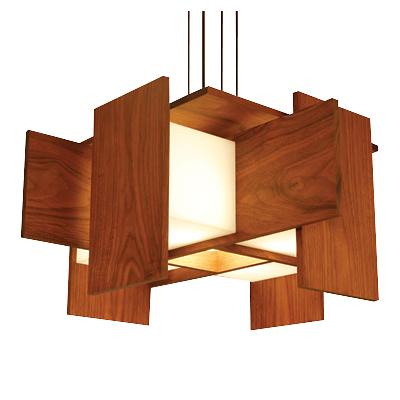
Birch, walnut, and cherry wood pendants like the Secto 4200 create sculptural warmth
-
FSC-certified sustainable options available from brands like Secto Design
-
Woven rattan and rope shades offer coastal or bohemian appeal
Glass & Concrete:
-
Smoked or amber glass diffuses light with rich, warm tones
-
Matte concrete pendants provide raw, industrial texture
-
Blown glass in caramel or terracotta tones adds artisanal character
Metal Finishes:
-
Oil-rubbed bronze, aged brass, and rust patina metals coordinate with cabinet hardware
-
Powder-coated matte brown steel for contemporary minimalism
-
Textured or hammered finishes enhance visual interest
Material choice significantly impacts light output—solid wood and concrete create dramatic downlighting, while woven materials and glass provide softer, more diffused ambient illumination.
Sizing Brown Pendants for Kitchen Islands & Tables
Kitchen Island Guidelines:
-
6-foot island: Two 12–14" diameter pendants or one 24–30" fixture
-
8-foot island: Three 10–12" pendants spaced 24–30" apart
-
Hang 30–36" above countertop for task lighting without glare
-
Mini pendants work for narrow islands; large pendants suit spacious layouts
Dining Table Placement:
-
Fixture width should be 1/3 to 1/2 table width
-
Hang 30–34" above table surface for optimal illumination
-
Multi-light pendants or linear suspensions suit rectangular tables
-
Single large pendants center over round tables
General Sizing Rule:
Add room length + width (in feet), then convert to inches for appropriate fixture diameter. A 12' x 14' room suggests a 26" diameter pendant or proportional multi-light configuration.
Brown Pendant Lighting for Specific Rooms & Styles
Modern Kitchens:
LED pendant lights
in matte brown metal or concrete complement stainless appliances and quartz counters. The
Kartell FL/Y Pendant
in cola or brown tones offers contemporary Italian design.
Farmhouse & Rustic Spaces:
Natural wood
cylinder pendants
or woven rattan shades pair with shiplap and reclaimed wood. Look for distressed finishes and visible grain patterns.
Scandinavian Minimalism:
Light wood tones in clean geometric shapes, like the
Muuto E27 Pendant
in clay brown, emphasize simplicity and natural materials.
Damp-Rated Options:
Select UL Damp or Wet-rated fixtures for bathrooms and covered patios. Many
glass pendants
and sealed metal designs qualify for high-humidity environments.
Light Temperature & Dimming for Brown Fixtures
Color Temperature Selection:
-
2700K (warm white): Creates cozy, intimate ambiance; ideal for dining rooms and bedrooms
-
3000K (soft white): Balances warmth with clarity for kitchen task lighting
-
Brown shades naturally warm any light temperature, making 3000K appear closer to 2700K
Dimming Considerations:
-
Specify dimmable LED drivers or use replaceable Edison-style bulbs with standard dimmers
-
Warm-dim LEDs (2700K–2200K) enhance brown tones as they dim
-
Test dimmer compatibility with integrated-LED fixtures before installation
-
Smart bulbs offer color temperature adjustment for ultimate flexibility
Brown glass and wood materials diffuse harsh light, reducing glare even at full brightness—making them forgiving choices for task lighting applications.
Budget-Friendly vs. Premium Brown Pendants
Under $300 Options:
The
Et2 Souffle Pendant
in terracotta ($113) and
Coolicon Standard Pendant
in latte brown offer quality at accessible prices. Trade-offs include simpler construction, limited customization, and standard finishes.
Mid-Range ($300–$1000):
Brands like
Muuto,
Gubi,
and
Santa & Cole
deliver superior materials, refined engineering, and design pedigree. The
Gubi Semi Pendant
($469–$899) exemplifies this tier.
Premium ($1000+):
Artisanal pieces like the
Secto Octo Pendant
feature handcrafted construction, architectural-grade materials, and designer provenance. Expect heirloom quality, extensive finish options, and sophisticated engineering.
Integrated LED vs. Replaceable Bulbs
Integrated LED Advantages:
-
Optimized light distribution and thermal management
-
Sleek, streamlined designs without visible bulb sockets
-
Energy Star and Title 24 compliance common
-
50,000+ hour lifespans reduce maintenance
Integrated LED Considerations:
-
Requires compatible dimmers (ELV or 0–10V)
-
Fixture replacement needed when LEDs eventually fail
-
Higher upfront cost offset by energy savings
Replaceable Bulb Benefits:
-
Flexibility to change color temperature and brightness
-
Easy bulb replacement extends fixture lifespan
-
Standard dimmer compatibility
-
Lower initial investment
For kitchen island pendants with daily use, integrated LEDs offer long-term value. Decorative dining room fixtures benefit from bulb flexibility.
High Ceilings, Slopes & Adjustable Options
Sloped Ceiling Solutions:
Many
modern pendants
include sloped ceiling adapters or swivel canopies. Verify compatibility before purchase—brands like
Visual Comfort
and
Hubbardton Forge
offer extensive options.
Height Adjustment:
-
Cord pendants allow field-cutting for custom lengths
-
Adjustable cable systems suit vaulted ceilings
-
Freejack pendants on rail systems offer flexible positioning
-
Multi-light canopies enable staggered heights for visual interest
Two-Story Spaces:
Larger-scale fixtures (24–36" diameter) maintain presence in high-volume rooms. Consider
cluster pendants
at varying heights to fill vertical space.
Sustainable & Certified Brown Lighting
Eco-Conscious Materials:
-
FSC-certified wood from responsibly managed forests ( Secto Design specializes in this)
-
Recycled glass and reclaimed materials
-
Natural fibers like jute, rattan, and paper
Energy Certifications:
-
Energy Star qualified fixtures meet strict efficiency standards
-
Title 24 compliance required for California installations
-
DLC listing ensures commercial-grade LED performance
-
B Corp certified manufacturers prioritize environmental and social responsibility
Sustainable Brands:
Graypants
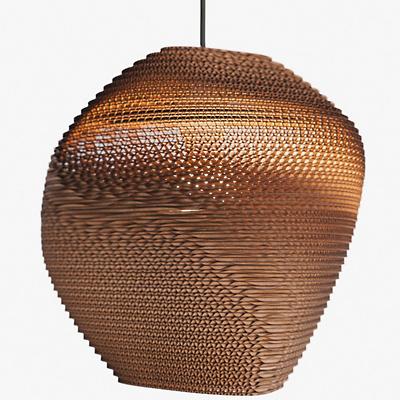
creates sculptural pendants from recycled cardboard.
LZF
uses sustainably harvested wood veneer.
Umage
designs flat-pack fixtures reducing shipping emissions.
Coordinating Brown Pendants with Hardware & Finishes
Brown fixtures pair beautifully with warm metallics—aged brass, copper, and oil-rubbed bronze cabinet pulls create cohesive palettes. For contrast, combine brown pendants with matte black faucets and light wood cabinetry. Mixed metal approaches work well: brown glass pendants with brushed nickel hardware balanced by brass accents elsewhere.
Color Coordination:
-
Walnut pendants complement cherry or mahogany furniture
-
Lighter brown tones suit whitewashed oak and maple
-
Terracotta and rust shades enhance Southwestern or Mediterranean schemes
-
Chocolate brown grounds contemporary white and gray interiors
Consider your existing wall sconces, flush mount ceiling lights, and table lamps when selecting pendant finishes to maintain visual harmony throughout your space.
Discover Your Perfect Brown Pendant Lighting
Brown pendant lighting offers unmatched versatility for creating warm, inviting interiors across design styles—from sleek minimalist kitchens to cozy farmhouse dining rooms. Our extensive collection features over 800 options in materials ranging from hand-turned wood and artisan-blown glass to sustainable natural fibers and architectural concrete. Whether you need damp-rated bathroom fixtures, Energy Star certified LEDs, or designer statement pieces from Foscarini, Muuto, and Visual Comfort, you'll find expertly curated brown pendants that balance form, function, and lasting quality.
See the full pendant lighting collection for thoughtfully crafted fixtures that elevate any space.
Pendant LightingFrequently Asked Questions
Are pendant lights in style?
Yes, pendant lights remain a stylish and versatile lighting option. Modern designs, such as minimalist metal pendants, glass globes, and geometric shapes, are particularly popular. They are widely used in kitchens, dining rooms, and entryways to add both functionality and aesthetic appeal.
Expert Tip: To keep your space on-trend, opt for pendant lights with integrated LED technology or customizable features like adjustable heights and dimmable settings.
How to choose a hanging light?
When choosing a hanging light, consider the size of the space, the fixture's purpose, and your decor style. For example, in a kitchen, select a pendant that provides focused task lighting over an island, while in a dining room, choose a statement piece that complements the table's size and shape.
Expert Tip: Use the "3:1 rule" for pendant sizing—divide the room's height by 3 to determine the ideal fixture height. For example, a 9-foot ceiling would suit a pendant around 3 feet tall.
What is the difference between a chandelier and a hanging light?
A chandelier is a type of hanging light that typically features multiple arms or branches with several light sources, often used for decorative purposes. A pendant light, on the other hand, is a single light fixture suspended from the ceiling, usually providing focused or task lighting.
Expert Tip: For a cohesive look, pair a chandelier with matching pendant lights in adjacent spaces, such as a dining room and kitchen.
Can you change the shades on pendant lights?
Yes, many pendant lights allow you to change the shades, offering flexibility to update the look of your fixture. However, this depends on the design—some pendants have fixed shades, while others are modular.
Expert Tip: If you enjoy refreshing your decor, look for pendant lights with interchangeable shades or universal fittings that accommodate a variety of styles.
What are the different types of pendant lights?
The main types of pendant lights include mini pendants, multi-light pendants, drum pendants, and globe pendants. Each type serves different purposes, from task lighting over kitchen islands to decorative accents in living areas.
Expert Tip: Multi-light pendants are ideal for larger spaces, as they provide even illumination and can be adjusted to suit the layout of the room.
How do I know what size pendant light I need?
To determine the right size for a pendant light, consider the room's dimensions and the fixture's purpose. For example, over a kitchen island, the pendant should be 1/2 to 2/3 the width of the island. In dining rooms, the fixture should be 12 inches narrower than the table on each side.
Expert Tip: For a balanced look, hang multiple smaller pendants in a row over long surfaces, spacing them evenly and ensuring they align with the room's proportions.
What colors do pendant lights come in?
Pendant lights come in a wide range of colors, from neutral tones like black, white, and bronze to bold hues like red, blue, and gold. The finish and color should complement your existing decor and create the desired ambiance.
Expert Tip: Matte finishes are great for modern, understated looks, while metallic finishes like brass or copper add a touch of luxury and warmth.
What is the correct height for pendant lights to hang?
The ideal height for pendant lights depends on their location. Over a kitchen island or dining table, hang the fixture 30-36 inches above the surface. In entryways or living rooms, ensure the bottom of the pendant is at least 7 feet above the floor to avoid obstructing movement.
Expert Tip: Use adjustable pendant lights to fine-tune the height after installation, ensuring the perfect balance of functionality and aesthetics.
What are the different shapes of pendant lights?
Pendant lights come in various shapes, including drum, globe, cone, cylinder, and geometric designs. The shape you choose should align with the room's style—for example, globe pendants suit modern spaces, while drum shades work well in traditional settings.
Expert Tip: Mix and match shapes in a multi-pendant setup for a dynamic, eclectic look that adds visual interest to your space.
What is a good wattage for a pendant light?
A good wattage for a pendant light depends on its purpose. For task lighting, aim for 75-100 watts (or equivalent lumens for LEDs). For ambient lighting, 40-60 watts is usually sufficient.
Expert Tip: If using LED bulbs, remember that they consume less wattage while providing the same brightness as incandescent bulbs. For example, a 10-watt LED can replace a 60-watt incandescent.
How do you put a dimmer on a pendant light?
To add a dimmer to a pendant light, you'll need a compatible dimmer switch and, in some cases, dimmable bulbs. Turn off the power, replace the existing switch with the dimmer, and connect the wires according to the manufacturer's instructions.
Expert Tip: Ensure your pendant light fixture and bulbs are dimmable before installing a dimmer switch. Non-dimmable LEDs or fixtures may flicker or fail to work properly with a dimmer.
