Modern Wood Modern Dining Room Benches
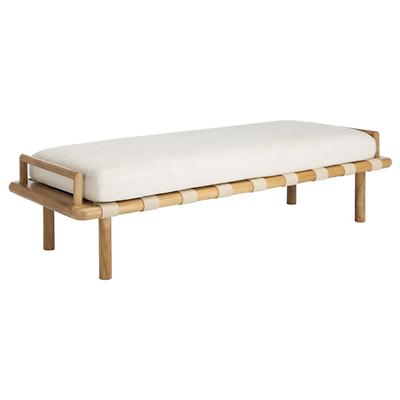


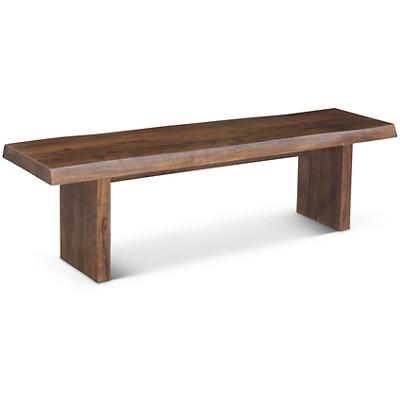
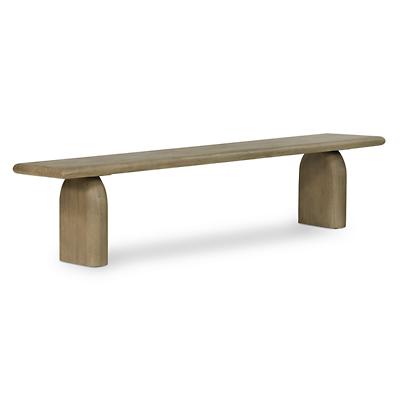
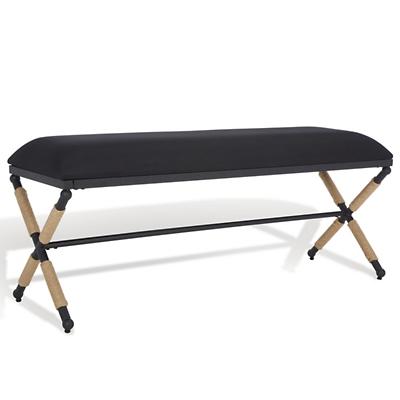
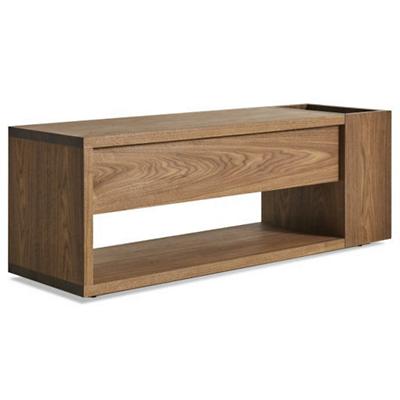
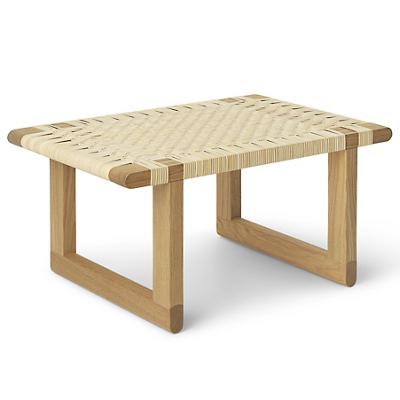

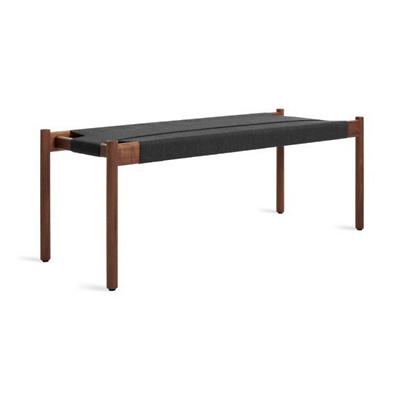

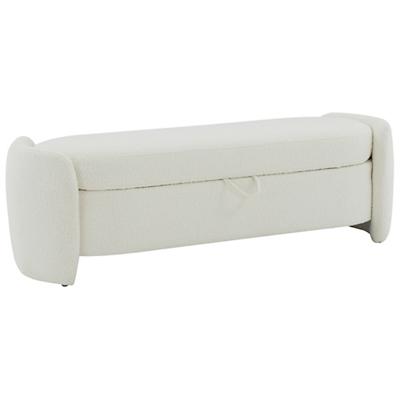

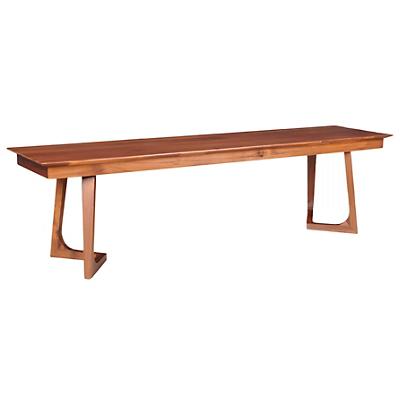


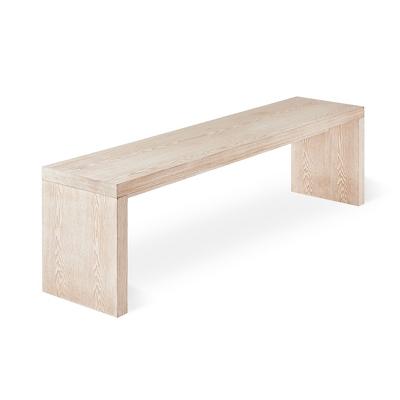


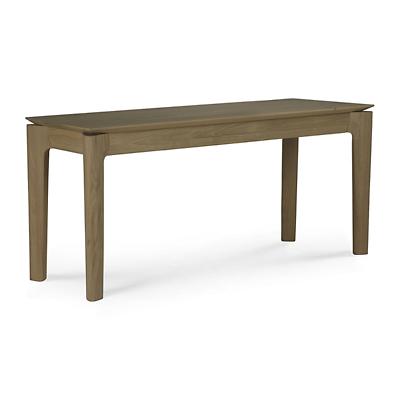


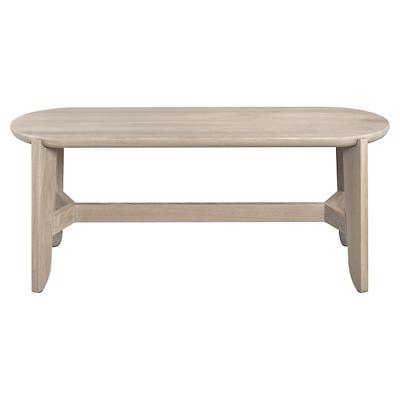


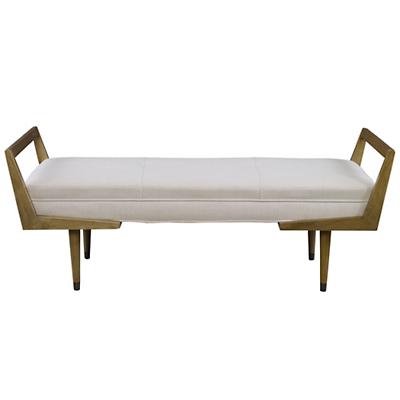

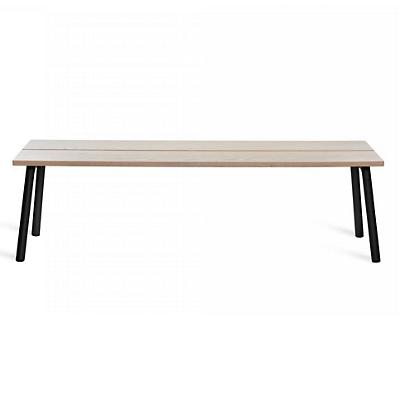

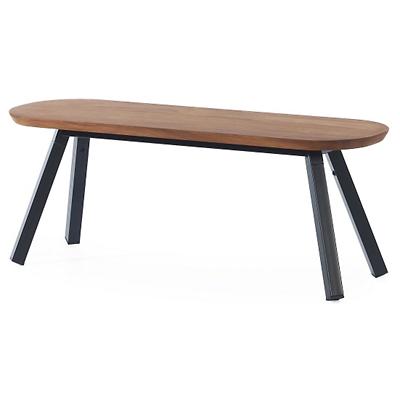
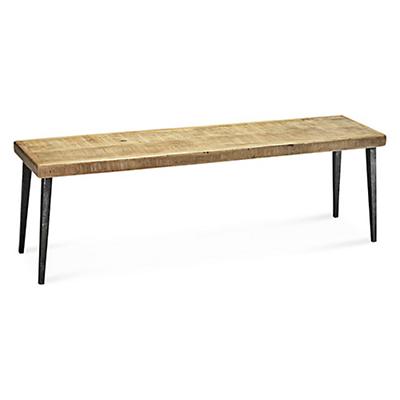





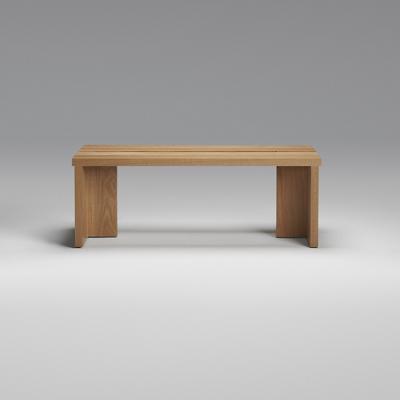
Dining Room Benches Explore
Why We Love Dining Room Benches
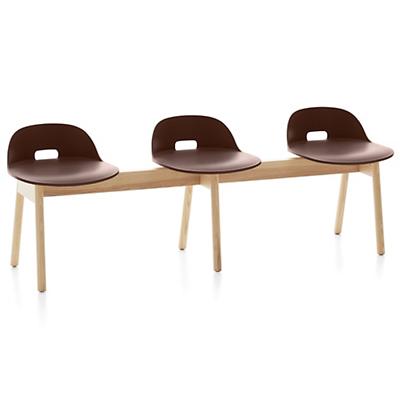
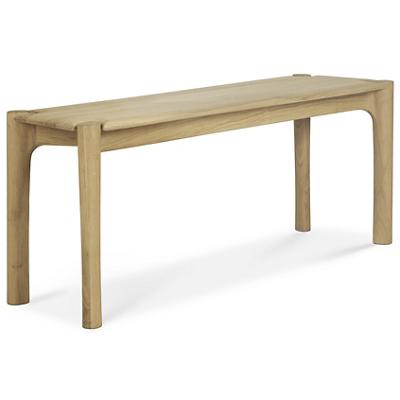
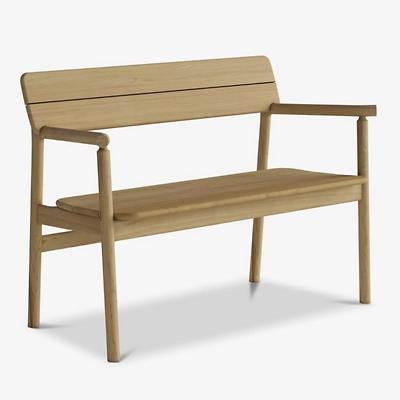
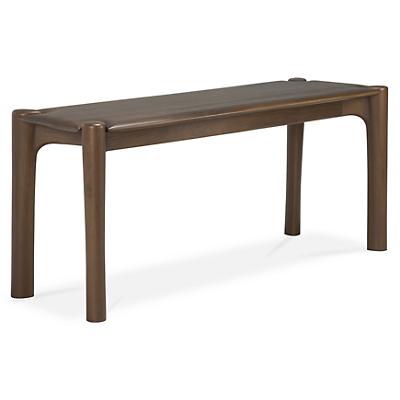
A bench in the dining room is an ideal choice as an extra place to sit or as an accenting piece of furniture that brings the room's decor full circle. Contemporary benches give dining rooms that one final decorating touch needed for formal dining parties that will never go unnoticed among your guests. Whether for function or fashion, dining room benches are a much-appreciated choice of seating for this space.
Often overlooked and underrated as an element of decoration, a modern bench gives you the unique ability to add a few more spots at the dining table, a place to toss your essentials, or a fixture in the room to occupy any empty space. Storage benches are especially welcomed in the dining room, allowing for a place to keep decorative items organized and stored until just the right occasion, while benches for dining room tables serve a fundamental purpose. From upholstered benches to clean-lined wood designs, you'll be sure to find just the right bench for your dining room here.
A Dining Room Bench for Every Style
As a versatile piece of furniture, a bench is easy to introduce into almost any dining room aesthetic. Traditionally decorated dining rooms will appreciate the wood benches from Blu Dot, including the weathered oak Branch Bench or the walnut Amicable Split Bench. These rustic wood benches provide eye-catching decoration when positioned in the corner of the room or consider placing them front and center at the dining table for functional use. Minimalist yet iconic design come together in Vitra's Wood Bench (available in walnut, natural oak or smoked oak) and look to a bench from Gus Modern to fit a retro-inspired theme. Finally, browse the collection from Copeland Furniture for an upholstered bench you'll love for comfort and style.
Choosing the Best Dining Room Benches
As with any piece of contemporary furniture you introduce into your home, you'll want to begin your search for a bench by identifying the right size. Be cognizant of important sizing dimensions like height, width and depth while measuring your space to figure out what size bench will work best. With a size in mind, you'll need to decide if you prefer a flat-top bench, an upholstered bench, or one that offers storage. Lastly, choose colors or wood finishes that will most appropriately accommodate your existing dining room decorations. If you have any questions about the dining room bench seating featured here, please call our furniture experts at 877.445.4486.
Other Considerations
Dining room chairs and benches are just one component of the room's overall decor. You may also want to introduce new lighting in the space to really capture your dinner guests' attention. There's nothing quite like a modern crystal chandelier hanging overhead at a formal dinner party. Dress up your walls with sconces and look to a table lamp to elegantly sit atop your buffet table or sideboard. And if you haven't done so already, check out the collection of modern dining tables to serve as the focal point of the room.
Dining Room BenchesFrequently Asked Questions
Why is a bench called a bench?
A bench derives its name from the Old English word "benc," which simply means "long seat." Historically, a bench referred to any elongated seating surface designed to accommodate several people at once.
Expert Tip: The simplicity of the bench—a shared seat without divisions—reflects its democratic origins. In medieval halls, benches were the common seating, while chairs denoted status. Today, this communal spirit makes benches ideal for fostering connection in dining and gathering spaces.
What is the benefit of dining bench?
A dining bench maximizes seating space around your dining table, accommodating more guests compared to individual chairs. Benches also create a casual, welcoming atmosphere and can easily tuck beneath tables when not in use, saving space.
Expert Tip: Benches allow for flexible seating density—they can comfortably fit 2-3 people in the space of 2 chairs. For tight spaces, choose a bench with a backrest that’s slightly lower than your dining chairs (around 30-32") to maintain visual harmony while maximizing seating.
What is upholstered seating?
Upholstered benches or seating features cushioned padding covered with fabric, leather, or synthetic materials. Upholstery enhances comfort, aesthetic appeal, and adds texture and warmth to any room.
Expert Tip: High-performance upholstery fabrics resist stains and fading, making them ideal for bench cushions. For a luxe touch, opt for deep-seat benches (20"+ depth) with down-wrapped foam cushions—they offer sofa-like comfort while maintaining a tailored look.
What can I use for an outdoor bench?
Materials suitable for an outdoor bench include weather-resistant woods like teak, cedar, or acacia, as well as metal, resin, or concrete, all known for durability and resilience against the elements.
Expert Tip: Beyond teak, consider thermally modified wood (like Thermory ash)—it’s nearly as durable as tropical hardwoods but more sustainable. For coastal areas, powder-coated aluminum withstands salt air better than steel.
What is the best outdoor bench color?
Neutral shades like natural wood tones, gray, black, or white are popular and versatile choices for outdoor benches. These colors blend seamlessly into various outdoor decors and styles.
Expert Tip: Light gray or taupe hides pollen and dust better than white, while dark espresso tones conceal scuff marks. For wood, a translucent stain (rather than solid) allows the grain to weather beautifully over time.
What is the standard size of a patio bench?
A standard patio bench generally measures around 42–60 inches in length, about 18–20 inches in height, and approximately 15–20 inches in depth. This size comfortably seats two to three people.
Expert Tip: Allow 24" of length per person for comfortable seating. For dining benches, match the height to your table’s apron—typically 17-19" for standard tables, 24-26" for counter-height.
How do you finish a wooden outdoor bench?
To finish a wood bench outdoors, sand it thoroughly, then apply an exterior-grade sealant or finish designed specifically for outdoor use, such as polyurethane, oil, or a weather-resistant stain to protect it from moisture and sunlight.
Expert Tip: Oil-based finishes (like teak oil) penetrate deeper than film-forming polyurethanes, making them better for curved or carved benches. Always finish the underside—this prevents uneven moisture absorption that causes warping.
How do you weatherproof an outdoor wooden bench?
Weatherproof your wood bench by applying a waterproof wood sealant or outdoor-grade varnish regularly. Ensuring proper drainage and minimal direct ground contact can also greatly prolong the life of your bench.
Expert Tip: Elevate the bench 1" off the ground with stainless steel or composite feet. This small gap prevents moisture wicking and doubles the lifespan of even the most weather-resistant woods.
What is the standard height of an outdoor bench?
The standard seating height for an outdoor bench is typically 18–20 inches from the ground, which accommodates most adults comfortably.
Expert Tip: The ideal height creates a 90-degree knee bend when seated. For taller individuals, consider 20" heights—just ensure the bench remains stable by widening the base accordingly.
How do you maintain an outdoor bench?
Maintain your outdoor bench by regularly cleaning with mild soap and water, inspecting for signs of wear or damage, and periodically reapplying protective finishes such as sealants, oils, or paints to safeguard against weather exposure.
Expert Tip: Twice-yearly maintenance is key: in spring, clean with oxalic acid (removes gray weathering); in fall, apply a fresh sealant. For teak, skip the oil—it attracts dirt. Let it silver naturally for low-maintenance beauty.
What wood is best for a wooden bench?
Teak is often considered the ideal wood for a wooden bench because of its high oil content, exceptional durability, weather resistance, and attractive grain.
Expert Tip: For benches that age gracefully, choose tight-grained woods like white oak or teak—their interlocking fibers resist splintering. In humid climates, thermally modified woods (like Thermory ash) offer rot resistance without chemical treatments, developing a rich patina over time.
How hard is it to make a wooden bench?
Building a basic wooden bench can be a straightforward DIY project for someone with moderate carpentry skills. However, complexity increases based on the design, type of joinery, and finishing details you choose.
Expert Tip: The beauty of a well-crafted bench lies in thoughtful construction details that balance form and function. Our collection showcases time-honored joinery techniques and careful material selection to ensure both durability and lasting aesthetic appeal.