Cone Modern Pendant Lighting & Hanging Lights


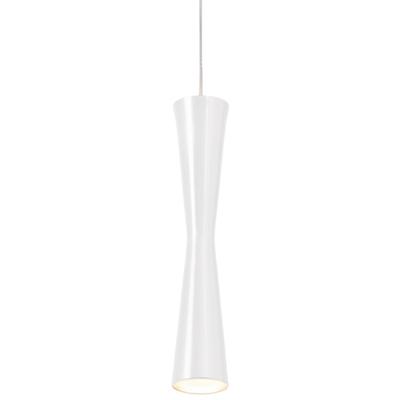
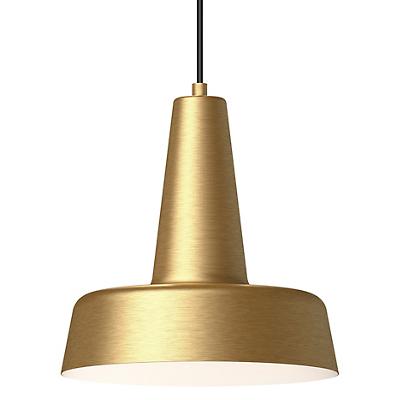
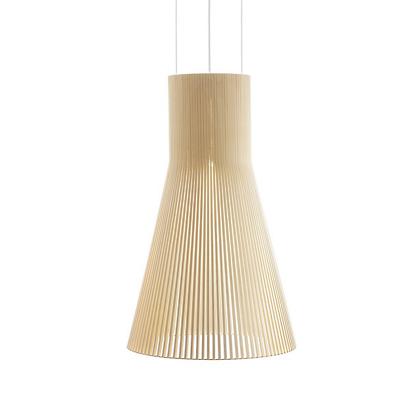
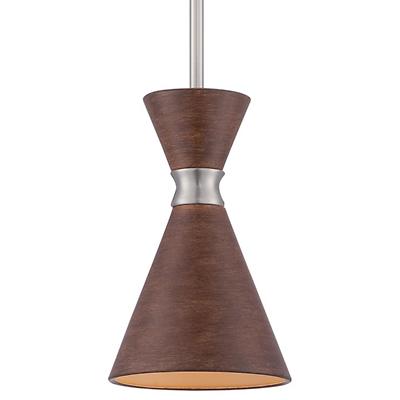
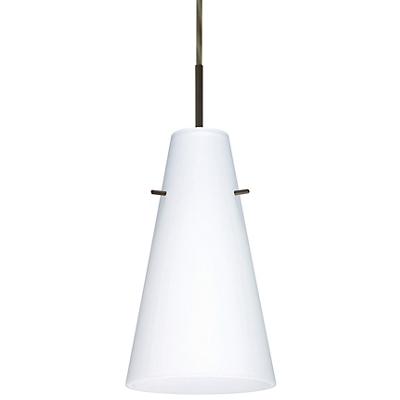
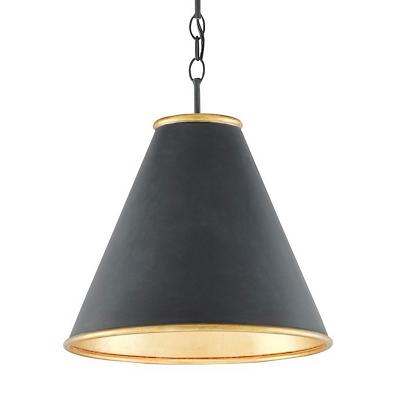
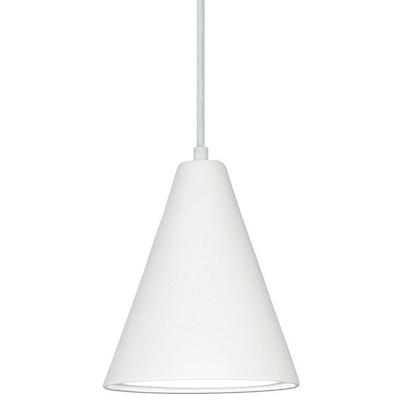
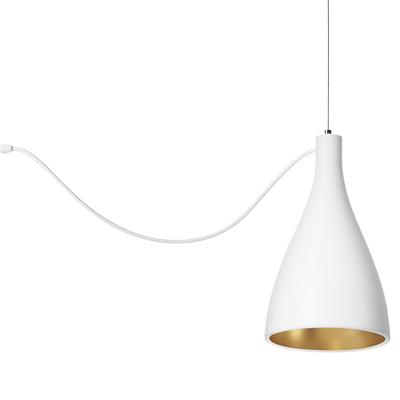


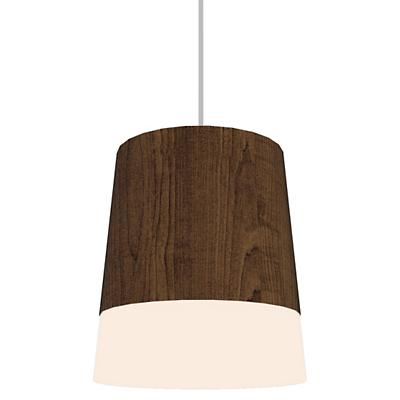
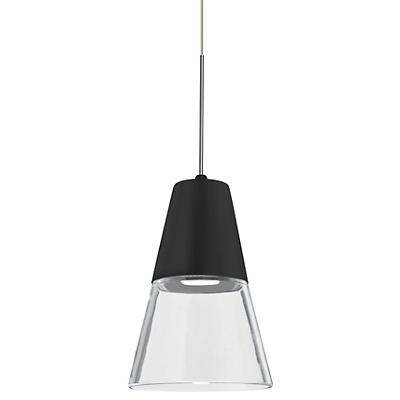


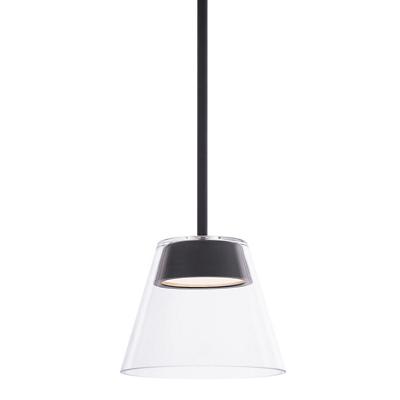
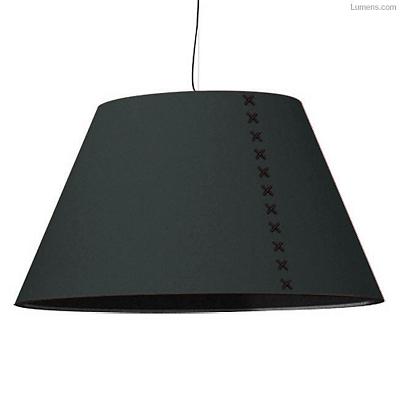

Pendant Lighting Explore
Modern Cone Pendant Lighting: Timeless Shapes for Every Space
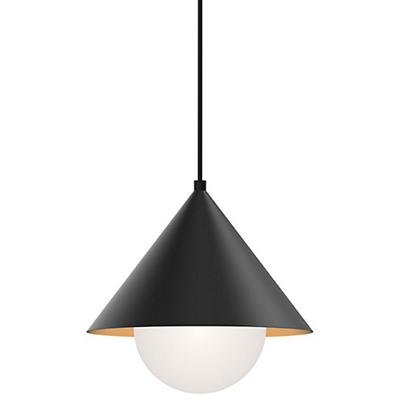
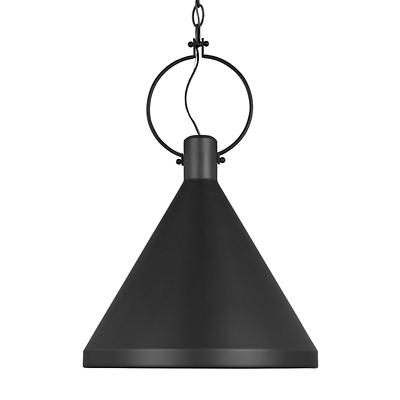
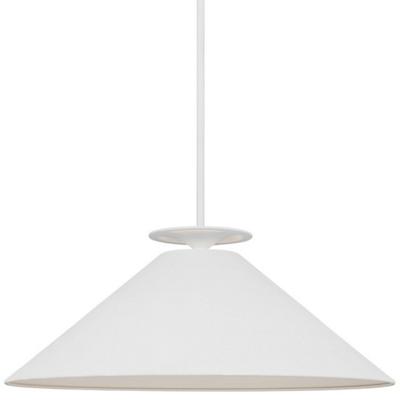
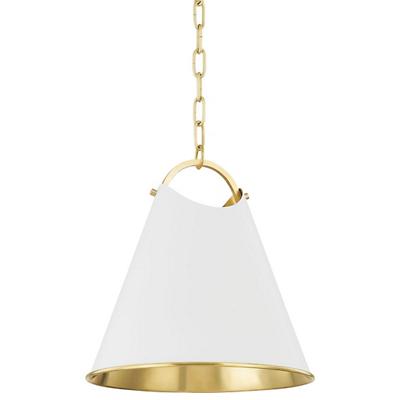
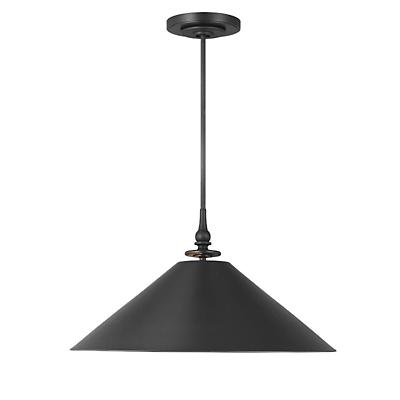
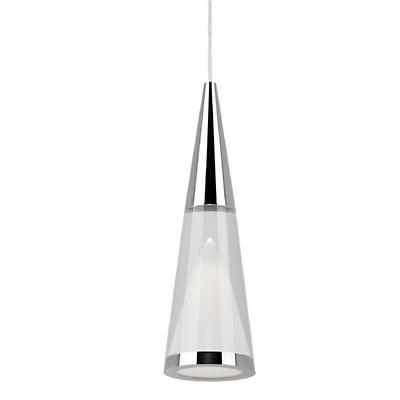
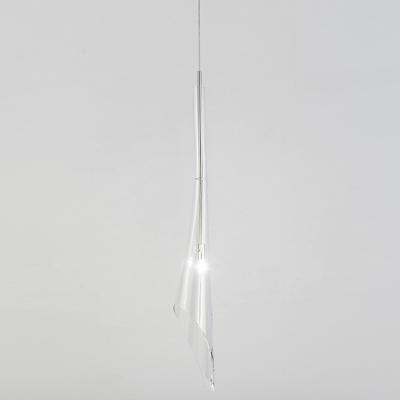
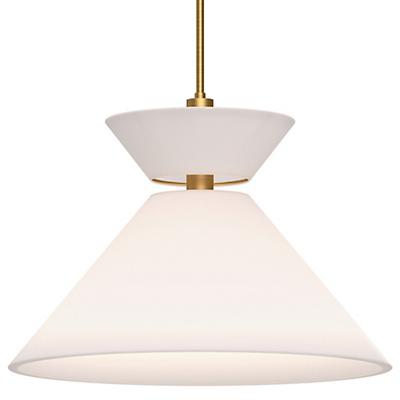
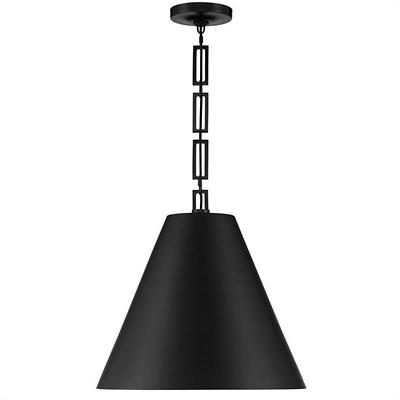
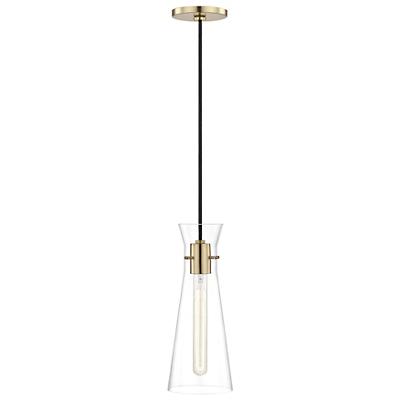
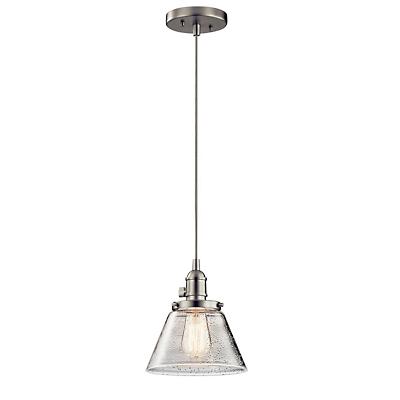
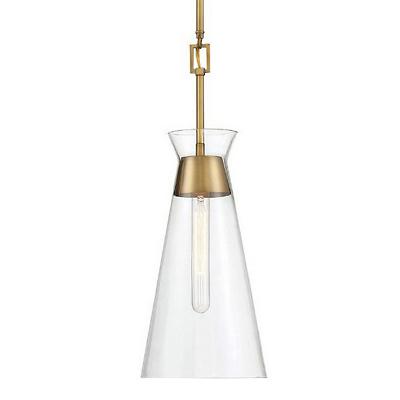
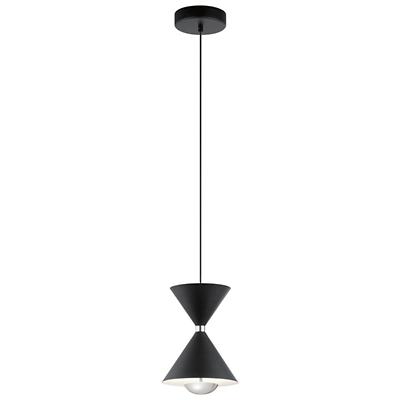
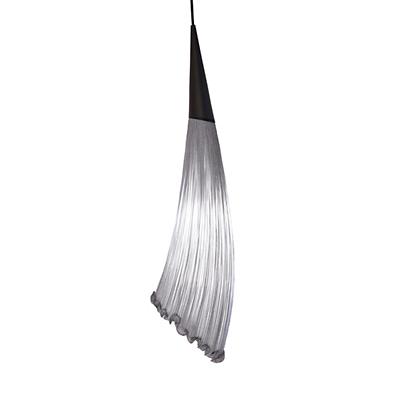
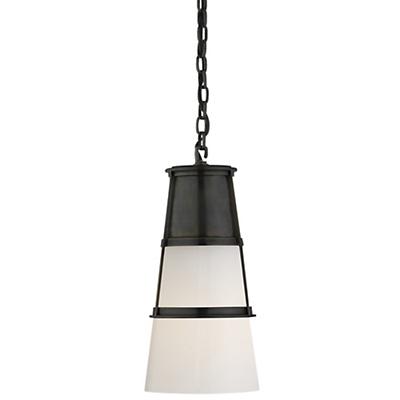
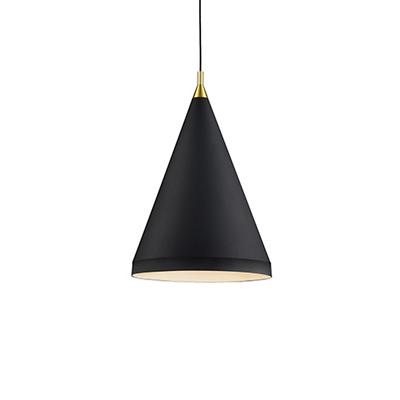
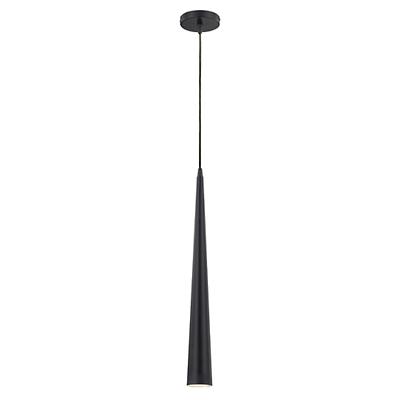
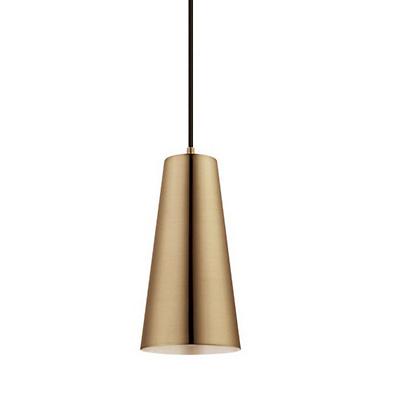
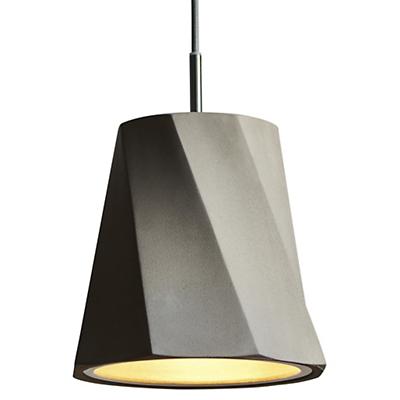
Cone pendant lighting brings sculptural elegance and focused illumination to kitchens, dining rooms, and entryways. The clean, tapered silhouette creates visual interest while directing light precisely where you need it—making cone pendants equally effective as task lighting over islands or ambient fixtures in living spaces. Explore everything from sleek mini cone pendants to dramatic large-scale designs, including iconic pieces from Visual Comfort Signature, Hudson Valley Lighting, and GUBI alongside exclusive Alder & Ore designs. Whether you prefer matte black minimalism, warm brass finishes, or artisanal plaster textures, cone pendants can elevate a modern home.
Understanding Cone Pendant Lighting Design
Cone pendant lights feature a funnel-like profile that widens toward the shade opening. This geometry focuses light downward while minimizing glare—ideal for task-oriented spaces. The Goodman Pendant by Visual Comfort Signature embodies the form with clean lines and versatile sizing, while the Semi Pendant by GUBI offers an iconic mid-century interpretation. Cone shapes excel over kitchen islands because their directional light brightens work surfaces without overwhelming the room. Typical diameters range from about 7–24 inches, with many designs supporting sloped ceilings and dimmable LED integration.
Style Variations: From Industrial to Refined Modern
Contemporary Minimalist
Powder-coated finishes and crisp geometry define the look—see Painted No. 2 Cone Pendant from Hudson Valley Lighting in modern hues like Blue Bird, Darkest Blue, and Soft Studio Green.
Warm Transitional
Brass and bronze finishes balance contemporary lines with classic warmth—the Xavier Pendant by Alder & Ore (Burnished Brass, Matte Black, Matte White) plays well with both stainless appliances and warm hardware.
Artisanal Modern
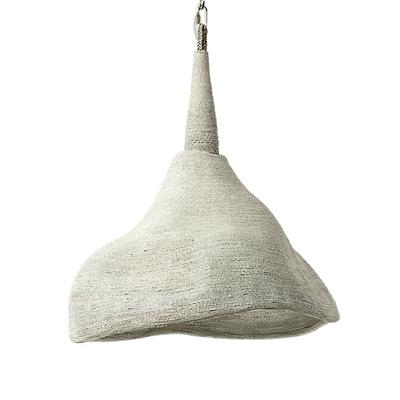
Hand-finished plaster brings texture and organic presence—see the Grazia Pendant by Four Hands.
Scandinavian Elegance
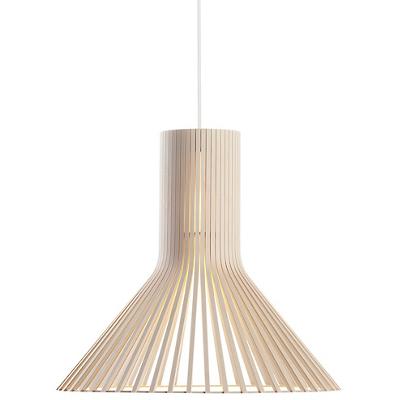
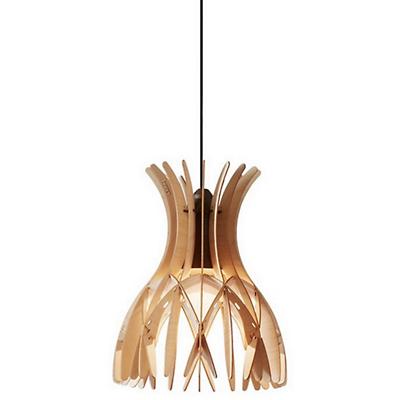
Natural wood cones like Secto 4200 and Secto 4201 use FSC-certified birch and walnut for eco-friendly impact.
Materials & Finishes That Define Your Space
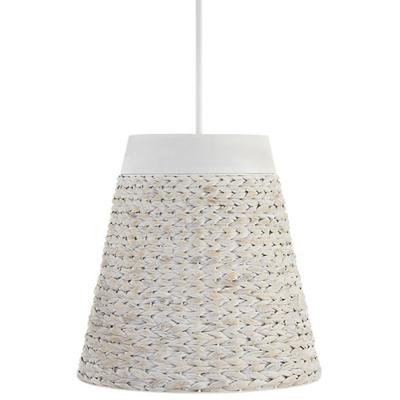
Metal finishes like aged or burnished brass add warmth; matte black and bronze create bold contrast in bright rooms; polished nickel and chrome feel crisp and contemporary. Clear glass maximizes output and showcases decorative bulbs; opal and milk glass soften glare for eye-level installs; seeded or water glass adds subtle texture. Natural materials (rattan, jute, wood) bring organic warmth—see the Swell Pendant by Pablo Designs for mixed-metal sophistication. Specialty finishes such as textured plaster or concrete deliver artisanal character with easy-clean surfaces.
Size & Scale: Choosing Diameter and Configuration
Single Large Pendants (approx. 18–24")
Great for centered placement over round dining tables or as an entryway focal point—try the Cortes Pendant in satin brass or midnight black.
Medium Pendants (approx. 12–16")
The most versatile for kitchen islands. For a 6-foot island, use two pendants around 14–16" spaced 24–30" apart—see the Serena Pendant for a refined profile.
Mini Pendants (approx. 7–12")
Ideal for clusters or compact spaces. Group three similarly sized cones to create balanced task lighting.
Multi-Light Clusters
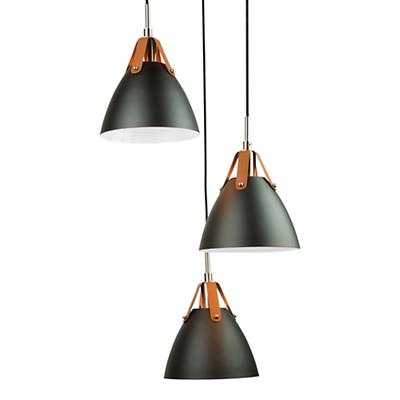
A single canopy simplifies installation while delivering layered illumination—see the Lydia 3 Light Pendant.
Quick rule of thumb: aim for each pendant’s width to be roughly one-third to one-half of your island or table width for balanced proportion.
Placement & Installation
• Kitchen islands: Hang 30–36 inches above the countertop. For seating areas, consider 36–40 inches to clear sightlines.
• Dining tables: Position about 30–34 inches above the surface; the bottom of the shade should sit near standing eye level.
• Sloped ceilings: Many cones include adapters—verify before purchasing. The Robinson Pendant supports angled installs.
• Dimming: Match fixtures with compatible dimmers. Integrated-LED designs often include drivers; socket-based fixtures need dimmable bulbs plus an appropriate wall control.
• Damp areas: For bathrooms or covered outdoor spaces, choose UL/ETL Damp rated fixtures—e.g., the Clivedon Pendant.
Common Questions
Do white interiors vs. brass interiors change light quality? White interiors reflect more light for brighter task performance; brass or gold interiors warm and soften the output for ambient use.
What lumen output should I target? For kitchen tasks, aim around 800–1,100 lumens per pendant. Dining areas are comfortable closer to 400–600 lumens. Color temperature in the 2700K–3000K range keeps things warm and inviting.
Can I use cone pendants in bathrooms? Yes—choose Damp or Wet rated fixtures. Glass and metal cones are easiest to maintain in humidity.
Are there eco-friendly options? Look for FSC-certified woods, recycled materials, or responsible manufacturing. The Dancing Pendant by Audo Copenhagen highlights sustainable design principles.
What finishes pair with stainless appliances and brass hardware? Mixed-metal designs like the Piper Medium Pendant (satin brass with black accents) bridge both; or commit to warm brass for cohesion, or matte black for contrast.
Illuminate Your Space with Cone Pendants
Cone pendant lighting delivers versatile, focused illumination in a sculptural, enduring form. From the iconic Semi Pendant to exclusive Alder & Ore designs and artisanal plaster pieces, there’s a solution for every aesthetic, technical requirement, and budget. Whether you’re lighting a kitchen island with coordinated pendants or making a dining room statement with a single large-scale fixture, explore the full pendant lighting collection to find thoughtfully crafted designs that elevate any space.
See the full pendant lighting collection for thoughtfully crafted fixtures that elevate any space.
Pendant LightingFrequently Asked Questions
Are pendant lights in style?
Yes, pendant lights remain a stylish and versatile lighting option. Modern designs, such as minimalist metal pendants, glass globes, and geometric shapes, are particularly popular. They are widely used in kitchens, dining rooms, and entryways to add both functionality and aesthetic appeal.
Expert Tip: To keep your space on-trend, opt for pendant lights with integrated LED technology or customizable features like adjustable heights and dimmable settings.
How to choose a hanging light?
When choosing a hanging light, consider the size of the space, the fixture's purpose, and your decor style. For example, in a kitchen, select a pendant that provides focused task lighting over an island, while in a dining room, choose a statement piece that complements the table's size and shape.
Expert Tip: Use the "3:1 rule" for pendant sizing—divide the room's height by 3 to determine the ideal fixture height. For example, a 9-foot ceiling would suit a pendant around 3 feet tall.
What is the difference between a chandelier and a hanging light?
A chandelier is a type of hanging light that typically features multiple arms or branches with several light sources, often used for decorative purposes. A pendant light, on the other hand, is a single light fixture suspended from the ceiling, usually providing focused or task lighting.
Expert Tip: For a cohesive look, pair a chandelier with matching pendant lights in adjacent spaces, such as a dining room and kitchen.
Can you change the shades on pendant lights?
Yes, many pendant lights allow you to change the shades, offering flexibility to update the look of your fixture. However, this depends on the design—some pendants have fixed shades, while others are modular.
Expert Tip: If you enjoy refreshing your decor, look for pendant lights with interchangeable shades or universal fittings that accommodate a variety of styles.
What are the different types of pendant lights?
The main types of pendant lights include mini pendants, multi-light pendants, drum pendants, and globe pendants. Each type serves different purposes, from task lighting over kitchen islands to decorative accents in living areas.
Expert Tip: Multi-light pendants are ideal for larger spaces, as they provide even illumination and can be adjusted to suit the layout of the room.
How do I know what size pendant light I need?
To determine the right size for a pendant light, consider the room's dimensions and the fixture's purpose. For example, over a kitchen island, the pendant should be 1/2 to 2/3 the width of the island. In dining rooms, the fixture should be 12 inches narrower than the table on each side.
Expert Tip: For a balanced look, hang multiple smaller pendants in a row over long surfaces, spacing them evenly and ensuring they align with the room's proportions.
What colors do pendant lights come in?
Pendant lights come in a wide range of colors, from neutral tones like black, white, and bronze to bold hues like red, blue, and gold. The finish and color should complement your existing decor and create the desired ambiance.
Expert Tip: Matte finishes are great for modern, understated looks, while metallic finishes like brass or copper add a touch of luxury and warmth.
What is the correct height for pendant lights to hang?
The ideal height for pendant lights depends on their location. Over a kitchen island or dining table, hang the fixture 30-36 inches above the surface. In entryways or living rooms, ensure the bottom of the pendant is at least 7 feet above the floor to avoid obstructing movement.
Expert Tip: Use adjustable pendant lights to fine-tune the height after installation, ensuring the perfect balance of functionality and aesthetics.
What are the different shapes of pendant lights?
Pendant lights come in various shapes, including drum, globe, cone, cylinder, and geometric designs. The shape you choose should align with the room's style—for example, globe pendants suit modern spaces, while drum shades work well in traditional settings.
Expert Tip: Mix and match shapes in a multi-pendant setup for a dynamic, eclectic look that adds visual interest to your space.
What is a good wattage for a pendant light?
A good wattage for a pendant light depends on its purpose. For task lighting, aim for 75-100 watts (or equivalent lumens for LEDs). For ambient lighting, 40-60 watts is usually sufficient.
Expert Tip: If using LED bulbs, remember that they consume less wattage while providing the same brightness as incandescent bulbs. For example, a 10-watt LED can replace a 60-watt incandescent.
How do you put a dimmer on a pendant light?
To add a dimmer to a pendant light, you'll need a compatible dimmer switch and, in some cases, dimmable bulbs. Turn off the power, replace the existing switch with the dimmer, and connect the wires according to the manufacturer's instructions.
Expert Tip: Ensure your pendant light fixture and bulbs are dimmable before installing a dimmer switch. Non-dimmable LEDs or fixtures may flicker or fail to work properly with a dimmer.
