Modern Dining Room Lighting



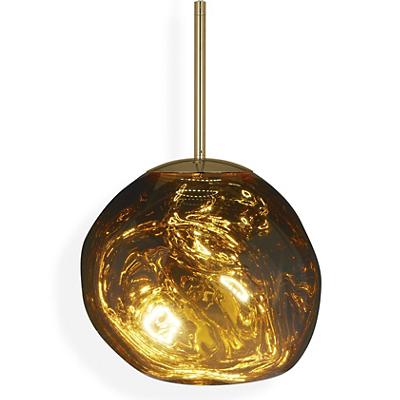

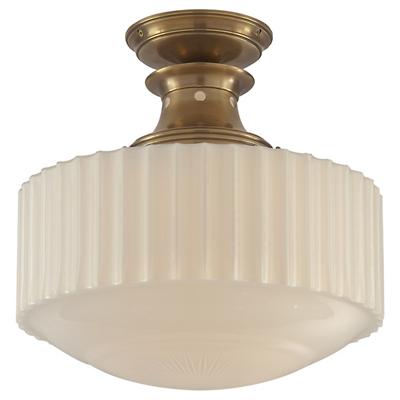


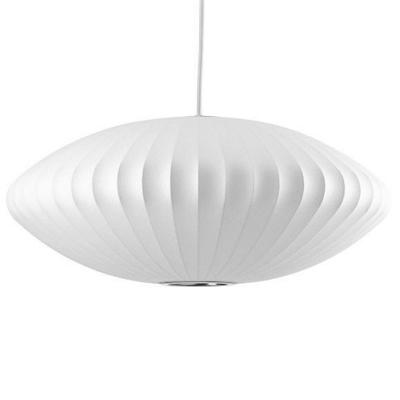
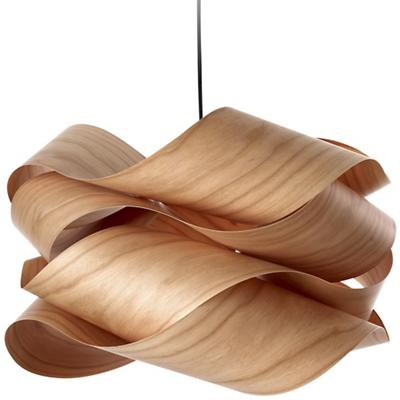
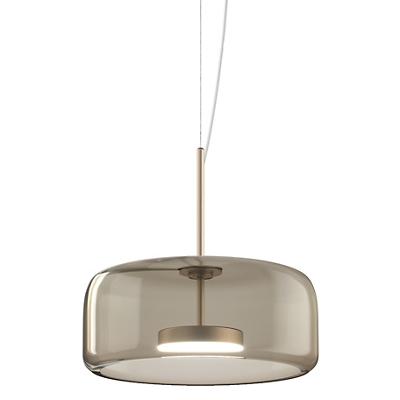


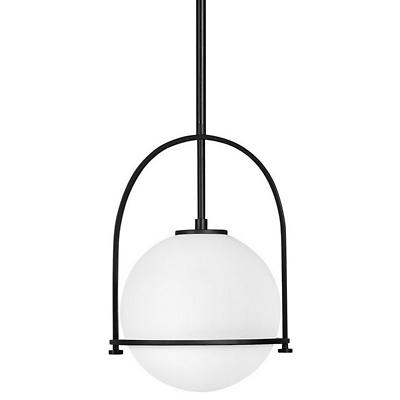
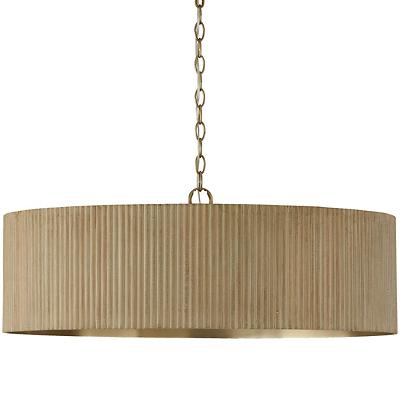
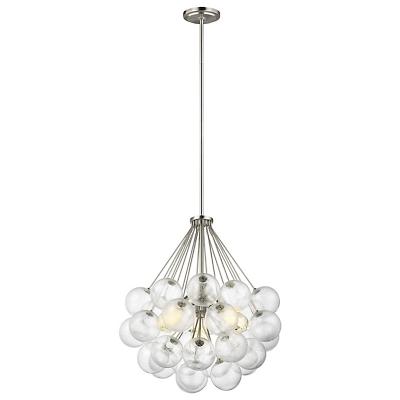







Dining Room Lighting Explore
Dining Room Lighting: The Designer’s Touch for Every Gathering
Dining Room Lighting Essentials
Whether the dining room is elegant and formal or cozy and friendly, modern dining room lighting fixtures complete the ambiance. As a central hub where friends and family gather, lighting sets the tone for every occasion. While linear suspension fixtures naturally complement rectangular tables and circular fixtures enhance square and round tables, contemporary lighting design embraces creative freedom.
Ceiling lights provide essential overhead illumination, while wall sconces and pendant lights create sophisticated layers of light. For comprehensive inspiration and technical guidance, explore our dining room lighting guide to transform your space.
Popular Styles of Dining Room Light Fixtures
Modern & Contemporary
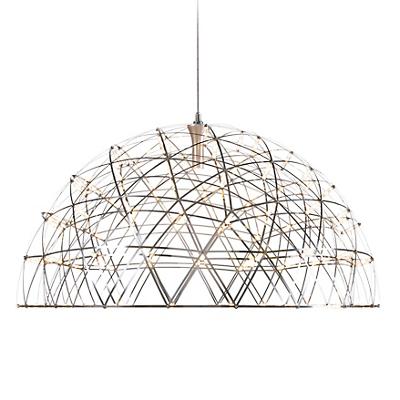
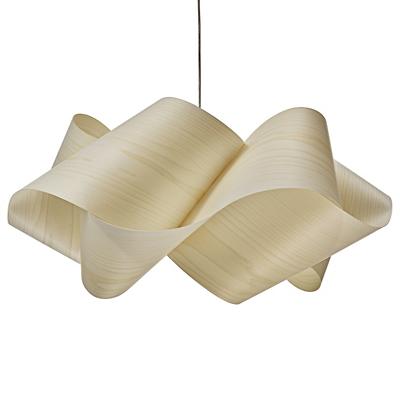
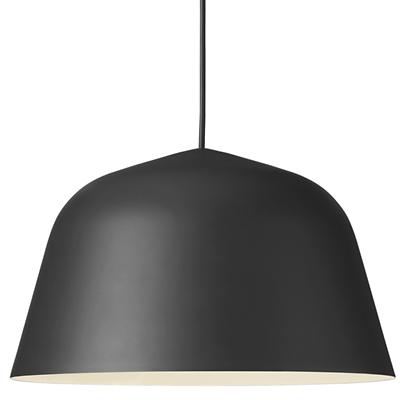
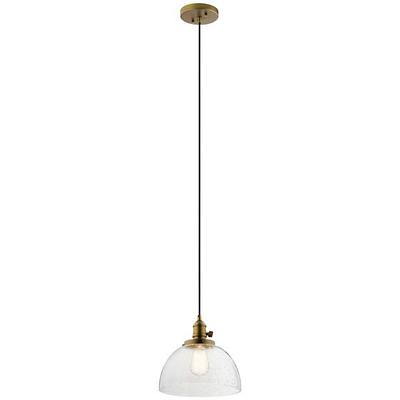
Clean lines, geometric shapes, and minimalist silhouettes define modern dining room lighting. Matte black linear suspensions, oversized dome pendants in brushed brass, and sculptural chandeliers with angular designs create striking focal points in open-concept spaces and sleek interiors.
Mid-Century Modern
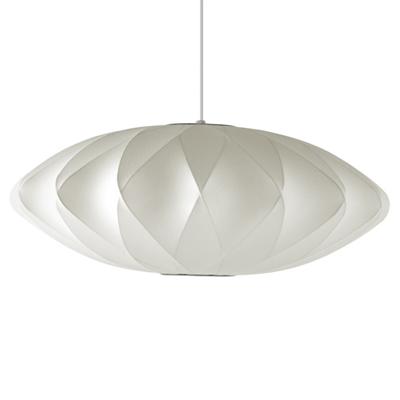
Warm woods, organic curves, and retro flair characterize this timeless style. Iconic sputnik chandeliers with radiating arms, tapered pendant lights in smoked glass, and oval chandeliers with woven accents infuse dining spaces with nostalgic warmth and personality.
Industrial
Raw textures, exposed bulbs, and utilitarian designs create an urban, loft-inspired aesthetic. Caged pendants with Edison bulbs, blackened steel chandeliers, and rope-hung fixtures with vintage details add rugged character to contemporary or rustic dining rooms.
Transitional
This versatile style blends classic elegance with contemporary sophistication. Tiered drum chandeliers, crystal-embellished pendants with modern silhouettes, and semi-flush mounts with subtle metallic finishes beautifully bridge traditional architecture and updated decor.
Dining Room Lighting Options
Chandeliers
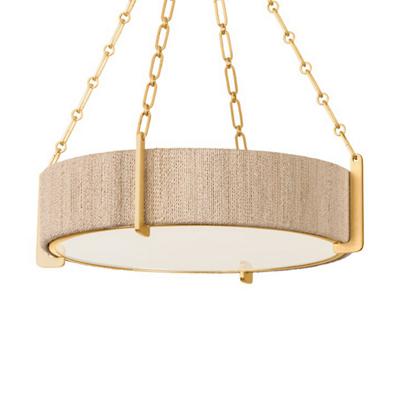
The quintessential centerpiece for formal dining rooms, chandeliers make a dramatic style statement. For ideal proportions, select a fixture approximately 12" narrower than your table width. Choices range from timeless crystal designs to modern sculptural pieces in brass, nickel, or matte finishes.
Wall Sconces
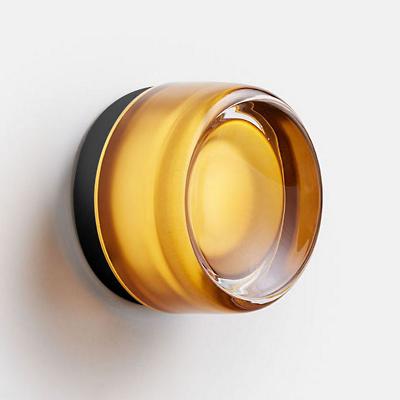
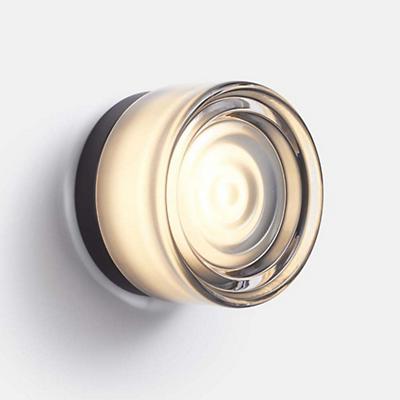
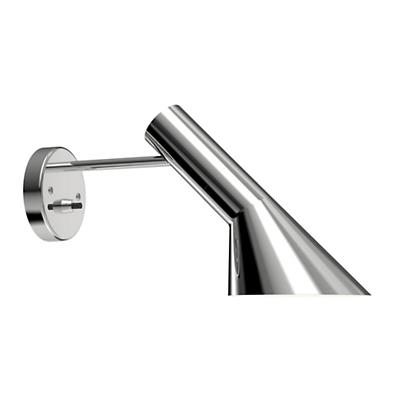
Perfect for layered lighting schemes, wall sconces add ambient glow without visual clutter. Install at 60-66" from the floor to artfully frame dining areas, highlight artwork, or accentuate architectural details with focused illumination.
Pendant Lighting
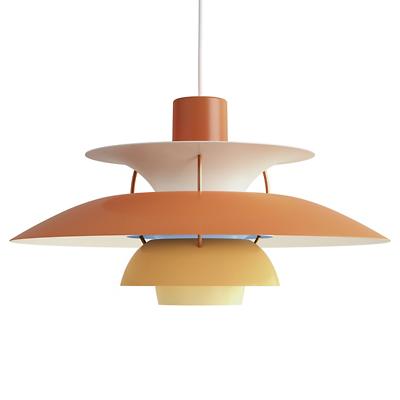
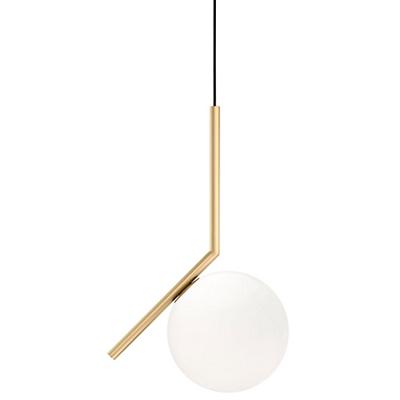
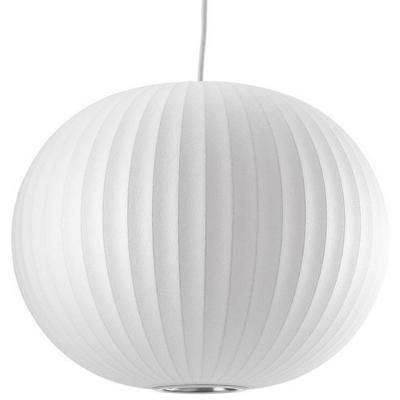
Exceptionally versatile, pendants work beautifully above dining tables, breakfast nooks, and kitchen islands. Hang single statement pieces or clusters 30-36" above the surface for optimal task lighting and visual impact. Mix metal finishes and shapes for eclectic charm.
Flush & Semi-Flush Mounts
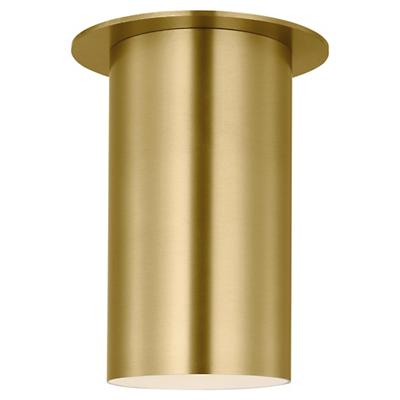
Ideal for spaces with low ceilings or casual dining areas, these space-saving fixtures deliver ample illumination. Choose diffused glass or fabric shades to create soft, inviting light that enhances intimate gatherings without overwhelming the space.
Linear Suspensions
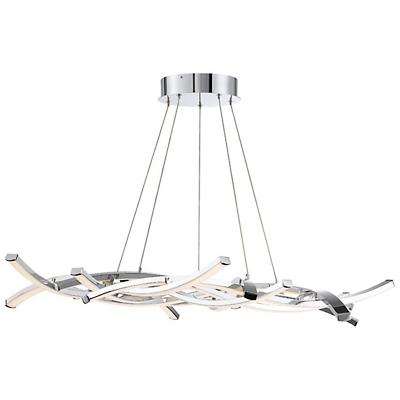
Designed for long tables and open-concept dining areas, linear suspensions provide even illumination along the table's length. For balanced lighting, select a fixture measuring approximately two-thirds of your table's length. Modern options include adjustable cable systems for customized configurations.
Lighting Considerations
When designing your dining room lighting scheme, remember these key factors:
• Dimmer Compatibility: Essential for creating adaptable ambiance
• Light Temperature: 2700K-3000K for warm, inviting glow
• Fixture Scale: Proportionate to both table and room dimensions
• Layering: Combine overhead, accent, and decorative lighting
• Reflective Surfaces: Consider how light interacts with tableware and finishes
With thoughtful selection and placement, dining room lighting becomes both functional illumination and a captivating design element that elevates every meal and gathering.
Dining Room LightingFrequently Asked Questions
How bright should a dining room light be?
A good rule of thumb is to provide about 30–40 lumens per square foot. This brightness ensures you have sufficient illumination for meals, conversations, and tasks like homework, all while maintaining an inviting ambiance. Dimmers also allow you to adjust the light level as needed.
Expert Tip: To calculate the ideal brightness for your dining room, multiply the room’s square footage by 30–40 lumens. For example, a 150-square-foot dining room would need 4,500–6,000 lumens. Use a dimmable fixture to adjust the light level for different occasions, from bright family dinners to intimate gatherings.
How do I choose a dining room table light?
Select a fixture that is at least 12 inches smaller in diameter than your dining table. This guideline maintains proportion and prevents the light from overpowering the space or obstructing table activities. Make sure to hang the fixture roughly 30–36 inches above the tabletop for optimal illumination.
Expert Tip: If your dining table is rectangular or oval, opt for a linear suspension light or a row of pendants that follows the table’s shape. This ensures even light distribution across the entire surface. For round tables, choose a round or drum-shaped chandelier to maintain symmetry.
Does my dining room need a chandelier?
Whether you need a chandelier depends on both your table’s size and the room’s overall layout. A chandelier can serve as a statement piece, anchoring the dining area and providing balanced lighting. However, if your dining space is more compact or has a modern aesthetic, consider alternative fixtures like sleek pendants or linear suspensions.
Expert Tip: If you’re unsure about a chandelier, consider a multi-light pendant or a cluster of smaller pendants. These alternatives provide the same focal point as a chandelier but are often more versatile and better suited to modern or smaller spaces.
How to light a dining room?
Focus on the relationship between the fixture and the dining table rather than the entire room’s footprint. In addition to a central overhead fixture, consider adding accent or ambient lighting—such as wall sconces or buffet lamps—to create layered illumination and a cozy, inviting atmosphere.
Expert Tip: For a layered lighting effect, pair your central fixture with wall sconces or buffet lamps on a sideboard. This not only adds depth to the room but also allows you to highlight artwork or architectural features. Use warm white bulbs (2700K–3000K) to create a cozy, inviting atmosphere.
What lights are in style?
Contemporary trends favor statement pieces like sculptural pendants, modern chandeliers with clean lines, and minimalist LED fixtures. Mixed materials—such as metal, glass, or natural fibers—add visual interest. Ultimately, choosing a style that complements your dining room’s décor ensures the fixture feels cohesive and fresh.
Expert Tip: For a timeless yet trendy look, choose fixtures with adjustable elements, such as swing-arm sconces or pendants with adjustable heights. These allow you to customize the lighting for different occasions and add a functional, modern touch to your dining room.