Pink Modern Pendant Lighting & Hanging Lights














Showing 30 of 234
Pendant Lighting Explore
Pink Pendant Lighting
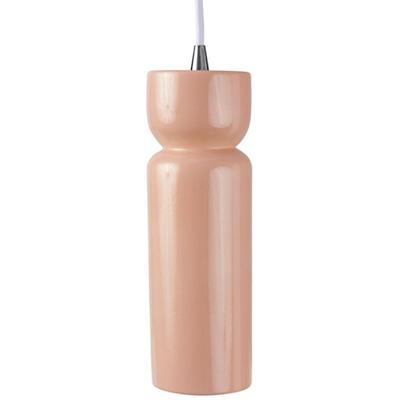
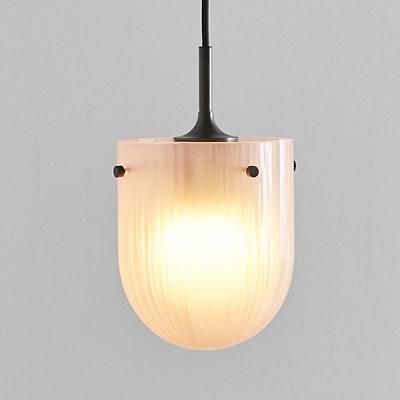
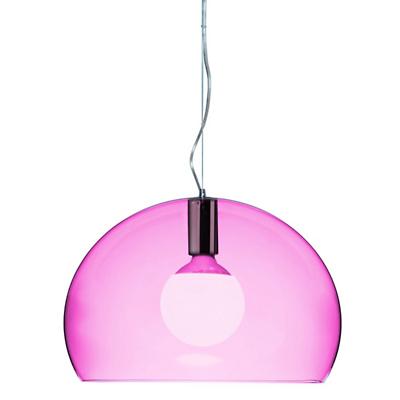
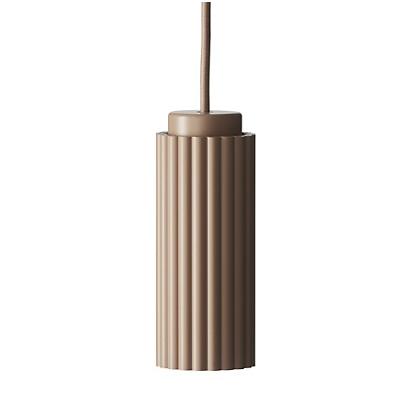
Pink pendant lighting transforms interiors with unexpected warmth and sophisticated charm. From soft blush tones that whisper elegance to vibrant rose hues that command attention, pink pendant lights offer designers and homeowners a refreshing alternative to neutral palettes. At Lumens, our curated selection spans iconic designs from Louis Poulsen, contemporary innovations from Muuto, and artisanal creations from LZF—each piece chosen for its ability to elevate modern spaces with color, craftsmanship, and purposeful illumination.
Understanding Pink Pendant Lighting Styles & Variations
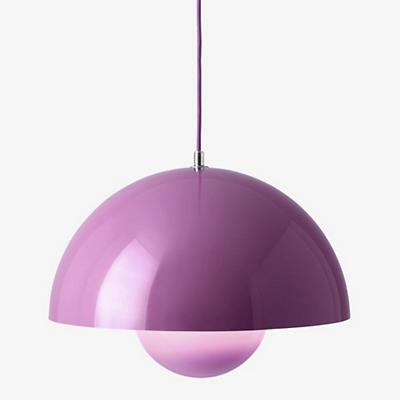
Pink pendant lighting encompasses a spectrum from barely-there blush to saturated coral, each shade creating distinct atmospheric effects. Pale rose finishes like those in the PH 5 Pendant Light deliver subtle sophistication in Scandinavian-inspired spaces, while tangy pink options from &Tradition's Flowerpot collection inject playful energy into contemporary kitchens. The versatility extends beyond color intensity—matte surfaces diffuse light softly for ambient warmth, while glossy finishes from Kartell's FL/Y series create vibrant reflections that energize dining areas.
Style applications include:
-
Scandinavian minimalism: Muuto's Ambit and E27 pendants in dusty rose tones
-
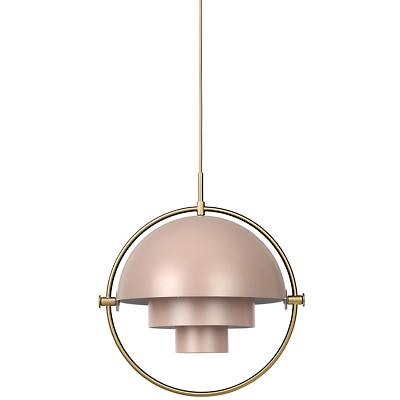
Mid-century modern: GUBI's Multi-Lite in rose dust semi-matte with brass accents
-
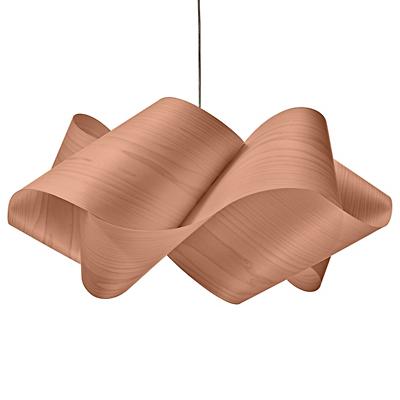
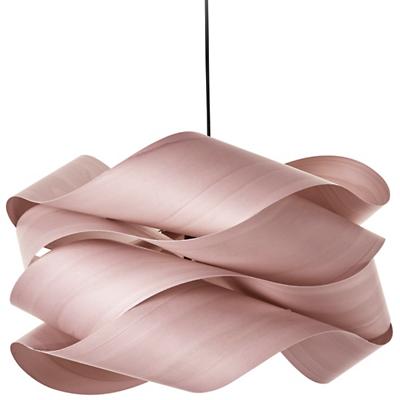
Artisanal contemporary: LZF's wood veneer pendants in pale rose
-
Italian design: Moooi's NomNom LED in blossom finish for statement-making installations
Materials & Finishes for Pink Pendant Lights
Premium pink pendant lighting leverages diverse materials to achieve its signature hues. Painted metal offers durability with color consistency—matte finishes absorb light for sophisticated understatement, while glossy options amplify brightness and color saturation. Wood veneer pendants from LZF introduce organic texture, with pale rose stains highlighting natural grain patterns. Glass constructions, including Kartell's polycarbonate innovations, provide translucency that softens illumination while maintaining vibrant color.
Material considerations:
-
Painted aluminum: Lightweight, corrosion-resistant, ideal for humid environments
-
Wood veneer: FSC-certified options available, adds warmth and texture
-
Polycarbonate: Shatter-resistant alternative to glass, excellent light diffusion
-
Metal with powder coating: Superior color retention and easy maintenance
Sizing Your Pink Pendant Lighting Installation
Selecting the right scale ensures visual balance and functional illumination. For kitchen island pendant lighting, the combined width of fixtures should measure one-half to two-thirds the island length. A 6-foot island accommodates three 10–12" diameter pink pendants spaced 24–30" apart, or two larger 16–20" fixtures for bolder impact. Dining tables benefit from single statement pendants measuring one-half to three-quarters the table width—a 42" round table pairs beautifully with a 21–30" pink dome or globe pendant.
Useful size categories:
-
Mini pendants (under 6"): for tight spacing or accent lighting
-
Small to medium (7–24"): versatile for most residential applications
-
Large pendants (25–36"): statement pieces for high ceilings and grand spaces
-
Oversized (37"+): dramatic fixtures for commercial or expansive residential settings
Pink Pendant Lighting Placement & Height Guidelines
Proper hanging height maximizes both aesthetics and functionality. Above kitchen islands and counters, position the bottom of pink pendants 30–36" from the surface—this prevents glare while maintaining sightlines across the room. Dining room chandeliers and pendants should hang 30–34" above table height for intimate gatherings, with adjustable-height options providing customization flexibility. In bedrooms, flanking pink mini pendants serve as space-saving alternatives to table lamps when hung 24–30" above nightstand surfaces.
Installation essentials:
-
Look for sloped-ceiling adaptability for vaulted or angled installations
-
Choose adjustable cord lengths to suit 8–20' ceiling heights
-
Consider customizable options for cord length, finish, and configuration
-
Freejack and monorail-compatible selections integrate with existing track systems
Choosing Between Pink Pendant Light Shapes & Silhouettes
Shape selection influences light distribution and spatial perception. Abstract designs create sculptural focal points while providing ambient illumination—ideal for living rooms and entryways where lighting doubles as art. Cone pendant lights in pink finishes direct light downward for task-focused applications over kitchen prep areas. Globe pendants offer omnidirectional glow suited to dining spaces, while dome configurations balance downward task lighting with gentle ambient reflection.
Popular shapes and their applications:
-
Cylinder pendants: Linear light distribution, excellent for hallways and bars
-
Drum shades: Diffused ambient lighting, dining room favorites
-
Bell shapes: Directional task lighting with vintage charm
-
Teardrop forms: Elegant accent lighting for bedside or reading nooks
Pink Pendant Lighting for Specific Room Applications
In kitchens, pink pendants pair beautifully with warm LEDs for energy-efficient task lighting over islands and sinks. Dining rooms gain intimacy through warm-toned pink pendants—select 2700K color temperature fixtures for flattering illumination during meals. Bedroom pendant lights in soft blush tones create restful atmospheres when positioned as bedside alternatives, while bolder pink selections can energize home offices and creative workspaces.
Room-specific recommendations:
-
Bathrooms: Choose damp-rated pink pendants suitable for powder rooms and vanity areas
-
Entryways: Large-scale pink pendants establish welcoming first impressions
-
Living rooms: Multi-light pink pendants create conversation-starting installations
-
Commercial spaces: Contract-grade options meet durability standards for hospitality and retail
Navigating Pink Pendant Light Technology & Performance
LED integration dominates modern pink pendant design, delivering long lifespans and significant energy savings versus incandescent alternatives. Color temperature selection impacts ambiance—2700K warm white enhances pink tones' warmth, while 3000K soft white provides neutral clarity for task-oriented spaces. Dimmable capabilities extend versatility, allowing intensity adjustment from bright task lighting to soft ambient glow. Consider lumen output based on application: 800–1,100 lumens suits ambient dining lighting, while 1,600–2,600 lumens (distributed across multiple fixtures) provides adequate kitchen task illumination.
Technical features to prioritize:
-
Title 24 compliance: Look for California energy code-approved fixtures where applicable
-
ENERGY STAR certification: Indicates high efficiency and performance
-
Sustainable materials: Seek FSC-certified wood or recycled content
-
Smart home compatibility: Many models integrate with Lutron and other control systems
Shopping Your Perfect Pink Pendant Light Collection
Our pink pendant selection accommodates a wide range of budgets and aesthetics. Entry-level options start under $300, delivering quality design without compromise. Mid-range selections ($500–$1,000) include premium materials and established designer brands. Investment pieces ($2,000+) showcase exceptional craftsmanship from heritage manufacturers like Louis Poulsen and innovative studios like In Common With. Filter by brand, style tags, or features like customization to discover your ideal match.
Value-added services:
-
Expert lighting consultations to refine your selection
-
Customization options for cord length, finish, and configuration
-
Trade program pricing for design professionals
-
Comprehensive installation guidance and technical support
See the full pendant lighting collection for thoughtfully crafted fixtures that elevate any space.
Pendant LightingFrequently Asked Questions
Are pendant lights in style?
Yes, pendant lights remain a stylish and versatile lighting option. Modern designs, such as minimalist metal pendants, glass globes, and geometric shapes, are particularly popular. They are widely used in kitchens, dining rooms, and entryways to add both functionality and aesthetic appeal.
Expert Tip: To keep your space on-trend, opt for pendant lights with integrated LED technology or customizable features like adjustable heights and dimmable settings.
How to choose a hanging light?
When choosing a hanging light, consider the size of the space, the fixture's purpose, and your decor style. For example, in a kitchen, select a pendant that provides focused task lighting over an island, while in a dining room, choose a statement piece that complements the table's size and shape.
Expert Tip: Use the "3:1 rule" for pendant sizing—divide the room's height by 3 to determine the ideal fixture height. For example, a 9-foot ceiling would suit a pendant around 3 feet tall.
What is the difference between a chandelier and a hanging light?
A chandelier is a type of hanging light that typically features multiple arms or branches with several light sources, often used for decorative purposes. A pendant light, on the other hand, is a single light fixture suspended from the ceiling, usually providing focused or task lighting.
Expert Tip: For a cohesive look, pair a chandelier with matching pendant lights in adjacent spaces, such as a dining room and kitchen.
Can you change the shades on pendant lights?
Yes, many pendant lights allow you to change the shades, offering flexibility to update the look of your fixture. However, this depends on the design—some pendants have fixed shades, while others are modular.
Expert Tip: If you enjoy refreshing your decor, look for pendant lights with interchangeable shades or universal fittings that accommodate a variety of styles.
What are the different types of pendant lights?
The main types of pendant lights include mini pendants, multi-light pendants, drum pendants, and globe pendants. Each type serves different purposes, from task lighting over kitchen islands to decorative accents in living areas.
Expert Tip: Multi-light pendants are ideal for larger spaces, as they provide even illumination and can be adjusted to suit the layout of the room.
How do I know what size pendant light I need?
To determine the right size for a pendant light, consider the room's dimensions and the fixture's purpose. For example, over a kitchen island, the pendant should be 1/2 to 2/3 the width of the island. In dining rooms, the fixture should be 12 inches narrower than the table on each side.
Expert Tip: For a balanced look, hang multiple smaller pendants in a row over long surfaces, spacing them evenly and ensuring they align with the room's proportions.
What colors do pendant lights come in?
Pendant lights come in a wide range of colors, from neutral tones like black, white, and bronze to bold hues like red, blue, and gold. The finish and color should complement your existing decor and create the desired ambiance.
Expert Tip: Matte finishes are great for modern, understated looks, while metallic finishes like brass or copper add a touch of luxury and warmth.
What is the correct height for pendant lights to hang?
The ideal height for pendant lights depends on their location. Over a kitchen island or dining table, hang the fixture 30-36 inches above the surface. In entryways or living rooms, ensure the bottom of the pendant is at least 7 feet above the floor to avoid obstructing movement.
Expert Tip: Use adjustable pendant lights to fine-tune the height after installation, ensuring the perfect balance of functionality and aesthetics.
What are the different shapes of pendant lights?
Pendant lights come in various shapes, including drum, globe, cone, cylinder, and geometric designs. The shape you choose should align with the room's style—for example, globe pendants suit modern spaces, while drum shades work well in traditional settings.
Expert Tip: Mix and match shapes in a multi-pendant setup for a dynamic, eclectic look that adds visual interest to your space.
What is a good wattage for a pendant light?
A good wattage for a pendant light depends on its purpose. For task lighting, aim for 75-100 watts (or equivalent lumens for LEDs). For ambient lighting, 40-60 watts is usually sufficient.
Expert Tip: If using LED bulbs, remember that they consume less wattage while providing the same brightness as incandescent bulbs. For example, a 10-watt LED can replace a 60-watt incandescent.
How do you put a dimmer on a pendant light?
To add a dimmer to a pendant light, you'll need a compatible dimmer switch and, in some cases, dimmable bulbs. Turn off the power, replace the existing switch with the dimmer, and connect the wires according to the manufacturer's instructions.
Expert Tip: Ensure your pendant light fixture and bulbs are dimmable before installing a dimmer switch. Non-dimmable LEDs or fixtures may flicker or fail to work properly with a dimmer.

 Back To Top