Design Modern Pendant Lighting & Hanging Lights





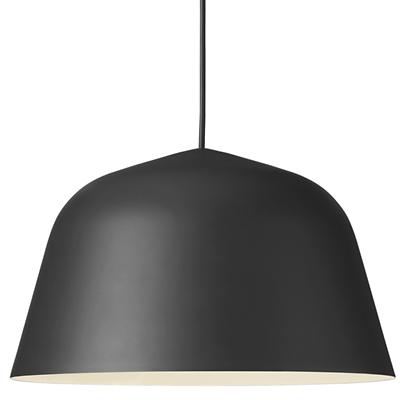
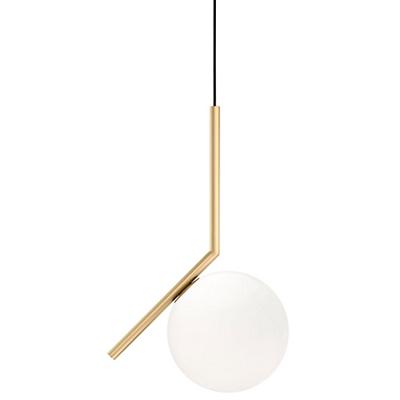
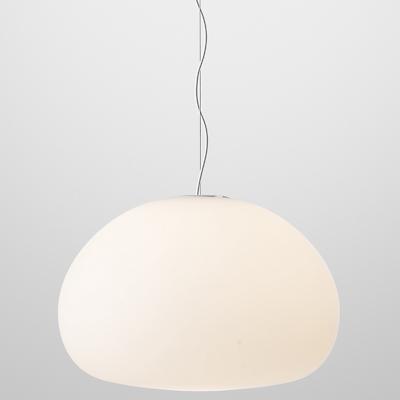
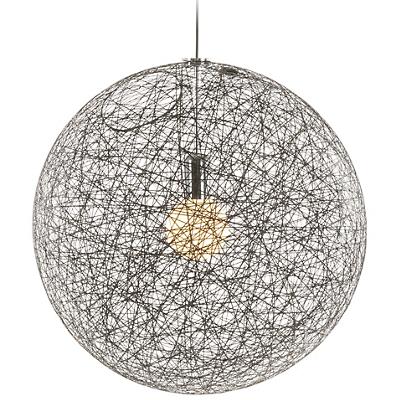
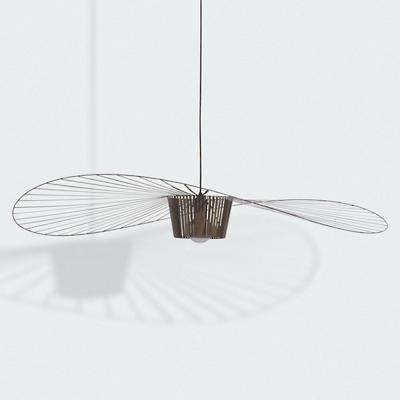

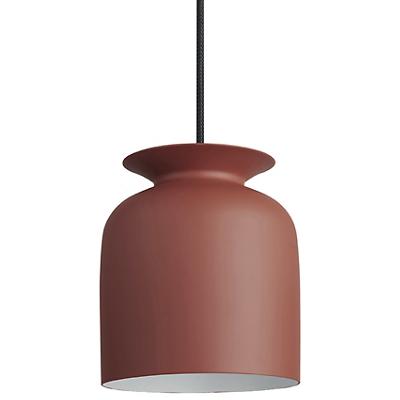
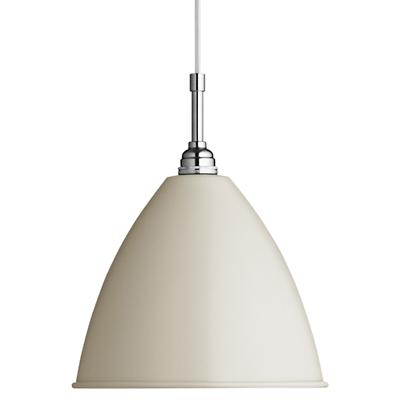
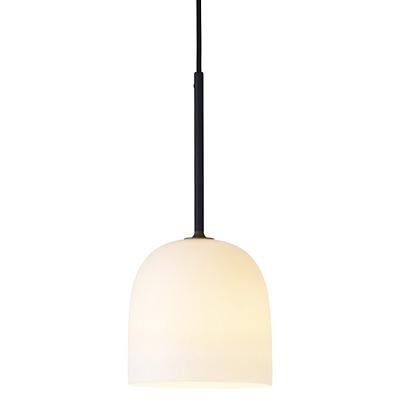
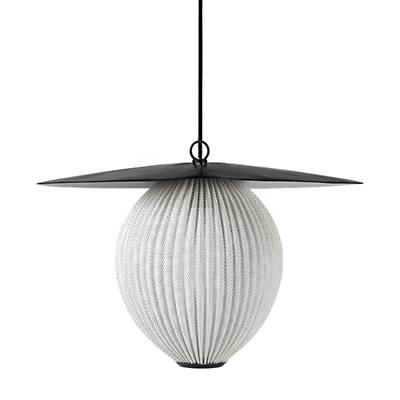

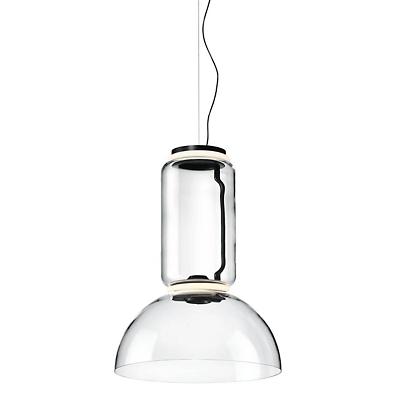

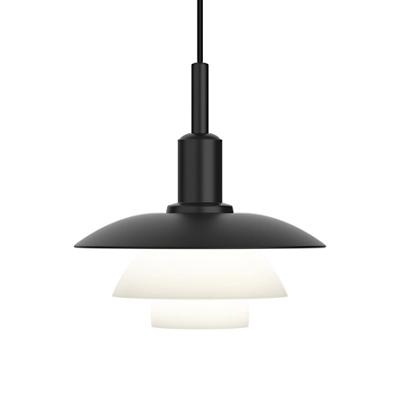


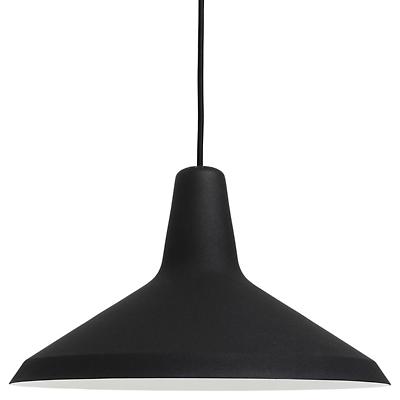
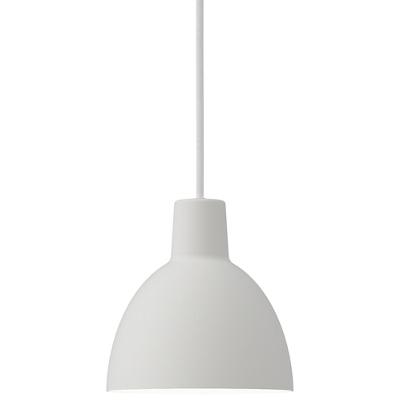

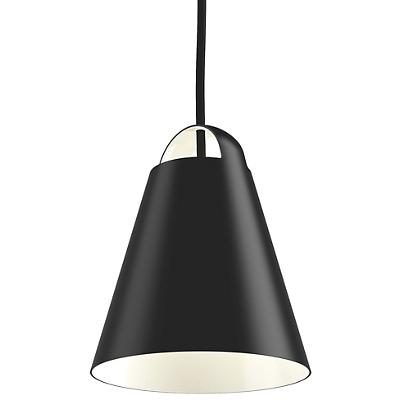

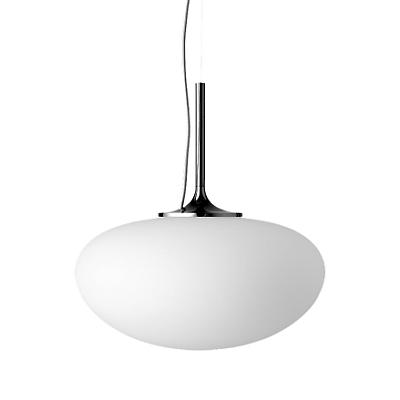
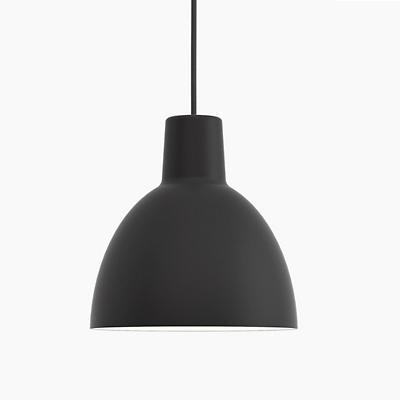

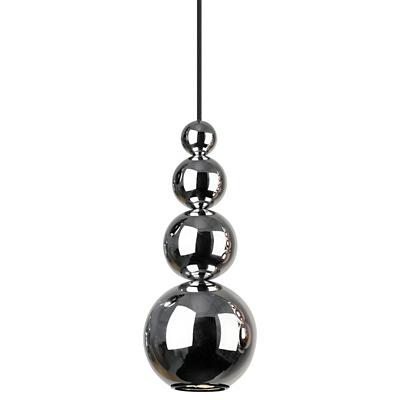
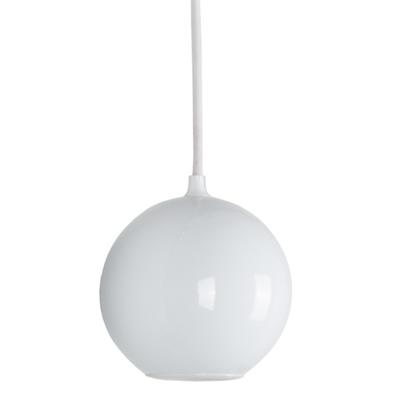

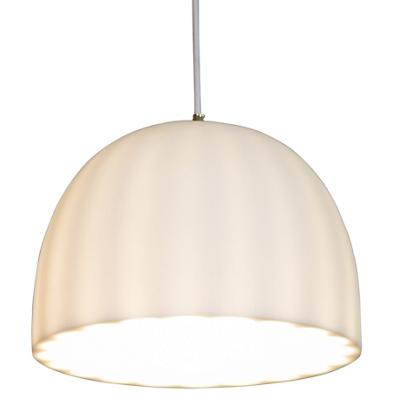
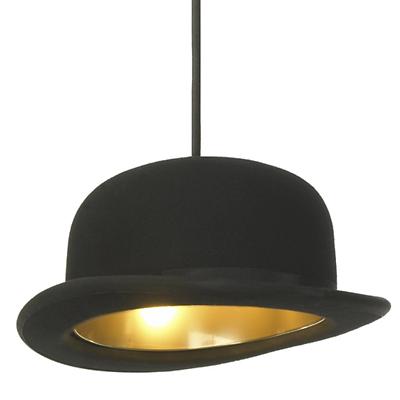
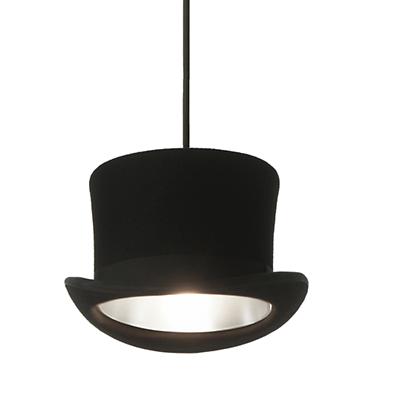

Pendant Lighting Explore
Design Pendant Lighting
Pendant lighting transforms any room into a statement of style and function. Design pendants combine artful forms with practical illumination, offering everything from sculptural centerpieces to sleek minimalist fixtures. Whether you're lighting a kitchen island, dining table, or entryway, our curated collection features iconic designs and contemporary classics in diverse materials, finishes, and sizes. Explore pendant lights that elevate your modern home with quality craftsmanship and timeless appeal.
Understanding Design Pendant Lighting
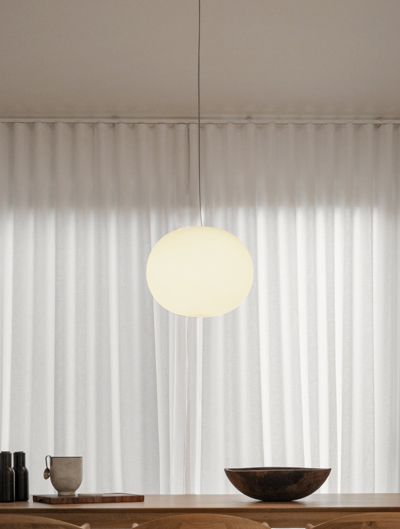
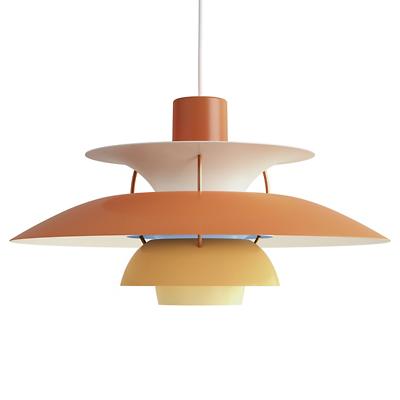
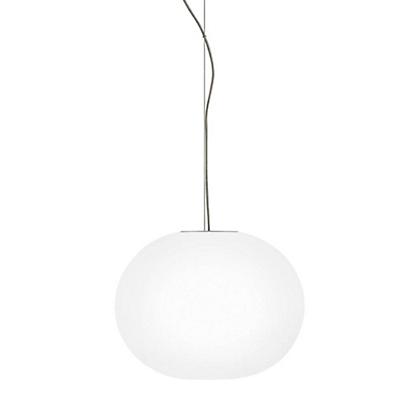
Design pendant lighting emphasizes aesthetic innovation alongside performance. These fixtures hang from the ceiling on cords, chains, or rods, delivering focused or ambient light while serving as visual focal points. Our collection spans iconic designs like the PH 5 Pendant Light and Glo-Ball Pendant , alongside modern interpretations featuring geometric shapes, artisan materials, and integrated LED technology. Design pendants suit kitchens, dining rooms, living spaces, and bedrooms, offering customizable options—from single statement pieces to multi-light configurations—that adapt to your layout and lighting needs.
Design Pendant Lighting Style Variations
Modern & Contemporary: Clean lines, minimalist silhouettes, and innovative materials define modern pendant lights . Think globe pendants, cylinder shapes, and abstract forms in matte black, brushed brass, or polished chrome.
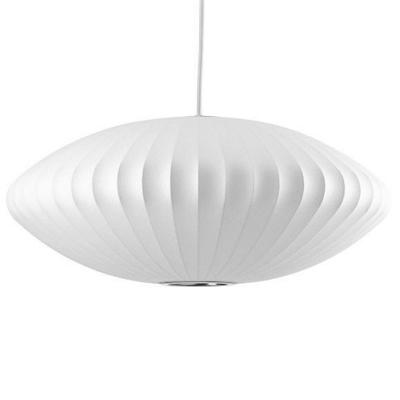
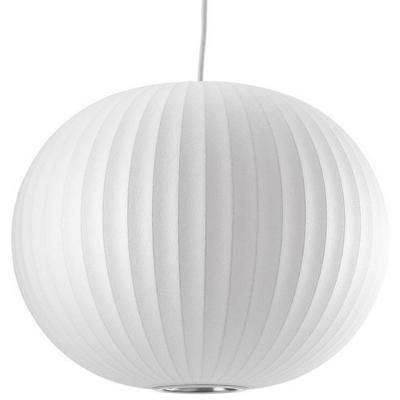
Mid-Century Modern: Celebrate retro charm with Nelson Bubble pendants and sculptural designs featuring walnut, brass, and opal glass—perfect for adding vintage warmth to contemporary interiors.
Industrial: Exposed bulbs, metal cages, and aged finishes bring warehouse-inspired edge. Industrial pendants work beautifully over kitchen islands or in loft-style spaces.
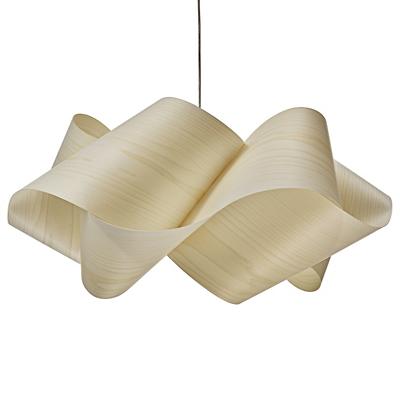
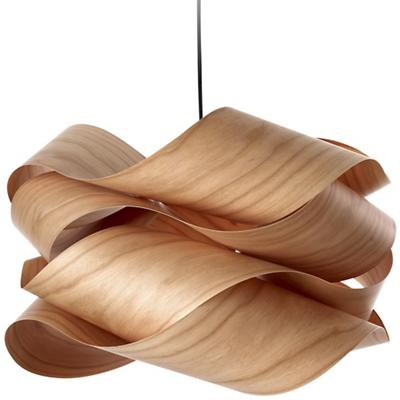
Artisanal & Nature-Inspired: Handcrafted wood veneer, woven rattan, and organic textures create tactile interest. Fixtures like the Link Pendant showcase sustainable materials and artisan craftsmanship.
Transitional & Classic: Timeless dome and bell shapes in white, brass, or glass suit traditional and transitional homes, offering versatility across design schemes.
Materials & Finishes for Design Pendant Lighting
Metal Finishes: Brass, bronze, nickel, and matte black deliver durability and style. Brushed brass adds warmth; polished chrome offers sleek modernity; oil-rubbed bronze suits rustic or industrial aesthetics.
Glass: Opal glass diffuses light softly, reducing glare—ideal for task lighting. Clear or amber glass showcases bulb filaments and creates dramatic shadows. Frosted and textured glass options balance style and function.
Wood & Natural Materials: Wood veneer, beech, cherry, and rattan bring organic warmth. These materials pair beautifully with Scandinavian or bohemian interiors .
Composite & Specialty Materials: Acrylic, recycled materials, and handblown glass offer unique textures and eco-friendly options, supporting sustainable design without compromising aesthetics.
Sizing Your Design Pendant Lighting
Single Pendants: For dining tables, choose fixtures 12–24 inches wide, hung 30–36 inches above the surface. Over kitchen islands, opt for 13–18 inch diameter pendants spaced evenly—typically two to three fixtures for a 7–9 foot island.
Multi-Light Pendants: Linear multi-light pendants or clustered fixtures suit long tables and open spaces. Match the fixture's total width to roughly one-third of your table length.
Ceiling Height Considerations: Standard 8–9 foot ceilings accommodate most pendants. For higher ceilings or sloped ceiling installations , adjustable cord lengths and canopy adapters ensure proper proportions.
Mini vs. Large: Mini pendants (under 12 inches) work in tight spaces or grouped arrangements. Medium and large pendants (15+ inches) make bold statements in dining rooms, entryways, or over islands.
Placement & Installation Tips for Design Pendant Lighting
Kitchen Islands: Hang pendants 30–36 inches above countertops for optimal task lighting. Space fixtures using the diameter as a guide—if each pendant is 14 inches wide, leave 14–18 inches between them.
Dining Tables: Center a single large pendant or linear fixture over the table, ensuring it doesn't obstruct sightlines. For round tables, a single globe or dome pendant works best.
Living Rooms & Bedrooms: Use pendants to define zones—over reading nooks, side tables, or seating areas. Adjustable-height fixtures offer flexibility.
Outdoor & Damp Locations: Choose UL-listed damp or wet-rated pendants for covered patios or bathrooms. Verify ratings before installation.
Dimming & Controls: Pair LED pendants with compatible dimmers to adjust brightness and color temperature (2700K warm white for cozy ambiance, 3000K for task-focused areas).
Common Questions About Design Pendant Lighting
How many pendants for a 7–9 foot island? Two to three evenly spaced fixtures provide balanced illumination and visual symmetry. Choose medium-sized pendants (14–18 inches) or opt for fewer large pendants if you prefer a streamlined look.
Opal glass vs. clear glass—which is better? Opal glass diffuses light, reducing glare and creating soft, even illumination—ideal for kitchens and dining areas. Clear glass highlights decorative bulbs and casts more dramatic shadows, suited to ambient or accent lighting.
What's the ideal height for pendant lights? Over islands and counters, hang 30–36 inches above the surface. Over dining tables, 30–34 inches allows comfortable conversation without obstruction.
Can I use pendants on sloped ceilings? Yes—many designs include sloped ceiling adapters or adjustable canopies. Verify product specifications for compatibility.
Are iconic designer pendants worth the investment? Fixtures like the PH Artichoke , Vertigo Pendant , or Random II Pendant offer timeless design, superior craftsmanship, and lasting value—often becoming heirloom pieces.
What color temperature should I choose? 2700K–3000K warm white suits residential spaces; 3500K–4000K neutral white works for task-heavy kitchens or workspaces.
Shopping Guide & Selecting Your Design Pendant Lighting
Navigate our collection by filtering by shape (globe, cone, drum, abstract), color (black, brass, white, clear), finish (matte, polished, textured), and size (mini, medium, large). Explore bestselling pendants , new arrivals , and sale items to find exceptional value.
Customizable Options: Many fixtures offer finish and shade choices, allowing you to tailor the look to your space. Check product pages for available configurations.
Sustainability Features: Look for ENERGY STAR certified , FSC-certified wood , or recycled materials to support eco-conscious design.
Contract-Grade Quality: Many pendants meet contract-grade standards , ensuring durability for commercial or high-traffic residential applications.
Discover Your Perfect Design Pendant Lighting
From iconic statement pieces to versatile everyday fixtures, our design pendant lighting collection offers variety in styles, materials, and finishes. Whether you're drawn to modern minimalism, vintage charm, or artisanal craftsmanship, you'll find pendants that illuminate your space beautifully and reflect your personal aesthetic. Explore adjustable heights, dimmable LEDs, and customizable options to create the perfect lighting solution for kitchens, dining rooms, living spaces, and beyond.
See the full pendant lighting collection for thoughtfully crafted fixtures that elevate any space.
Pendant LightingFrequently Asked Questions
Are pendant lights in style?
Yes, pendant lights remain a stylish and versatile lighting option. Modern designs, such as minimalist metal pendants, glass globes, and geometric shapes, are particularly popular. They are widely used in kitchens, dining rooms, and entryways to add both functionality and aesthetic appeal.
Expert Tip: To keep your space on-trend, opt for pendant lights with integrated LED technology or customizable features like adjustable heights and dimmable settings.
How to choose a hanging light?
When choosing a hanging light, consider the size of the space, the fixture's purpose, and your decor style. For example, in a kitchen, select a pendant that provides focused task lighting over an island, while in a dining room, choose a statement piece that complements the table's size and shape.
Expert Tip: Use the "3:1 rule" for pendant sizing—divide the room's height by 3 to determine the ideal fixture height. For example, a 9-foot ceiling would suit a pendant around 3 feet tall.
What is the difference between a chandelier and a hanging light?
A chandelier is a type of hanging light that typically features multiple arms or branches with several light sources, often used for decorative purposes. A pendant light, on the other hand, is a single light fixture suspended from the ceiling, usually providing focused or task lighting.
Expert Tip: For a cohesive look, pair a chandelier with matching pendant lights in adjacent spaces, such as a dining room and kitchen.
Can you change the shades on pendant lights?
Yes, many pendant lights allow you to change the shades, offering flexibility to update the look of your fixture. However, this depends on the design—some pendants have fixed shades, while others are modular.
Expert Tip: If you enjoy refreshing your decor, look for pendant lights with interchangeable shades or universal fittings that accommodate a variety of styles.
What are the different types of pendant lights?
The main types of pendant lights include mini pendants, multi-light pendants, drum pendants, and globe pendants. Each type serves different purposes, from task lighting over kitchen islands to decorative accents in living areas.
Expert Tip: Multi-light pendants are ideal for larger spaces, as they provide even illumination and can be adjusted to suit the layout of the room.
How do I know what size pendant light I need?
To determine the right size for a pendant light, consider the room's dimensions and the fixture's purpose. For example, over a kitchen island, the pendant should be 1/2 to 2/3 the width of the island. In dining rooms, the fixture should be 12 inches narrower than the table on each side.
Expert Tip: For a balanced look, hang multiple smaller pendants in a row over long surfaces, spacing them evenly and ensuring they align with the room's proportions.
What colors do pendant lights come in?
Pendant lights come in a wide range of colors, from neutral tones like black, white, and bronze to bold hues like red, blue, and gold. The finish and color should complement your existing decor and create the desired ambiance.
Expert Tip: Matte finishes are great for modern, understated looks, while metallic finishes like brass or copper add a touch of luxury and warmth.
What is the correct height for pendant lights to hang?
The ideal height for pendant lights depends on their location. Over a kitchen island or dining table, hang the fixture 30-36 inches above the surface. In entryways or living rooms, ensure the bottom of the pendant is at least 7 feet above the floor to avoid obstructing movement.
Expert Tip: Use adjustable pendant lights to fine-tune the height after installation, ensuring the perfect balance of functionality and aesthetics.
What are the different shapes of pendant lights?
Pendant lights come in various shapes, including drum, globe, cone, cylinder, and geometric designs. The shape you choose should align with the room's style—for example, globe pendants suit modern spaces, while drum shades work well in traditional settings.
Expert Tip: Mix and match shapes in a multi-pendant setup for a dynamic, eclectic look that adds visual interest to your space.
What is a good wattage for a pendant light?
A good wattage for a pendant light depends on its purpose. For task lighting, aim for 75-100 watts (or equivalent lumens for LEDs). For ambient lighting, 40-60 watts is usually sufficient.
Expert Tip: If using LED bulbs, remember that they consume less wattage while providing the same brightness as incandescent bulbs. For example, a 10-watt LED can replace a 60-watt incandescent.
How do you put a dimmer on a pendant light?
To add a dimmer to a pendant light, you'll need a compatible dimmer switch and, in some cases, dimmable bulbs. Turn off the power, replace the existing switch with the dimmer, and connect the wires according to the manufacturer's instructions.
Expert Tip: Ensure your pendant light fixture and bulbs are dimmable before installing a dimmer switch. Non-dimmable LEDs or fixtures may flicker or fail to work properly with a dimmer.

 Back To Top