Drum Blue Modern Pendant Lighting & Hanging Lights






















Pendant Lighting Explore
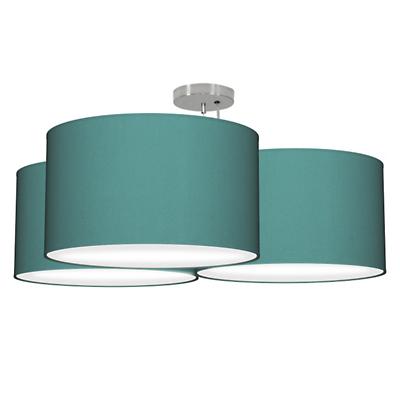
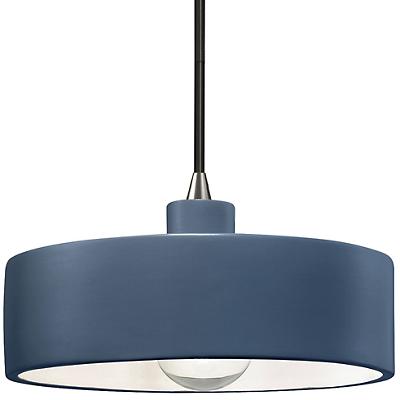
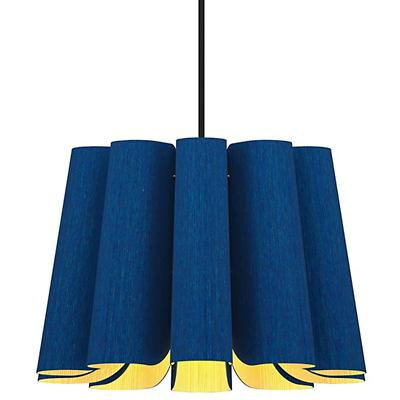
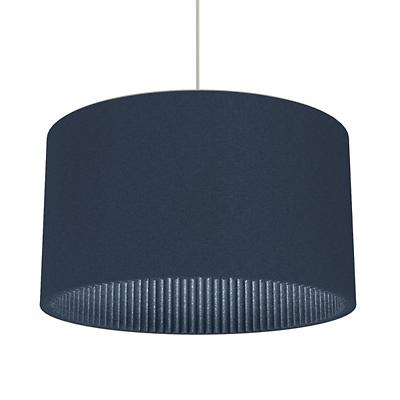
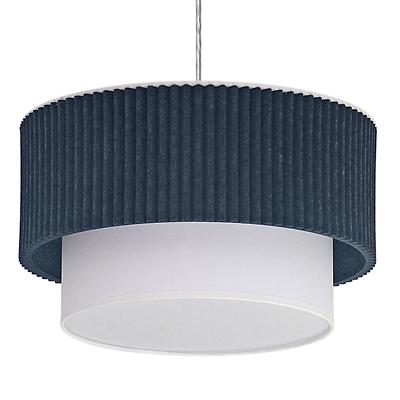
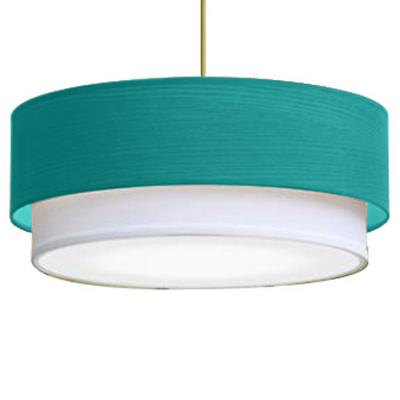
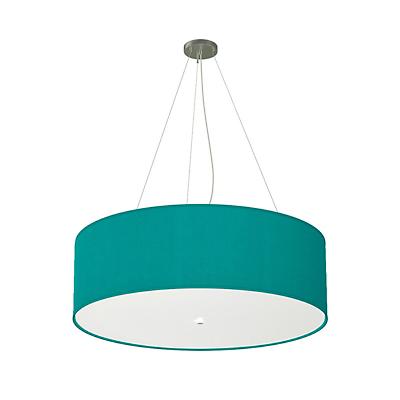
Create a Well-Designed Space with Blue Drum Pendant Lights
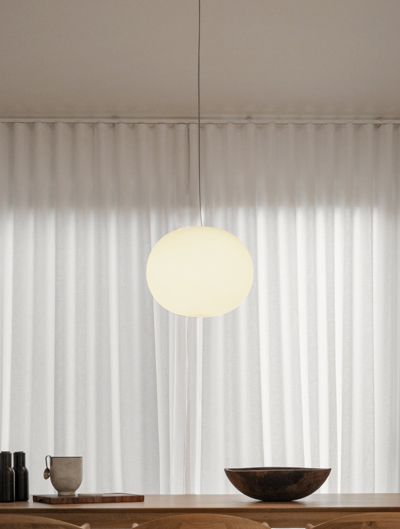
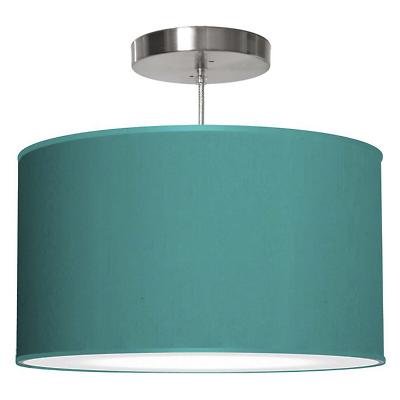
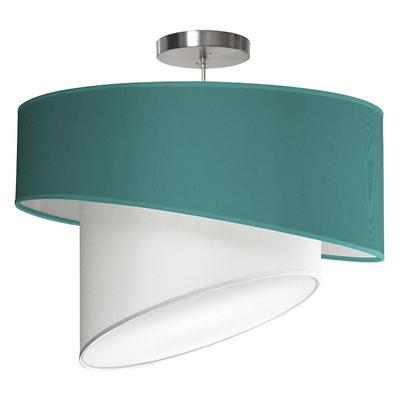
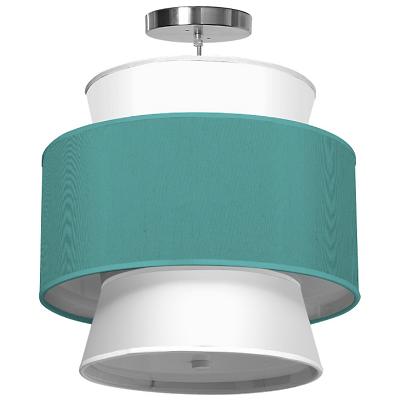
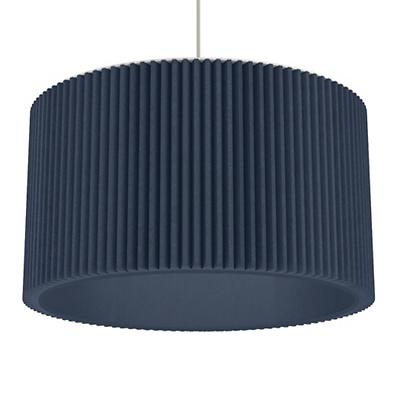
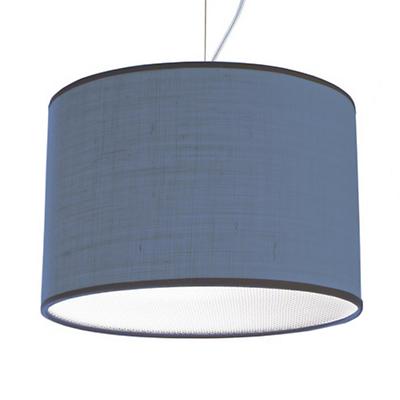
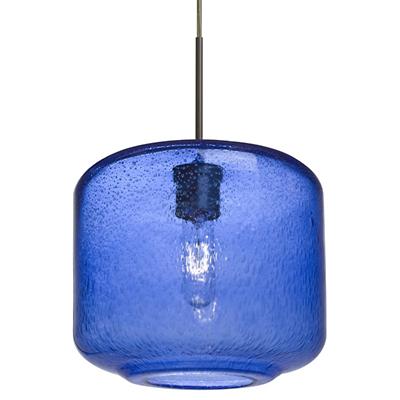
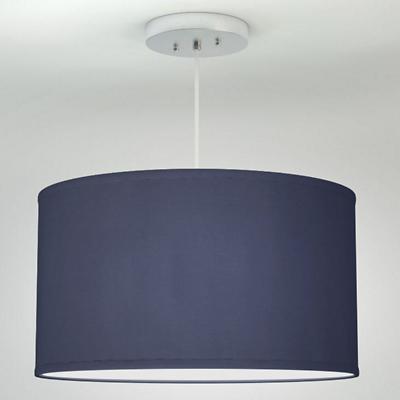
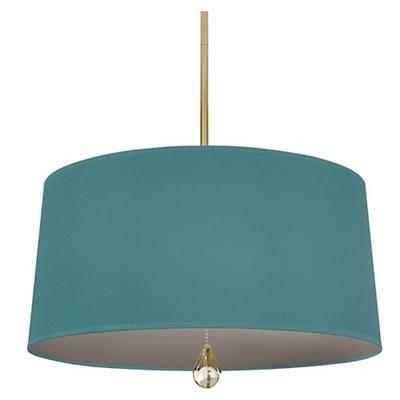
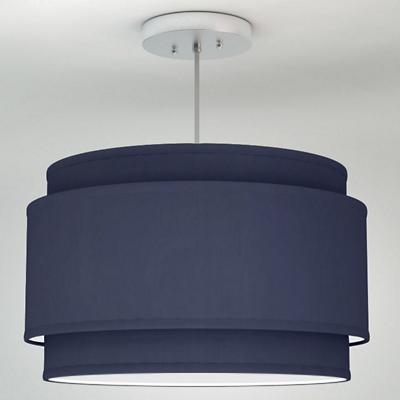
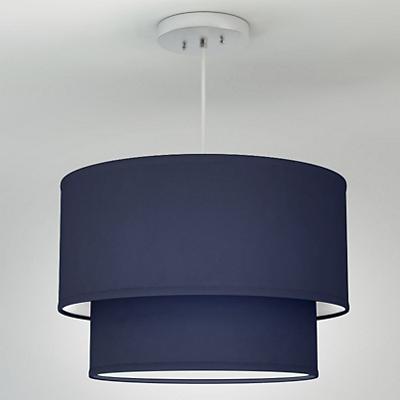
A favorite in the design industry, pendant lights are loved for their adaptability and the abundance of sizes, styles, and colors available. Perfect for residential spaces like dining rooms, living rooms, and entryways as well as commercial spaces like offices and lobbies, drum-style pendants work well in virtually any space. Well-suited to décor style ranging from traditional to ultramodern. The color options are perhaps the biggest selling point of these fixtures. Aside from tried-and-true neutrals, many of today’s best-selling drum-style pendant come in eye-catching colors like green, yellow, and various shades of blue.
Best-Selling Blue Drum Pendant Lights
Shopping for a new drum pendant light is an exciting process that can easily become challenging thanks to the vast number of color options available. Top-sellers in this category not only focus on style but also include various features that improve functionality and offer a convenient way to light modern spaces. Common design features among bestsellers are UL Listed, various shade sizes and colors as well as compatibility with multiple lamping types.
Traditional spaces are one of the easiest interiors to decorate with drum-style fixtures. In addition to muted blue hues and bold aqua tones, look for drum pendant lighting with a sleek metallic aesthetic that effortlessly blends with traditional décor. For a more classic feel in traditional spaces, look for gold drum pendants that feature linen shades, soft-white halogen lamping, and opaque blown-glass diffusers that evenly disperse light.
Although there are certainly plenty of larger fixtures to choose from, smaller rooms and spaces like entryways, corridors, and alcoves benefit from more compact drum-style pendants. In spaces with limited square footage, look for blue mini pendants that feature your choice of xenon or LED bulbs, matching metallic canopies, and brilliant spun glass shades that draw the eye upward without detracting from the space’s existing furniture and decorative accessories.
On top of the various hues of blue, teal, and navy, popular drum pendants also come in varying metallic base finishes like polished chrome and copper as well as coordinating textile or shiny ceramic shades in hues like orange and fuchsia. To infuse minimalist or industrial spaces with a pop of color, look for red drum pendants or green drum pendants with neutral bases and integrated electronic low voltage (ELV) dimming.
Other Considerations
Once style considerations have been taken care of, there are a few other things to think about when shopping for a drum pendant. The light output of a fixture is extremely important and will dictate how well the fixture functions in your space. Lumens refer to the light output of a fixture and, as a general rule, pendants should emit 300 to 400 lumens per square foot.
Another important thing to remain mindful of is drop height. For hanging fixtures like chandeliers, pendants, and linear suspensions, always follow hanging height guidelines for maximum safety and functionally. Generally, fixtures installed in spaces like kitchens and dining rooms should hang between 28 and 36 inches above tables and countertops. In open areas like foyers or corridors, pendants should hover 60 to 70 inches above the floor.
Pendant LightingFrequently Asked Questions
Are pendant lights in style?
Yes, pendant lights remain a stylish and versatile lighting option. Modern designs, such as minimalist metal pendants, glass globes, and geometric shapes, are particularly popular. They are widely used in kitchens, dining rooms, and entryways to add both functionality and aesthetic appeal.
Expert Tip: To keep your space on-trend, opt for pendant lights with integrated LED technology or customizable features like adjustable heights and dimmable settings.
How to choose a hanging light?
When choosing a hanging light, consider the size of the space, the fixture's purpose, and your decor style. For example, in a kitchen, select a pendant that provides focused task lighting over an island, while in a dining room, choose a statement piece that complements the table's size and shape.
Expert Tip: Use the "3:1 rule" for pendant sizing—divide the room's height by 3 to determine the ideal fixture height. For example, a 9-foot ceiling would suit a pendant around 3 feet tall.
What is the difference between a chandelier and a hanging light?
A chandelier is a type of hanging light that typically features multiple arms or branches with several light sources, often used for decorative purposes. A pendant light, on the other hand, is a single light fixture suspended from the ceiling, usually providing focused or task lighting.
Expert Tip: For a cohesive look, pair a chandelier with matching pendant lights in adjacent spaces, such as a dining room and kitchen.
Can you change the shades on pendant lights?
Yes, many pendant lights allow you to change the shades, offering flexibility to update the look of your fixture. However, this depends on the design—some pendants have fixed shades, while others are modular.
Expert Tip: If you enjoy refreshing your decor, look for pendant lights with interchangeable shades or universal fittings that accommodate a variety of styles.
What are the different types of pendant lights?
The main types of pendant lights include mini pendants, multi-light pendants, drum pendants, and globe pendants. Each type serves different purposes, from task lighting over kitchen islands to decorative accents in living areas.
Expert Tip: Multi-light pendants are ideal for larger spaces, as they provide even illumination and can be adjusted to suit the layout of the room.
How do I know what size pendant light I need?
To determine the right size for a pendant light, consider the room's dimensions and the fixture's purpose. For example, over a kitchen island, the pendant should be 1/2 to 2/3 the width of the island. In dining rooms, the fixture should be 12 inches narrower than the table on each side.
Expert Tip: For a balanced look, hang multiple smaller pendants in a row over long surfaces, spacing them evenly and ensuring they align with the room's proportions.
What colors do pendant lights come in?
Pendant lights come in a wide range of colors, from neutral tones like black, white, and bronze to bold hues like red, blue, and gold. The finish and color should complement your existing decor and create the desired ambiance.
Expert Tip: Matte finishes are great for modern, understated looks, while metallic finishes like brass or copper add a touch of luxury and warmth.
What is the correct height for pendant lights to hang?
The ideal height for pendant lights depends on their location. Over a kitchen island or dining table, hang the fixture 30-36 inches above the surface. In entryways or living rooms, ensure the bottom of the pendant is at least 7 feet above the floor to avoid obstructing movement.
Expert Tip: Use adjustable pendant lights to fine-tune the height after installation, ensuring the perfect balance of functionality and aesthetics.
What are the different shapes of pendant lights?
Pendant lights come in various shapes, including drum, globe, cone, cylinder, and geometric designs. The shape you choose should align with the room's style—for example, globe pendants suit modern spaces, while drum shades work well in traditional settings.
Expert Tip: Mix and match shapes in a multi-pendant setup for a dynamic, eclectic look that adds visual interest to your space.
What is a good wattage for a pendant light?
A good wattage for a pendant light depends on its purpose. For task lighting, aim for 75-100 watts (or equivalent lumens for LEDs). For ambient lighting, 40-60 watts is usually sufficient.
Expert Tip: If using LED bulbs, remember that they consume less wattage while providing the same brightness as incandescent bulbs. For example, a 10-watt LED can replace a 60-watt incandescent.
How do you put a dimmer on a pendant light?
To add a dimmer to a pendant light, you'll need a compatible dimmer switch and, in some cases, dimmable bulbs. Turn off the power, replace the existing switch with the dimmer, and connect the wires according to the manufacturer's instructions.
Expert Tip: Ensure your pendant light fixture and bulbs are dimmable before installing a dimmer switch. Non-dimmable LEDs or fixtures may flicker or fail to work properly with a dimmer.

 Back To Top