Modern Outdoor Stair Lighting, Deck Lights & Exterior Step Lights
Designed to blend seamlessly into outdoor structures, deck and step lights install into walls, stairs, posts, and other vertical surfaces to provide subtle, downward illumination. These low-profile lights provide accent lighting and improve visibility and safety while minimizing glare.
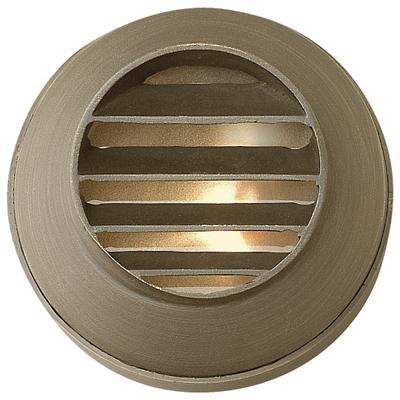
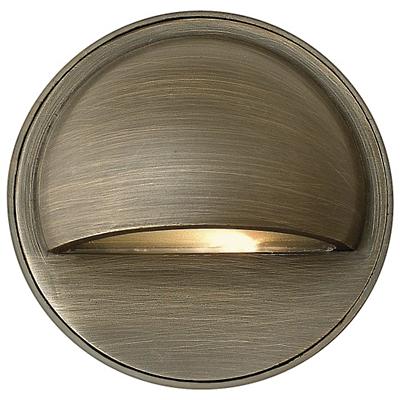
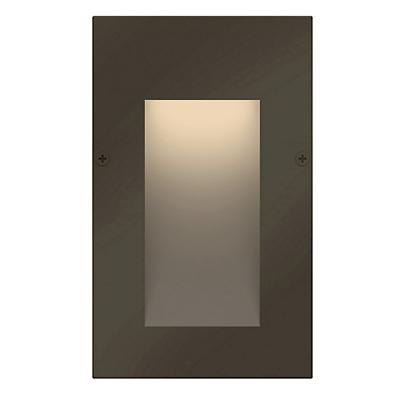
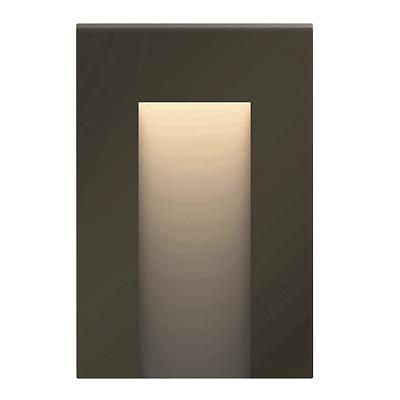
Deck & Step Lights Explore
Modern Outdoor Spotlights & Floodlights
Landscape spotlights and outdoor flood light fixtures direct light where it's needed most. The spot light vs flood light choice comes down to beam spread: spotlights produce a narrow, focused beam ideal for accenting trees, architecture, and focal points, while outdoor flood lights cast a wide, powerful spread of light for driveways, outdoor living spaces, and security.
Add Light Outside the Home with Spot Lights & Flood Lights
Outdoor spotlights and flood lights are great ways to highlight unique features of a landscape. They instantly add drama, creating fascinating shadows in trees and adding visual height to walls and architecture. While powerful and able to reach great heights, landscape spotlights and flood lights are usually low voltage, and they easily adjust so they can be pointed right where a splash of decorative light is most desired.
Spot Light & Flood Light Buying Guide
A Spot Light or Flood Light for Every Style
With any outdoor lighting fixture comes a variety of styles to choose from and these spot lights appeal to a number of exterior aesthetics. For traditional landscapes with heavy arborous areas, look to the spot lights and flood lights from Kichler to help create dramatic shapes and shadows. These options have flexible heads to rearrange and maneuver to any liking. Hinkley Lighting offers a multitude of contemporary and modern spot lights, with options that are simply placed in the ground with a stake. In-ground and recessed spot lights and outdoor LED flood lights are perfected by BEGA. These decorative LED fixtures combine elements of design with energy efficiency to really accent the landscape.
How to Choose the Best Spot & Flood Lights
First, determine the purpose of a spot light or flood light. When positioning spotlights outdoor, aim the beam across a facade or up into a tree canopy; reserve flood lights exterior to the home for driveways and broad perimeters where a wide wash is needed. Many of these landscape light fixtures feature directional heads, allowing for the light to be directed toward trees or other elements of a backyard. Directional spot lights can be used indoors and outdoors. In addition to wall spot lights, there are also plenty of in-ground and recessed well lights that can be used as outdoor flood light fixtures or spot lights. These options provide exceptional uplighting for trees, fountains, garden accents, and signs for commercial locations.
With any outdoor light fixture, verify it is UL listed and safe for outdoor use. A damp or wet location rating is necessary for landscapes where the presence of water is inevitable. For exposed installations such as garden beds or open patios, check the IP (Ingress Protection) rating; an IP65 or higher confirms the fixture can withstand water jets and dust intrusion. LED flood lights for outside and exterior LED spotlights are ideal choices for these settings, combining durability with long-term energy savings. For use indoors, look to living room directional spotlights for a similar light output and display for the decor.
Placement: Where is the best place to install a flood light or spot light?
Flood Lights are best placed in areas where broad lighting is needed, such as driveways, backyards, parking lots, or building perimeters.
Spot Lights are suited for highlighting specific objects, architectural features, garden elements, statues, or pathways.
Wattage: What is the best wattage for a flood light or spotlight?
The ideal wattage for flood lights and spotlights varies based on the intended use and area coverage.
For residential: spot lights or flood lights commonly range between 20 to 50 watts.
For accenting features: spot lights or flood lights can be around 20 watts.
For commercial spaces or large outdoor areas: spot lights or flood lights can range from 50 to 300 watts or more.
How many lumens are suggested for outdoor flood lights?
Lumens measure the light output, and the necessary amount depends on the application. For driveways and backyards, 700 to 1,300 lumens provides strong, even illumination across the space. For garden pathways, 100 to 200 lumens creates subtle, guiding light without overpowering the landscape.
Efficiency: Are flood lights or spotlights energy efficient?
The energy efficiency of flood lights and spotlights largely depends on the type of bulb or technology used. LED flood lights for outside are currently the most energy-efficient options available. They consume less power and last longer than traditional halogen or incandescent lights. Solar-powered variants are also energy-saving, as they rely on sunlight for power. When choosing lights, opt for LED models for better energy efficiency and longevity.
In addition to an in-ground spot light or outdoor flood light fixture, complete a layered lighting scheme with fixtures closer to the ground. Path, step, well, and accent lights provide welcoming decorative character to the backyard while creating safe, guiding light for dim pathways and walkways. Exterior flood lights and spot lights are just one piece of a complete scheme; outdoor sconces, deck lighting, and post lights round out a cohesive outdoor environment.
Explore the full assortment of landscape light fixtures to bring the design full circle.
Deck & Step LightsFrequently Asked Questions
How far apart should deck and step lights be spaced?
Space step lights approximately four feet apart, or install one on every one to two steps, to prevent dark zones and ensure safe navigation across the stairway without overwhelming the space.
Expert Tip: On stairs with open risers or floating treads, spacing math matters less than sightlines — mount the fixture so its beam lands on the tread nosing of the step below, since that leading edge is where feet actually land and where shadows hide trip hazards.
What is the ideal mounting height for step lights?
Mount step lights at riser height, typically six to eight inches above the tread, so light casts downward across the step surface without creating glare at eye level.
Expert Tip: Installers often set the fixture just below the handrail's shadow line so the rail doesn't cast a hard dark bar across the steps — a detail that looks fine on paper but ruins the effect once the rail is in place, which is why many pros mock up one light before drilling the whole run.
Should I choose recessed or surface-mounted step lights?
Recessed fixtures mount flush within the stair riser or hardscape for a streamlined look that disappears during the day, while surface-mounted fixtures attach to the stair face or adjacent wall and are easier to install on existing structures and solid materials like concrete or stone.
Expert Tip: Recessed fixtures demand you verify riser depth for mounting clearance before ordering — retrofitting them into an already-poured concrete or stone stair often means core-drilling and chasing a wire channel, so the "cleaner" look can quietly triple the labor on an existing structure.
What's the difference between low-voltage and line-voltage step lights?
Low-voltage (12V) systems connect to a transformer and simplify safe installation on landscape lighting circuits, while line-voltage (120V) fixtures wire directly to household current and suit new construction or dedicated outdoor circuits. Both accommodate the wet or damp ratings essential for exterior use.
Expert Tip: With long low-voltage runs, voltage drop is the silent killer — lights farthest from the transformer dim and shift warmer if the wire gauge and tap voltage aren't sized for the distance, so experienced installers use heavier-gauge cable and multi-tap transformers rather than trusting the fixture count alone.
What color temperature works best for outdoor step lights?
A warm color temperature between 2700K and 3000K complements most outdoor settings, blending naturally with architectural materials and evening ambiance.
Expert Tip: Mixing color temperatures across a single outdoor scheme is the most common giveaway of a DIY job — even within "warm white," a 2700K step light next to a 3000K path light reads as mismatched at night, so lock in one Kelvin value across every fixture family before you buy.
How many watts and lumens do LED step lights use?
LED step lights typically draw two to five watts per fixture, translating to roughly 30 to 100 lumens each — enough to guide foot traffic rather than flood the space.
Expert Tip: For step lights, more lumens is usually worse, not better — anything much above 100 lumens creates hotspots and glare that actually blind you to the step edge, which is why pros treat these as guide lights and add separate downlights or path lights when they want overall brightness.
What finishes are available and how do I choose one?
Step lights come in bronze, black, stainless steel, and white finishes that coordinate with common outdoor palettes. Matching the finish to existing hardware, railings, or landscape fixtures creates a cohesive look.
Expert Tip: Near saltwater or pools, "stainless steel" isn't automatically corrosion-proof — 304 stainless can pit and streak in coastal or chlorinated air, so ask for marine-grade 316 stainless or powder-coated brass in those environments to avoid rust bleed within a season.
Which brands does Lumens carry for deck and step lighting?
Lumens curates step lights from respected architectural and landscape brands, including WAC Lighting for precision-engineered LED fixtures, Hinkley for traditional craftsmanship, Kuzco Lighting for minimalist, efficient designs, and Modern Forms for architecturally minded innovation.
Expert Tip: When mixing brands across one project, check the integrated-LED specs, not just the styling — differences in CRI (color rendering) and diode binning between manufacturers can make identical-Kelvin fixtures look subtly different side by side, so the safest cohesive result comes from sticking to one brand's family for any lights visible in the same view.