Modern Ceiling Fans with Lights


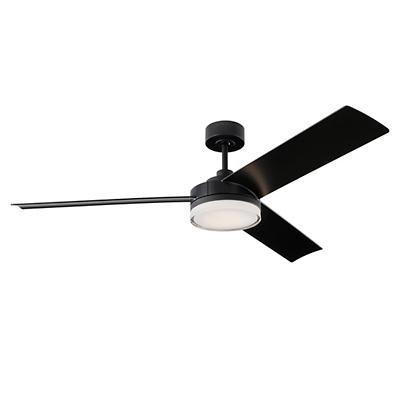

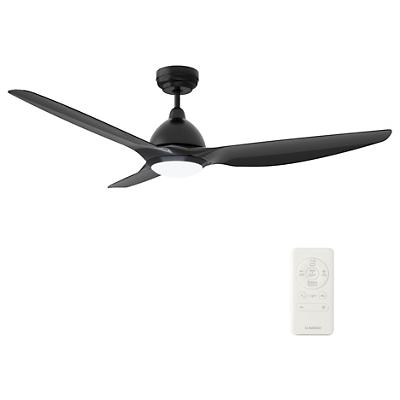
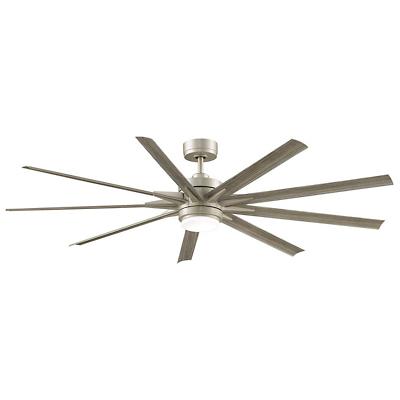
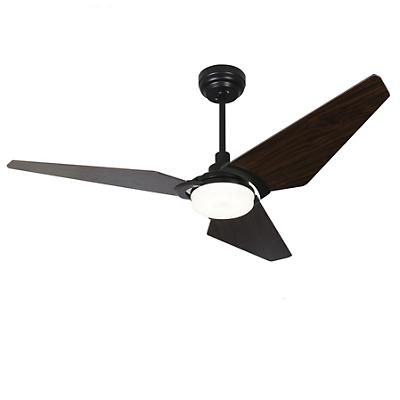
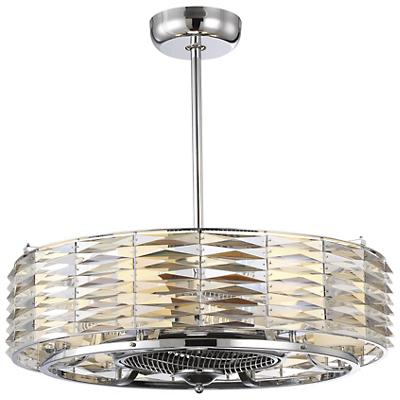
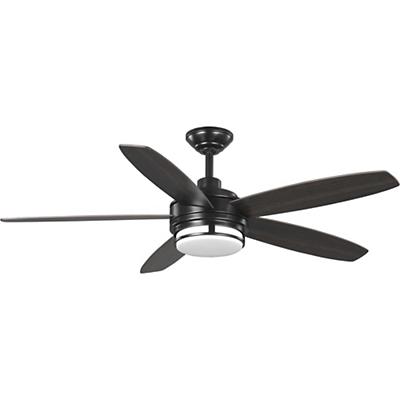
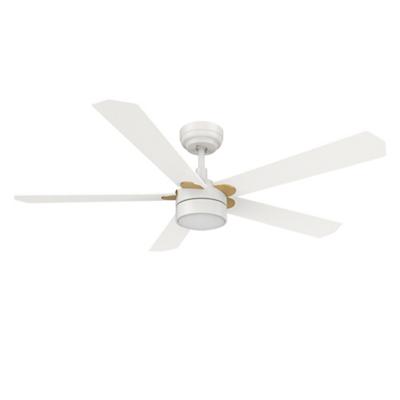

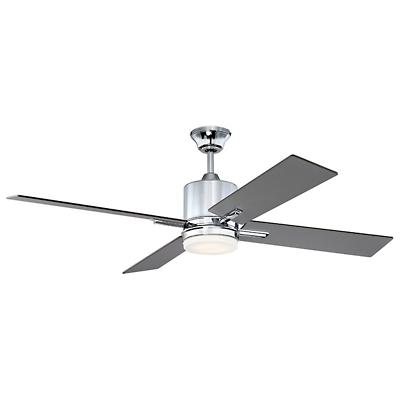




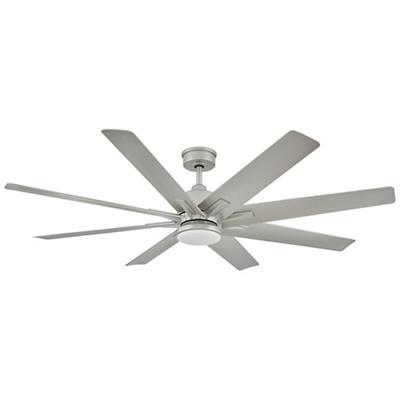

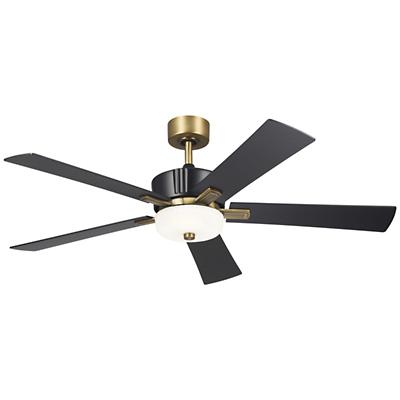


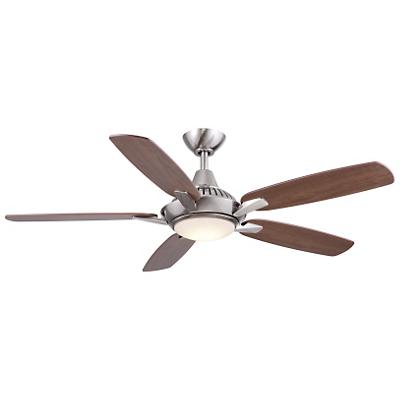
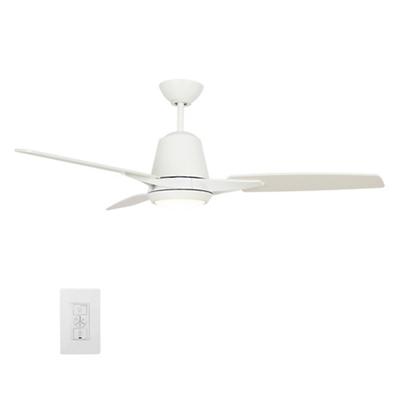
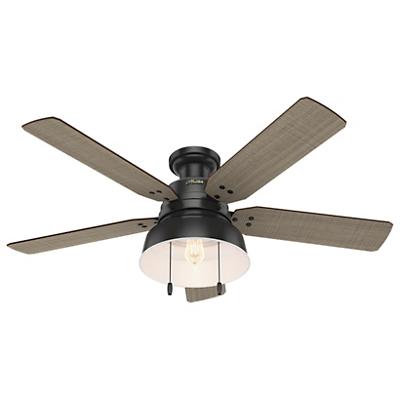
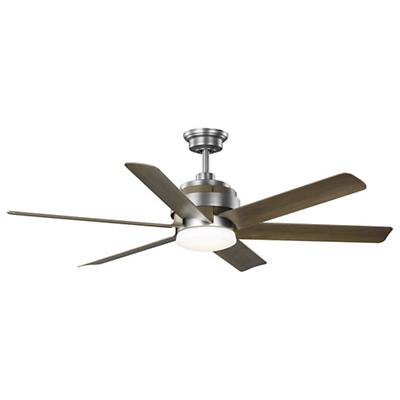


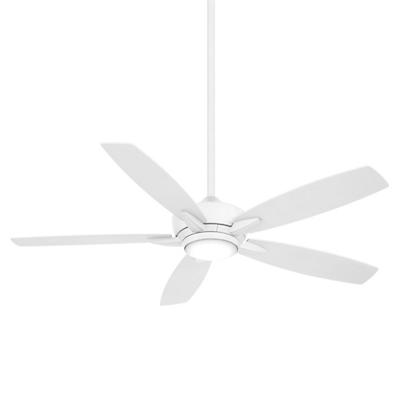
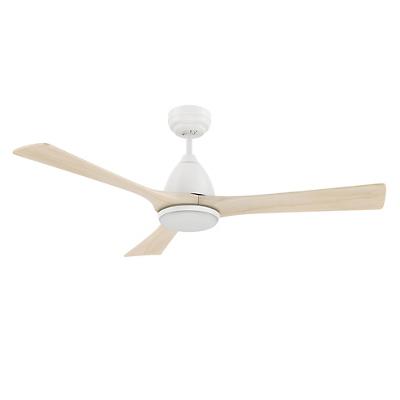

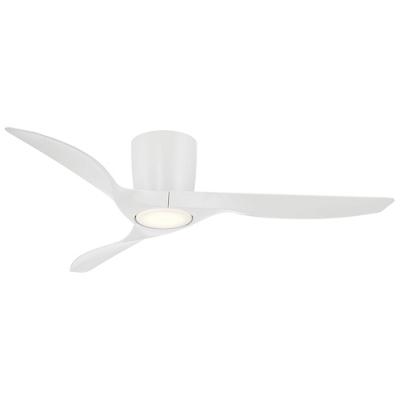
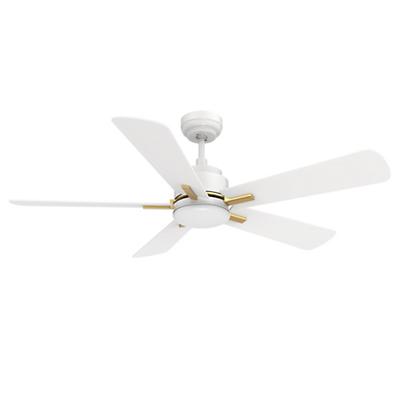
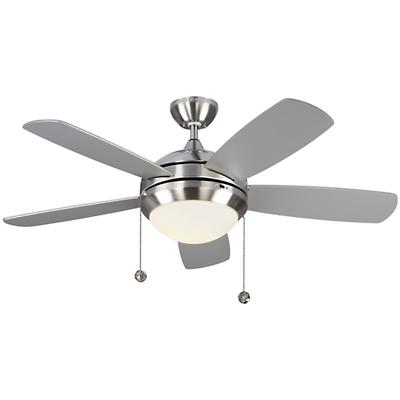
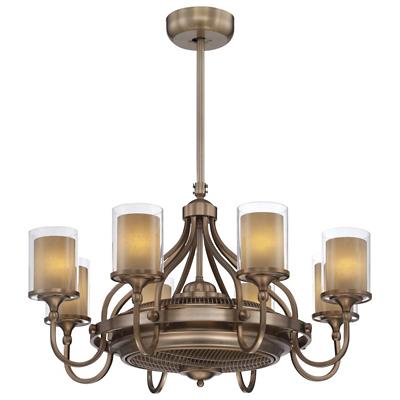
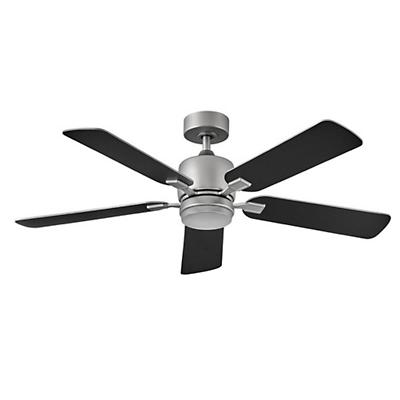

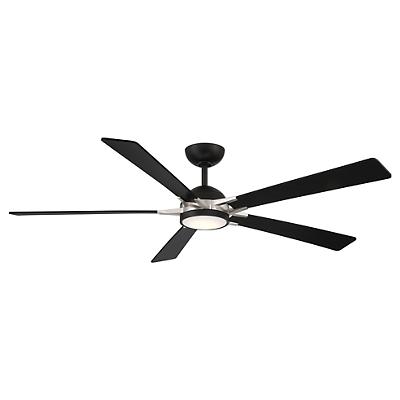


Ceiling Fans With Lights Explore
Illuminated Comfort: The Complete Guide to Ceiling Fans with Lights
Benefits of Adding a Ceiling Fan with Lights in Your Home
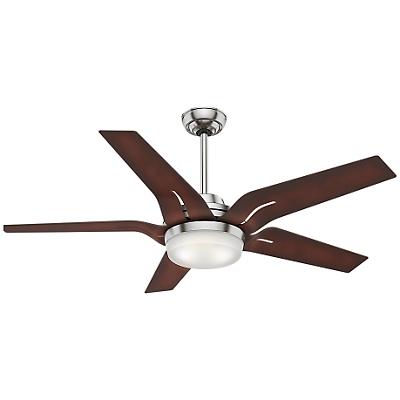
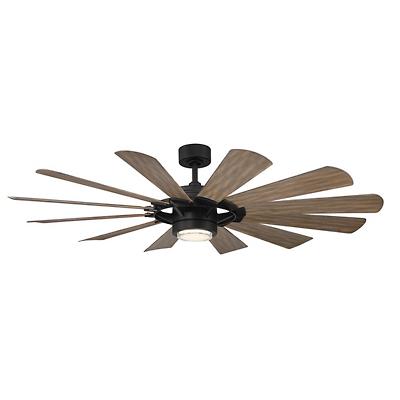
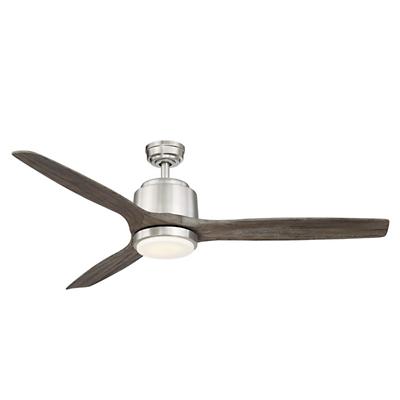
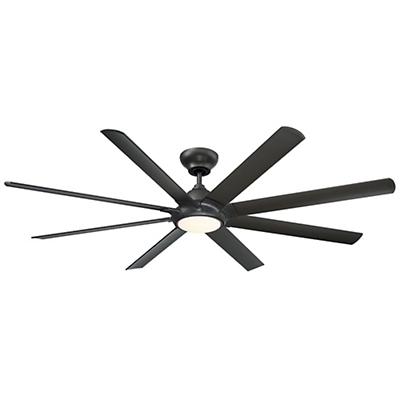
A ceiling fan with lights is an economical and practical addition to any home. Not only do modern ceiling fans provide efficient air circulation to keep your spaces comfortable year-round, but their integrated lighting brings additional illumination. Available in numerous styles, these fans easily blend functionality and aesthetics, complementing your interior design.
Versatile Lighting in Modern Ceiling Fans
Modern ceiling fans with lights come in diverse styles to complement any home decor. When selecting a fan, consider the type of lighting provided, such as energy-efficient LED or traditional bulbs. Bulbs can affect the quality and warmth of light produced. Some models offer light customization options, including color and intensity adjustments, especially if they feature dimmable lighting, ensuring the ideal ambience for any space. Additionally, fans with flush mount designs or remote controls add convenience and functionality, melding style with ease of use for everyday living.
Enhanced Airflow and Lighting in Ceiling Fans
Ventilation is a crucial yet often underrated element of ceiling fans with lights. Proper ventilation enhances air circulation, especially in high moisture zones like bathrooms and kitchens. In bathrooms, a bath fan effectively clears steam, maintaining a clear atmosphere post shower. A heater function in some bath fans provides added warmth in colder seasons. Ceiling fan lights integrated with exhaust features are perfect for reducing humidity while improving comfort. For larger areas, seek fans with a robust motor, and for a sleek appearance, select models with enclosed duct systems.
Ceiling Fans with Lights for Living Rooms
The living room is an ideal location for modern ceiling fans due to their dual function—cooling and lighting. Whether hosting gatherings, relaxing with family, or enjoying a quiet evening, ceiling fans with lights offer customizable lighting options, from subtle accent glows to bright main illumination, fitting various scenarios and enhancing your interior design. For lower ceilings, consider low profile ceiling fans. These options deliver the same efficient air movement and attractive lighting without overwhelming the room’s style.
Ceiling Fans with Lights for Bedrooms
Ceiling fans with lights enhance bedrooms by creating comfortable airflow and providing versatile lighting. This ensures consistent temperature regulation, promoting restful sleep. These fans suit various styles, matching contemporary or traditional bedroom decor. The combination of gentle breezes and adjustable lighting creates an ideal environment for relaxation and sleep quality improvement.
Bathroom Ceiling Fan Solutions
In the bathroom, consider installing a bathroom exhaust fan or a bathroom exhaust fan light, specifically designed for humidity control and moisture removal. Adding a wall-mounted fan with light is an alternative for tight spaces. Bathroom fan installations maintain air quality, prevent mold growth, and provide essential lighting for grooming routines. Selecting a bathroom exhaust fan light also adds decorative value, making bathrooms more inviting and functional.
Essential Features of Bathroom Ceiling Fans
When selecting a bathroom ceiling fan with light, consider key features that enhance functionality. A crucial factor is ventilation, so aim for a model with a high CFM, like 110 CFM or 80 CFM, to efficiently manage moisture and curb mold growth. This ensures your bathroom ceiling fan provides optimal performance. Opt for an exhaust fan light, which combines lighting and air circulation in one compact fixture. Choose energy-efficient models with dimmable lighting to allow versatile control over brightness levels.
Selecting the Ideal Bathroom Exhaust Fan
Choosing the right bathroom exhaust fan goes beyond considering CFM ratings. Pay attention to the noise level since a quiet fan enhances a peaceful atmosphere. A fan with heating features can provide added comfort during cooler months, serving as a fan heater. Ensure your ventilation fans are adequately rated for bathroom use to effectively tackle dampness. Shop for fans that match your specific needs and stylistic preferences. Opt for models in a white finish to seamlessly integrate with typical bathroom decor, ensuring both functionality and visual appeal.
Kitchen and Bathroom Ventilation Solutions
Both kitchen and bathroom fans significantly contribute to maintaining your home's air quality. In kitchens, an exhaust fan efficiently removes cooking smoke and moisture, ensuring a clean and comfortable environment. A bath ventilation fan light serves a similar role, maintaining freshness after showers. Ensuring a consistent air quality is essential for every space. While shopping, find fans that meet both ventilation needs and style preferences, whether you prefer sleek white finishes or contemporary flush-mount designs that enhance your home's modern aesthetic.
Outdoor Ceiling Fan Options
Extend your home's comfort outdoors with durable ceiling fans with lights designed for patios and outdoor living areas. These fans circulate air efficiently, enhancing comfort during hot days and chilly nights alike. The wide array of styles, from modern ceiling fans to rustic designs, allows for seamless integration into your outdoor aesthetic. Outdoor ceiling fans with built-in light kits illuminate dining spaces, lounging areas, and gaming tables, enhancing usability during evening gatherings.
Ceiling Fans With LightsFrequently Asked Questions
How many blades are best for an outdoor ceiling fan?
The ideal number of blades depends on your preference for style and airflow. Fans with three to five blades are most common. Fewer blades often mean stronger airflow and a more modern look, while more blades can offer quieter operation and a more traditional aesthetic.
Expert Tip: Blade count affects performance less than design - a well-engineered 3-blade fan with 14° pitch outperforms cheap 5-blade models. For windy areas, fewer blades reduce resistance and motor strain during gusts.
What type of fan is best for an outdoor patio?
The best fan for an outdoor patio is a wet-rated ceiling fan, designed to withstand direct exposure to the elements. Look for fans with weather-resistant finishes, corrosion-proof components, and energy-efficient features like LED lighting for added functionality.
Expert Tip: True wet-rated fans have copper motor windings - cheaper aluminum-wound motors fail 3x faster in humidity. Look for UL Wet Location certification, not just "outdoor use" claims.
Do outdoor fans make a difference?
Yes, outdoor fans significantly improve comfort by increasing air circulation, which helps cool down hot, humid spaces. They also help deter bugs and create a more inviting atmosphere for dining, relaxing, or entertaining outdoors.
Expert Tip: Fans create a 5-7°F wind chill effect but only when air velocity exceeds 160 ft/min. Position fans to blow diagonally across seating areas at 15° angles for maximum coverage without drafts.
How long do LED ceiling fans last?
LED ceiling fans typically last between 25,000 to 50,000 hours, depending on usage and quality. This longevity makes them a smart, energy-efficient investment for your outdoor space.
Expert Tip: LED lifespan plummets in heat - choose fans with thermal-protected drivers rated for 60°C+ ambient temps. Coastal installations need salt-spray tested components to prevent premature corrosion.
What ceiling fan has the best airflow?
Ceiling fans with a high CFM (cubic feet per minute) rating offer the best airflow. Look for fans with strong, energy-efficient motors and optimal blade pitch for maximum air movement, especially in larger patios or open-air settings.
Expert Tip: CFM ratings assume perfect conditions. Real-world airflow drops 25% with standard downrods - upgrade to vented downrods that prevent air compression for true performance.
What size outdoor ceiling fan should I buy?
Select a fan size based on your space. For areas up to 75 sq. ft., a 29–36" blade span works best. Medium spaces (76–144 sq. ft.) call for 36–42", larger spaces (144–225 sq. ft.) suit 44–50", and oversized areas (225+ sq. ft.) should use fans 52" or larger.
Expert Tip: For vaulted ceilings, add 6" to blade span per 2' of ceiling height over 9'. A 10' ceiling needs a fan 12-18% larger than standard sizing charts recommend for equivalent airflow at seated level.
What color outdoor ceiling fan should I get?
Match your fan to your outdoor décor. Popular colors include matte black, bronze, white, and brushed nickel, each offering durability and style. Choose a finish that withstands UV exposure and weather conditions.
Expert Tip: Dark finishes absorb UV rays that degrade motor housings - in sunny climates, choose light colors with ceramic-infused coatings that reflect 90% of UV radiation.
What is the best type of outdoor ceiling fan?
Wet-rated outdoor ceiling fans with LED lights are ideal for open spaces. Choose models with durable construction, remote controls, reversible motors, and energy-saving LED light kits for year-round performance.
Expert Tip: DC motors maintain speed better in wind but require clean power - install with surge protectors in storm-prone areas. Look for fans with sealed capacitor compartments to prevent moisture damage.
How low should you hang an outdoor ceiling fan?
Outdoor ceiling fans should hang at least 7 feet from the ground. For higher ceilings, use a downrod to place the fan blades around 8–9 feet high for optimal circulation.
Expert Tip: The 7' rule applies to flat ceilings. For sloped installations, measure clearance from the lowest blade point - a 12° slope adds 3" of effective height at the downward side.
What are the best LED ceiling fans?
Look for outdoor ceiling fans with integrated LED light kits for energy efficiency and long-lasting brightness. Brands like Minka Aire, Hunter, and Modern Forms offer high-performance models with sleek designs and smart controls.
Expert Tip: Integrated LED fans with field-replaceable light engines (like Haiku's modular design) outlast sealed units. Verify CRI >90 for accurate color rendering of outdoor finishes at night.
What is the best ceiling fan with a bright LED light?
For bright illumination, choose a fan with a high-lumen LED light and adjustable color temperature. This ensures your patio or deck is not only cool but well-lit for evening gatherings.
Expert Tip: True 3000+ lumen outdoor fans use multi-chip LED arrays with passive heat sinks. Avoid models claiming high output with single-point LEDs - they overheat and dim prematurely.
Which Ceiling Fans with Lights Move the Most Air?
There are a number of factors that contribute to moving air in the room. The CFM is a large factor that determines the fan's ability. Fans with traditional oar-shaped blades move the most air, while fans with larger blades may seem like they move more air but actually create more drag, slowing the motor and the efficiency of the fan. Most household fans come with 4 or 5 blades. The lower the number of blades, the less drag is created, meaning air can move faster and more efficiently. Consider a 3 blade ceiling fan for air movement efficiency.
The pitch of the blades affects air movement. A blade pitch of 14 degrees and more is the best. Downrods also make a difference. A flush mounted ceiling fan moves less air, while a modern ceiling fan lowered into the room is able to move more air.
Expert Tip: When choosing a ceiling fan, consider not only the number of blades but also the material and design of the blades. Wood and plastic blades are often more efficient than metal blades, as they create less drag. Also, larger fans are ideal for larger rooms, but make sure the CFM (Cubic Feet per Minute) rating aligns with the room size for optimal air circulation.
Which Direction Should a Ceiling Fan Turn in The Summer and Winter?
The direction of the blades on a ceiling fan matters depending on the season. For the summer, make sure the blades are spinning counterclockwise. This rotation pushes the air downward. In the wintertime, set the blades to turn clockwise. In this direction, the rotation creates an updraft, which pushes warm air stuck near the ceiling back down into the room, circulating it and keeping the warm air throughout the space.
Expert Tip: Remember to adjust your ceiling fan direction during seasonal changes for maximum efficiency. In summer, counterclockwise airflow can cool the room by creating a wind-chill effect, while in winter, the clockwise rotation helps circulate warm air trapped at the ceiling, making your heating system work more efficiently. Set a reminder to flip the fan switch twice a year to optimize comfort and energy savings.
What's The Difference Between Indoor & Outdoor Ceiling Fans?
Indoor and outdoor ceiling fans come in the same styles and offer the same functions, however be aware of the location rating of the fixture. Location ratings determine what kind of environment that fixture can be installed in, ranging from dry to damp to wet. A dry environment is any space indoors without moisture or risk of water getting on the fixture. A damp rating allows for indirect moisture such as condensation build up in a bathroom, while a wet rating means the fixture can be directly exposed to sprays of water without damaging the electrical components.
Expert Tip: When choosing an outdoor ceiling fan, look for models with moisture-resistant features such as sealed motor housings and rust-resistant finishes. For areas with high humidity or exposure to rain, consider wet-rated fans that can withstand direct water exposure. For covered porches or patios, damp-rated fans are usually sufficient. Always double-check the fan’s location rating to ensure it’s safe and durable for your intended environment.