Grey Modern Area Rugs and Contemporary Rugs






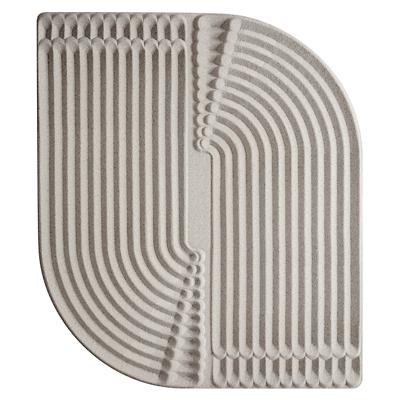
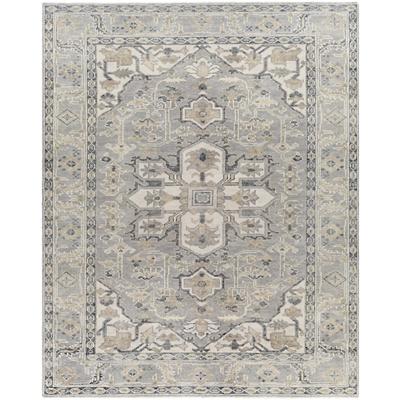
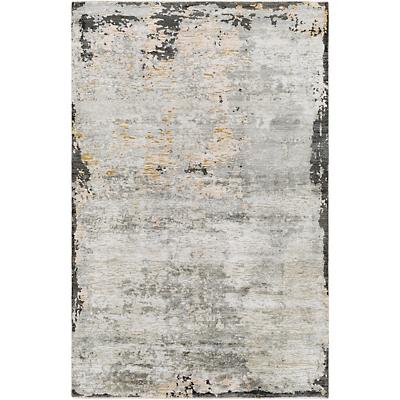
Area Rugs Explore
Why Choose a Grey Area Rug
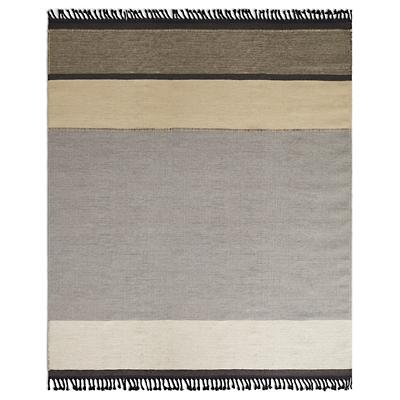
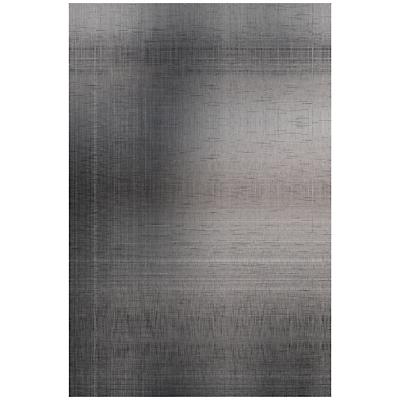
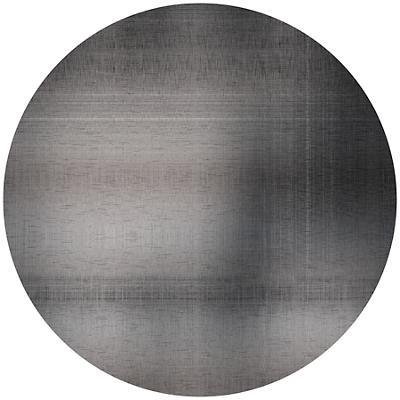
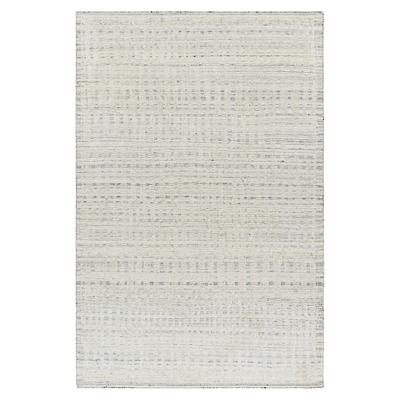
Grey is a color of balance. Softer than black yet richer than white, it adds depth without dominating a space. Its adaptability allows it to complement warm woods, cool metals, or bold color accents with ease. Beyond its design appeal, grey is also practical: its forgiving tones make it a smart choice for high-traffic areas, concealing wear more gracefully than lighter shades.
Popular Styles and Designs
Grey rugs span a wide range of looks, each bringing its own character:
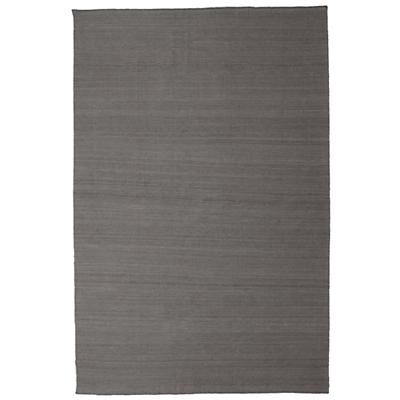
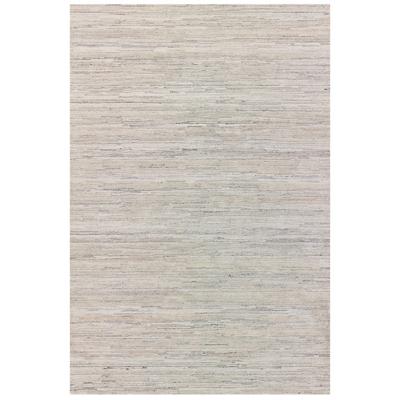
• Solid Grey Rugs: Minimalist foundations that anchor a space with quiet elegance.
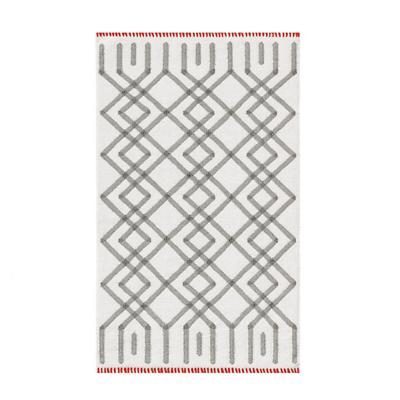
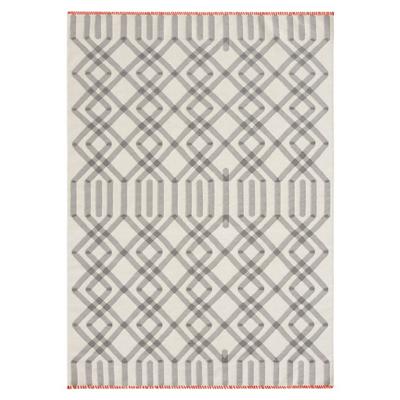
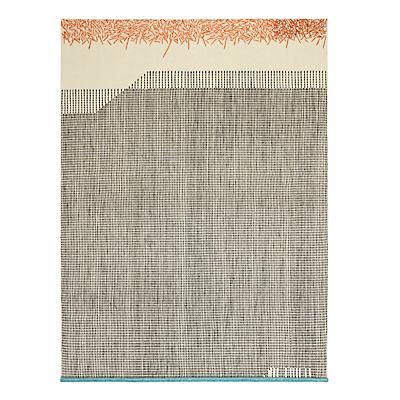
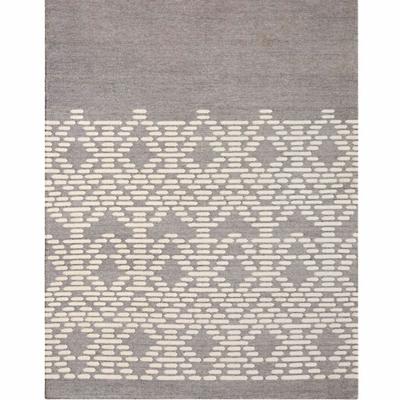
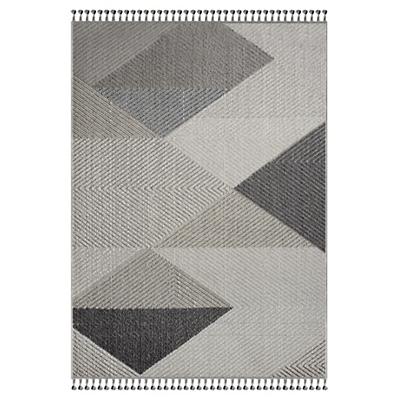
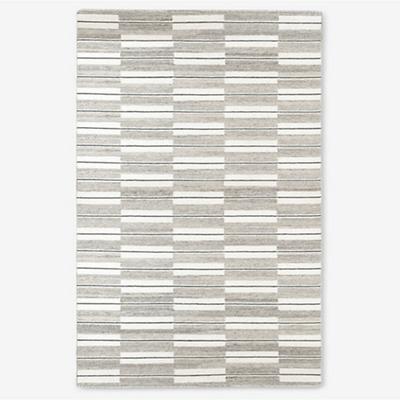
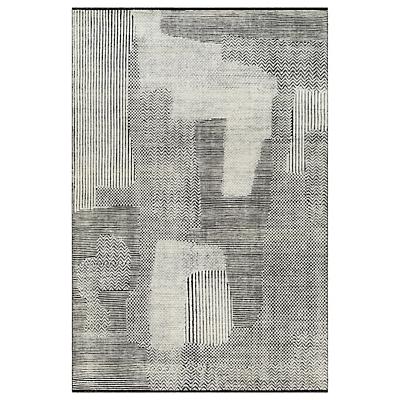
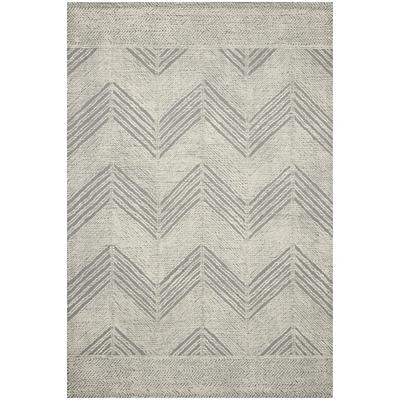
• Geometric and Modern Patterns: Clean lines and tonal contrasts for structure and impact.
• Traditional and Oriental Motifs: Classic designs reimagined in modern grey palettes.
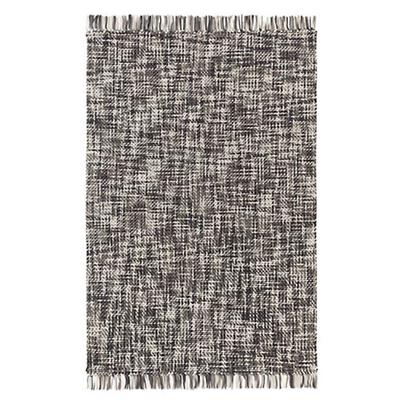
• Shag and Textured Rugs: Plush surfaces that add warmth, depth, and tactile comfort.
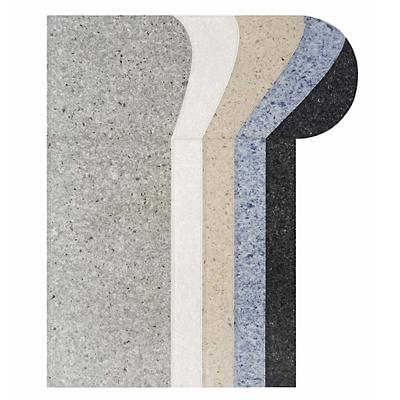
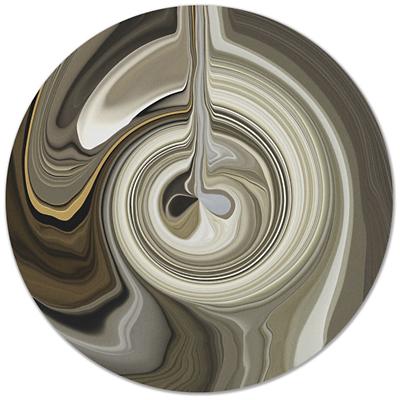
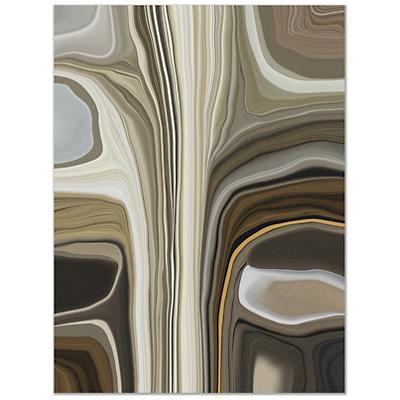
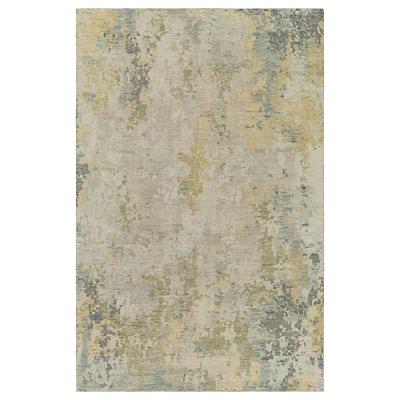
• Abstract or Artistic Patterns: Expressive styles that introduce movement and personality.
Materials and Constructions
The right material shapes both the look and feel of a rug:
• Wool: Luxurious, durable, and soft—ideal for living rooms and bedrooms.
• Cotton: Lightweight and breathable, perfect for casual or seasonal use.
• Synthetic Fibers: Affordable, resilient, and easy to maintain, suited to high-traffic zones.
• Silk or Silk-Blends: A refined sheen that elevates sophisticated interiors.
• Performance Rugs: Durable designs built for indoor-outdoor versatility.
Decorating with Grey Area Rugs
Grey rugs are highly adaptable styling tools. In bold interiors, they act as quiet backdrops that allow vibrant furniture or artwork to shine. In neutral spaces, layering multiple shades of grey creates tonal harmony and sophistication. For modern rooms, pairing a grey rug with metallic accents in brass, chrome, or black steel introduces contrast and depth. Textural pairings—such as combining a plush rug with sleek, modern furniture—bring balance and visual interest.
Room-by-Room Styling Ideas
• Living Rooms: Anchor seating arrangements with a large grey rug to create cohesion and balance.
• Bedrooms: Add plush softness underfoot to establish a serene, restful retreat.
• Dining Rooms: Choose flatweave or low-pile grey rugs for a balance of practicality and style.
• Offices: Define workspaces with a neutral foundation that maintains a professional edge.
A Neutral That Never Fades
Grey area rugs are timeless foundations, offering balance, warmth, and modern elegance to any space. Their versatility ensures lasting appeal—equally at home alongside bold design statements or soft, neutral palettes.
At Lumens, our curated collection of grey rugs highlights craftsmanship, versatility, and design integrity—pieces that ground your space with comfort and elevated style.
Why Lumens Curates Grey Area Rugs
At Lumens, we believe a rug is more than a foundation—it's a design element that enriches the entire room. Our grey area rug collection emphasizes quality, versatility, and timeless appeal, ensuring each piece adapts effortlessly to evolving interiors while delivering comfort and elegance.
Frequently Asked Questions about Grey Area Rugs
Do grey rugs make a room look cold?
Not necessarily. Grey can read warm or cool depending on its shade and material.
Expert Tip: Select warm-toned greys with taupe or beige undertones to soften a space, or cool greys with blue undertones for crisp, modern contrast.
What colors pair best with grey rugs?
Grey pairs beautifully with neutrals, jewel tones, and bold accents.
Expert Tip: Use grey as a grounding base, then repeat accent colors in pillows, artwork, or lighting for cohesion.
Are grey rugs good for high-traffic spaces?
Yes. Grey conceals wear more effectively than lighter neutrals.
Expert Tip: Opt for wool or performance rugs in family rooms, dining areas, or hallways for added durability.
Can grey area rugs work in traditional interiors?
Absolutely. Classic motifs in muted grey palettes refresh traditional designs.
Expert Tip: Pair with rich woods and layered textiles to keep traditional interiors warm and inviting.
How do I clean and maintain a grey rug without fading?
Vacuum regularly and spot-clean with gentle, rug-safe cleaners.
Expert Tip: Rotate the rug every few months to ensure even wear and minimize fading from sunlight.
Area RugsFrequently Asked Questions
What is the most durable material for area rugs?
Wool is one of the most durable materials for area rugs due to its resilience and natural stain resistance. Polypropylene and nylon also offer excellent durability for high-traffic areas.
Expert Tip: For areas prone to spills, consider rugs with a low-pile or flat-weave design for easier cleaning and maintenance.
What are the standard sizes for area rugs?
Common sizes include 5' x 8', 8' x 10', and 9' x 12'. Runners typically measure 2' x 8', and round rugs range from 4' to 8' in diameter.
Expert Tip: Before purchasing, use painter's tape to outline the rug size on your floor to visualize how it will fit within your space.
How much should I spend for a rug?
Prices vary widely based on material, size, and brand. Budget-friendly rugs may start at $50, while high-end options made of wool or silk can range into the thousands.
Expert Tip: Invest in a high-quality rug pad to extend the life of your rug and improve comfort, regardless of the rug's price point.
What is a good color rug for a living room?
Neutral tones like gray, beige, and off-white work well for versatility, while bold colors or patterns can add personality. Consider your room's existing color palette.
Expert Tip: If you have kids or pets, opt for patterned or darker rugs that can better conceal stains and wear.
Which natural fiber rug is best?
Wool is a premium choice for durability and softness. Jute and sisal are eco-friendly options that add texture but are less comfortable underfoot.
Expert Tip: Pair jute or sisal rugs with a soft rug pad or layer them under smaller, cozier rugs to enhance comfort.
What is the texture of a polypropylene rug?
Polypropylene rugs often have a smooth and slightly synthetic texture but are designed to mimic the look of natural fibers. They’re soft, durable, and easy to clean.
Expert Tip: Look for polypropylene rugs with a higher pile for a softer, plush feel, ideal for bedrooms or lounging areas.
How do you take care of a rug?
Vacuum regularly, spot clean spills immediately, and rotate the rug periodically to ensure even wear. For deeper cleaning, professional rug cleaning is recommended.
Expert Tip: Use a beater-bar-free vacuum to prevent damage to delicate fibers or woven designs.
Are geometric rugs in style?
Yes, geometric rugs remain popular for modern and contemporary spaces, offering clean lines and bold patterns that complement minimalist interiors.
Expert Tip: Choose geometric rugs in neutral tones for subtle elegance, or go for vibrant patterns to create a focal point in your room.
Should an area rug go under the sofa?
Yes, it’s recommended. Either place the sofa entirely on the rug or ensure the front legs are on it with at least 3 inches of rug extending behind the legs.
Expert Tip: Ensure the rug extends at least 6 inches beyond the sides of the sofa for a balanced and cohesive look.
What type of rugs are best for a living room?
Wool rugs are the best for a living room due to their durability, softness, and natural stain resistance. Synthetic rugs are also a practical and affordable choice.
Expert Tip: Layering rugs—such as a flat-weave jute rug under a smaller wool rug—can add dimension and style to your living room.
What does a round rug do to a room?
A round rug can make a space feel larger by drawing the eye and creating a sense of flow, especially in smaller or awkwardly shaped rooms.
Expert Tip: Use round rugs under circular furniture, such as a round dining table or ottoman, to enhance the harmony of the space.
What makes a rug modern?
Modern rugs are defined by their clean lines, bold colors, and minimalist patterns, often inspired by mid-century and contemporary design.
Expert Tip: Look for asymmetrical patterns or unique textures like high-low pile designs for a cutting-edge modern aesthetic.
What is a contemporary style rug?
Contemporary rugs typically feature abstract designs, geometric patterns, and neutral tones, avoiding the ornate details of traditional styles.
Expert Tip: Mix and match contemporary rugs with vintage furniture to create a balanced, eclectic look that feels both fresh and timeless.