Modern Track Lighting & Rail Lights




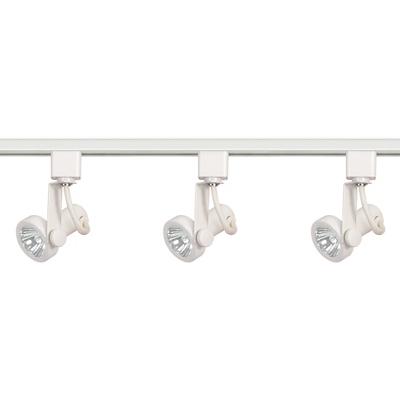

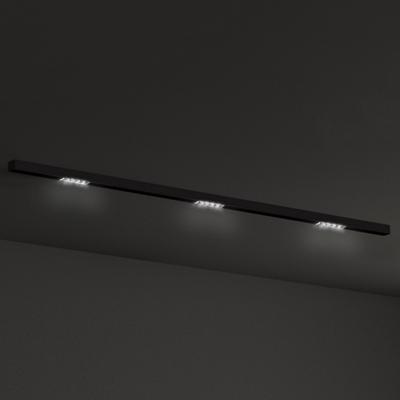
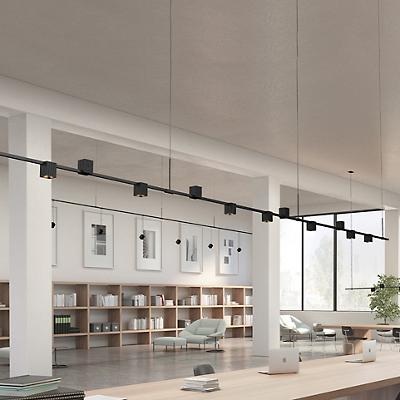
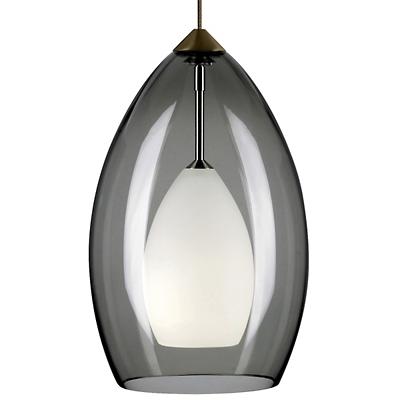
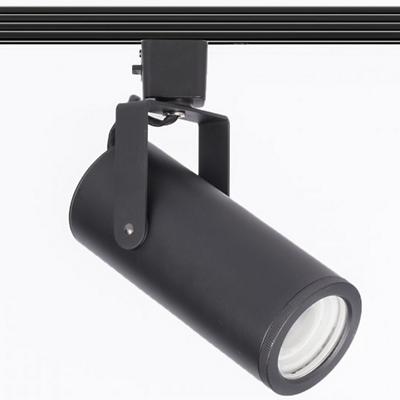
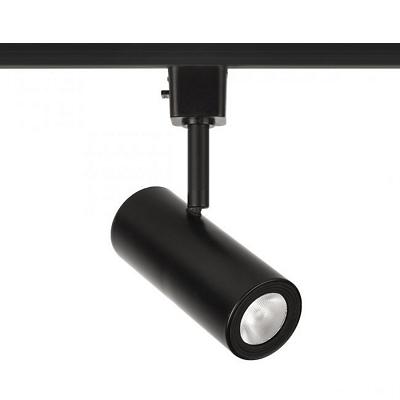
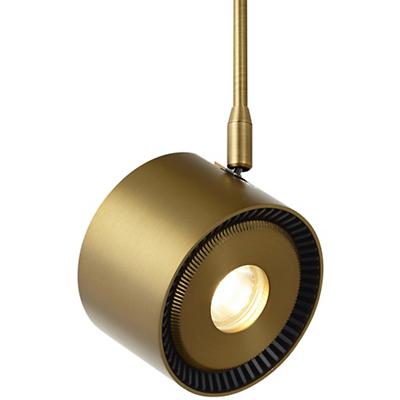
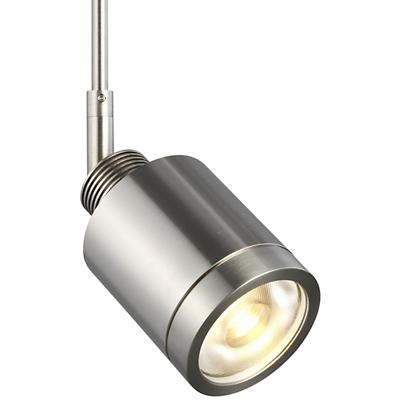





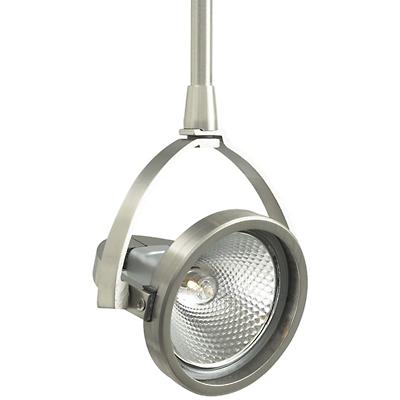

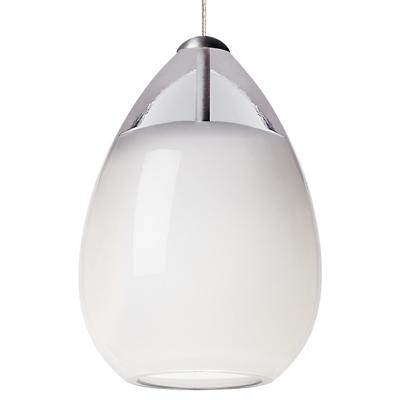

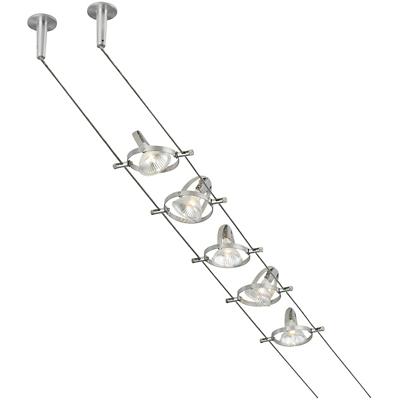
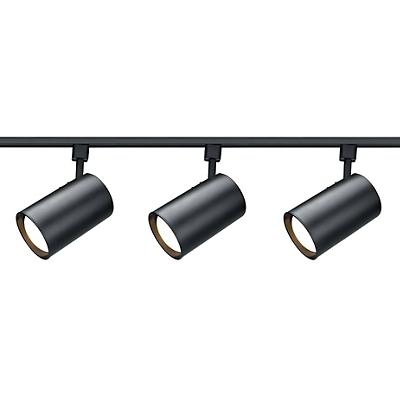

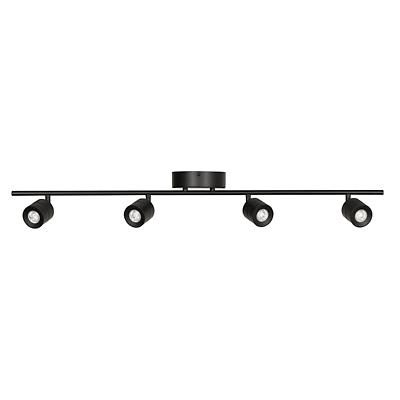
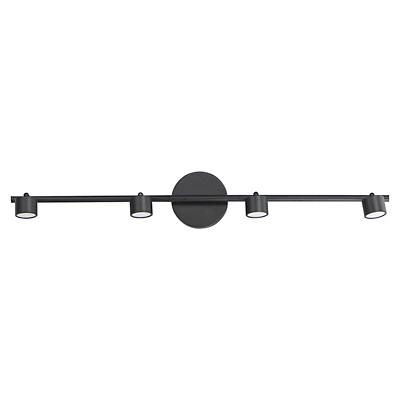

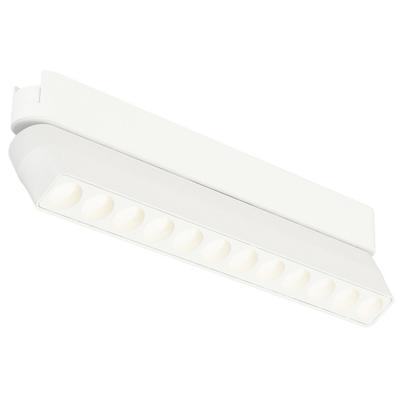
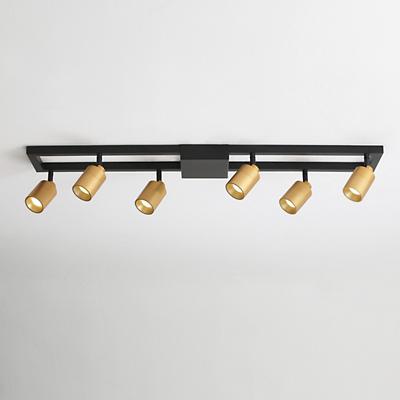
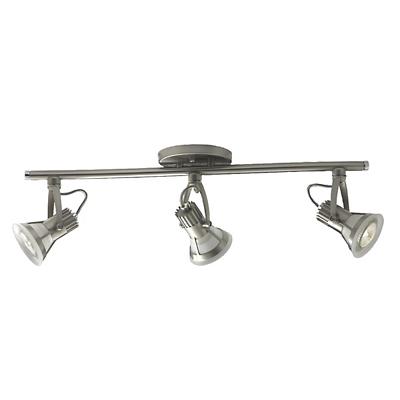
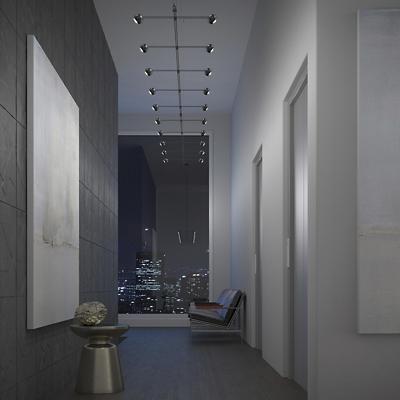

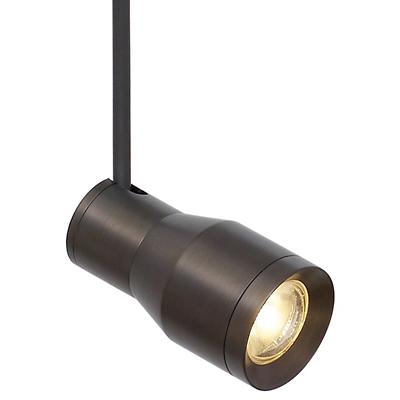
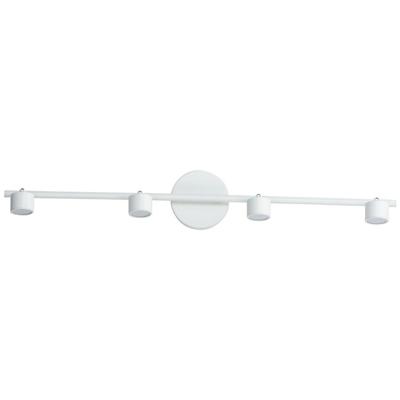
Track & Monorail Systems Explore
Why We Love Track, Cable & Monorail Lighting
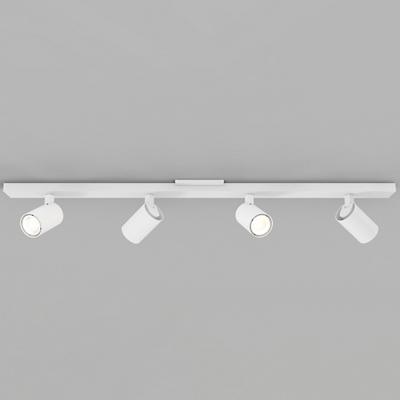
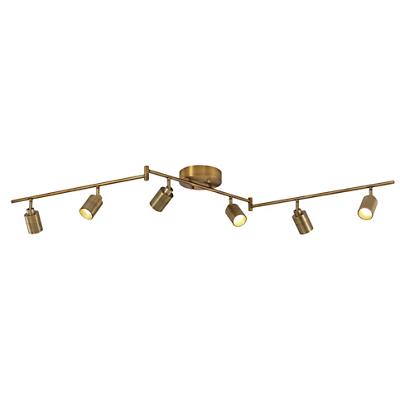
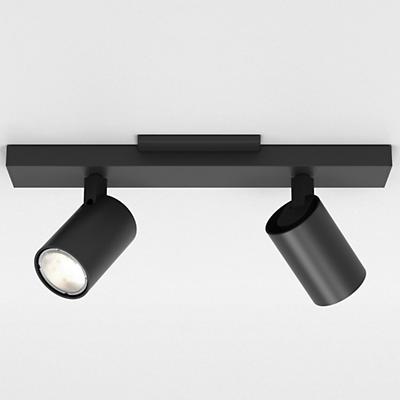
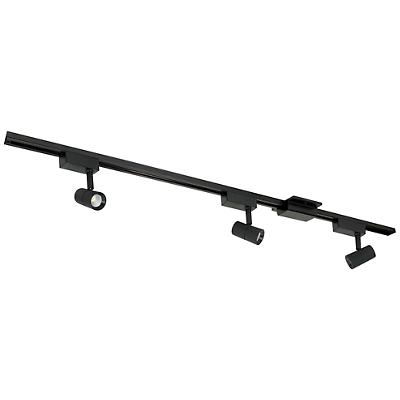
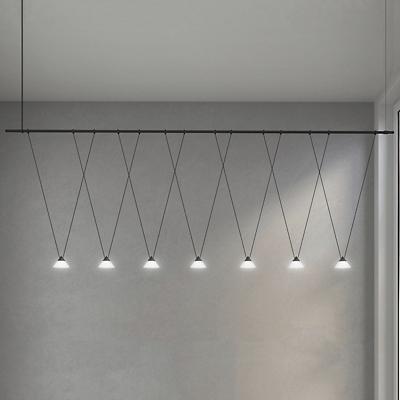
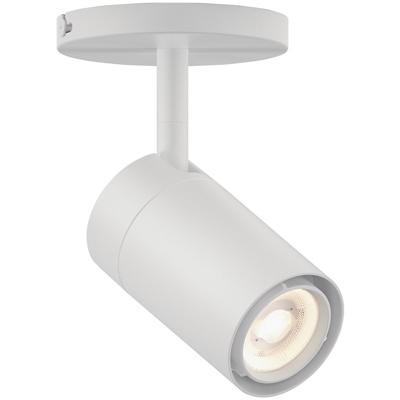
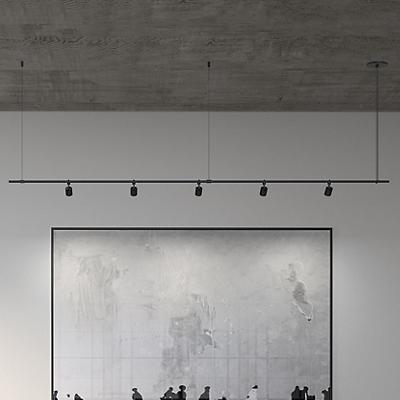
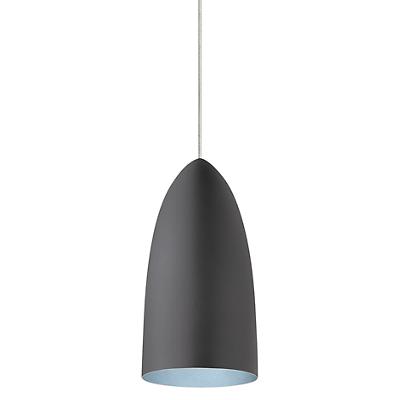
Our favorite ceiling light fixtures are those that 1) look great and 2) are easy to use. Both things are inherent in track, monorail and cable lighting systems. Track lighting systems have been the display lighting fixtures of choice for decades, with a row of adjustable spotlights set along a rigid, industrial-looking track. Monorail lighting systems provide even great lighting flexibility -- literally -- with bendable rails and an amazing selection of adjustable spotlights and decorative mini-pendant lights. Both types of track and monorail light systems accommodate interchangeable elements, allowing you to mix and match to your heart's content.
Where Track & Monorail Systems Work Best
The modernity of the technology, in general, makes rack and monorail lighting especially ideal in contemporary settings, for both residential and commercial spaces. In the modern living room or great room, track lighting is the perfect option for highlighting artwork along the wall or for providing directional, display-oriented light over the media cabinet. A flexible track or monorail lighting system can also find its home in the kitchen, providing focused -- and adjustable -- light for multiple tasks, as well as overhead accent lighting. Cable lighting is a go-to choice for hallways and thoroughfares, where you need light spread across a long span of ceiling. And in hotels, restaurants, retail stores and other commercial locations, commercial track lighting directs your visitors' attention and adds eye-catching drops of color to a space.
A Track & Monorail System for Every Style
Whether your home is fashioned with modern decor or a more transitional and traditional style, you are sure to find a track and monorail light here that matches any interior's aesthetic. Transitional homes benefit from the track and monorail light fixtures by George Kovacs and Kichler, with a variety of popular metallic finishes including nickel, bronze and chrome. Kitchens and living rooms become instantly modern with fixtures by Tech Lighting and if you prefer energy efficiency in your space, look to the LED track and monorail lights from WAC Lighting. Finally, achieve an elegant, luxurious look with crystal track and monorail fixtures by Schonbek Lighting. Adorning shining crystals from Swarovski, these designs are guaranteed to impress.
How to Choose the Best Track, Monorail & Cable Light Systems
Track and monorail lighting is expansive in its selection of shapes and sizes. From large, multi-head track lighting systems fit for big, open living rooms to petite monorail lighting for a compact kitchen or breakfast nook, you are guaranteed to find a wide variety of decorative options in this assortment. And you'll find 2-circuit systems as well, giving you the versatility you need for any type of lighting scheme you are trying to accomplish in your space. Be sure to completely measure your ceiling before installing a track and monorail system and thoroughly review the fixture's sizing dimensions to avoid any complications. Keep in mind that monorail and cable systems can become quite long, so you'll need plenty of ceiling real estate to work with. Lastly, check the fixtures' brightness ratings and required bulb type to know just how much light output you can expect. If you think a system will be too bright for your application, you may consider putting the lighting fixtures on a dimmer switch.
Other Considerations
Easily complement your new lighting system with light switches, dimmers and outlets from the Legrand Adorne collectin. You can also achieve a similar focus of directional illumination with a wall picture light. Instead of installing ont he ceiling, most picture lights mount to the wall and allow for a directional wash of light on wall. Check out all of the available fixtures you can use for hallway lighting and consider layering your choice of lighting with appropriately positioned wall lamps.
Track & Monorail FAQs
What is the difference between track lighting and monorail lighting?
Monorail lighting is suspended from the ceiling using standoffs, allowing the rail to curve or bend for custom layouts. Traditional track lighting usually mounts directly to the ceiling in straight sections, offering a simpler installation but less flexibility in shape.
Expert Tip: Monorail systems work well for highlighting architectural details or artwork, while traditional track lighting is great for general illumination in kitchens and hallways.
Is Kichler a good lighting brand?
Yes. Kichler Lighting is known for quality construction and design variety, making it a trusted name for both residential and commercial applications.
Expert Tip: Kichler offers a broad range of finishes and styles, making it easy to match fixtures with your existing decor.
What are the three types of track lighting?
The main systems are H-track, J-track, and L-track. Each type has uniquely shaped connectors and parts that are not interchangeable with the other systems, so it’s important to confirm compatibility when purchasing.
Expert Tip: If you’re unsure which track system you have, check the manufacturer’s markings on the track or bring a piece to a lighting showroom for identification.
What are the lights on your ceiling called?
Lights installed flush or semi-flush into the ceiling are often referred to as recessed lights, can lights, or downlights. These fixtures provide a sleek, unobtrusive look.
Expert Tip: Recessed lighting pairs well with track or monorail systems to create layered lighting for a more dynamic space.
How much voltage does track lighting need?
Most track lighting systems are designed for standard line voltage (120V). However, there are also low-voltage systems (12V or 24V) that use transformers. Always check your fixture’s requirements before installation.
Expert Tip: Low-voltage systems are often preferred for their sleek, small-sized fixtures and improved energy efficiency.
What are the different types of track lighting?
Standard track, monorail, and cable systems are the most common. Standard track is a rigid, straight setup; monorail can curve or bend; and cable systems stretch wires across a space for a sleek, modern look.
Expert Tip: Choose a system based on ceiling height—monorail and cable lighting work best in rooms with higher ceilings, while standard track is ideal for lower ceilings.
How much does it cost to install track lighting?
Professional installation costs range widely based on the number of fixtures, ceiling condition, and electrical wiring needs. Basic setups may start around $200, while complex or custom projects can run $1,000 or more.
Expert Tip: If replacing existing lighting, installation costs may be lower since wiring is already in place.
What is a good wattage for track lighting?
Many modern track lighting fixtures use LEDs with wattages typically between 5W and 10W per head—offering bright illumination while remaining energy-efficient. Traditional halogen or incandescent systems may use higher wattages (35W or more), but LEDs are increasingly popular for their efficiency.
Expert Tip: For task lighting, opt for higher lumens (brightness) rather than just higher wattage.
What accessories do I need for track lighting?
Common accessories include connectors for corners or T-junctions, power feeds to supply electricity, end caps for an unfinished track end, and possibly dimmers or transformers if using low-voltage fixtures.
Expert Tip: Adding dimmers to track lighting can create a more versatile and mood-enhancing lighting setup.
Can you replace shades on track lighting?
Yes. Many track heads allow you to swap out shades or glass components. Ensure the replacement shade is compatible with your fixture’s mount and size specifications for a proper fit.
Expert Tip: Swapping shades is an easy and affordable way to update your lighting without replacing the entire system.
Track & Monorail SystemsFrequently Asked Questions
What is the difference between track lighting and monorail lighting?
Monorail lighting is suspended from the ceiling using standoffs, allowing the rail to curve or bend for custom layouts. Traditional track lighting usually mounts directly to the ceiling in straight sections, offering a simpler installation but less flexibility in shape.
Expert Tip: Monorail systems work well for highlighting architectural details or artwork, while traditional track lighting is great for general illumination in kitchens and hallways.
Is Kichler a good lighting brand?
Yes. Kichler Lighting is known for quality construction and design variety, making it a trusted name for both residential and commercial applications.
Expert Tip: Kichler offers a broad range of finishes and styles, making it easy to match fixtures with your existing decor.
What are the three types of track lighting?
The main systems are H-track, J-track, and L-track. Each type has uniquely shaped connectors and parts that are not interchangeable with the other systems, so it’s important to confirm compatibility when purchasing.
Expert Tip: If you’re unsure which track system you have, check the manufacturer’s markings on the track or bring a piece to a lighting showroom for identification.
How much voltage does track lighting need?
Most track lighting systems are designed for standard line voltage (120V). However, there are also low-voltage systems (12V or 24V) that use transformers. Always check your fixture’s requirements before installation.
Expert Tip: Low-voltage systems are often preferred for their sleek, small-sized fixtures and improved energy efficiency.
What are the different types of track lighting?
Standard track, monorail, and cable systems are the most common. Standard track is a rigid, straight setup; monorail can curve or bend; and cable systems stretch wires across a space for a sleek, modern look.
Expert Tip: Choose a system based on ceiling height—monorail and cable lighting work best in rooms with higher ceilings, while standard track is ideal for lower ceilings.
How much does it cost to install track lighting?
Professional installation costs range widely based on the number of fixtures, ceiling condition, and electrical wiring needs. Basic setups may start around $200, while complex or custom projects can run $1,000 or more.
Expert Tip: If replacing existing lighting, installation costs may be lower since wiring is already in place.
What is a good wattage for track lighting?
Many modern track lighting fixtures use LEDs with wattages typically between 5W and 10W per head—offering bright illumination while remaining energy-efficient. Traditional halogen or incandescent systems may use higher wattages (35W or more), but LEDs are increasingly popular for their efficiency.
Expert Tip: For task lighting, opt for higher lumens (brightness) rather than just higher wattage.
What accessories do I need for track lighting?
Common accessories include connectors for corners or T-junctions, power feeds to supply electricity, end caps for an unfinished track end, and possibly dimmers or transformers if using low-voltage fixtures.
Expert Tip: Adding dimmers to track lighting can create a more versatile and mood-enhancing lighting setup.
Can you replace shades on track lighting?
Yes. Many track heads allow you to swap out shades or glass components. Ensure the replacement shade is compatible with your fixture’s mount and size specifications for a proper fit.
Expert Tip: Swapping shades is an easy and affordable way to update your lighting without replacing the entire system.
