Transitional Modern Pendant Lighting & Hanging Lights


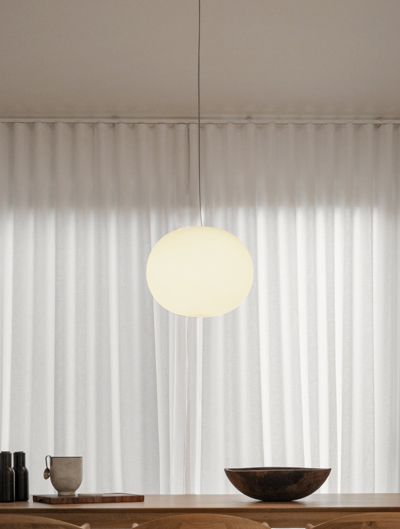
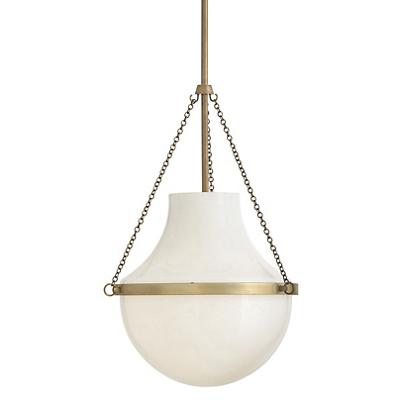

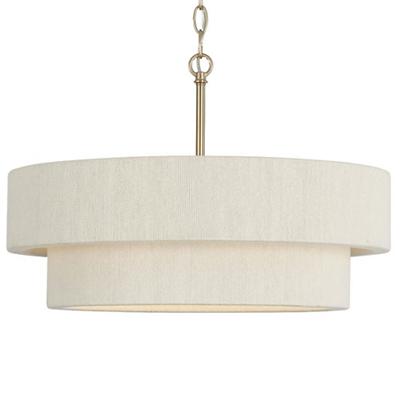

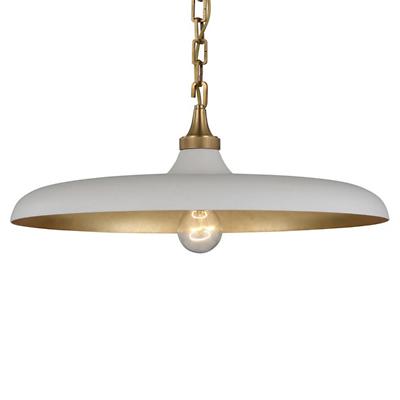


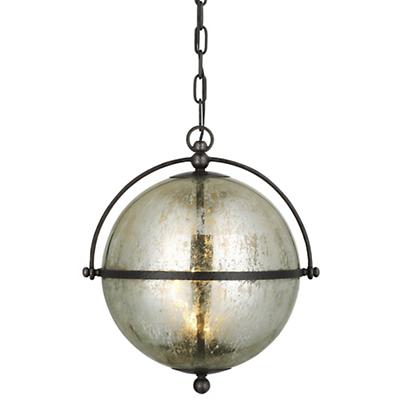

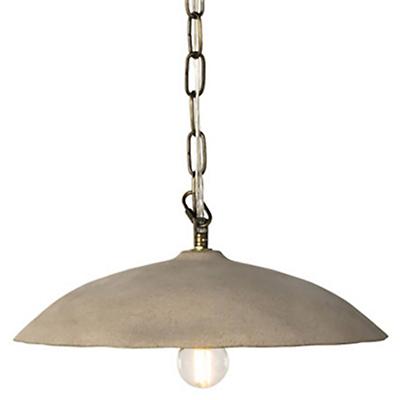


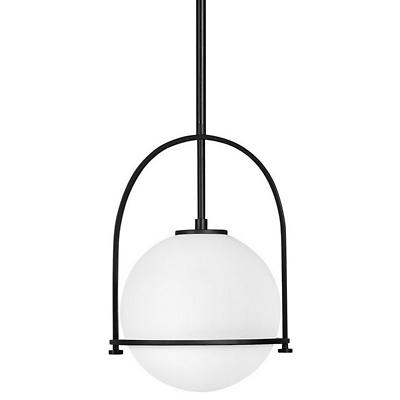


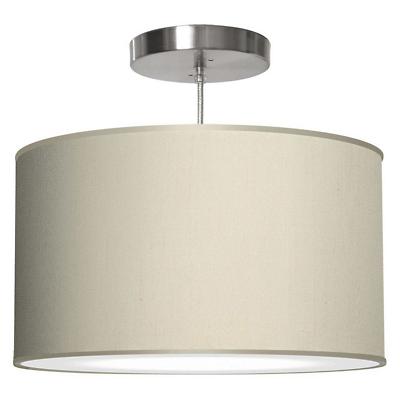
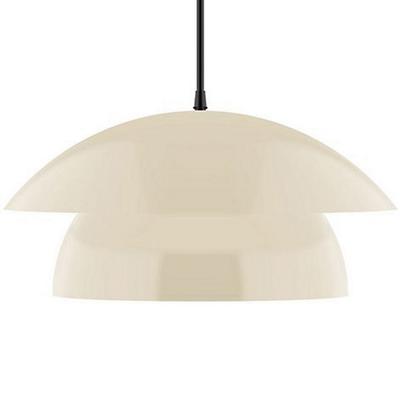
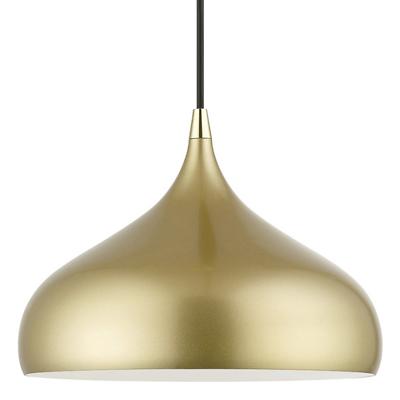


Pendant Lighting Explore
Transitional Pendant Lighting
Transitional pendant lighting bridges the gap between traditional elegance and modern simplicity, creating versatile fixtures that adapt to evolving interiors. This balanced design approach makes transitional pendants ideal for homeowners who appreciate classic forms with contemporary refinement. Our curated collection spans from mini pendants to statement-making large fixtures, offering hundreds of options in materials like aged brass, polished nickel, and matte black finishes. Whether you're illuminating a kitchen island, dining table, or entryway, transitional pendant lighting delivers enduring style that complements both warm traditional elements and sleek modern furnishings.
Understanding Transitional Pendant Lighting Design
Transitional pendant lighting combines clean lines with subtle ornamentation, avoiding the extremes of both ornate traditional and stark minimalist design. Key characteristics include balanced proportions, refined metal finishes, and versatile shade materials that diffuse light beautifully. Popular shapes in this category include drum pendants with fabric or metal shades, cone pendants offering focused task lighting, and globe pendants providing ambient illumination. The Visual Comfort Signature Piatto Pendant exemplifies this aesthetic with its plaster white finish and polished nickel hardware, while the Darlana Pendant showcases the lantern-inspired forms that define transitional style. These fixtures work equally well in California modern interiors and classic traditional spaces.
Style Variations in Transitional Pendant Lighting
Transitional pendant lighting encompasses diverse substyles that maintain the category's balanced aesthetic:
Artisanal Modern: Hand-crafted details meet clean forms in fixtures like the Grazia Pendant with its matte plaster finish
Coastal & Nautical: Relaxed elegance through materials like clear seeded glass and rope accents
Industrial Transitional: Metal cage designs and exposed hardware, exemplified by the Bayridge Pendant
Farmhouse Modern: Warm finishes paired with simple geometric shapes for approachable sophistication
Mid-Century Influenced: Subtle retro details like tapered shades and brass accents
The Elliot Pendant in Portland Gray demonstrates how transitional design adapts across multiple size options—from large to oversized—maintaining visual consistency while scaling for different applications.
Materials & Finishes for Lasting Appeal
Material selection significantly impacts both aesthetics and light quality in transitional pendant lighting. White glass shades and opal glass provide glare-free ambient light ideal for kitchens and dining rooms, while clear glass showcases decorative bulbs and creates sparkle. Metal finishes range from warm aged brass and bronze to cooler polished nickel and chrome. The Reese Pendant offers both clear restoration glass and white linen shade options, demonstrating how material choices affect light distribution. Natural materials like rattan add texture without overwhelming spaces, while fabric drum shades in the Goodman Pendant soften light for intimate settings. For durability, look for contract-grade options with robust construction and commercial-rated components.
Sizing Transitional Pendant Lighting for Your Space
Proper sizing ensures visual balance and adequate illumination. For kitchen islands, each pendant should measure roughly one-third to one-half the island width—a 7-foot island accommodates three 14-18" pendants spaced 24-30" apart. The Leo Pendant offers four size options (8", 10", 12", 14") for precise scaling. Over dining tables, choose pendants 12" narrower than table width; the Piatto Pendant comes in medium and large to suit tables from 36" to 60" wide. For entryways, add room length and width in
See the full pendant lighting collection for thoughtfully crafted fixtures that elevate any space.
Pendant LightingFrequently Asked Questions
Are pendant lights in style?
Yes, pendant lights remain a stylish and versatile lighting option. Modern designs, such as minimalist metal pendants, glass globes, and geometric shapes, are particularly popular. They are widely used in kitchens, dining rooms, and entryways to add both functionality and aesthetic appeal.
Expert Tip: To keep your space on-trend, opt for pendant lights with integrated LED technology or customizable features like adjustable heights and dimmable settings.
How to choose a hanging light?
When choosing a hanging light, consider the size of the space, the fixture's purpose, and your decor style. For example, in a kitchen, select a pendant that provides focused task lighting over an island, while in a dining room, choose a statement piece that complements the table's size and shape.
Expert Tip: Use the "3:1 rule" for pendant sizing—divide the room's height by 3 to determine the ideal fixture height. For example, a 9-foot ceiling would suit a pendant around 3 feet tall.
What is the difference between a chandelier and a hanging light?
A chandelier is a type of hanging light that typically features multiple arms or branches with several light sources, often used for decorative purposes. A pendant light, on the other hand, is a single light fixture suspended from the ceiling, usually providing focused or task lighting.
Expert Tip: For a cohesive look, pair a chandelier with matching pendant lights in adjacent spaces, such as a dining room and kitchen.
Can you change the shades on pendant lights?
Yes, many pendant lights allow you to change the shades, offering flexibility to update the look of your fixture. However, this depends on the design—some pendants have fixed shades, while others are modular.
Expert Tip: If you enjoy refreshing your decor, look for pendant lights with interchangeable shades or universal fittings that accommodate a variety of styles.
What are the different types of pendant lights?
The main types of pendant lights include mini pendants, multi-light pendants, drum pendants, and globe pendants. Each type serves different purposes, from task lighting over kitchen islands to decorative accents in living areas.
Expert Tip: Multi-light pendants are ideal for larger spaces, as they provide even illumination and can be adjusted to suit the layout of the room.
How do I know what size pendant light I need?
To determine the right size for a pendant light, consider the room's dimensions and the fixture's purpose. For example, over a kitchen island, the pendant should be 1/2 to 2/3 the width of the island. In dining rooms, the fixture should be 12 inches narrower than the table on each side.
Expert Tip: For a balanced look, hang multiple smaller pendants in a row over long surfaces, spacing them evenly and ensuring they align with the room's proportions.
What colors do pendant lights come in?
Pendant lights come in a wide range of colors, from neutral tones like black, white, and bronze to bold hues like red, blue, and gold. The finish and color should complement your existing decor and create the desired ambiance.
Expert Tip: Matte finishes are great for modern, understated looks, while metallic finishes like brass or copper add a touch of luxury and warmth.
What is the correct height for pendant lights to hang?
The ideal height for pendant lights depends on their location. Over a kitchen island or dining table, hang the fixture 30-36 inches above the surface. In entryways or living rooms, ensure the bottom of the pendant is at least 7 feet above the floor to avoid obstructing movement.
Expert Tip: Use adjustable pendant lights to fine-tune the height after installation, ensuring the perfect balance of functionality and aesthetics.
What are the different shapes of pendant lights?
Pendant lights come in various shapes, including drum, globe, cone, cylinder, and geometric designs. The shape you choose should align with the room's style—for example, globe pendants suit modern spaces, while drum shades work well in traditional settings.
Expert Tip: Mix and match shapes in a multi-pendant setup for a dynamic, eclectic look that adds visual interest to your space.
What is a good wattage for a pendant light?
A good wattage for a pendant light depends on its purpose. For task lighting, aim for 75-100 watts (or equivalent lumens for LEDs). For ambient lighting, 40-60 watts is usually sufficient.
Expert Tip: If using LED bulbs, remember that they consume less wattage while providing the same brightness as incandescent bulbs. For example, a 10-watt LED can replace a 60-watt incandescent.
How do you put a dimmer on a pendant light?
To add a dimmer to a pendant light, you'll need a compatible dimmer switch and, in some cases, dimmable bulbs. Turn off the power, replace the existing switch with the dimmer, and connect the wires according to the manufacturer's instructions.
Expert Tip: Ensure your pendant light fixture and bulbs are dimmable before installing a dimmer switch. Non-dimmable LEDs or fixtures may flicker or fail to work properly with a dimmer.

 Back To Top