Disc Modern Pendant Lighting & Hanging Lights


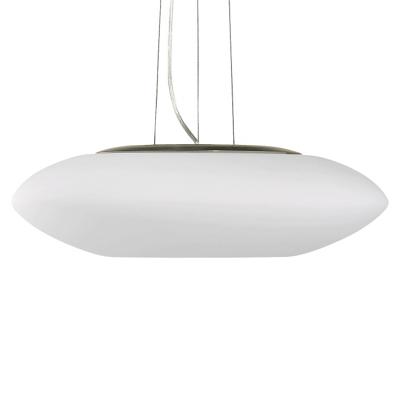


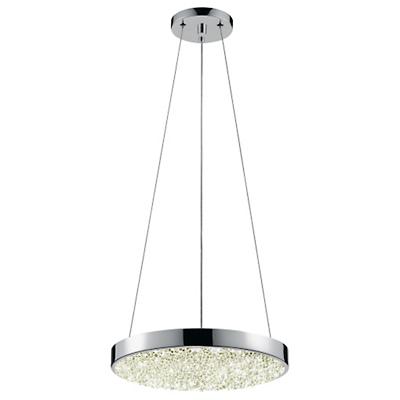


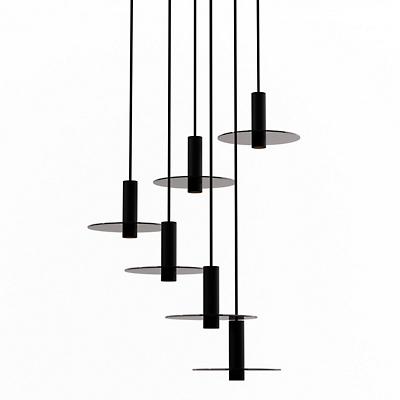

Pendant Lighting Explore
Disc Pendant Lighting
Disc pendant lighting transforms rooms with clean, architectural silhouettes that deliver both ambient and focused illumination. These ultra-slim, circular fixtures range from minimalist LED rings to layered metal designs, offering versatile solutions for kitchens, dining rooms, entryways, and living spaces. Whether you need a single statement piece or a coordinated cluster, this style combines contemporary aesthetics with practical functionality—from energy-efficient LED options to finishes that complement a wide range of interiors.
Understanding Disc Pendant Lighting Design
Disc pendants are defined by their flat, circular profiles, typically ranging from compact mini pendants to dramatic oversized fixtures. Unlike globe or drum pendants, disc designs maximize light distribution while minimizing visual bulk, making them ideal for spaces with lower ceilings or for rooms where you want lighting that feels integrated rather than dominant. Examples include the Cerchio LED Pendant by Kuzco Lighting, which offers multiple sizes with both downlight and up/downlight configurations. For modern kitchen islands, disc pendants around 18–24 inches in diameter often strike a nice balance between visual impact and useful task lighting.
Style Variations: From Minimalist to Statement-Making
Modern and contemporary
Ultra-thin LED rings like the Halo LED Circular Pendant bring sleek lines and simple geometry in black, white, or brushed silver finishes—ideal where you want a refined, minimalist look without extra ornamentation.
Artisanal and textured
Sculptural designs such as the Vertigo Pendant by Petite Friture use airy frameworks and delicate bands to create an iconic disc-like form that adds movement and organic texture to dining rooms or entryways.
Layered metal designs
Tiered or nested discs create dimensional lighting effects and read especially well in high-ceiling spaces, where a single flat disc might feel visually light.
Glass and acrylic diffusers
Designs like the Bola Disc LED Pendant by Pablo Designs combine a metal disc with an integrated glass sphere, producing soft, diffused illumination and a distinctive, sculptural profile.
Materials and Finishes That Define Your Space
• Metal finishes: Brushed or aged brass pair beautifully with mixed-metal kitchens and play nicely with stainless appliances and bronze or black hardware. Matte black offers bold contrast in light rooms, while white finishes blend seamlessly with modern farmhouse or Scandinavian schemes.
• Concrete and plaster: Pieces like the Aplomb Large LED Pendant by Foscarini provide industrial-inspired texture in tones like brown, grey, white, and anthracite, but still feel surprisingly light.
• Natural materials: Rattan, marble, and travertine designs, such as the Luna LED Pendant, add warmth and organic character to contemporary spaces.
• Glass treatments: Opal, clear, and pleated glass diffusers help soften LED sources, preventing harsh glare while preserving the clean disc silhouette.
Size and Scale: Choosing the Right Diameter
For a 6–8 foot kitchen island, plan for two to three disc pendants roughly 16–24 inches in diameter, spaced around 24–30 inches apart. Ring-style discs that glow up and down provide both ceiling wash and task light, while flat downlight discs focus illumination on the work surface. The right choice depends on whether you prioritize atmosphere, task visibility, or a blend of both.
Over dining tables, a disc roughly one-third the table width tends to feel proportional—for example, a 60-inch round table often pairs well with a pendant around 20–24 inches. Rectangular tables can handle a single larger disc, a pair of smaller discs, or a linear arrangement. In entryways with ceilings at 10 feet or higher, larger discs in the 30–48 inch range fill the vertical volume without crowding the space. One oversized disc gives a strong focal point, while grouped pendants distribute light more evenly.
Placement and Installation Essentials
• Kitchen islands: Hang disc pendants about 30–36 inches above the countertop for task lighting that avoids glare and maintains clear sightlines. For an 8-foot island, three 18-inch pendants often provide balanced coverage; for a 6-foot island, two discs around 20–24 inches work well.
• Dining tables: Position the pendant 30–34 inches above the table surface, adjusting slightly higher for taller ceilings so proportions feel right. Aim to leave at least 6 inches of space from the fixture edge to the tabletop perimeter.
• Sloped ceilings: Look for disc pendants with adjustable suspension and sloped-ceiling-compatible canopies that can handle the angle of your vault (often up to about 45 degrees).
• Open walkways: In hallways and circulation zones, maintain at least 7 feet of clearance from floor to fixture bottom for comfortable movement.
Can disc pendant lighting be installed on sloped or vaulted ceilings? In many cases, yes—just confirm that the fixture includes an adjustable canopy or compatible suspension system for angled surfaces before purchasing.
Lighting Performance and Technology
LED is the standard for most disc pendants, with integrated arrays that can deliver anything from subtle ambient glow to high-output task lighting. For kitchen work zones, aim roughly in the 1500–2000 lumen range per pendant; for dining or lounge areas, 800–1200 lumens per fixture usually feels comfortable and inviting.
Color temperature plays a big role: around 2700K creates warm, cozy light suited to dining and living spaces, while 3000K offers slightly crisper illumination for kitchens. Fixtures like the Cielo LED Pendant by Pablo Designs are available in multiple color temperature and finish combinations.
Most LED disc pendants are dimmable when paired with LED-rated wall dimmers—always check specs for compatibility. Dimming lets you shift from bright task mode to soft ambient glow, making the same fixture work for cooking, entertaining, and relaxing.
For bathrooms, covered outdoor areas, or code-sensitive projects, look for Damp-rated or Wet-rated models, as well as Title 24 compliant options where required. ETL and UL listings indicate that safety and performance standards have been met.
Shopping Guide: Price and Value
Under roughly $500, pieces like the Disc LED Pendant by Kuzco Lighting deliver clean, modern style with integrated LED—great for repeating over an island or bar.
In the mid-range, you’ll find more glass, brass, and specialty finishes, often with enhanced dimming, extended warranties, and recognizable designer labels from brands such as Vibia and Pablo Designs.
At higher price points, premium fixtures emphasize artisanal craftsmanship, configurable compositions, proprietary LED modules, and exclusive finishes. Collections like Bola Disc from Pablo Designs exemplify this level, with refined construction and long-life LED performance.
As a quick hierarchy: more value-focused Kuzco designs are excellent for functional, minimalist installs; mid-tier Pablo and Vibia strike a balance between design and price; and premium Foscarini or limited-edition pieces function as true statement art.
Coordinating Disc Pendants With Your Design
In mixed-metal kitchens, use disc pendants to tie finishes together. For example, if you have stainless appliances and oil-rubbed bronze hardware, brushed or aged brass discs can bridge warm and cool tones. Matte black is a versatile alternative that contrasts cleanly with almost any metal.
Pair disc pendant lighting with complementary ceiling lights like recessed downlights for layered illumination. Add wall sconces near mirrors or artwork, and coordinate with chandeliers in adjacent dining or living areas using related finishes or silhouettes. For maximum flexibility, place disc pendants on dimmer controls so you can fine-tune brightness for cooking, entertaining, or winding down.
Your Disc Pendant Lighting Destination
From ultra-modern LED rings to artisan-crafted statement pieces, disc pendants offer solutions for every style and room type. Whether you are lighting a kitchen island, defining a dining space, or creating a sculptural focal point in an entryway, you can find fixtures that blend architectural elegance with everyday performance from makers like Visual Comfort Modern, Foscarini, Pablo Designs, Kuzco Lighting, and more.
See the full pendant lighting collection for thoughtfully crafted fixtures that elevate any space.
Pendant LightingFrequently Asked Questions
Are pendant lights in style?
Yes, pendant lights remain a stylish and versatile lighting option. Modern designs, such as minimalist metal pendants, glass globes, and geometric shapes, are particularly popular. They are widely used in kitchens, dining rooms, and entryways to add both functionality and aesthetic appeal.
Expert Tip: To keep your space on-trend, opt for pendant lights with integrated LED technology or customizable features like adjustable heights and dimmable settings.
How to choose a hanging light?
When choosing a hanging light, consider the size of the space, the fixture's purpose, and your decor style. For example, in a kitchen, select a pendant that provides focused task lighting over an island, while in a dining room, choose a statement piece that complements the table's size and shape.
Expert Tip: Use the "3:1 rule" for pendant sizing—divide the room's height by 3 to determine the ideal fixture height. For example, a 9-foot ceiling would suit a pendant around 3 feet tall.
What is the difference between a chandelier and a hanging light?
A chandelier is a type of hanging light that typically features multiple arms or branches with several light sources, often used for decorative purposes. A pendant light, on the other hand, is a single light fixture suspended from the ceiling, usually providing focused or task lighting.
Expert Tip: For a cohesive look, pair a chandelier with matching pendant lights in adjacent spaces, such as a dining room and kitchen.
Can you change the shades on pendant lights?
Yes, many pendant lights allow you to change the shades, offering flexibility to update the look of your fixture. However, this depends on the design—some pendants have fixed shades, while others are modular.
Expert Tip: If you enjoy refreshing your decor, look for pendant lights with interchangeable shades or universal fittings that accommodate a variety of styles.
What are the different types of pendant lights?
The main types of pendant lights include mini pendants, multi-light pendants, drum pendants, and globe pendants. Each type serves different purposes, from task lighting over kitchen islands to decorative accents in living areas.
Expert Tip: Multi-light pendants are ideal for larger spaces, as they provide even illumination and can be adjusted to suit the layout of the room.
How do I know what size pendant light I need?
To determine the right size for a pendant light, consider the room's dimensions and the fixture's purpose. For example, over a kitchen island, the pendant should be 1/2 to 2/3 the width of the island. In dining rooms, the fixture should be 12 inches narrower than the table on each side.
Expert Tip: For a balanced look, hang multiple smaller pendants in a row over long surfaces, spacing them evenly and ensuring they align with the room's proportions.
What colors do pendant lights come in?
Pendant lights come in a wide range of colors, from neutral tones like black, white, and bronze to bold hues like red, blue, and gold. The finish and color should complement your existing decor and create the desired ambiance.
Expert Tip: Matte finishes are great for modern, understated looks, while metallic finishes like brass or copper add a touch of luxury and warmth.
What is the correct height for pendant lights to hang?
The ideal height for pendant lights depends on their location. Over a kitchen island or dining table, hang the fixture 30-36 inches above the surface. In entryways or living rooms, ensure the bottom of the pendant is at least 7 feet above the floor to avoid obstructing movement.
Expert Tip: Use adjustable pendant lights to fine-tune the height after installation, ensuring the perfect balance of functionality and aesthetics.
What are the different shapes of pendant lights?
Pendant lights come in various shapes, including drum, globe, cone, cylinder, and geometric designs. The shape you choose should align with the room's style—for example, globe pendants suit modern spaces, while drum shades work well in traditional settings.
Expert Tip: Mix and match shapes in a multi-pendant setup for a dynamic, eclectic look that adds visual interest to your space.
What is a good wattage for a pendant light?
A good wattage for a pendant light depends on its purpose. For task lighting, aim for 75-100 watts (or equivalent lumens for LEDs). For ambient lighting, 40-60 watts is usually sufficient.
Expert Tip: If using LED bulbs, remember that they consume less wattage while providing the same brightness as incandescent bulbs. For example, a 10-watt LED can replace a 60-watt incandescent.
How do you put a dimmer on a pendant light?
To add a dimmer to a pendant light, you'll need a compatible dimmer switch and, in some cases, dimmable bulbs. Turn off the power, replace the existing switch with the dimmer, and connect the wires according to the manufacturer's instructions.
Expert Tip: Ensure your pendant light fixture and bulbs are dimmable before installing a dimmer switch. Non-dimmable LEDs or fixtures may flicker or fail to work properly with a dimmer.
