Cluster Modern Pendant Lighting & Hanging Lights



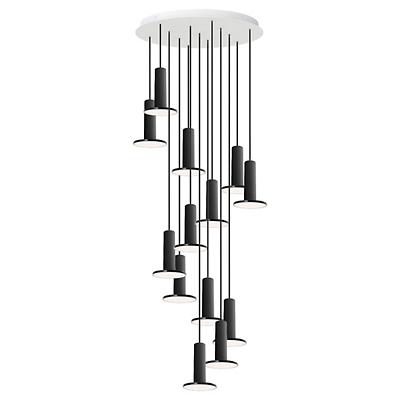
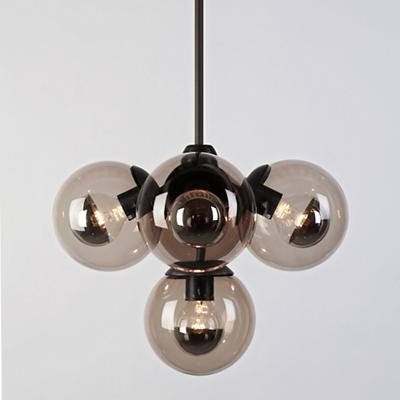
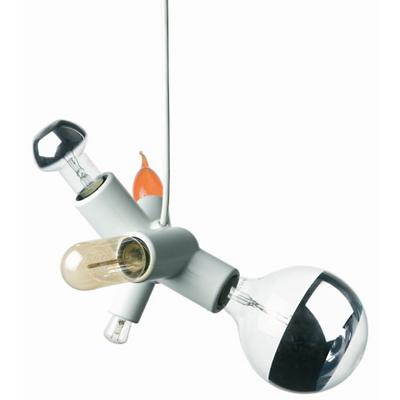
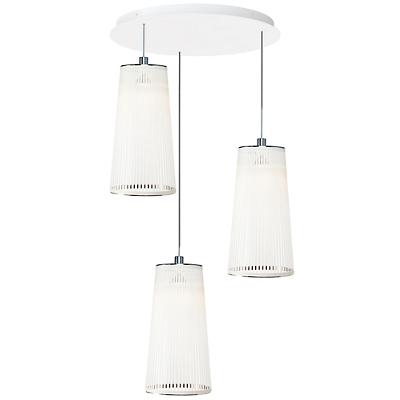
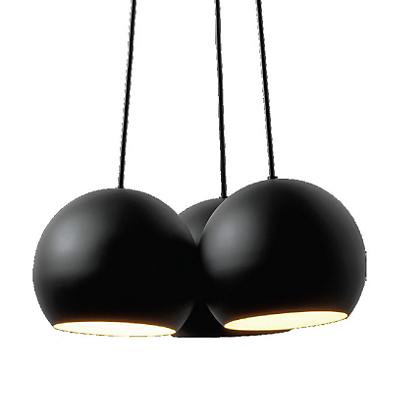
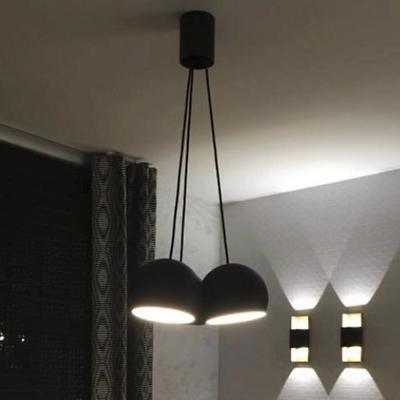
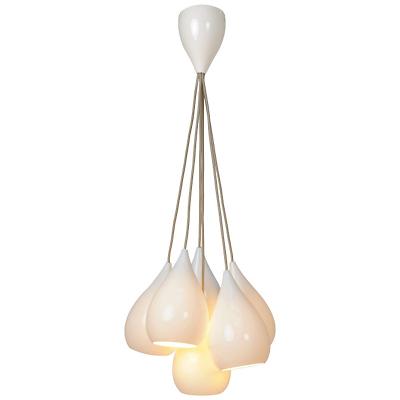

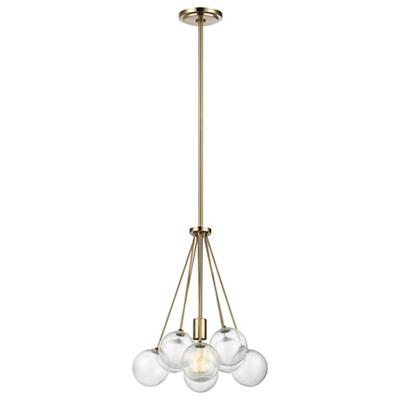
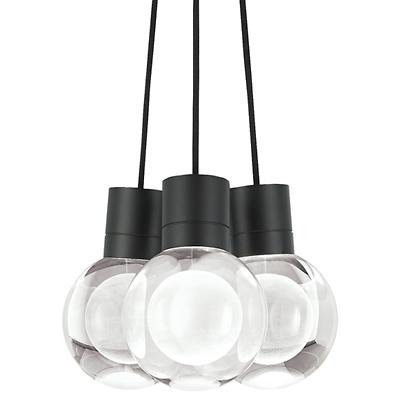
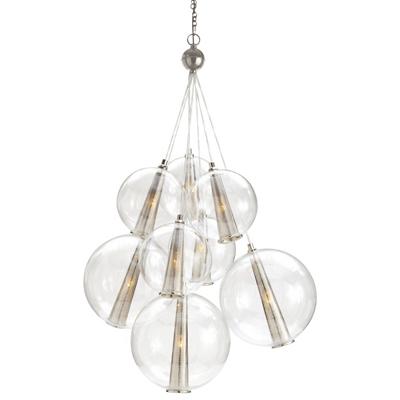
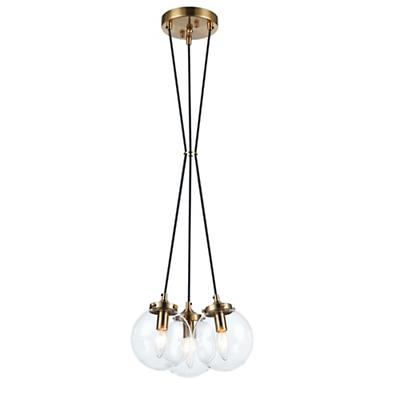
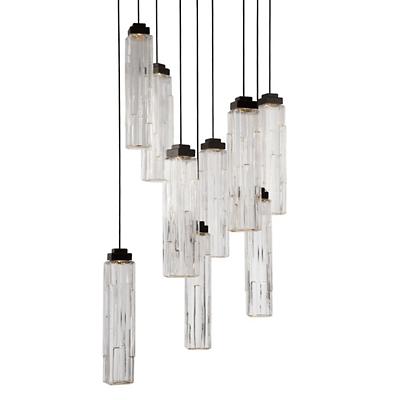
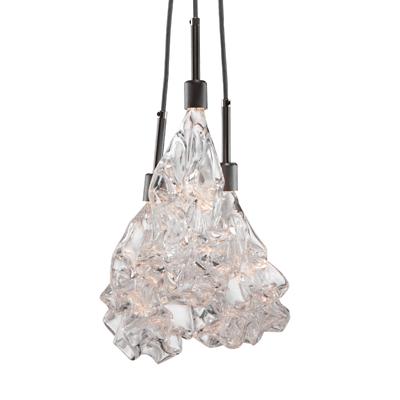
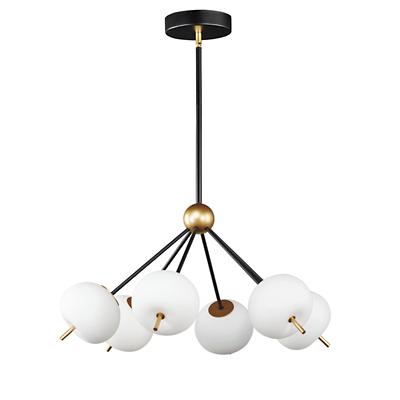
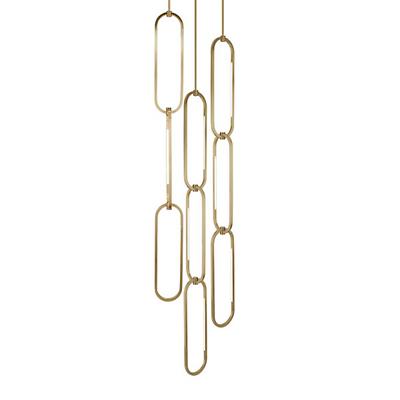

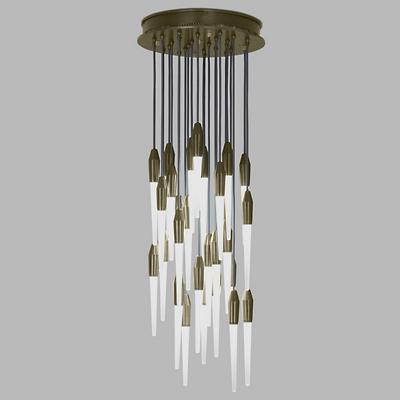

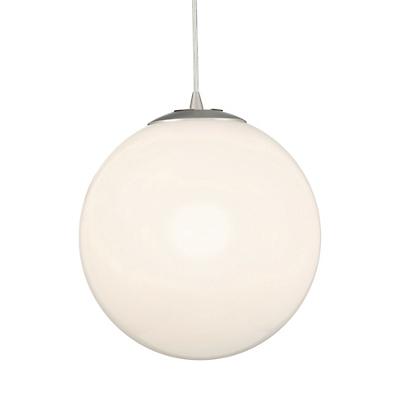

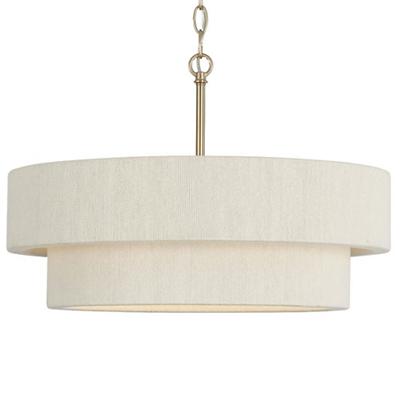


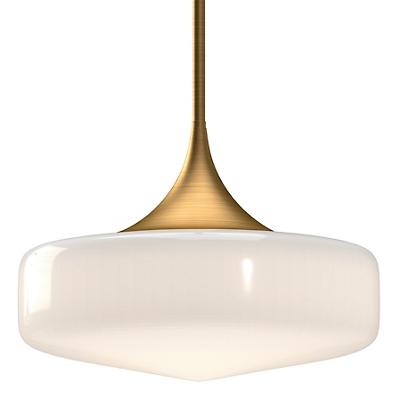

Pendant Lighting Explore
Cluster Pendant Lighting
Transform any room with cluster pendant lighting—a dynamic approach to ceiling illumination that combines multiple hanging lights into one sculptural statement. Unlike single pendants or traditional chandeliers, cluster configurations offer versatile customization of drop lengths and arrangement to fit your exact space and style. From minimalist groupings to dramatic compositions, this category delivers both functional illumination and architectural interest for kitchens, dining rooms, foyers, and living spaces.
Understanding Cluster Pendant Lighting Design
Cluster pendant lighting features individual shades suspended from a single canopy at varying or uniform heights, creating visual depth and adjustable coverage. This multi-light approach bridges the gap between pendant lighting and chandeliers—offering the focused task lighting of pendants with the ambient presence of a chandelier. The Aim LED Multi-Light Pendant by FLOS exemplifies this versatility with adjustable arms, while the Cascade Round LED Multi-Light Pendant by Modern Forms shows how cascading globes create sculptural impact.
Style Variations Across Design Aesthetics
Modern & Contemporary
Sleek metal finishes, geometric glass shapes, and integrated LED technology define this look. See Magic LED Multi-Light Pendant by Modern Forms in polished metal with spherical glass, or Diaphane LED Multi-Light Pendant by ET2 Lighting with abstract discs in black or gold.
Artisanal & Transitional
Hand-blown glass, warm metals, and organic forms bridge traditional and modern sensibilities. The Miira Multi-Light Pendant by Nuura pairs brass or dark metal with opal or optic glass for a soft, refined glow.
Industrial & Whimsical
Exposed bulbs, cage structures, and playful compositions add character—from minimalist Edison clusters to tiered arrangements like Brixton Tiered Pendant by Troy Lighting.
Materials, Finishes & Maintenance
Glass choices affect glare and maintenance: clear glass maximizes sparkle but shows dust; opal or frosted diffuses light for eye-level installations over dining tables; textured or water glass adds interest and conceals fingerprints. Most cluster pendants use damp-rated components suitable for kitchens and bathrooms. Clean glass with a microfiber cloth; avoid abrasive cleaners on plated finishes.
Metal Finishes
• Matte black: Low-maintenance; complements contemporary interiors and stainless appliances.
• Brass/gold: Adds warmth and patina over time; occasional polishing may be needed.
• Chrome/polished nickel: Maximizes reflectivity; best for formal spaces; wipe water spots promptly.
• Bronze/iron: Durable, versatile, and suited to rustic-modern and transitional schemes.
Sizing & Configuration for Different Spaces
Kitchen Islands (72–96 inches)
Three medium pendants (about 13–16 inches in diameter) spaced 24–30 inches apart provide balanced task lighting. For wider islands, consider larger clusters or a linear alternative. The Cascade Round LED Multi-Light Pendant scales easily across layouts.
Dining Tables
Match overall spread to roughly one-half to two-thirds of the table width. A 60-inch round table pairs well with an 18–30 inch cluster spread—see Mina Multi-Light Pendant by Visual Comfort Modern for customizable cord colors and configurations.
Two-Story Foyers
Vertical clusters with staggered drops fill tall volumes without overwhelming horizontal space. Choose extended total drop lengths for 16–20 foot ceilings—e.g. Nappe LED Multi-Light Pendant by Masiero.
Living Rooms (approx. 12' × 14')
A mid-sized cluster providing roughly 3,000–4,500 lumens covers ambient needs when paired with table or floor lamps.
Installation Height, Spacing & Ceiling Types
• Kitchen islands/counters: Hang 30–36 inches above the surface (aim for ≥72 inches above the floor).
• Dining tables: 30–34 inches above tabletop for 8-foot ceilings; add ~3 inches per additional foot of ceiling height.
• Open floor plans: Keep 7–8 feet of clearance in walkways.
• Foyers: Bottom of the fixture at least 7 feet above the floor; increase for taller ceilings.
Sloped ceilings are typically supported via angled canopies or adjustable hardware—the Aim LED Multi-Light Pendant accommodates significant tilt. Look for “Sloped Ceiling Adaptable” in specifications. Staggered drops (varying heights) create dynamic movement, while uniform drops feel orderly and formal.
Light Output, Color Temperature & Dimming
• Task lighting (kitchen islands): Target ~50–75 lumens per sq. ft.
• Ambient lighting (dining rooms): ~20–30 lumens per sq. ft.
• Accent lighting (entryways): ~10–20 lumens per sq. ft.
Color temperature sets the mood: 2700K (warm white) for cozy ambiance, 3000K (soft white) for kitchens and multi-use spaces, and warm-dimming LEDs that shift warmer as they dim to mimic incandescent behavior. Many LED clusters work with ELV/MLV dimmers—verify the fixture’s dimmer compatibility before purchase. For reference, see Swank LED Multi-Light Pendant by ET2 Lighting.
Cluster vs. Linear Pendants & Chandeliers
• Choose clusters when you want customizable light placement, height variation, and sculptural presence.
• Choose linear pendants for long, narrow islands or bars and uniform distribution with a streamlined profile.
• Chandeliers suit formal rooms and fixed, symmetrical arrangements where decorative emphasis outweighs task flexibility.
Discover Your Perfect Cluster Pendant Configuration
Whether you’re illuminating a kitchen island with a simple globe cluster, filling a two-story foyer with a cascading composition, or adding sculptural interest to a dining room with mixed-height pendants, cluster lighting offers the flexibility and design sophistication to transform your space.
See the full pendant lighting collection for thoughtfully crafted fixtures that elevate any space.
Pendant LightingFrequently Asked Questions
Are pendant lights in style?
Yes, pendant lights remain a stylish and versatile lighting option. Modern designs, such as minimalist metal pendants, glass globes, and geometric shapes, are particularly popular. They are widely used in kitchens, dining rooms, and entryways to add both functionality and aesthetic appeal.
Expert Tip: To keep your space on-trend, opt for pendant lights with integrated LED technology or customizable features like adjustable heights and dimmable settings.
How to choose a hanging light?
When choosing a hanging light, consider the size of the space, the fixture's purpose, and your decor style. For example, in a kitchen, select a pendant that provides focused task lighting over an island, while in a dining room, choose a statement piece that complements the table's size and shape.
Expert Tip: Use the "3:1 rule" for pendant sizing—divide the room's height by 3 to determine the ideal fixture height. For example, a 9-foot ceiling would suit a pendant around 3 feet tall.
What is the difference between a chandelier and a hanging light?
A chandelier is a type of hanging light that typically features multiple arms or branches with several light sources, often used for decorative purposes. A pendant light, on the other hand, is a single light fixture suspended from the ceiling, usually providing focused or task lighting.
Expert Tip: For a cohesive look, pair a chandelier with matching pendant lights in adjacent spaces, such as a dining room and kitchen.
Can you change the shades on pendant lights?
Yes, many pendant lights allow you to change the shades, offering flexibility to update the look of your fixture. However, this depends on the design—some pendants have fixed shades, while others are modular.
Expert Tip: If you enjoy refreshing your decor, look for pendant lights with interchangeable shades or universal fittings that accommodate a variety of styles.
What are the different types of pendant lights?
The main types of pendant lights include mini pendants, multi-light pendants, drum pendants, and globe pendants. Each type serves different purposes, from task lighting over kitchen islands to decorative accents in living areas.
Expert Tip: Multi-light pendants are ideal for larger spaces, as they provide even illumination and can be adjusted to suit the layout of the room.
How do I know what size pendant light I need?
To determine the right size for a pendant light, consider the room's dimensions and the fixture's purpose. For example, over a kitchen island, the pendant should be 1/2 to 2/3 the width of the island. In dining rooms, the fixture should be 12 inches narrower than the table on each side.
Expert Tip: For a balanced look, hang multiple smaller pendants in a row over long surfaces, spacing them evenly and ensuring they align with the room's proportions.
What colors do pendant lights come in?
Pendant lights come in a wide range of colors, from neutral tones like black, white, and bronze to bold hues like red, blue, and gold. The finish and color should complement your existing decor and create the desired ambiance.
Expert Tip: Matte finishes are great for modern, understated looks, while metallic finishes like brass or copper add a touch of luxury and warmth.
What is the correct height for pendant lights to hang?
The ideal height for pendant lights depends on their location. Over a kitchen island or dining table, hang the fixture 30-36 inches above the surface. In entryways or living rooms, ensure the bottom of the pendant is at least 7 feet above the floor to avoid obstructing movement.
Expert Tip: Use adjustable pendant lights to fine-tune the height after installation, ensuring the perfect balance of functionality and aesthetics.
What are the different shapes of pendant lights?
Pendant lights come in various shapes, including drum, globe, cone, cylinder, and geometric designs. The shape you choose should align with the room's style—for example, globe pendants suit modern spaces, while drum shades work well in traditional settings.
Expert Tip: Mix and match shapes in a multi-pendant setup for a dynamic, eclectic look that adds visual interest to your space.
What is a good wattage for a pendant light?
A good wattage for a pendant light depends on its purpose. For task lighting, aim for 75-100 watts (or equivalent lumens for LEDs). For ambient lighting, 40-60 watts is usually sufficient.
Expert Tip: If using LED bulbs, remember that they consume less wattage while providing the same brightness as incandescent bulbs. For example, a 10-watt LED can replace a 60-watt incandescent.
How do you put a dimmer on a pendant light?
To add a dimmer to a pendant light, you'll need a compatible dimmer switch and, in some cases, dimmable bulbs. Turn off the power, replace the existing switch with the dimmer, and connect the wires according to the manufacturer's instructions.
Expert Tip: Ensure your pendant light fixture and bulbs are dimmable before installing a dimmer switch. Non-dimmable LEDs or fixtures may flicker or fail to work properly with a dimmer.

 Back To Top