Modern Desk Fans & Portable Table Fans

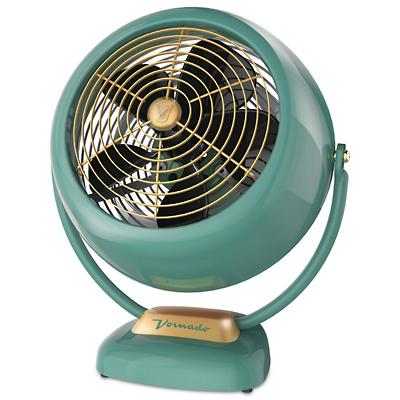
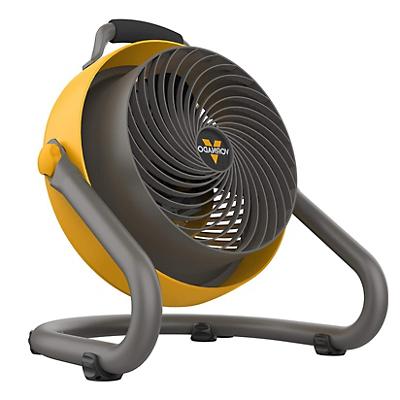
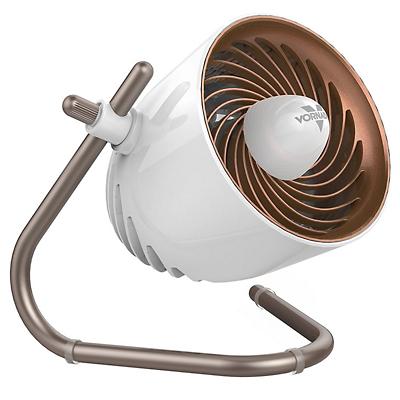
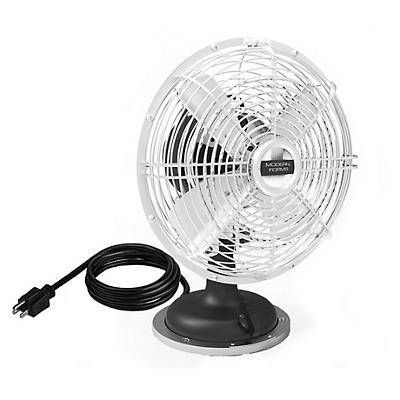




Desk & Table Fans Explore
Why We Love Desk & Table Fans
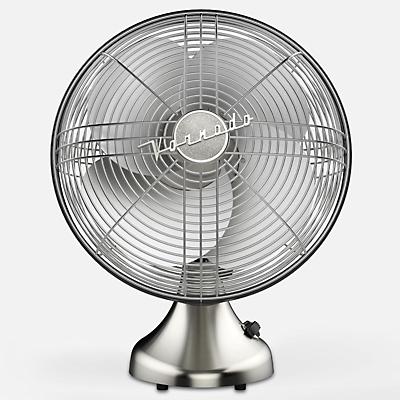
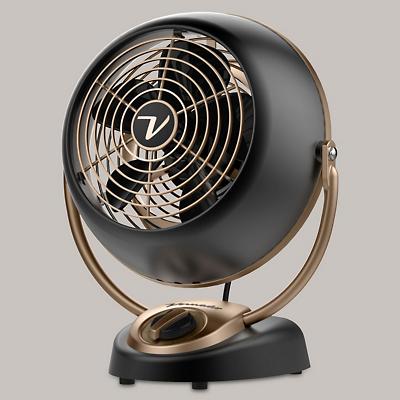
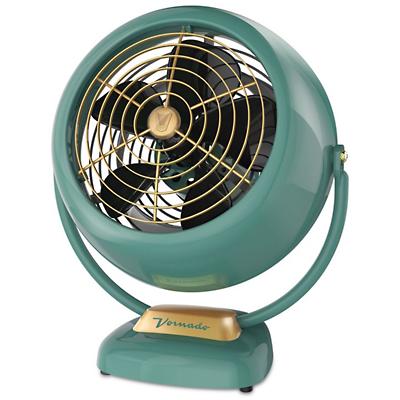
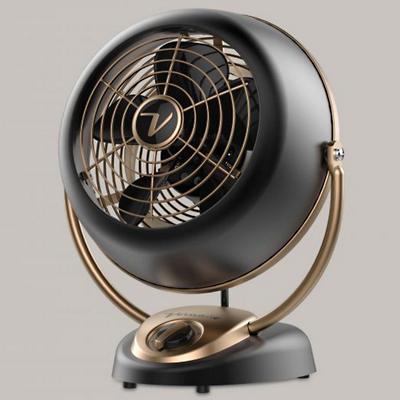
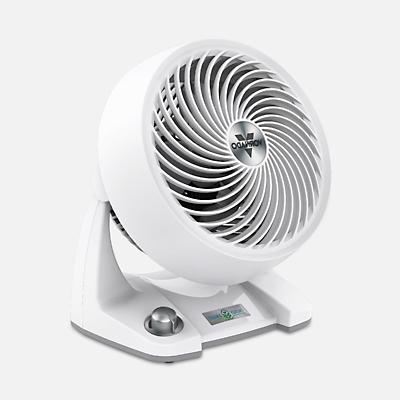
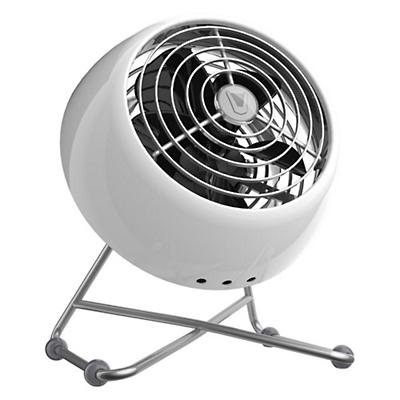
Reminiscent of turn-of-the-century strong, industrial craftsmanship, today’s leading designers fuse the distinction of the past with contemporary technology to create top-quality desk fans and table fans. This collection of portable fans features designs that are as much about style as efficiency. A retro, stainless steel table fan or cast-iron vintage desk fan will add a cool, urban element to your modern or traditional motif.
Where Portable Fans Work Best
Anywhere. That's the beauty of a portable fan. Anytime you need something to help circulate air, all you need to do is re-position one of these fans to your liking. Along with their portability and decorative nature, using a desk fan or table fan to circulate air is an excellent way to efficiently cool the air in your room. Business offices, home offices and tight rooms can become instantly more enjoyable with the presence of a portable fan. Along with being placed on desks, these versatile and adjustable fans can be used throughout the house to reduce energy costs immensely. Consider placing a desk fan on a bookcase or in the bulkhead above your kitchen cabinets to keep air circulating and fresh. Whether it’s a balmy night and you’re looking for a way to cool down or you’d like to bring warm air down from high ceilings, desk fans and table fans can be used in a multitude of helpful ways.
A Desk Fan For Every Style
Much like its collection of contemporary ceiling fans, Minka Aire presents a portable fan with a touch of elegance in its Retro Table Top Fan. This fan appeals to any space-loving that classic retro look and it offers exemplary functionality, doing a phenomenal job of cooling any space it is placed in. You may also enjoy Fanimation's Urbanjet Desk Fan. This stylish design from Fanimation is inspired by the features of a 1957 Chevy and brings a lot of decorative impact to modern offices. Finally, look to Savoy House for a portable fan that will fit restoration-themed homes.
Choosing the Best Portable Fan
Knowing the interior design style you prefer will help you in your search for a portable fan. While these fans fit a restoration or industrial look, you'll find they will provide a noticeable decorative touch to almost any contemporary or modern space too. Some of these fans can also be used outdoors, helping to circulate air on decks and patios. Be sure to review a fan's UL rating to verify if it is wet or damp-rated and safe for outdoor use. If you have any questions about the desk and table fans featured here, please call our fan experts at 877.445.4486.
Other Considerations
If a desk fan doesn't do the trick, consider adding a decorative floor fan in your room. Floor fans offer similar portability as desk and table fans and they will also help keep your space cool. Plus, you'll find similar vintage designs if you are going for that retro look. And to give your office that perfect contemporary refresh, check out the selection of modern office furniture. Here you will find office desks, task chairs, storage solutions and more. And finally, if you like the encased look of these fans, you can achieve the same appearance with a caged ceiling fan.
Desk & Table FansFrequently Asked Questions
Are desk fans worth it?
Absolutely. Desk fans deliver targeted cooling, reducing the need for air conditioning and saving on energy bills. They’re especially useful in office settings or for individuals who prefer personal temperature control without cooling an entire room.
Expert Tip: High-quality desk fans with brushless DC motors can reduce localized cooling costs by up to 30% compared to AC units. Look for models with adjustable airflow angles (minimum 45° tilt) to maximize personal cooling efficiency without creating disruptive drafts.
What is the difference between a pedestal fan and a table fan?
Pedestal fans are taller, freestanding, and often have oscillating features for broader room coverage. Table fans are compact and portable, making them ideal for close-range cooling on desks, countertops, or bedside tables.
Expert Tip: Pedestal fans create a conical airflow pattern covering 60-80 square feet, while table fans produce a concentrated cylinder of air reaching 15-25 feet. For office use, table fans with 3D oscillation (vertical + horizontal) provide better ergonomic cooling than standard pedestal models.
What is the difference between a box fan and a table fan?
Box fans tend to be larger and can move a significant volume of air, often placed on the floor or in windows. Table fans are lighter and more compact, ideal for spaces where portability and targeted airflow are key.
Expert Tip: Modern box fans achieve 2000+ CFM but lose 40% efficiency when placed near walls. Table fans with aerodynamic blade designs maintain 90% of their rated airflow even in corner placements, making them superior for confined workspaces.
What is the difference between a floor fan and a desk fan?
Floor fans typically offer more power and a wider reach, while desk fans are smaller and designed to cool a specific area. If you're looking for quiet, personal cooling at your workstation, a desk fan is usually the better choice.
Expert Tip: Desk fans operating below 35dB (measured at 3 feet) prevent voice frequency interference in office settings - a critical feature floor fans can't match. Look for models with weighted bases that dampen vibration noise by 15-20%.
What are the best small table fans?
The best small table fans combine compact design, adjustable speeds, quiet operation, and energy efficiency. Look for models with tilting heads and oscillation for more versatility in airflow direction.
Expert Tip: Premium small fans now incorporate piezoelectric airflow sensors that automatically adjust speed based on ambient temperature changes - maintaining consistent comfort without manual adjustments throughout the day.
What is the best tabletop fan for a bedroom?
Top choices for bedroom use include table fans that operate quietly, offer multiple speed settings, and include features like sleep timers or remote control. Fans with a sleek design and dimmable LED indicators are ideal for maintaining a restful atmosphere.
Expert Tip: Bedroom-specific fans should have a noise profile below 25dB at lowest setting (comparable to a whisper) with completely dark operation modes - true "zero light pollution" models eliminate all LED indicators when powered off.