Brass Modern Side Tables & End Tables

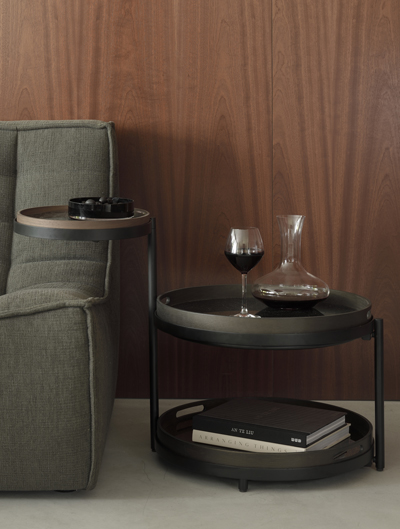

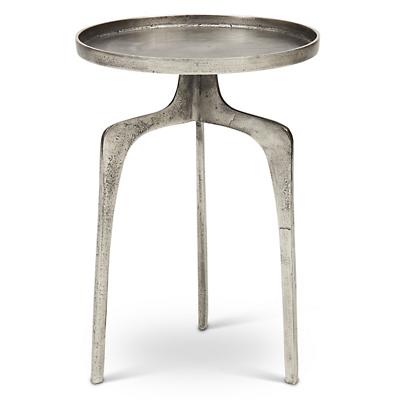

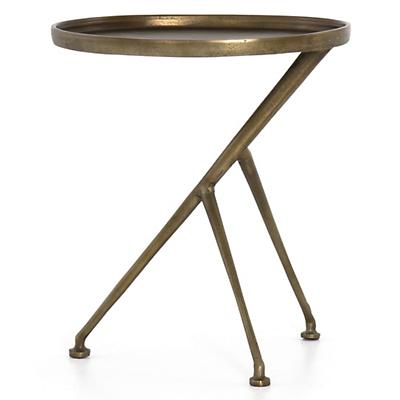

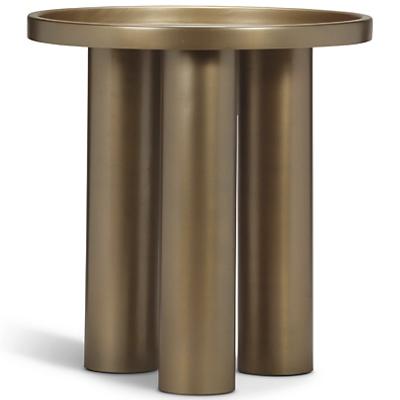















Side Tables Explore
Why We Love Brass Side Tables
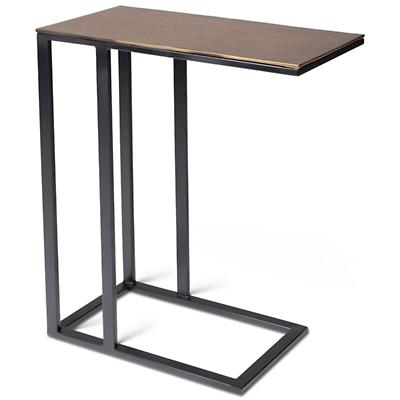
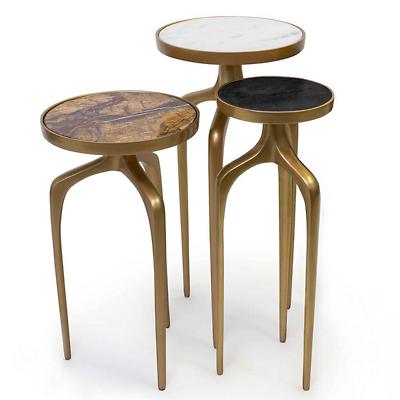
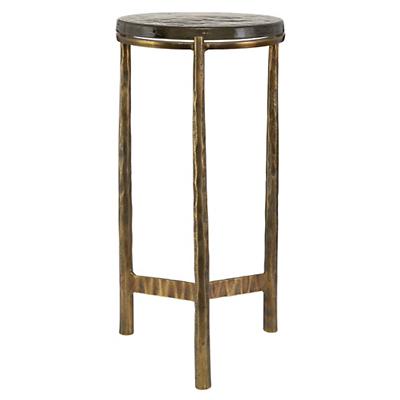
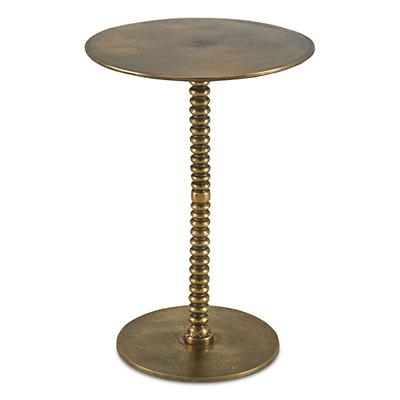
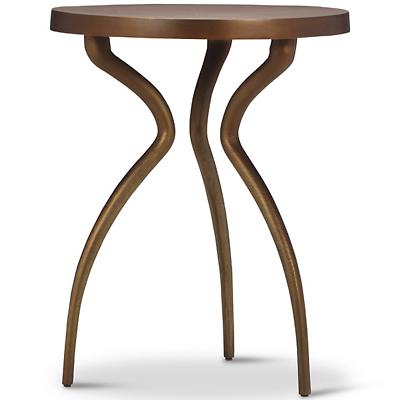
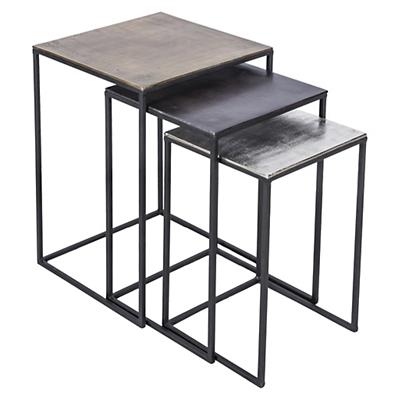
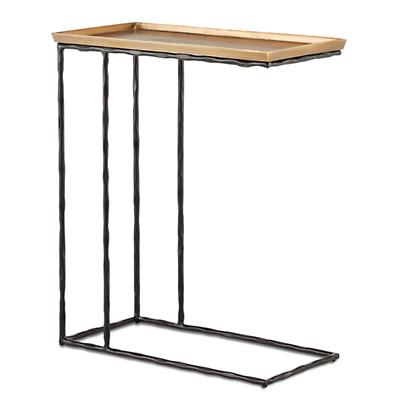
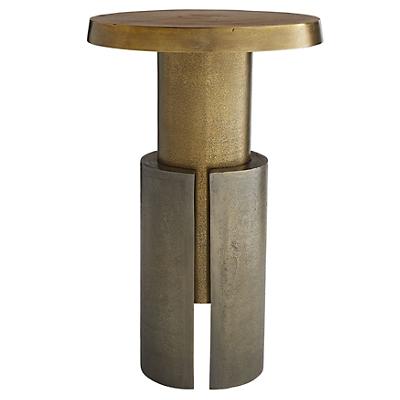
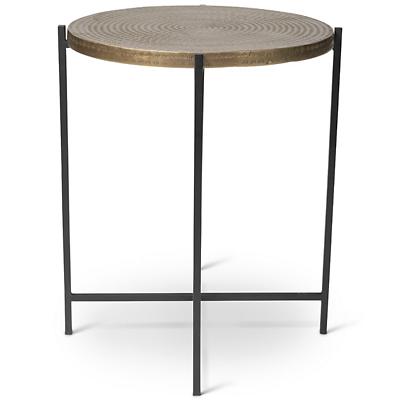
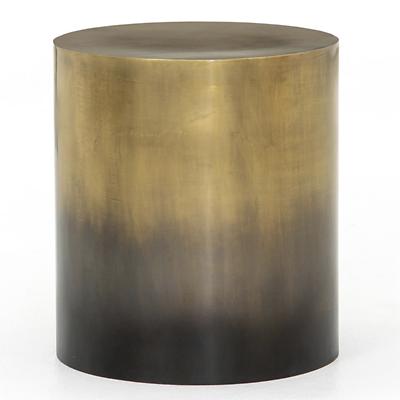
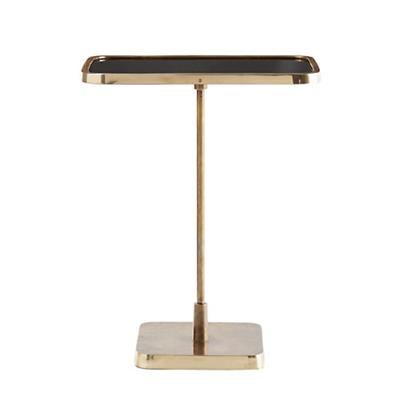
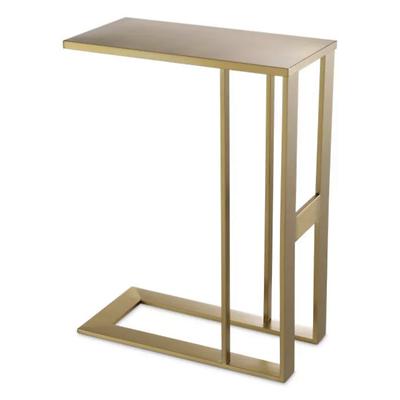
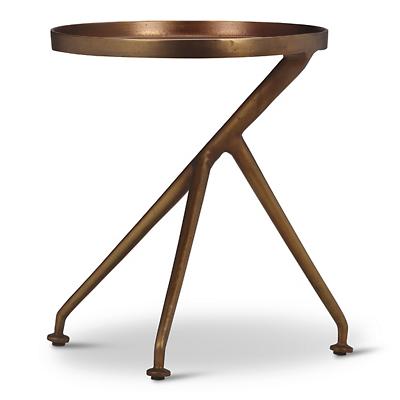
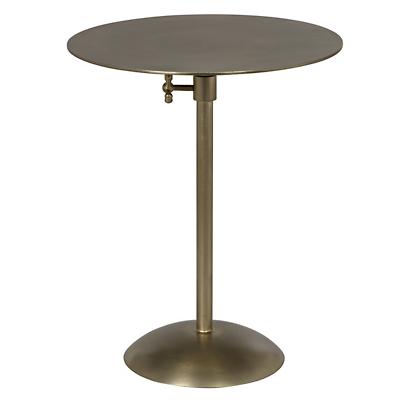
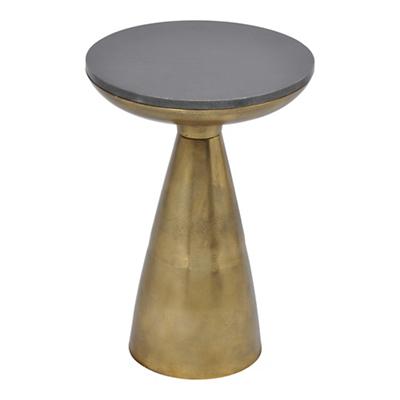
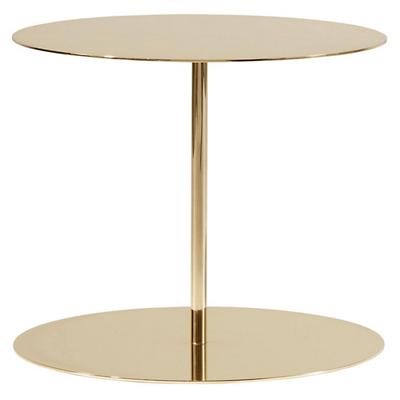
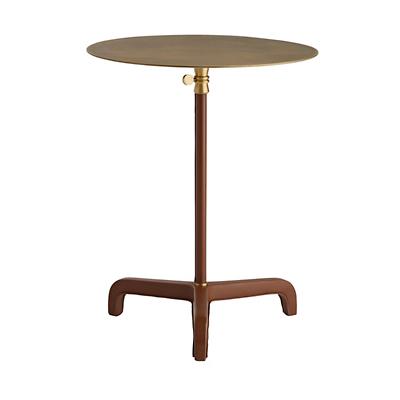
Brass may seem like a traditional material, overdone in classic silhouettes and boring finishes but in this carefully curated collection, you’ll find fresh new takes, interesting textures, and surprising iterations of stunning brass side tables. Whether you’re looking for an antique brass side table or a piece that’s cool and contemporary, there’s something here for everyone. Even when used subtly this unique metal brings an undeniably striking aspect to each and every side table. Look for unusual shapes or unexpected textures for an eclectic feel or just keep things simple with traditional silhouettes and simple accents.
Decor that Works Well with Antique Brass Side Tables
What looks good with antique brass side tables? Almost anything. This versatile material is appreciated by several different home decor styles, making it almost indispensable. Pair your brass side table with brass ceiling lights for a subtle way to include this shiny material throughout your home or make a dramatic impact with a brass chandelier. On this other hand, you can forget subtilty altogether and make a bold statement by pairing your side table with a stunning brass desk lamp, showcasing the warm brassiness in a visually stunning way that’s sure to draw attention. Brass side tables can lean towards coastal and bohemian influences or stay sleek and simple, highlighting minimalist and modern intentions.
Favorite Brass Side Table Materials & Finishes
At first glance, brass side tables seem straightforward. However, these exceptional side tables are anything but monotonous. With the addition of unexpected materials, new silhouettes, and intricate decorative details, this collection of brass side tables stands out from all the humdrum. Brass and marble side tables combine a warm metal with a cool stone to form a unique structure that is both elegant and approachable. On the other hand, glass and brass side tables tend to have a more traditional look that still maintains some abstract appeal. Look for pieces with wood accents or legs to imitate a chic bohemian vibe, or turn to the natural texture of rattan to help give your brass side table a coastal feel.
How to Choose the Perfect Brass Side Table
Large or small, brass side tables can complete the look of your room and enhance the overall decorative feel, so it’s important to choose a table that not only fits in the space but that also imitates your personal style. Thanks to a large range of designs you’ll have no problem finding something that fits, so focus primarily on the size of your brass side table. If you’re looking for a small accent piece or a unique bedside table, make sure that the size is appropriate. Too large and the table won’t be able to function as you need it to. On the other hand, if you’re looking for a large side table to display family photos or artwork on, you’ll want a piece that’s a little bigger. And, don’t forget to keep the height of the table in mind. You don’t want things to be sitting awkwardly out of reach or uncomfortably close to the ground.
Other Considerations
Beautiful brass side tables are extremely unique with their warm metallic finish. However, if they just don’t feel quite right for you, it’s worth looking through our collection of gold side tables. These tables offer a similarly unusual metallic accent but in a material that’s much more refined and elegant. And, to forgo shine altogether or to act as a simple compliment to more standout pieces, black side tables use interesting shapes, textures, and decorations in lieu of shine to achieve an equally impressive design aesthetic.
Side TablesFrequently Asked Questions
What is another name for a side table?
Side tables are often called end tables or accent tables, depending on their placement and function. Although the terms are frequently interchangeable, accent tables typically focus more on decorative appeal, while end tables are primarily positioned at the ends of sofas or chairs.
Expert Tip: The terminology often reflects regional design traditions - what Americans call "end tables," the British may refer to as "occasional tables." True connoisseurs look for tables with proportions that create visual rhythm - a table slightly lower than the adjacent seat's armrest (about 1-2 inches) creates perfect harmony.
What is the difference between an end table and a side table?
While often used interchangeably, an end table specifically refers to a small table placed beside seating, such as at the end of a sofa or next to an armchair. A side table is a broader term, encompassing any small table that can be positioned anywhere within a room. Accent tables similarly provide decorative appeal and may or may not be placed beside seating.
Expert Tip: Placement defines function. End tables should be within easy reach (no more than 4 inches from seating arms), while side tables can be more flexible. The most versatile designs feature slightly weighted bases that allow them to serve both purposes beautifully while resisting accidental bumps.
How tall should an accent table be?
An accent table typically ranges from 18 to 24 inches in height, making it suitable for use next to sofas, chairs, or beds. Ideally, the height should closely match or slightly fall below the arm height of adjacent seating for comfortable access and aesthetic harmony.
Expert Tip: The golden rule: the tabletop should intersect with the sightline when seated. For most sofas (seat height 18-20"), this means 22-24" tables. In bedrooms, bedside tables should be level with or up to 2" below the mattress height for effortless nighttime reach.
How tall is an outdoor side table?
Outdoor side tables usually range between 17 and 24 inches tall, depending on their intended use. Lower side tables, around 17 to 19 inches, pair well with lounge chairs and chaise lounges, whereas taller outdoor side tables (around 20 to 24 inches) complement standard patio chairs and sofas.
Expert Tip: Outdoor tables demand different considerations - opt for heights at the lower end of the range (18-20") in windy areas to prevent tipping. In poolside settings, choose materials like teak or powder-coated aluminum that won't overheat in direct sunlight while maintaining stability.
 Back To Top