Black Modern Side Tables & End Tables
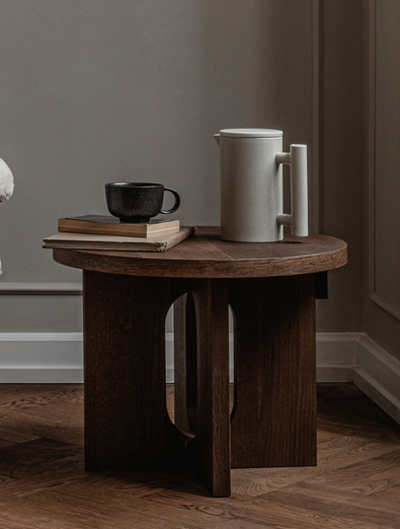
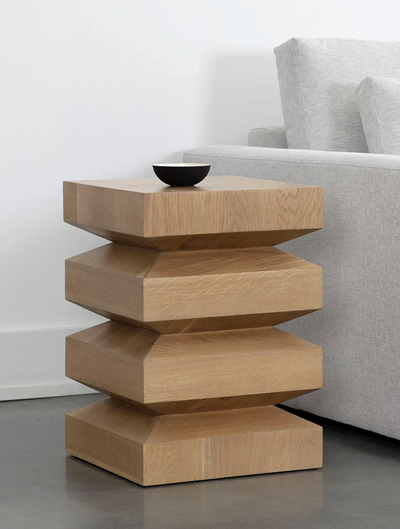

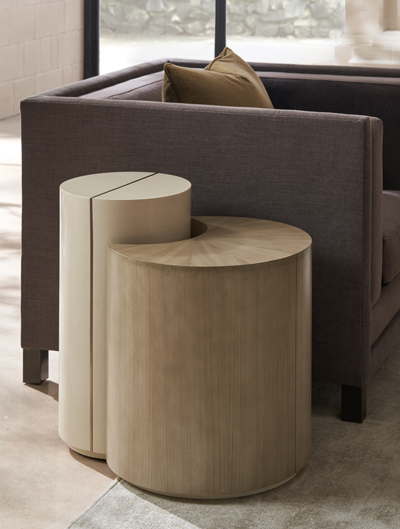
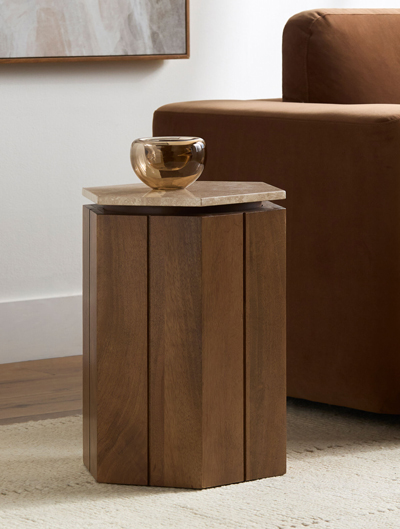

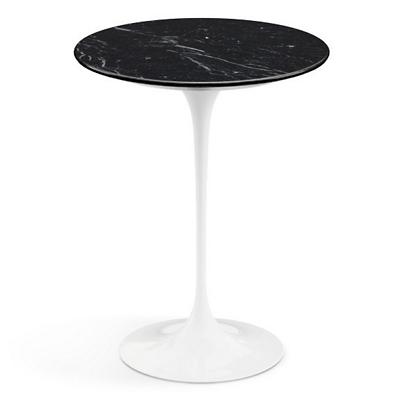
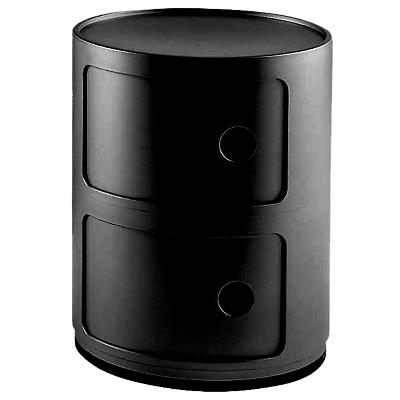
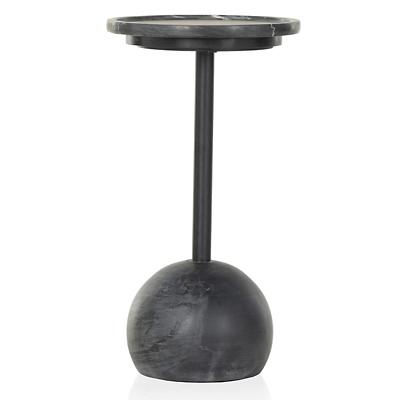

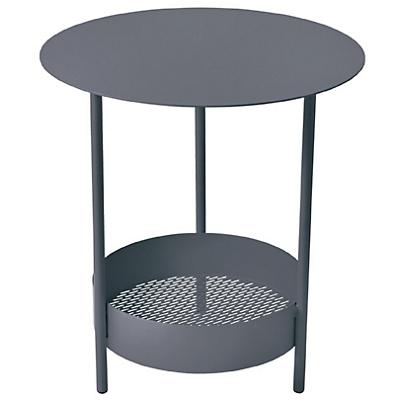













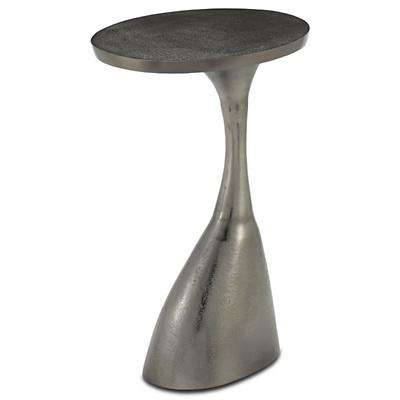


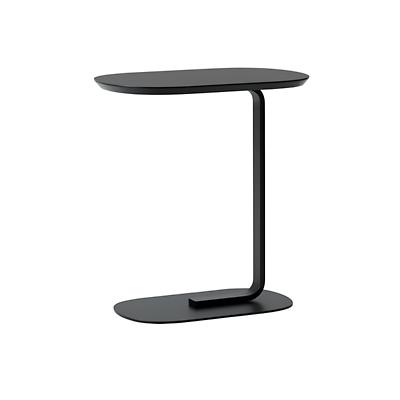


Side Tables Explore
Black Side Tables: Timeless Accents with Modern Edge
Black side tables are a masterclass in design restraint. Understated yet bold, they bring structure, balance, and sophistication to any space. Whether positioned beside a modern lounge chair, flanking a plush bed, or anchoring a minimalist entryway, a black side table offers more than surface space—it delivers visual punctuation and timeless appeal.
At Lumens, our curated collection of black side tables reflects a philosophy of thoughtful design. These pieces are selected for their material integrity, sculptural detail, and ability to complement a wide range of interiors—from industrial to contemporary to classic.
Why Choose a Black Side Table?
Black is more than a color—it's a foundation. In interior design, black provides contrast, balance, and grounding. It acts as a visual anchor in bright, neutral spaces and harmonizes effortlessly with more saturated tones or layered textures.
Benefits of Black Side Tables:
• Visually grounding: Adds depth and definition in light or open-concept rooms
• Universally versatile: Coordinates seamlessly with nearly any palette or design style
• Low maintenance: More forgiving of daily wear, smudges, or dust
• Timelessly stylish: Resists fleeting trends with enduring sophistication
🎓 Expert Tip: Designers often use black furnishings to ""frame"" a space—especially in rooms with white walls or lighter flooring. A black side table helps create balance and direction.
Popular Styles of Black Side Tables
The form of a side table defines both its function and its mood. Black finishes enhance that effect, making simple shapes feel more sculptural and intricate designs feel even more dramatic.
• Round Side Tables: Perfect for tight corners or softening a space filled with angular furniture. Their curves invite movement and conversation.
• Square & Rectangular Tables: Classic and functional, they pair well with sofas, beds, and sectionals where clean lines reinforce structure.
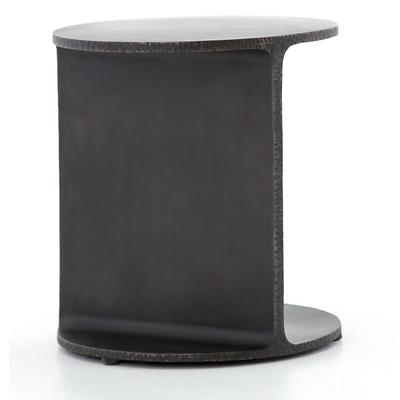
• C-Shaped or Nesting Tables: Ideal for small spaces or multi-use living areas. They tuck neatly under furniture and offer flexible use.
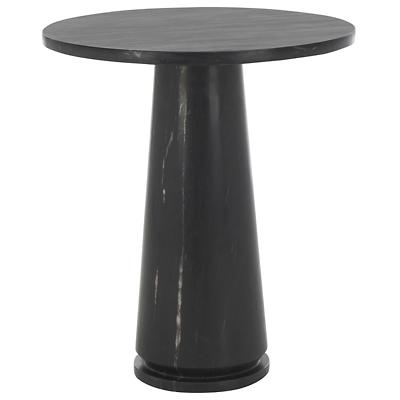
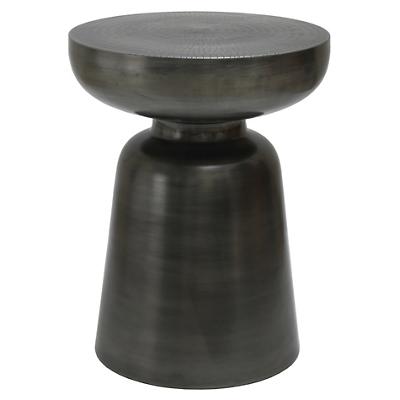
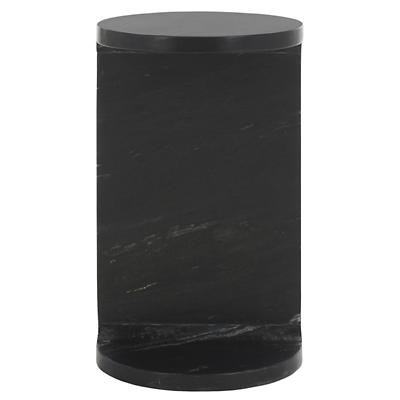
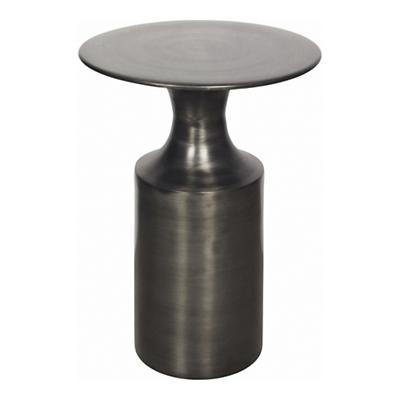
• Pedestal or Drum Tables: Sculptural and bold—perfect for a statement look beside a lounge chair or in a hallway vignette.
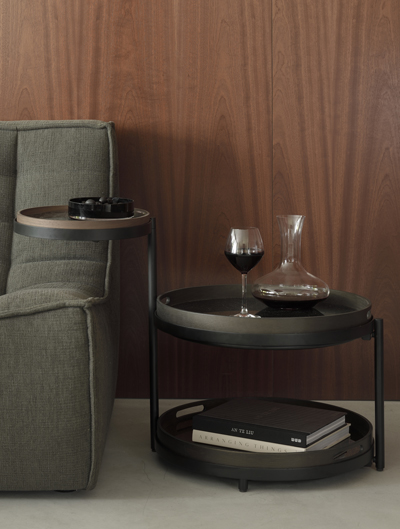
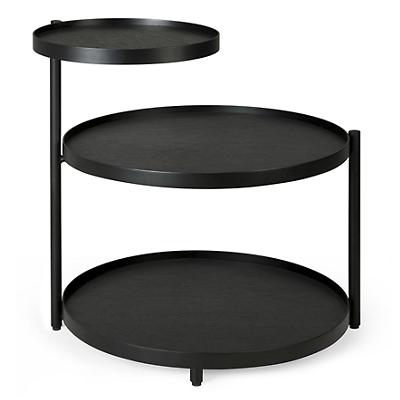
• Tray-Top or Storage Styles: Combines form and function—great for keeping items organized while doubling as display surfaces.
Material & Finish Options
The beauty of a black side table lies not only in its shape, but in the material that defines its character. From cool metals to warm wood and tactile stone, black complements every texture it touches.
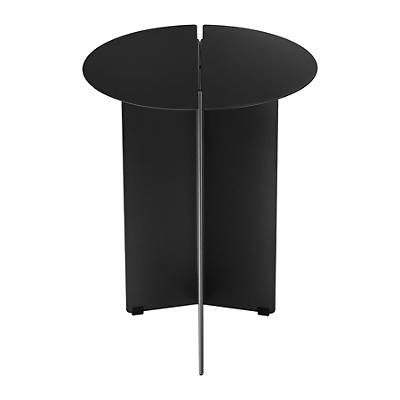
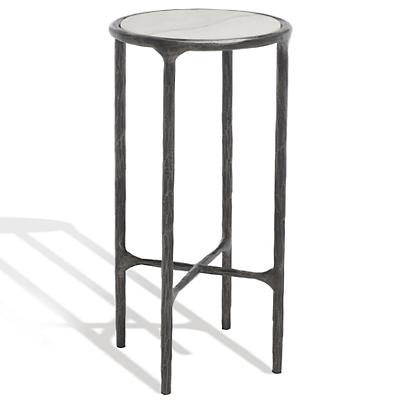
• Black Metal: Clean, minimal, and architectural. Ideal for modern, industrial, or Scandinavian spaces. Powder-coated finishes add a matte, fingerprint-resistant touch.
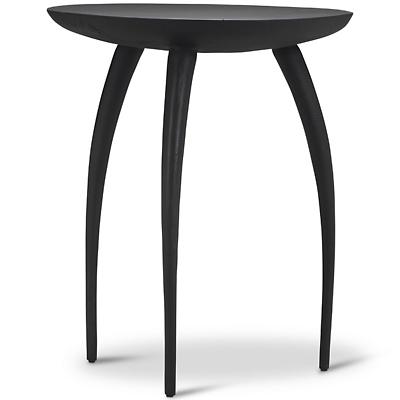
• Black Wood: Classic and organic. Brings warmth and texture, especially in transitional or farmhouse-inspired interiors.
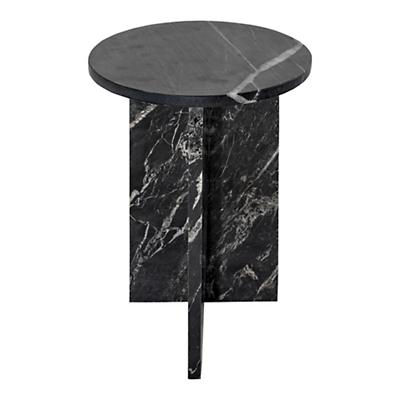
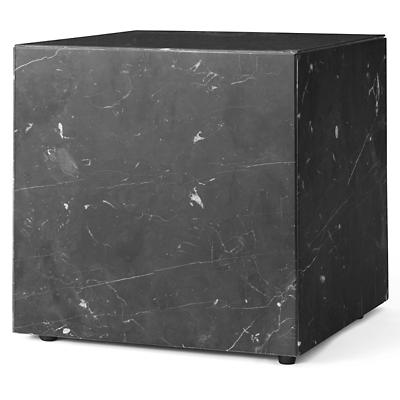
• Black Marble or Stone: Luxurious and weighty. Adds texture and refinement, often paired with gold or brass accents for contrast.
• Matte vs. Gloss: Matte finishes feel subtle and understated, while gloss offers drama and light play.
• Mixed Materials: Black bases combined with glass tops, brass trim, or wood detailing create layered, multidimensional pieces.
🎓 Expert Tip: Choose a matte black table with slim legs to keep the look airy and open—especially in small spaces or rooms with limited natural light.
Where to Use Black Side Tables
These compact pieces may be small in scale, but their design potential spans the entire home.
• Living Room: Anchor seating areas with a black side table that holds a lamp, sculpture, or books. Pairs beautifully with leather, velvet, or linen upholstery.
• Bedroom: A black side table can act as a modern nightstand—especially in tight spaces or minimalist layouts. Try pairing with a ceramic lamp or metallic sconce.
• Entryway or Hallway: Use a black pedestal table or drum shape to display a vase, bowl, or catchall tray. Adds sculptural interest in transitional spaces.
• Home Office: Tuck one next to a reading chair or under a window. Use it to hold a drink, a stack of notebooks, or a decorative object.
• Bathroom: Surprisingly effective in spa-like settings. Use beside a soaking tub to hold candles, towels, or a small tray.
🎓 Expert Tip: Black tables work best when echoed throughout the room—think black hardware, frames, or light fixtures to create cohesion.
Styling Tips for Black Side Tables
• Play with contrast: Style with lighter objects—ceramics, pale wood, or glass—for a striking balance
• Layer in texture: Surround with soft textiles (bouclé, linen, wool) to offset the sleek finish
• Use lighting wisely: A small table lamp or candlelight will enhance black's richness and shadow
• Keep surfaces intentional: One or two well-chosen items go further than cluttered décor
🎓 Expert Tip: In open layouts, use matching black tables on either side of a sofa or bed to create symmetry—and repeat the color in nearby accents to visually connect the space.
FAQs About Black Side Tables
Are black side tables too dark for small rooms?
Not when paired with light walls or reflective surfaces. In fact, they can add depth and structure to compact spaces.
🎓 Expert Tip: Choose open-frame or leggy silhouettes to reduce visual weight in smaller rooms.
Do black tables show dust or fingerprints easily?
Glossy black surfaces may highlight smudges more than matte finishes.
🎓 Expert Tip: Powder-coated or satin-finished tables are ideal for low-maintenance, everyday use.
Can I pair black tables with wood furniture?
Yes—black pairs beautifully with both warm and cool wood tones. It adds a graphic edge to organic textures.
🎓 Expert Tip: Black works especially well with oak, walnut, or bleached wood when balanced across the space.
Do black side tables go out of style?
Never. Black is a foundational color in design—it evolves with your space and style over time.
🎓 Expert Tip: Invest in quality materials and clean shapes for long-term use. These pieces will transition with changing trends.
What kind of décor looks best on black tables?
Natural materials like stone, brass, or ceramic add contrast and depth.
🎓 Expert Tip: Stick to one or two statement pieces to keep the surface visually clean and elegant.
Side TablesFrequently Asked Questions
What is another name for a side table?
Side tables are often called end tables or accent tables, depending on their placement and function. Although the terms are frequently interchangeable, accent tables typically focus more on decorative appeal, while end tables are primarily positioned at the ends of sofas or chairs.
Expert Tip: The terminology often reflects regional design traditions - what Americans call "end tables," the British may refer to as "occasional tables." True connoisseurs look for tables with proportions that create visual rhythm - a table slightly lower than the adjacent seat's armrest (about 1-2 inches) creates perfect harmony.
What is the difference between an end table and a side table?
While often used interchangeably, an end table specifically refers to a small table placed beside seating, such as at the end of a sofa or next to an armchair. A side table is a broader term, encompassing any small table that can be positioned anywhere within a room. Accent tables similarly provide decorative appeal and may or may not be placed beside seating.
Expert Tip: Placement defines function. End tables should be within easy reach (no more than 4 inches from seating arms), while side tables can be more flexible. The most versatile designs feature slightly weighted bases that allow them to serve both purposes beautifully while resisting accidental bumps.
How tall should an accent table be?
An accent table typically ranges from 18 to 24 inches in height, making it suitable for use next to sofas, chairs, or beds. Ideally, the height should closely match or slightly fall below the arm height of adjacent seating for comfortable access and aesthetic harmony.
Expert Tip: The golden rule: the tabletop should intersect with the sightline when seated. For most sofas (seat height 18-20"), this means 22-24" tables. In bedrooms, bedside tables should be level with or up to 2" below the mattress height for effortless nighttime reach.
How tall is an outdoor side table?
Outdoor side tables usually range between 17 and 24 inches tall, depending on their intended use. Lower side tables, around 17 to 19 inches, pair well with lounge chairs and chaise lounges, whereas taller outdoor side tables (around 20 to 24 inches) complement standard patio chairs and sofas.
Expert Tip: Outdoor tables demand different considerations - opt for heights at the lower end of the range (18-20") in windy areas to prevent tipping. In poolside settings, choose materials like teak or powder-coated aluminum that won't overheat in direct sunlight while maintaining stability.