Diamond Modern Pendant Lighting & Hanging Lights

















Pendant Lighting Explore
Diamond Pendant Lighting
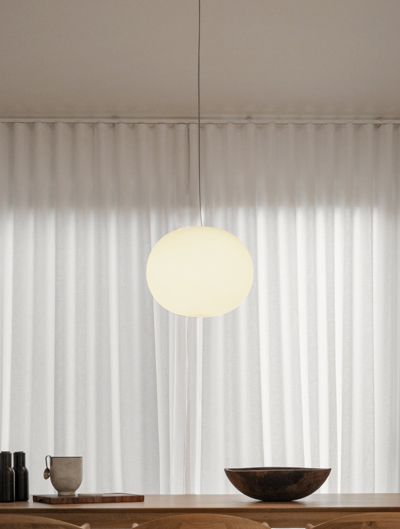
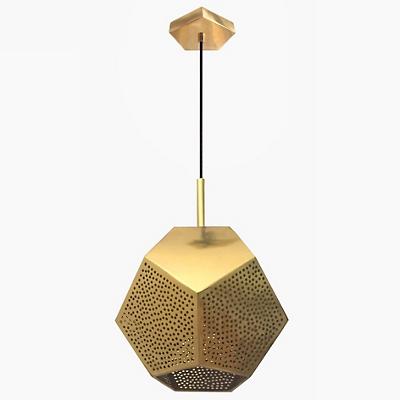
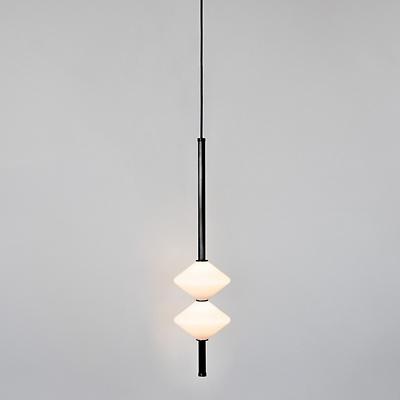
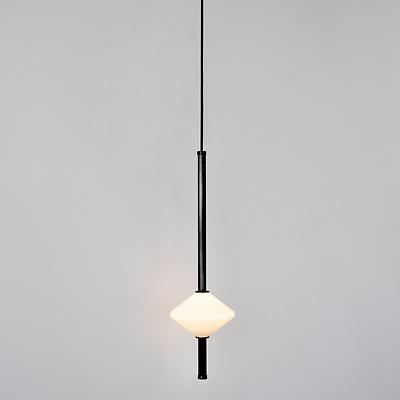
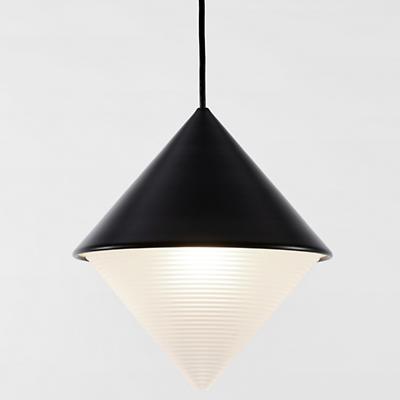
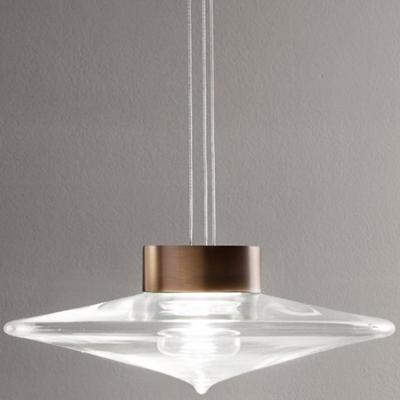
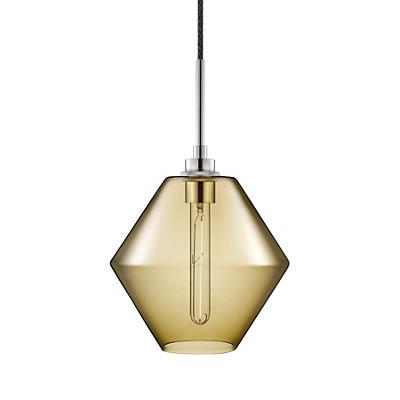
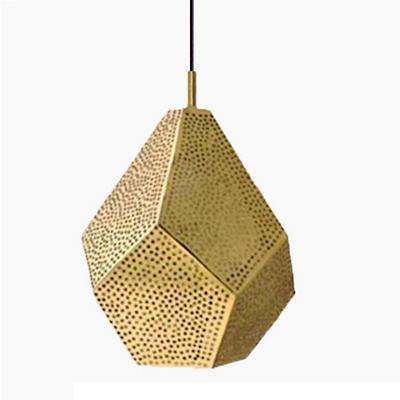
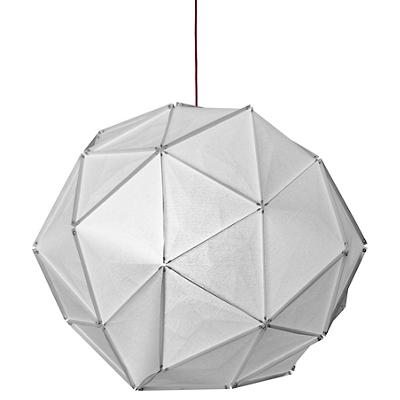
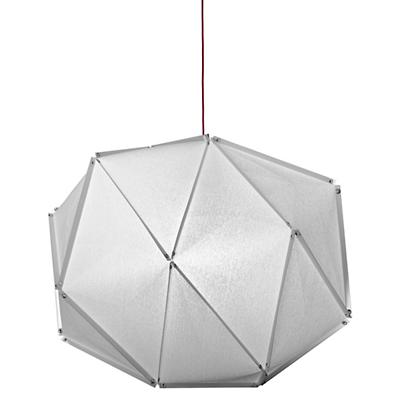
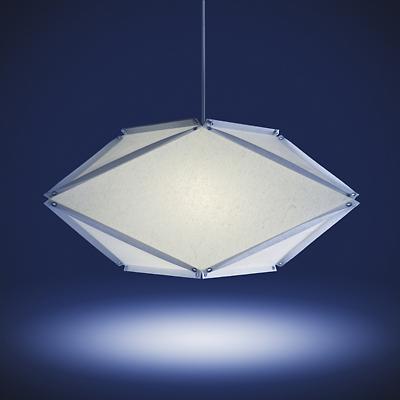
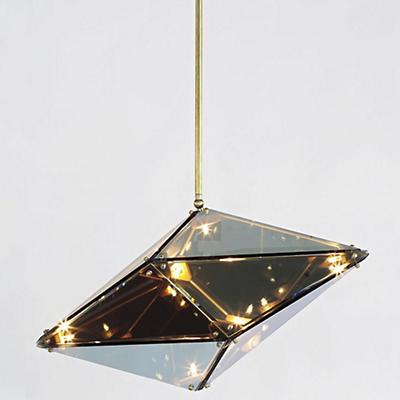
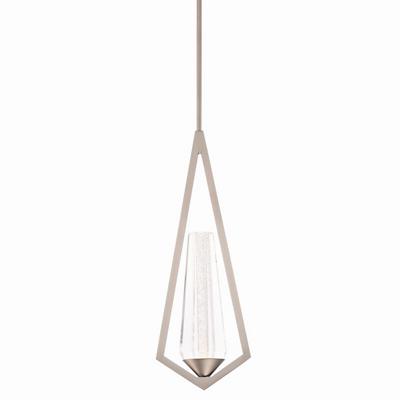
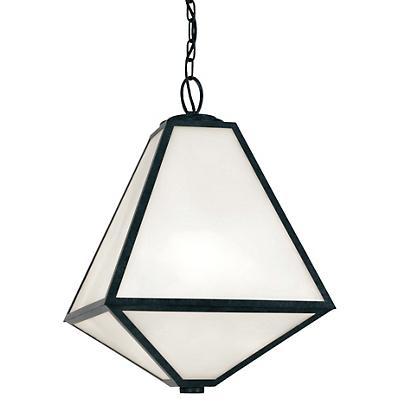
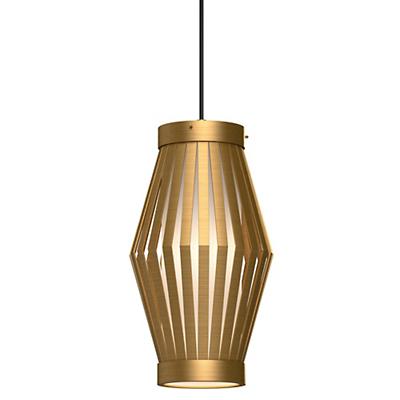
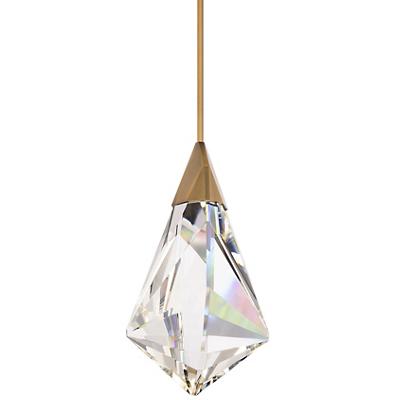
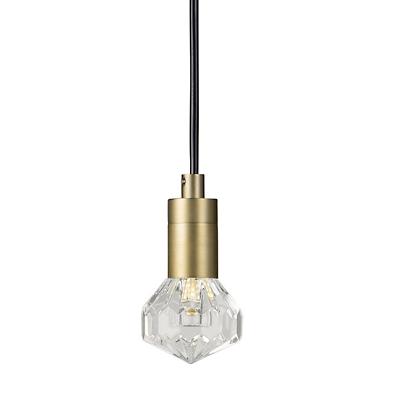
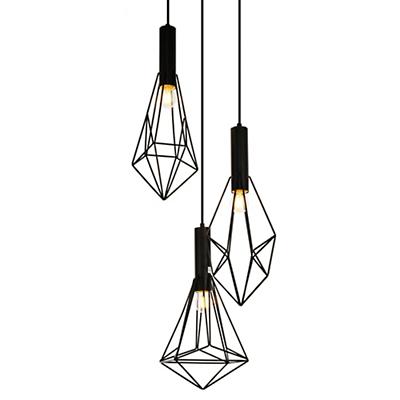
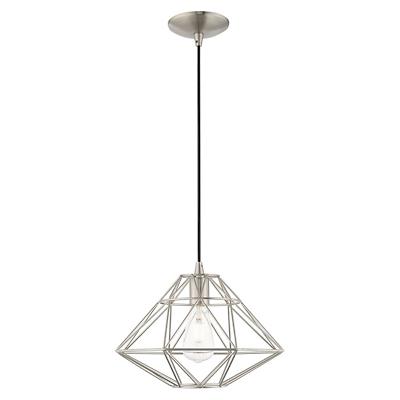
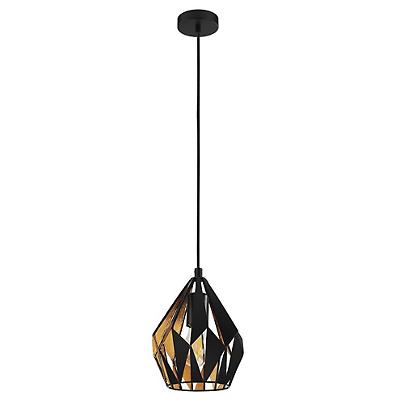
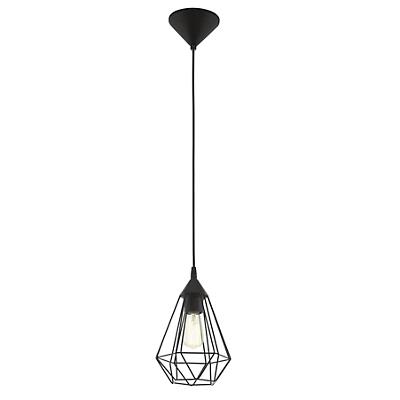
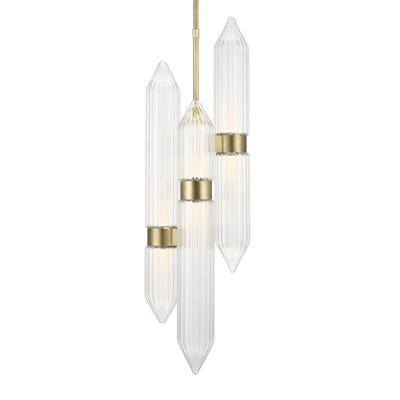
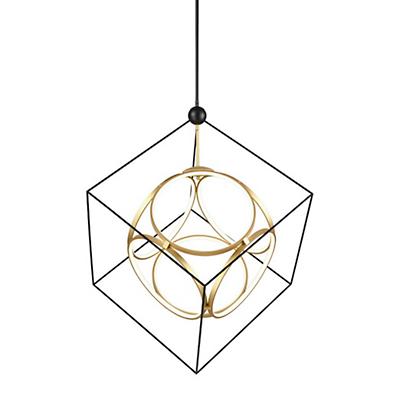
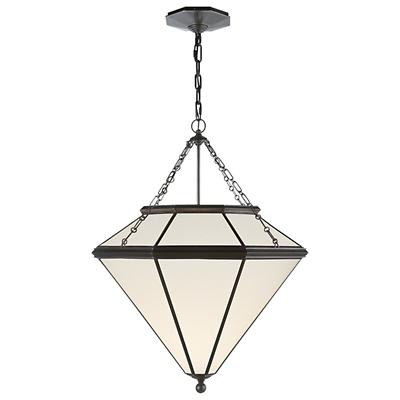
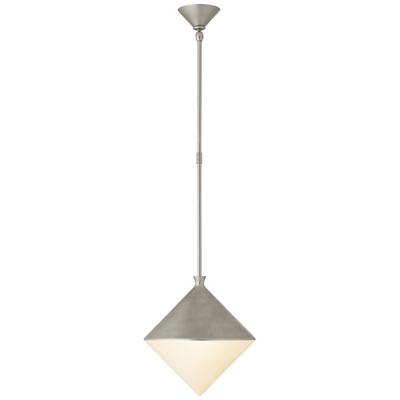
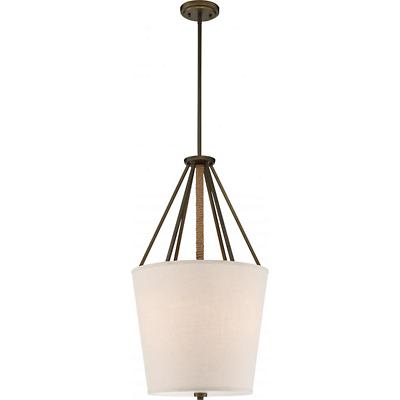
Diamond pendant lighting brings architectural elegance to modern interiors with its distinctive geometric form. These sculptural fixtures create striking focal points while delivering exceptional illumination, making them ideal for kitchen islands, dining areas, and entryways. From minimalist diamond silhouettes to intricate crystal-faceted designs—in finishes like aged brass, polished nickel, and matte black—diamond-shaped pendants deliver both visual impact and functional lighting that elevates your entire space.
Understanding Diamond Pendant Lighting Design
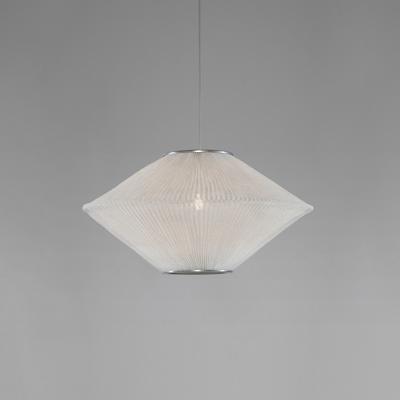
Diamond pendant lighting features angular, faceted forms that catch and reflect light—creating dynamic visual interest from every angle. This distinctive shape works well when you want a statement piece without overwhelming the room. Explore medium and large pendants, mini pendants for layered installations, and multi-light configurations that create dramatic impact over islands and dining tables. The geometric precision of diamond shapes complements both modern minimalist interiors and more ornate traditional settings.
Style Variations: From Modern to Transitional
• Modern & Contemporary: Clean-lined diamond cages in black or polished chrome with exposed bulbs create industrial-chic appeal.
• Transitional: Diamond forms with seeded glass, opal diffusers, or prismatic crystal in warm metal finishes bridge classic and contemporary.
• Art Deco Revival: Faceted crystal diamond pendants with metallic accents channel vintage glamour.
• Artisanal Modern: Handcrafted diamond shapes in natural materials like rattan or textured plaster add organic warmth.
Brands such as Schonbek Beyond, Visual Comfort Signature, and Alora Lighting offer notable interpretations across these aesthetics.
Materials & Finishes That Define Your Space
• Metal finishes: Aged or vintage brass add warm character for kitchens; polished or satin nickel deliver cool sophistication for dining; matte black creates bold contrast in contemporary settings.
• Glass choices: Clear optic crystal maximizes sparkle and brightness; seeded or water glass softens glare while maintaining transparency; opal and prismatic glass diffuse light evenly; smoke and amber glass add atmospheric warmth.
• Specialty materials: Natural fibers, textured plaster, and hand-forged metals introduce artisanal texture. Mixed-material designs (e.g., metal frameworks paired with crystal elements) create sophisticated, layered effects.
Size & Scale: Choosing the Right Proportions
• Single pendants (dining): Aim for a diameter roughly one-third the table width. Smaller pieces suit breakfast nooks; larger designs anchor formal dining areas.
• Kitchen islands: For a 7-foot island, consider three medium pendants spaced about 30–36 inches apart, or two larger pendants with roughly 36–40 inches between. As a rule, the combined widths should be close to half the island length.
• Multi-light clusters: Multi-light pendants with diamond shades deliver even illumination and a dramatic focal point—great for open-concept spaces.
Placement & Installation
• Height guidelines: Hang 30–36 inches above kitchen counters and islands; over dining tables, position about 30–34 inches from the tabletop. In entryways, keep at least 7 feet of floor clearance.
• Sloped ceilings: Look for fixtures labeled “sloped ceiling adaptable” to ensure proper installation on vaulted or angled ceilings.
• Damp & outdoor ratings: For covered patios or bathrooms, choose ETL/UL Damp or Wet listings. Some outdoor-rated diamond pendants offer weather-resistant construction for exterior use.
Common Questions
Which creates less glare—crystal or metal cage designs? Diffused options such as opal, prismatic, or matte glass minimize glare for task zones. Crystal and clear glass maximize sparkle and are ideal where ambiance takes priority.
Are LED diamond pendants dimmable? Many are—pair with compatible dimmers and check specifications for Title 24 compliance if needed.
What finishes work best in transitional kitchens? Aged brass, bronze, and brushed nickel add warmth without skewing too traditional. Pair with seeded or opal glass for balanced sophistication.
Elevate Your Space With Diamond Pendant Lighting
Diamond pendants balance sculptural beauty and practical illumination. From compact minis to dramatic multi-light installations—with features like sloped-ceiling compatibility, dimmable LEDs, and code-compliant options—you can meet both design goals and technical requirements. Explore the full pendant lighting collection to find timeless designs and expertly crafted fixtures that elevate any space.
See the full pendant lighting collection for thoughtfully crafted fixtures that elevate any space.
Pendant LightingFrequently Asked Questions
Are pendant lights in style?
Yes, pendant lights remain a stylish and versatile lighting option. Modern designs, such as minimalist metal pendants, glass globes, and geometric shapes, are particularly popular. They are widely used in kitchens, dining rooms, and entryways to add both functionality and aesthetic appeal.
Expert Tip: To keep your space on-trend, opt for pendant lights with integrated LED technology or customizable features like adjustable heights and dimmable settings.
How to choose a hanging light?
When choosing a hanging light, consider the size of the space, the fixture's purpose, and your decor style. For example, in a kitchen, select a pendant that provides focused task lighting over an island, while in a dining room, choose a statement piece that complements the table's size and shape.
Expert Tip: Use the "3:1 rule" for pendant sizing—divide the room's height by 3 to determine the ideal fixture height. For example, a 9-foot ceiling would suit a pendant around 3 feet tall.
What is the difference between a chandelier and a hanging light?
A chandelier is a type of hanging light that typically features multiple arms or branches with several light sources, often used for decorative purposes. A pendant light, on the other hand, is a single light fixture suspended from the ceiling, usually providing focused or task lighting.
Expert Tip: For a cohesive look, pair a chandelier with matching pendant lights in adjacent spaces, such as a dining room and kitchen.
Can you change the shades on pendant lights?
Yes, many pendant lights allow you to change the shades, offering flexibility to update the look of your fixture. However, this depends on the design—some pendants have fixed shades, while others are modular.
Expert Tip: If you enjoy refreshing your decor, look for pendant lights with interchangeable shades or universal fittings that accommodate a variety of styles.
What are the different types of pendant lights?
The main types of pendant lights include mini pendants, multi-light pendants, drum pendants, and globe pendants. Each type serves different purposes, from task lighting over kitchen islands to decorative accents in living areas.
Expert Tip: Multi-light pendants are ideal for larger spaces, as they provide even illumination and can be adjusted to suit the layout of the room.
How do I know what size pendant light I need?
To determine the right size for a pendant light, consider the room's dimensions and the fixture's purpose. For example, over a kitchen island, the pendant should be 1/2 to 2/3 the width of the island. In dining rooms, the fixture should be 12 inches narrower than the table on each side.
Expert Tip: For a balanced look, hang multiple smaller pendants in a row over long surfaces, spacing them evenly and ensuring they align with the room's proportions.
What colors do pendant lights come in?
Pendant lights come in a wide range of colors, from neutral tones like black, white, and bronze to bold hues like red, blue, and gold. The finish and color should complement your existing decor and create the desired ambiance.
Expert Tip: Matte finishes are great for modern, understated looks, while metallic finishes like brass or copper add a touch of luxury and warmth.
What is the correct height for pendant lights to hang?
The ideal height for pendant lights depends on their location. Over a kitchen island or dining table, hang the fixture 30-36 inches above the surface. In entryways or living rooms, ensure the bottom of the pendant is at least 7 feet above the floor to avoid obstructing movement.
Expert Tip: Use adjustable pendant lights to fine-tune the height after installation, ensuring the perfect balance of functionality and aesthetics.
What are the different shapes of pendant lights?
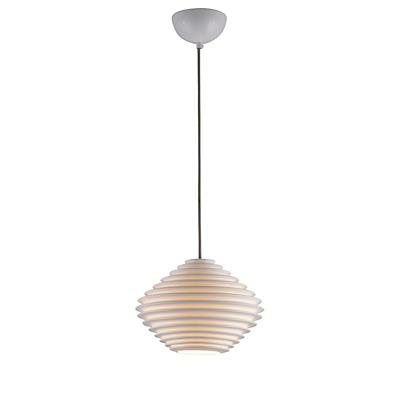
Pendant lights come in various shapes, including drum, globe, cone, cylinder, and geometric designs. The shape you choose should align with the room's style—for example, globe pendants suit modern spaces, while drum shades work well in traditional settings.
Expert Tip: Mix and match shapes in a multi-pendant setup for a dynamic, eclectic look that adds visual interest to your space.
What is a good wattage for a pendant light?
A good wattage for a pendant light depends on its purpose. For task lighting, aim for 75-100 watts (or equivalent lumens for LEDs). For ambient lighting, 40-60 watts is usually sufficient.
Expert Tip: If using LED bulbs, remember that they consume less wattage while providing the same brightness as incandescent bulbs. For example, a 10-watt LED can replace a 60-watt incandescent.
How do you put a dimmer on a pendant light?
To add a dimmer to a pendant light, you'll need a compatible dimmer switch and, in some cases, dimmable bulbs. Turn off the power, replace the existing switch with the dimmer, and connect the wires according to the manufacturer's instructions.
Expert Tip: Ensure your pendant light fixture and bulbs are dimmable before installing a dimmer switch. Non-dimmable LEDs or fixtures may flicker or fail to work properly with a dimmer.

 Back To Top