Amber Modern Pendant Lighting & Hanging Lights





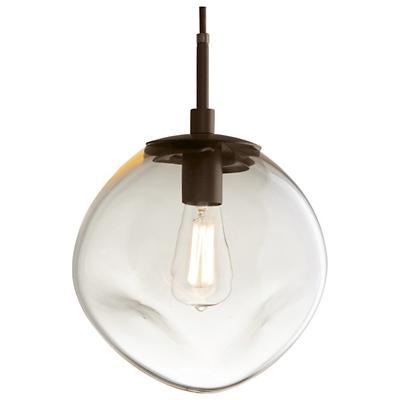
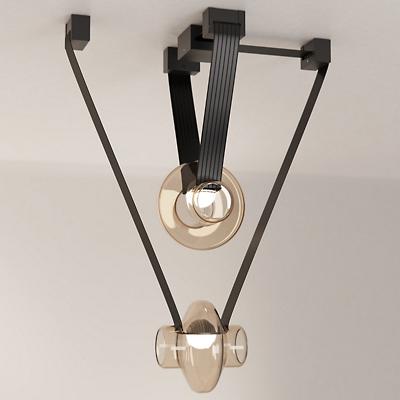
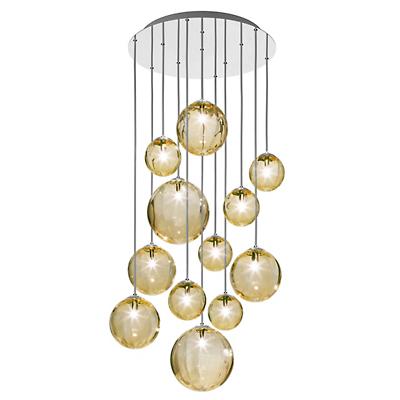
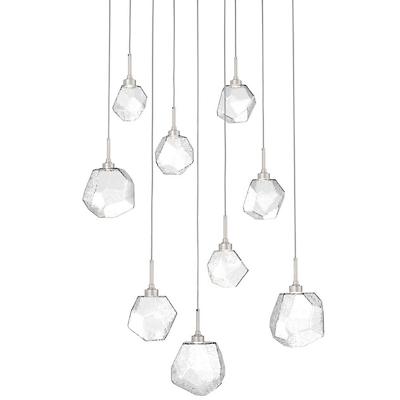

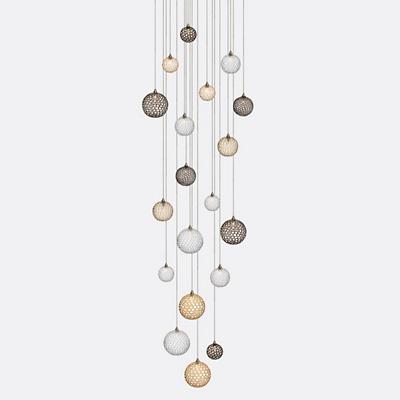
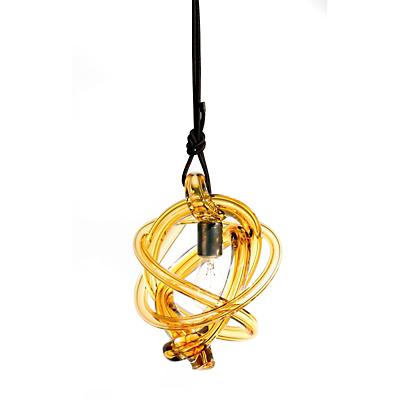
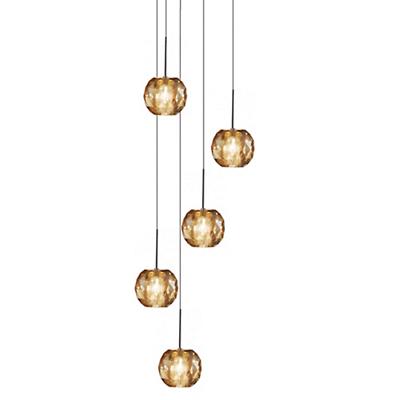
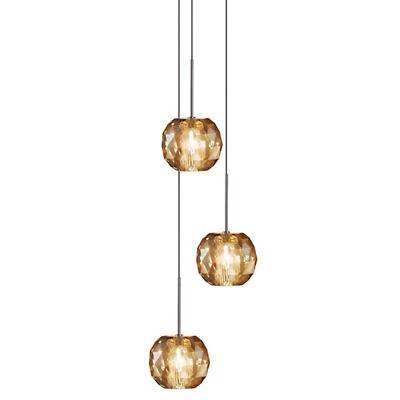

Pendant Lighting Explore
Amber Pendant Lighting
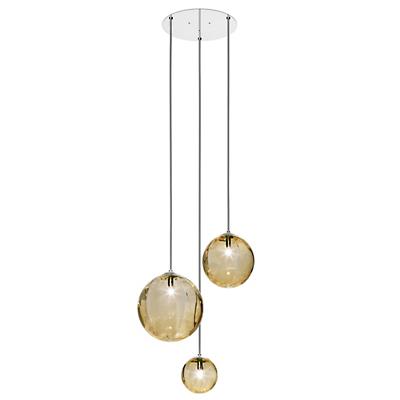
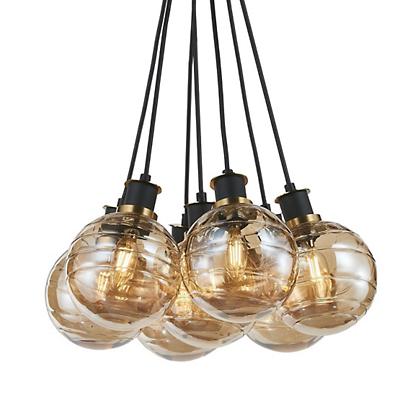
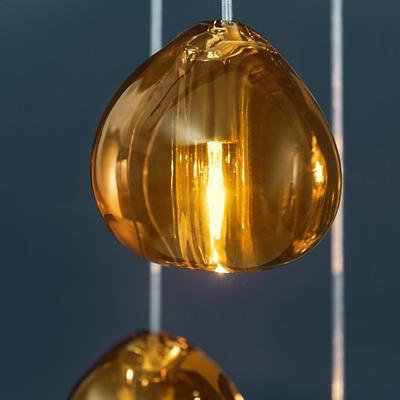
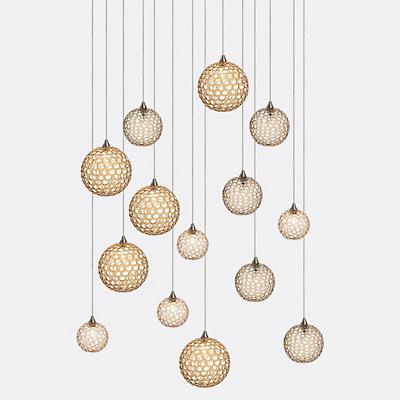
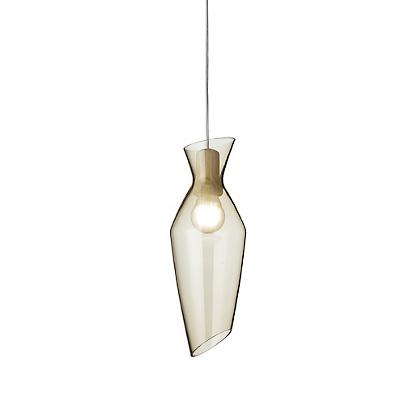
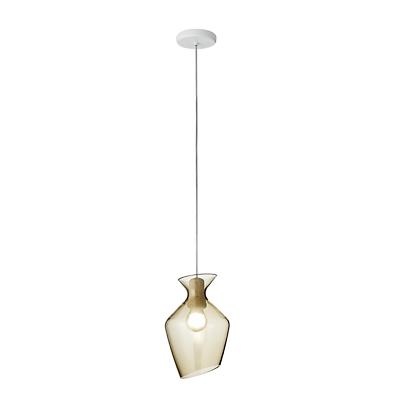
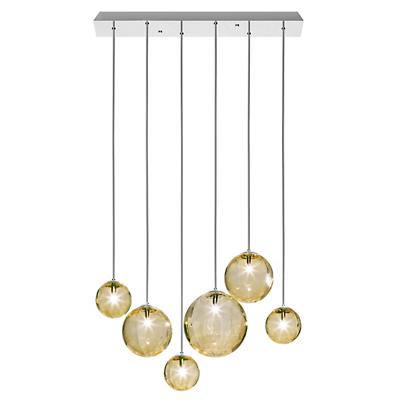
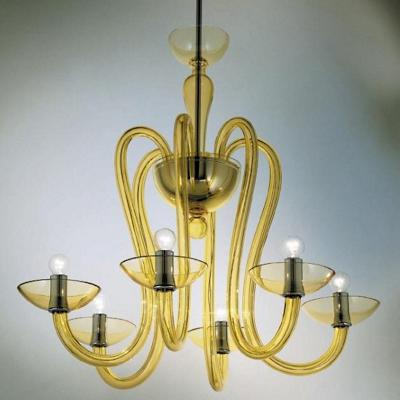
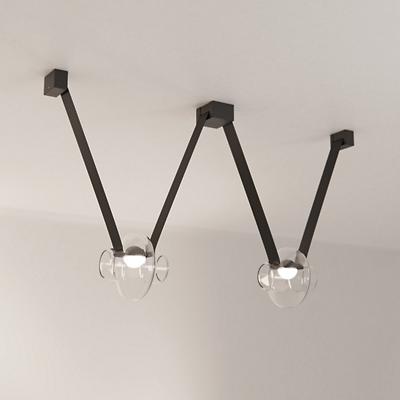
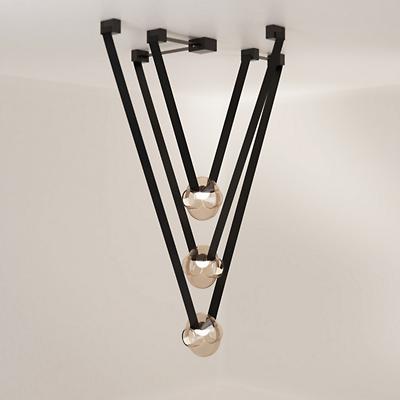
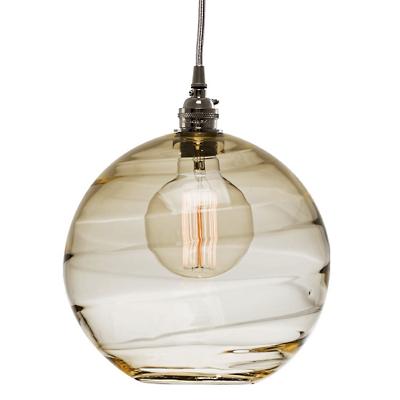
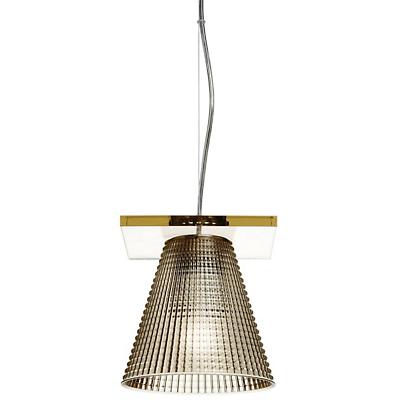
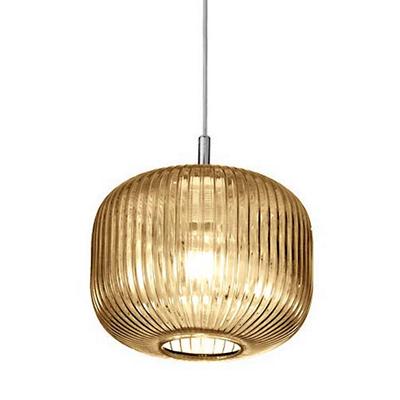
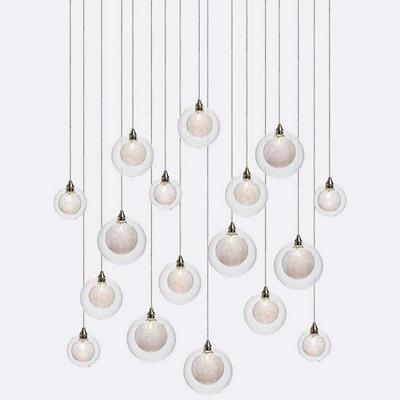
Amber pendant lighting transforms any space with its signature warm, honeyed glow—creating an inviting atmosphere that balances sophistication with comfort. Whether you're illuminating a kitchen island, dining table, or cozy reading nook, amber glass pendants offer a unique combination of functional task lighting and ambient warmth. From mini pendants to statement-making large fixtures, our collection features designs from iconic brands like Louis Poulsen, Marset, and Hammerton Studio—each bringing their own interpretation of this timeless aesthetic.
Understanding Amber Pendant Lighting
Amber pendant lighting is defined by glass shades in rich golden, honey, or caramel tones that filter light through warm hues ranging from 590–620 nanometers. This creates a distinctly cozy ambiance while maintaining excellent visibility for tasks. The VL45 Radiohus Pendant by Louis Poulsen exemplifies this category with its iconic mid-century design and amber glass shade options. Unlike clear glass that provides bright, direct illumination, amber-tinted glass softens light output while adding visual warmth—making these fixtures ideal for spaces where you want both function and atmosphere. The color naturally complements wood tones, brass finishes, and neutral palettes found in transitional and modern contemporary interiors.
Amber Pendant Lighting Style Variations
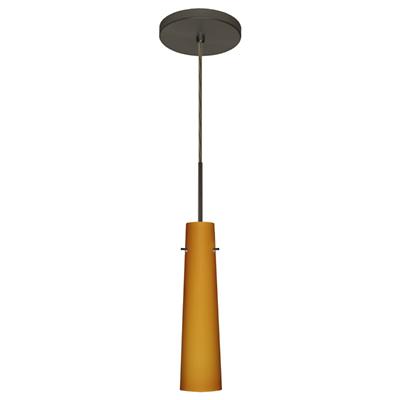
Modern & Minimalist: Clean-lined fixtures like the Totem LED Mini Pendant by Pablo Designs feature simple amber glass cylinders that work beautifully in contemporary kitchens and dining spaces.
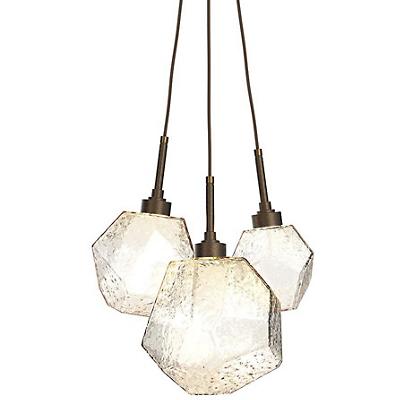
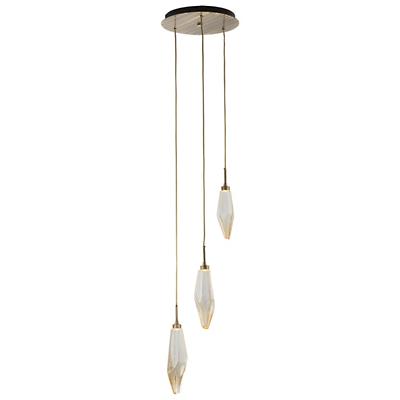
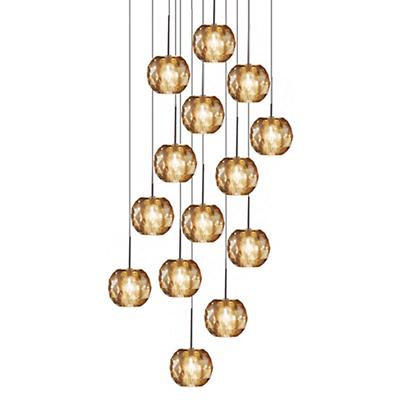
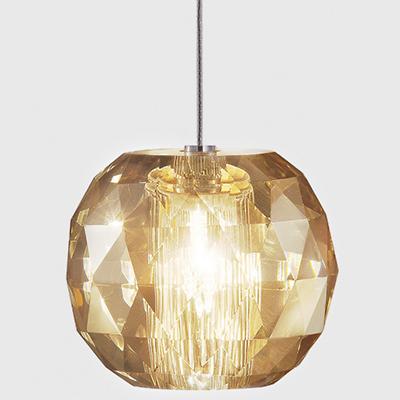
Artisanal & Handcrafted: The Gem Pendant by Hammerton Studio showcases hand-blown amber glass in geometric forms, perfect for adding artisan character to modern farmhouse or eclectic interiors.
Mid-Century Modern: Designs like the Dipping Light LED Pendant by Marset combine amber glass with vintage-inspired silhouettes that reference 1950s–60s design sensibilities.
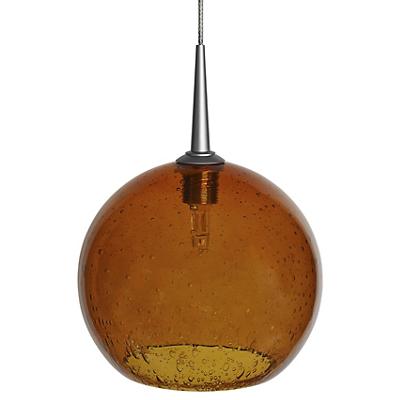
Globe & Orb Styles: Round amber pendants create soft, diffused light ideal for dining rooms and entryways where you want visual warmth without harsh shadows.
Materials & Finish Pairings for Amber Pendant Lighting
Amber glass pairs exceptionally well with specific metal finishes that enhance its warm character:
-
Aged Brass & Bronze: Creates a cohesive vintage aesthetic with rich, warm metallic tones that complement amber’s honey hues.
-
Matte Black: Provides dramatic contrast while maintaining modern sophistication—ideal for contemporary spaces.
-
Polished Nickel & Chrome: Offers a transitional look that balances amber’s warmth with cooler metallic accents.
-
Natural Wood: Some designs like the Bohemia Pendant by Marset combine amber glass with wood elements for organic, nature-inspired aesthetics.
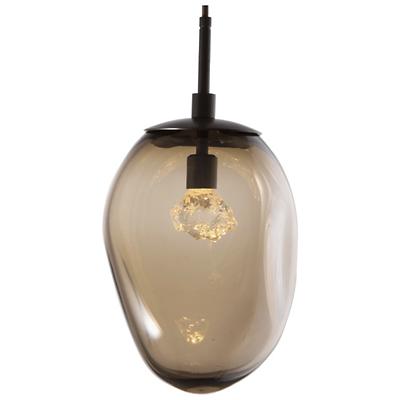
The glass itself ranges from transparent amber (showing the bulb) to more opaque, textured finishes that diffuse light more completely—affecting both the fixture’s appearance and light quality.
Sizing Your Amber Pendant Lighting
For Kitchen Islands (7–8 feet): Use 2–3 pendants sized 10–14 inches in diameter, spaced 24–30 inches apart. Multi-light pendants like the Lilian Multi-Light Pendant offer coordinated clusters for balanced illumination.
Dining Tables: Choose fixtures with 16–24 inch diameters for tables seating 6–8 people. Hang 30–36 inches above the table surface to avoid glare while maintaining intimate ambiance.
Small Spaces: Mini pendants under 10 inches work perfectly over nightstands, in bathrooms, or as accent lighting in cozy corners.
High Ceilings (9–12 feet): Select larger fixtures or adjustable-height options. Many designs include customizable cord lengths to accommodate sloped or vaulted ceilings.
Light Output & Color Temperature Considerations
Amber glass naturally filters light, reducing overall brightness by 15–30% compared to clear glass. For adequate task lighting over food prep areas, aim for:
-
800–1,100 lumens per pendant for kitchen islands requiring functional illumination.
-
2700K warm white bulbs to enhance amber’s natural warmth without creating overly orange tones.
-
3000K soft white for spaces needing slightly crisper light while maintaining warmth.
-
Warm-dim LED options that shift from 3000K to 2200K when dimmed, mimicking incandescent bulbs.
The Dipping Light series offers integrated LED options with optimal color rendering (90+ CRI) that maintains color accuracy despite amber tinting—important for dining spaces where food presentation matters.
Placement & Installation Expertise
Kitchen Islands: Hang pendants 30–36 inches above countertops for task lighting without head bumps. For 8-foot ceilings, consider flush-mount alternatives; for 10+ foot ceilings, use adjustable cords to achieve proper height.
Dining Rooms: Position fixtures so the bottom sits 30–34 inches above the table—high enough to see across but low enough to create intimacy. Amber glass reduces glare naturally, making eye-level viewing more comfortable.
Bathrooms: Select damp-rated fixtures for vanity areas. Amber lighting provides flattering illumination for grooming tasks while creating spa-like ambiance.
Foyers & Stairwells: Use larger statement pieces or staggered multi-light clusters to fill vertical space. The Gem Cluster Pendant works beautifully in these applications.
Dimming: Install compatible dimmers (ELV for LED, incandescent dimmers for halogen bulbs) to control both brightness and ambiance—essential for spaces serving multiple functions.
Common Questions About Amber Pendant Lighting
Will amber glass make rooms too warm? Amber creates cozy warmth without overwhelming spaces when paired with 2700–3000K bulbs. Balance with neutral walls and cooler accent colors if concerned about excessive warmth.
Is amber bright enough for task lighting? Yes, when properly sized. Choose fixtures with 800+ lumens per pendant for work surfaces, or layer with recessed lighting for comprehensive illumination.
What styles work with amber? Amber complements mid-century modern, Scandinavian, industrial, and transitional aesthetics. It pairs beautifully with natural materials, warm metals, and both light and dark wood tones.
LED vs. bulb-based? Integrated LED fixtures like those from Marset offer energy efficiency and longevity (50,000+ hours) but can't be bulb-replaced. Socket-based fixtures provide bulb flexibility but require occasional replacement—choose based on maintenance preferences.
Shopping Guide: Finding Your Perfect Amber Pendant
Budget-Friendly ($200–400): The Aurora Pendant by Bruck Lighting offers quality amber glass with multiple finish options at accessible pricing.
Mid-Range ($500–1,000): Explore options from Niche, Vistosi, and SkLO featuring artisan glasswork and designer aesthetics.
Designer Investment ($1,000+): Iconic pieces like the VL45 Radiohus or Crystal Rock Pendant by Lasvit become focal points that elevate entire rooms.
Shapes to Consider: Globe pendants for soft diffusion, cylinder designs for directional light, teardrop forms for elegant curves, or abstract shapes for artistic statements.
Elevate Your Space with Amber Pendant Lighting
From the warm glow of handcrafted glass to the precision of modern LED technology, amber pendant lighting offers unmatched versatility for creating inviting, functional spaces. Whether you're drawn to the iconic designs of Louis Poulsen, the artisanal craftsmanship of Hammerton Studio, or contemporary innovations from Marset and Pablo Designs, our curated collection ensures you'll find fixtures that perfectly balance warmth, style, and performance. With options spanning every budget, size requirement, and design aesthetic—from mini pendants to statement chandeliers—your ideal amber lighting solution awaits.
See the full pendant lighting collection for thoughtfully crafted fixtures that elevate any space.
Pendant LightingFrequently Asked Questions
Are pendant lights in style?
Yes, pendant lights remain a stylish and versatile lighting option. Modern designs, such as minimalist metal pendants, glass globes, and geometric shapes, are particularly popular. They are widely used in kitchens, dining rooms, and entryways to add both functionality and aesthetic appeal.
Expert Tip: To keep your space on-trend, opt for pendant lights with integrated LED technology or customizable features like adjustable heights and dimmable settings.
How to choose a hanging light?
When choosing a hanging light, consider the size of the space, the fixture's purpose, and your decor style. For example, in a kitchen, select a pendant that provides focused task lighting over an island, while in a dining room, choose a statement piece that complements the table's size and shape.
Expert Tip: Use the "3:1 rule" for pendant sizing—divide the room's height by 3 to determine the ideal fixture height. For example, a 9-foot ceiling would suit a pendant around 3 feet tall.
What is the difference between a chandelier and a hanging light?
A chandelier is a type of hanging light that typically features multiple arms or branches with several light sources, often used for decorative purposes. A pendant light, on the other hand, is a single light fixture suspended from the ceiling, usually providing focused or task lighting.
Expert Tip: For a cohesive look, pair a chandelier with matching pendant lights in adjacent spaces, such as a dining room and kitchen.
Can you change the shades on pendant lights?
Yes, many pendant lights allow you to change the shades, offering flexibility to update the look of your fixture. However, this depends on the design—some pendants have fixed shades, while others are modular.
Expert Tip: If you enjoy refreshing your decor, look for pendant lights with interchangeable shades or universal fittings that accommodate a variety of styles.
What are the different types of pendant lights?
The main types of pendant lights include mini pendants, multi-light pendants, drum pendants, and globe pendants. Each type serves different purposes, from task lighting over kitchen islands to decorative accents in living areas.
Expert Tip: Multi-light pendants are ideal for larger spaces, as they provide even illumination and can be adjusted to suit the layout of the room.
How do I know what size pendant light I need?
To determine the right size for a pendant light, consider the room's dimensions and the fixture's purpose. For example, over a kitchen island, the pendant should be 1/2 to 2/3 the width of the island. In dining rooms, the fixture should be 12 inches narrower than the table on each side.
Expert Tip: For a balanced look, hang multiple smaller pendants in a row over long surfaces, spacing them evenly and ensuring they align with the room's proportions.
What colors do pendant lights come in?
Pendant lights come in a wide range of colors, from neutral tones like black, white, and bronze to bold hues like red, blue, and gold. The finish and color should complement your existing decor and create the desired ambiance.
Expert Tip: Matte finishes are great for modern, understated looks, while metallic finishes like brass or copper add a touch of luxury and warmth.
What is the correct height for pendant lights to hang?
The ideal height for pendant lights depends on their location. Over a kitchen island or dining table, hang the fixture 30-36 inches above the surface. In entryways or living rooms, ensure the bottom of the pendant is at least 7 feet above the floor to avoid obstructing movement.
Expert Tip: Use adjustable pendant lights to fine-tune the height after installation, ensuring the perfect balance of functionality and aesthetics.
What are the different shapes of pendant lights?
Pendant lights come in various shapes, including drum, globe, cone, cylinder, and geometric designs. The shape you choose should align with the room's style—for example, globe pendants suit modern spaces, while drum shades work well in traditional settings.
Expert Tip: Mix and match shapes in a multi-pendant setup for a dynamic, eclectic look that adds visual interest to your space.
What is a good wattage for a pendant light?
A good wattage for a pendant light depends on its purpose. For task lighting, aim for 75-100 watts (or equivalent lumens for LEDs). For ambient lighting, 40-60 watts is usually sufficient.
Expert Tip: If using LED bulbs, remember that they consume less wattage while providing the same brightness as incandescent bulbs. For example, a 10-watt LED can replace a 60-watt incandescent.
How do you put a dimmer on a pendant light?
To add a dimmer to a pendant light, you'll need a compatible dimmer switch and, in some cases, dimmable bulbs. Turn off the power, replace the existing switch with the dimmer, and connect the wires according to the manufacturer's instructions.
Expert Tip: Ensure your pendant light fixture and bulbs are dimmable before installing a dimmer switch. Non-dimmable LEDs or fixtures may flicker or fail to work properly with a dimmer.
