Blue Modern Nightstands & Bedside Tables











Nightstands & Bedside Tables Explore
Blue Nightstands
A blue nightstand transforms a bedroom from ordinary to curated, anchoring your sleep space with personality and purpose. Whether you're drawn to the sophistication of powder blue, the drama of navy, or the energy of teal, blue bedside tables offer more than surface space—they establish mood, complement your design vision, and deliver essential storage. Our collection spans minimalist floating designs to sculptural statement pieces, with options from iconic European makers and contemporary American studios that balance artistry with everyday function.
Understanding Blue Nightstand Design & Construction
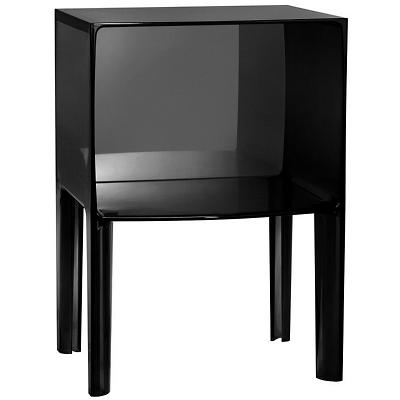
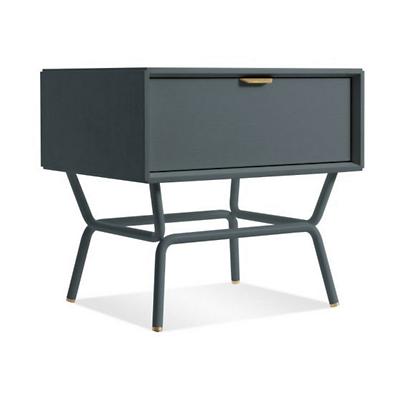
Blue nightstands typically range from 24 to 30 inches in height, with the ideal top sitting within 1–2 inches of your mattress surface for comfortable reach. The Dally Nightstand by Blu Dot in Space Blue exemplifies this proportion at standard bedside height, featuring powder-coated steel construction that resists scratches while maintaining color consistency. Construction method matters: lacquered MDF offers uniform color saturation and easy cleaning, wood veneer brings organic texture with blue-tinted stains, and acrylic or polycarbonate—like Kartell's Small Ghost Buster Night Table in Powder Blue—provides translucent depth that shifts with light.
Key construction considerations:
• Lacquered finishes: Most scratch-resistant, consistent color, simple maintenance
• Glossy vs. matte: Glossy surfaces (like Pianca's Glossy Petrol Blue) show fingerprints but create visual impact; matte finishes hide daily wear
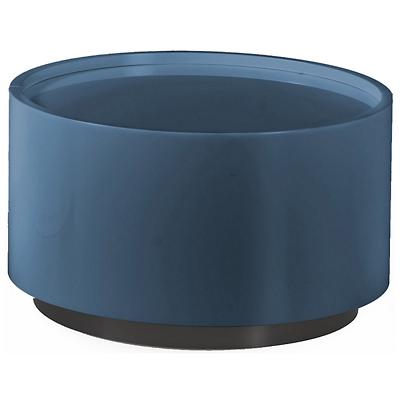
• Modular units: Kartell's Componibili Round Modular Stacking Units in Blue offer height customization (2-Hi, 3-Hi, 4-Hi options) for personalized bedside proportions
Blue Nightstand Style Variations & Color Psychology
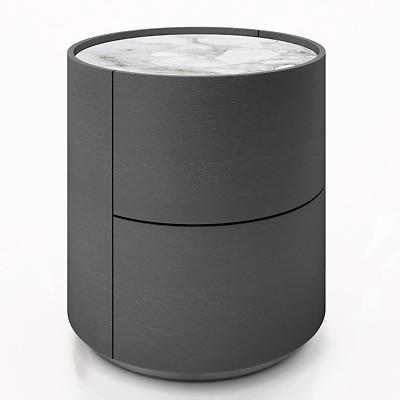
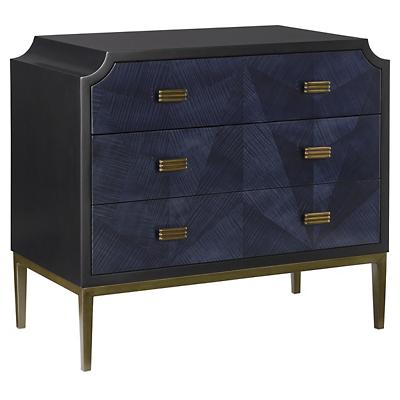
Navy and indigo nightstands, such as the Atherton Nightstand by Sunpan in Indigo, ground modern bedrooms with sophisticated restraint that pairs seamlessly with brass hardware and warm wood tones. Teal and petrol blue options—like Pianca's Dedalo Nightstand in Petrol Blue—bridge cool and warm palettes, complementing both black metal lighting and natural oak frames. Powder blue and sky tones introduce softness without sacrificing modernity, working particularly well in Scandinavian-influenced spaces with light wood and white textiles.
Style and finish pairings:
• Dark wood beds: Navy, indigo, or deep teal nightstands create sophisticated contrast without competing visually
• Light oak or ash frames: Powder blue or marine blue adds color while maintaining airy feel
• Black metal bed frames: Glossy blue finishes echo industrial edge; matte options soften the look
• Upholstered headboards: Any blue tone works—match intensity to fabric weight (rich navy with velvet, soft blue with linen)
Materials, Finishes & Durability Factors
Powder-coated steel nightstands like Blu Dot's Dang 1 Drawer Nightstand in Marine Blue deliver superior scratch resistance and color permanence, ideal for high-use bedrooms. Glossy lacquered wood—found in Italian designs like Pianca's Dedalo collection—offers luminous depth but requires regular dusting to maintain shine. Transparent or translucent acrylic nightstands provide visual lightness in compact rooms, though they show dust more readily than opaque finishes. Look for blue nightstands with levelers on the feet for added stability, particularly important on carpet or uneven floors, and confirm anti-tip hardware inclusion for drawer-equipped models.
Material performance comparison:
• Powder-coated metal: Best scratch resistance, consistent color, lightweight
• Lacquered wood/MDF: Rich color depth, moderate durability, requires careful cleaning
• Wood veneer with blue stain: Natural texture variation, less uniform color, warm aesthetic
• Acrylic/polycarbonate: Transparent options expand visual space, show fingerprints, impact-resistant
Sizing Blue Nightstands for Your Bed & Room
For queen beds, nightstands between 20–24 inches wide provide sufficient surface area without overwhelming the room's proportions. King beds accommodate wider options—24–30 inches—creating visual balance with the larger frame. Narrow blue nightstands work best in small bedrooms where wall space is limited; the Componibili 2-Hi unit at 12.5 inches diameter fits tight spaces while still accommodating a lamp, book, and water glass. Depth matters equally: 16–18 inch depths keep essentials within reach without protruding into walking paths. The Celine Nightstand by Sunpan offers two size options (19.75-inch and 30-inch heights) to match various mattress thicknesses and bed frame styles.
Proportional guidelines:
• Queen beds: 20–24" wide nightstands maintain scale
• King beds: 24–30" widths balance larger frames
• Platform beds: Lower nightstands (22–26" tall) align with reduced mattress height
• Tight spaces: Round or cylindrical designs (like Componibili) eliminate sharp corners, maximize floor space
Storage Solutions: Drawers, Shelves & Hidden Compartments
Drawer-equipped blue nightstands like the Dang and Dally models conceal clutter while maintaining clean silhouettes—essential for minimalist aesthetics. Single-drawer designs offer basic organization for small items; multi-drawer configurations (like Pianca's Dedalo 2 Drawers Module) accommodate books, electronics, and personal items without requiring supplemental bedroom furniture. Open-shelf nightstands and modular stacking units provide visible storage that doubles as display—ideal for showcasing design objects or frequently accessed items. The Componibili's rotating shelves offer hidden storage within its sculptural form, proving that functional design needn't sacrifice visual impact.
Storage configuration benefits:
• Closed drawers: Hide clutter, protect items from dust, maintain minimalist look
• Open shelves: Easy access, display opportunity, lighter visual weight
• Modular units: Customizable height and storage capacity, adaptable as needs change
• Combination designs: Balance concealed and visible storage for versatility
Styling Blue Nightstands with Lighting & Accessories
Group three decorative items together on nightstands, mixing height and shape to create visual interest without overcrowding the surface. A table lamp with brass or black metal base complements most blue tones—warm brass softens navy and indigo, while matte black enhances modern edge. For powder blue or teal nightstands, consider white ceramic or natural wood lamp bases that echo Scandinavian simplicity. Wall-mounted reading lights free up nightstand surface area entirely, particularly valuable on narrow designs. Layer in a small sculptural object or plant for organic texture, and limit functional items (alarm clock, water glass, current book) to maintain breathing room.
Lighting and accessory pairings:
• Navy/indigo nightstands: Brass or aged brass lamps, warm-toned accessories
• Teal/petrol blue: Black metal or natural wood lamps, mixed metal accents
• Powder blue: White ceramic, light wood, or chrome lighting fixtures
• Surface space allocation: Reserve 40% for lighting, 30% for functional items, 30% for decorative objects
Shopping Blue Nightstands: Price Points & Value Indicators
Entry-level blue nightstands from $300–$600 typically feature powder-coated steel or laminate construction with straightforward designs—the Componibili units and Dally Nightstand occupy this range, delivering iconic design and solid construction. Mid-range options ($600–$1,500) introduce premium materials like lacquered wood, sophisticated hardware, and refined proportions, exemplified by the Dang series and Small Ghost Buster. Luxury nightstands above $1,500—including Pianca's Dedalo collection and Sunpan's Atherton—offer Italian or custom craftsmanship, complex joinery, and designer pedigree. Value improves with material quality, drawer glide smoothness, finish durability, and design longevity rather than purely aesthetic considerations.
Investment considerations:
• Under $600: Focus on powder-coated metal or quality laminate, simple hardware, established design
• $600–$1,500: Expect solid wood or premium MDF, soft-close drawers, refined details
• Above $1,500: Italian manufacturing, complex finishes, designer collaboration, heirloom potential
• Best value indicators: Smooth drawer operation, finish consistency, proportional hardware, stable construction
Blue Nightstands in Coordinated Bedroom Designs
Buy one or two blue nightstands depending on bed placement and room balance—symmetrical arrangements with matching pairs create formal harmony, while a single statement nightstand on the primary access side suits asymmetrical layouts or smaller rooms. Mix blue nightstands with complementary bedroom furniture in walnut, oak, or contrasting colors rather than matching entire suites for collected, layered appeal. The Dang Nightstand's walnut-and-putty-grey option demonstrates how blue accents integrate within mixed-material schemes. Consider the room's existing blue elements—bedding, artwork, rugs—and choose nightstand tones that either harmonize (similar value and temperature) or provide intentional contrast (deep navy against pale blue textiles).
Coordination strategies:
• Matching pairs: Create symmetry and formal balance, ideal for centered beds
• Single nightstand: Suits platform beds against walls, small spaces, or asymmetrical layouts
• Mixed materials: Pair blue nightstands with wood dressers, upholstered benches for depth
• Color distribution: Repeat blue tones in 2–3 additional bedroom elements for cohesive design
Conclusion: Curating Your Blue Nightstand Collection
Blue nightstands deliver the rare combination of functional necessity and design distinction, transforming bedside storage into an expression of personal style. From Kartell's iconic modular systems to Blu Dot's powder-coated precision and Pianca's Italian craftsmanship, our collection addresses every aesthetic preference, storage requirement, and spatial constraint. Whether you're anchoring a king bed with substantial drawer units or maximizing a compact room with transparent acrylic, the right blue nightstand grounds your bedroom design while serving your daily rituals.
Ensure you'll find the perfect bedside table whether furnishing a minimalist studio or a sprawling primary suite.
Nightstands & Bedside TablesFrequently Asked Questions
Are nightstands lower than beds?
Ideally, nightstands should be level with or slightly higher or lower (by 2-4 inches) than the top of your mattress. This height ensures easy access to bedside essentials and creates visual harmony in your bedroom.
Expert Tip: The perfect nightstand height matches your mattress height when you're sitting up in bed. Test this by sitting on your bed and resting your arm comfortably - your nightstand surface should be at elbow height for optimal usability.
How do you pick a nightstand color?
Select a nightstand color that complements your existing décor and furniture. Matching nightstands to the bed frame or bedroom set offers a cohesive look, while contrasting colors add visual interest and personality.
Expert Tip: Create depth in your bedroom by choosing nightstands one shade darker or lighter than your bed frame. For bold beds (navy, black), try neutral nightstands with metallic hardware that picks up other room accents.
Do people still use end tables?
Yes, end tables remain popular in modern interiors. They offer practical storage and display space in living rooms, bedrooms, and family rooms, complementing other furniture pieces and enhancing convenience.
Expert Tip: Modern end tables are evolving with built-in USB ports and wireless charging pads. In bedrooms, they work well as secondary surfaces when placed opposite a traditional nightstand, especially in rooms with reading chairs.
What is kept in a sideboard?
Sideboards typically store dining essentials like dishes, glassware, table linens, and serving utensils. However, in a bedroom, a sideboard can function similarly to a dresser, storing clothing or personal items.
Expert Tip: When using a sideboard as a bedroom storage piece, outfit deep drawers with dividers for folded sweaters or scarves. The top surface becomes perfect for displaying perfume collections or jewelry boxes with everyday accessories.
Do you always need two nightstands?
Two nightstands provide symmetry, balance, and additional storage, making them ideal for shared or larger bedrooms. However, using just one nightstand works well in smaller spaces or asymmetrical room layouts.
Expert Tip: In small bedrooms, replace one nightstand with a wall-mounted shelf or narrow console table behind the door. This maintains functionality while saving 18+ inches of precious floor space.
What are the different types of nightstands?
Nightstands come in various styles, including open-shelf nightstands, drawer nightstands, cabinet nightstands, and multifunctional bedside tables with integrated charging stations. Each type offers distinct benefits for storage and convenience.
Expert Tip: Open-shelf nightstands visually expand small rooms, while closed storage models hide medications or sleep aids. For small spaces, consider a floating nightstand with just 12" depth - it leaves room to walk but still holds essentials.
What is the average size of a bedroom nightstand?
Typical nightstand dimensions range from 20–28 inches tall, 18–24 inches wide, and 16–20 inches deep. Selecting the right size ensures convenient accessibility and balanced aesthetics in your bedroom.
Expert Tip: Proportion matters most - your nightstand should be roughly the same width as your bed's arm (if visible) or about 1/3 of your bed's total width. For king beds, this often means 24" wide nightstands.
What is the best nightstand height?
The ideal nightstand height aligns with the top of your mattress or is within a few inches above or below it (generally between 24–28 inches). This height offers comfortable access while in bed.
Expert Tip: Adjustable bed owners should choose nightstands 2" lower than their highest mattress position. Platform beds often need taller nightstands (28-30") while canopy beds look best with lower profiles (22-24").
What is the best material for a nightstand?
Wood is a classic, durable choice for nightstands, offering long-lasting quality and timeless appeal. Metal or glass materials suit contemporary aesthetics, while engineered wood or MDF provides budget-friendly durability.
Expert Tip: Solid wood tops resist water rings from drinks, while metal bases simplify cleaning in tight spaces. For children's rooms, consider wipeable lacquered finishes that handle stickers and markers.
What is the best color for a nightstand?
Neutral shades like white, black, gray, or natural wood finishes are popular for nightstands, as they complement various bedroom styles and color palettes. Accent colors can add personality and visual contrast.
Expert Tip: Light-reflecting colors (white, pale gray) make small bedrooms feel larger when used on nightstands. In dark rooms, try a nightstand with a mirrored front to bounce light around.
What do you put on the bottom shelf of a nightstand?
The bottom shelf of a nightstand is ideal for items you use less frequently, such as books, magazines, decorative storage boxes, or personal items neatly arranged for accessibility and visual appeal.
Expert Tip: Use the bottom shelf for next-day essentials - lay out folded clothes, pack your work bag, or place a tray with morning vitamins and a water carafe to streamline your routine.
 Back To Top