Modern Light Bulbs


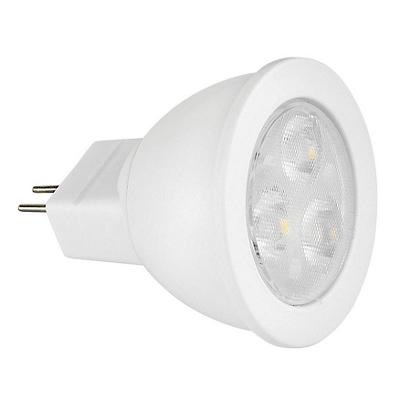


Light Bulbs Explore
Why We Love Light Bulbs
We are not just the number one stop online for modern lighting, we also offer a wide variety of light bulbs to meet any need you may have. Here you can shop for the right light bulb for your fixture by the light source or by the actual type of bulb. We offer a wide variety of light bulbs including incandescent, fluorescent and halogen, as well as the latest and greatest in LED bulbs. Light up your fixture with just the right type of bulb.
Shopping For Light Bulbs at Lumens
While a ceiling fan may require a certain type of light bulb for its integrated light kit, you will likely not want the same kind of bulb for your living room's table lamp or your island lighting in the kitchen. When shopping for light bulbs, it is important to know where the bulb will be used to find the right bulb type, the bulb's light output (usually represented in lumens), its base type and the shape of the bulb. Put simply, there is a lot that goes into finding the exact bulb you need. Thankfully, with any lighting product you choose, we'll show you the right bulb you need to pair with the lamp. And if you have any questions about how to choose the right light bulb, simply call our lighting experts at 877.445.4486.
Find Decoration In Your Choice of Bulb
While a light bulb serves the fundamental purpose of getting a light fixture lit, you'll find certain bulbs are able to stand out on their own. If you have an exposed bulb lighting fixture, you will want to see the selection of decorative light bulbs and old-fashioned Edison light bulbs to really make a statement. In this case, it's absolutely okay to show off your bulb. Translucent glass pendant lights also show off the bulb within the fixture, so you'll want to choose something you would enjoy having on display, be that a decorative bulb or any of the available Edison bulbs. And if you are searching for long-lasting bulbs you can set and forget for years to come, look to an energy efficient LED light bulb. Finally, consider a hanging light bulb fixture to achieve a minimalist look with your lighting.
Additional Light Bulb Resources
With so many different kinds of light bulbs available, choosing just the right one can be rather complicated. If you have questions about the different types of light bulbs, how to choose an energy-efficient bulb or the color temperature of a light bulb, we are here to help! We have dedicated resources to help you understand the facts behind light bulbs and to find the perfect bulb for your specific application. For almost any question you may have, we have just the right answer.
Frequently Asked Questions About Light Bulbs
What are the 4 types of light bulbs?
The four main types of light bulbs are incandescent, compact fluorescent (CFL), halogen, and light-emitting diode (LED). Each type has unique characteristics, such as energy efficiency, lifespan, and light quality, making them suitable for different applications.
Expert Tip: While incandescent bulbs are being phased out for energy efficiency reasons, they are still valued for their warm, natural light. Consider using them in decorative fixtures where ambiance is more important than energy savings.
Which is brighter, LED or incandescent?
LED light bulbs are brighter than incandescent bulbs because they emit more lumens per watt. For example, a 10-watt LED can produce the same brightness as a 60-watt incandescent bulb, making LEDs both energy-efficient and highly effective for illumination.
Expert Tip: When comparing brightness, look for the lumens rating on the packaging rather than wattage. Lumens measure light output, while watts measure energy consumption.
What is an incandescent light bulb?
An incandescent light bulb is an electric light with a filament that is heated until it glows, producing light. While they are less energy-efficient than LEDs, they are known for their warm, inviting light and are still used in certain decorative applications.
Expert Tip: Incandescent bulbs are ideal for spaces where light quality and ambiance are prioritized over energy savings, such as dining rooms or living areas.
What is the best light bulb to use?
For most general-purpose lighting, LED bulbs are the best choice due to their energy efficiency, long lifespan, and versatility. They are available in a range of color temperatures and brightness levels, making them suitable for almost any application.
Expert Tip: Choose LED bulbs with a Color Rendering Index (CRI) of 90 or higher for spaces where accurate color representation is important, such as kitchens or workspaces.
Why are incandescent light bulbs still available?
Incandescent light bulbs are still available because they are valued for their warm, natural light and affordability. However, the goal is to move towards more energy-efficient lighting options, such as LEDs, which consume less power and have a longer lifespan.
Expert Tip: If you prefer the look of incandescent lighting but want energy efficiency, consider LED bulbs with a warm color temperature (2700K-3000K) to mimic the glow of traditional incandescents.
Are incandescent light bulbs safe?
While incandescent light bulbs are generally safe, their overheating capabilities make them a potential fire hazard if used improperly. Always ensure they are used in fixtures with adequate ventilation and avoid placing them near flammable materials.
Expert Tip: To reduce the risk of overheating, opt for LED bulbs, which produce significantly less heat and are safer for prolonged use.
How can you tell if a light bulb is incandescent or LED?
You can identify an incandescent bulb by its visible filament, which glows when heated. In contrast, LED bulbs typically have a cluster of small diodes and often feature a plastic or frosted cover to diffuse the light.
Expert Tip: Check the bulb's packaging or base for labeling—LED bulbs often include terms like "energy-efficient" or "long lifespan," while incandescent bulbs may list wattage and voltage.
Who invented the lightbulb?
The lightbulb was famously invented by Thomas Edison, who developed the first commercially practical incandescent light bulb in 1879. His work revolutionized modern lighting and paved the way for future innovations.
Expert Tip: While Edison is credited with the incandescent bulb, many inventors contributed to its development. For example, Humphry Davy created the first electric arc lamp, which inspired later designs.
Light BulbsFrequently Asked Questions
What are the 4 types of light bulbs?
The four main types of light bulbs are incandescent, compact fluorescent (CFL), halogen, and light-emitting diode (LED). Each type has unique characteristics, such as energy efficiency, lifespan, and light quality, making them suitable for different applications.
Expert Tip: While incandescent bulbs are being phased out for energy efficiency reasons, they are still valued for their warm, natural light. Consider using them in decorative fixtures where ambiance is more important than energy savings.
Which is brighter, LED or incandescent?
LED light bulbs are brighter than incandescent bulbs because they emit more lumens per watt. For example, a 10-watt LED can produce the same brightness as a 60-watt incandescent bulb, making LEDs both energy-efficient and highly effective for illumination.
Expert Tip: When comparing brightness, look for the lumens rating on the packaging rather than wattage. Lumens measure light output, while watts measure energy consumption.
What is an incandescent light bulb?
An incandescent light bulb is an electric light with a filament that is heated until it glows, producing light. While they are less energy-efficient than LEDs, they are known for their warm, inviting light and are still used in certain decorative applications.
Expert Tip: Incandescent bulbs are ideal for spaces where light quality and ambiance are prioritized over energy savings, such as dining rooms or living areas.
What is the best light bulb to use?
For most general-purpose lighting, LED bulbs are the best choice due to their energy efficiency, long lifespan, and versatility. They are available in a range of color temperatures and brightness levels, making them suitable for almost any application.
Expert Tip: Choose LED bulbs with a Color Rendering Index (CRI) of 90 or higher for spaces where accurate color representation is important, such as kitchens or workspaces.
Why are incandescent light bulbs still available?
Incandescent light bulbs are still available because they are valued for their warm, natural light and affordability. However, the goal is to move towards more energy-efficient lighting options, such as LEDs, which consume less power and have a longer lifespan.
Expert Tip: If you prefer the look of incandescent lighting but want energy efficiency, consider LED bulbs with a warm color temperature (2700K-3000K) to mimic the glow of traditional incandescents.
Are incandescent light bulbs safe?
While incandescent light bulbs are generally safe, their overheating capabilities make them a potential fire hazard if used improperly. Always ensure they are used in fixtures with adequate ventilation and avoid placing them near flammable materials.
Expert Tip: To reduce the risk of overheating, opt for LED bulbs, which produce significantly less heat and are safer for prolonged use.
How can you tell if a light bulb is incandescent or LED?
You can identify an incandescent bulb by its visible filament, which glows when heated. In contrast, LED bulbs typically have a cluster of small diodes and often feature a plastic or frosted cover to diffuse the light.
Expert Tip: Check the bulb's packaging or base for labeling—LED bulbs often include terms like "energy-efficient" or "long lifespan," while incandescent bulbs may list wattage and voltage.
Who invented the lightbulb?
The lightbulb was famously invented by Thomas Edison, who developed the first commercially practical incandescent light bulb in 1879. His work revolutionized modern lighting and paved the way for future innovations.
Expert Tip: While Edison is credited with the incandescent bulb, many inventors contributed to its development. For example, Humphry Davy created the first electric arc lamp, which inspired later designs.
 Back To Top