Modern LED Lighting





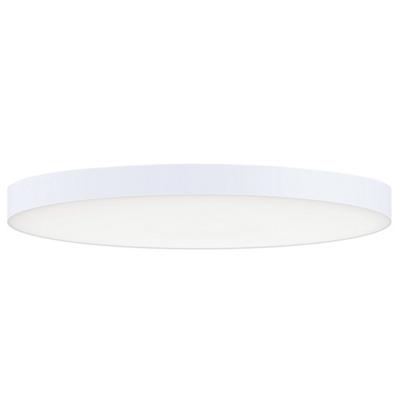
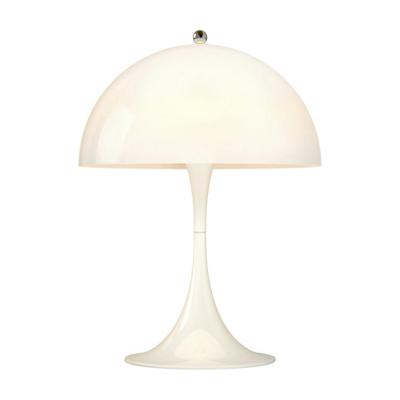
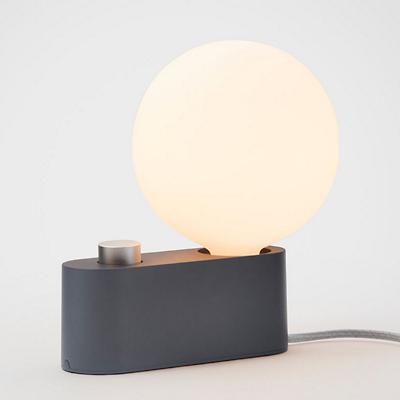

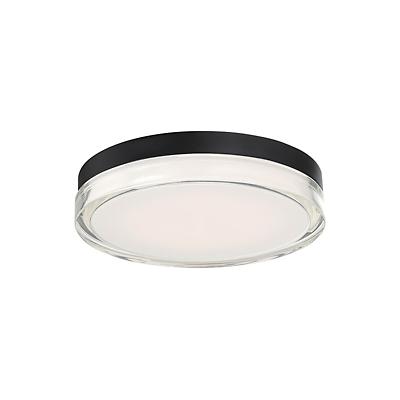








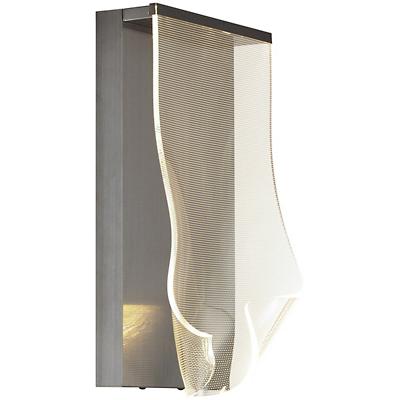

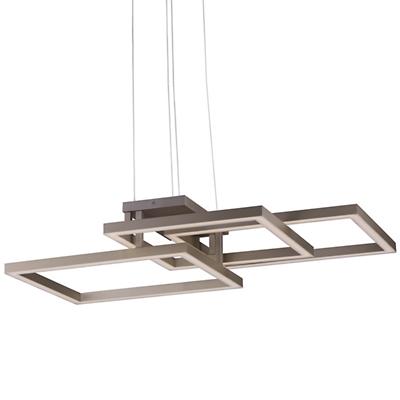

LED Lighting Explore
Why We Love LED Lighting
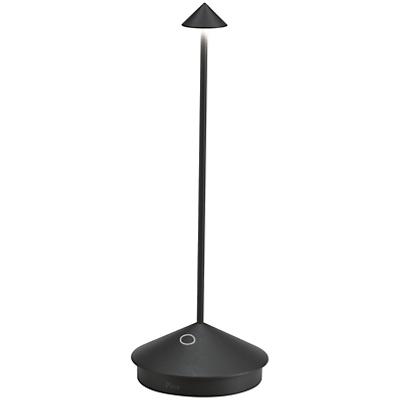
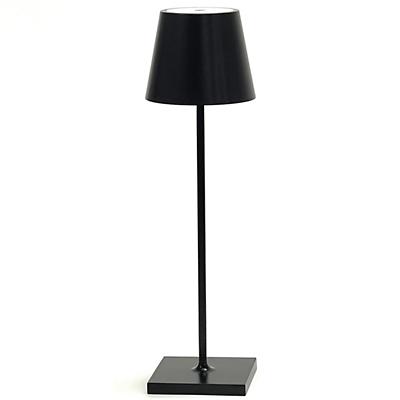
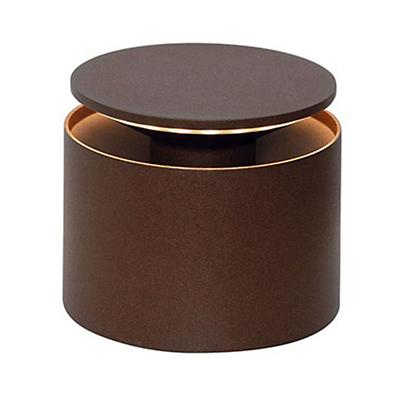
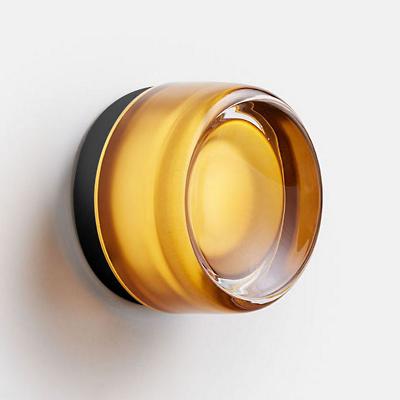
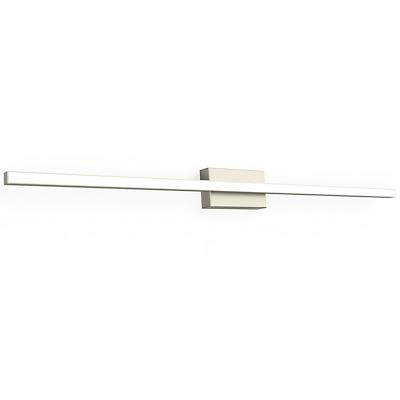
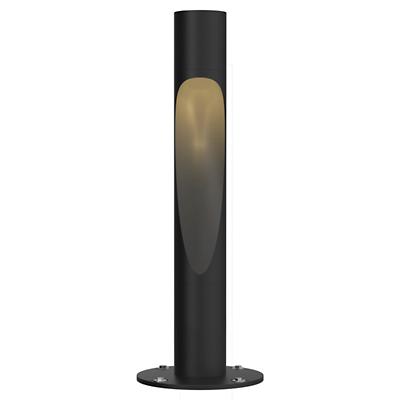
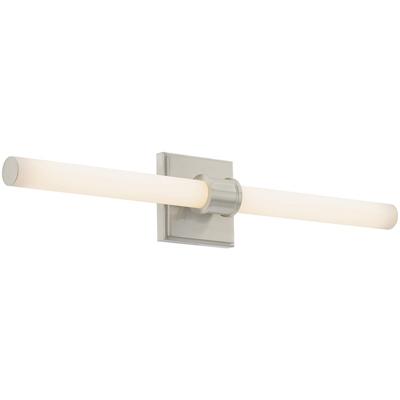
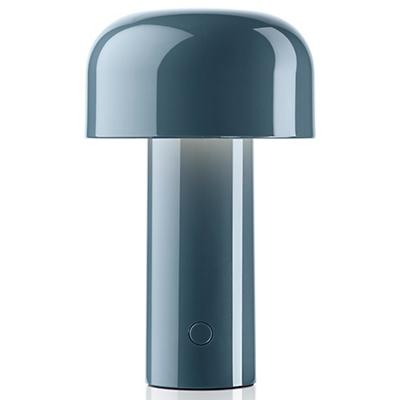
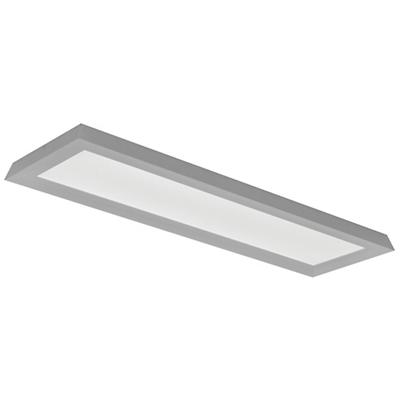
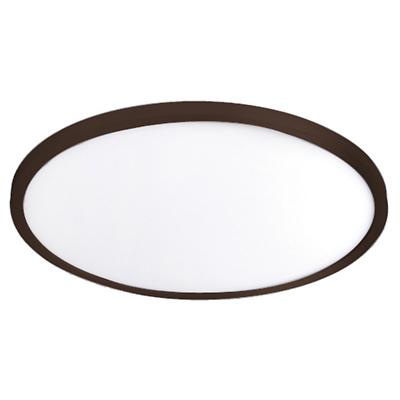
LED lighting has revolutionized the way we illuminate our spaces, offering unparalleled energy efficiency, longevity, and versatility. These lights are designed to consume significantly less power than traditional incandescent bulbs, which translates to lower energy bills and a reduced environmental footprint. LED ceiling lights also boasts a much longer lifespan, reducing the need for frequent replacements and maintenance. Moreover, the wide range of colors, intensities, and designs available with LED lighting makes it easy to customize the ambiance of any space, whether it's a cozy living room, a productive office, or an inviting outdoor area. The combination of practicality and style makes LED lighting an excellent choice for modern homes and businesses.
Where LED Lighting Works Best
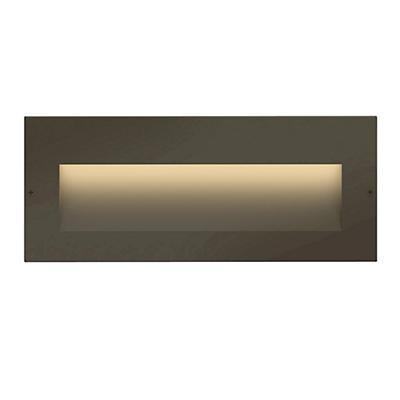
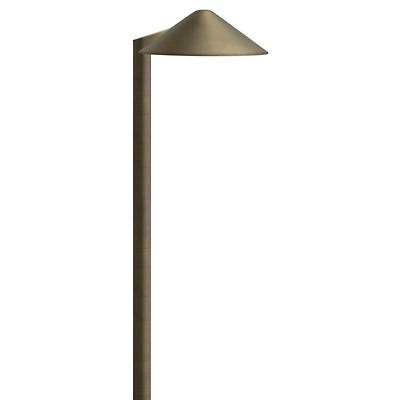
LED lighting is incredibly versatile and can be used effectively in a variety of settings. In residential spaces, LED lights are perfect for kitchens, living rooms, bedrooms, and bathrooms, providing both task and ambient lighting that can be easily adjusted to suit different activities and moods. In commercial settings, LEDs are ideal for offices, retail stores, and hospitality environments, where consistent, high-quality lighting is essential for productivity and customer satisfaction. Outdoors, LED lights enhance the safety and aesthetics of gardens, pathways, and patios, offering bright, durable illumination that withstands the elements. The adaptability of LED lighting ensures it works well in virtually any environment, delivering both functional and decorative benefits.
LED Lighting Styles
LED Recessed Lighting
LED recessed lighting is perfect for achieving a clean, modern look while providing ample illumination. These fixtures are installed flush with the ceiling, making them ideal for low-ceiling areas and creating a minimalist aesthetic. They are great for kitchens, hallways, and bathrooms, offering focused lighting that enhances the functionality and style of the space.
LED Pendant Lighting
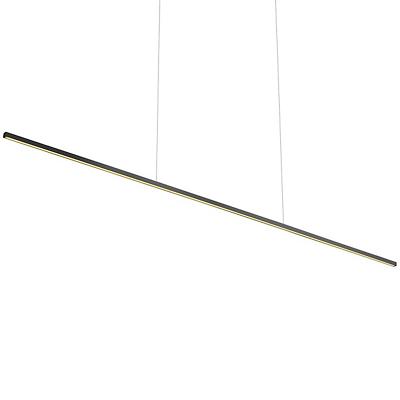
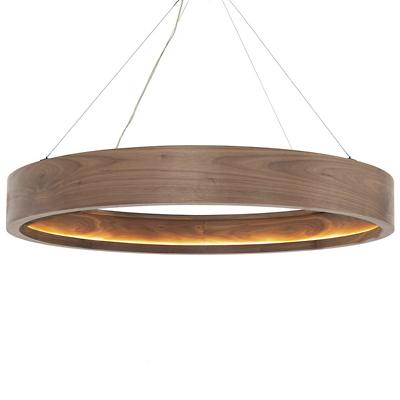
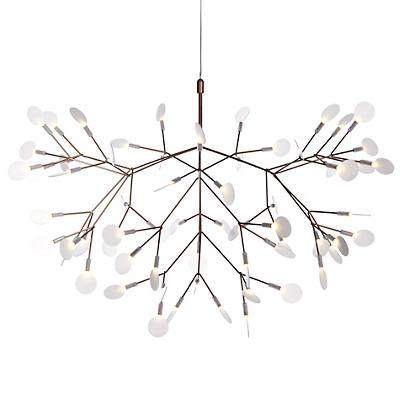
LED pendant lighting combines functionality with decorative appeal. These hanging fixtures come in a variety of designs, from sleek and modern to classic and ornate, making them suitable for kitchens, dining rooms, and entryways. LED pendants provide task lighting while also serving as eye-catching focal points in any room.
LED Track Lighting
LED track lighting offers flexibility and precision, allowing homeowners and designers to direct light exactly where it's needed. This style is perfect for highlighting artwork, architectural features, or specific areas in a room. Track lighting is commonly used in galleries, living rooms, and kitchens where adjustable lighting is beneficial.
LED Strip Lighting
LED strip lighting is a versatile and innovative option for adding accent lighting to any space. These flexible strips can be installed under cabinets, along staircases, or around architectural features to create a dramatic effect. LED strips are perfect for both functional and decorative purposes, enhancing the ambiance and practicality of various areas.
Best LED Lighting Brands
Several brands stand out in the LED lighting industry for their commitment to quality and innovation. Companies like Modern Forms, SONNEMAN Lighting, Moooi, Koncept, and Rich Brilliant Willing are known for producing high-performance LED lights that deliver exceptional brightness, efficiency, and durability. Modern Forms offers a diverse range of LED lighting solutions, including smart fixtures that integrate seamlessly with modern home automation systems. SONNEMAN Lighting is celebrated for its sleek, contemporary designs that combine form and function, creating beautiful and practical lighting solutions. Moooi brings a touch of whimsy and artistic flair to LED lighting, offering unique designs that double as statement pieces. Koncept focuses on minimalistic and highly functional lighting, perfect for workspaces and contemporary living areas. Rich Brilliant Willing is known for its innovative approach to LED lighting, producing fixtures that are both aesthetically pleasing and technologically advanced. These brands represent the best in the industry, ensuring that consumers receive top-notch lighting solutions for their homes and businesses.
LED Lighting FAQs
What Does LED Lighting Do?
LED (Light Emitting Diode) lighting provides energy-efficient illumination by converting electricity into light with minimal heat production. Unlike traditional bulbs, LEDs offer a longer lifespan, consume less power, and are available in various color temperatures to suit different settings.
Expert Tip: Use smart LED bulbs with adjustable color temperatures to mimic natural daylight patterns. This supports your circadian rhythm, helping you stay energized during the day and relaxed at night.
What Are the Benefits of LED Lights?
LED lights are highly energy-efficient, using significantly less electricity than incandescent or fluorescent bulbs. They last much longer, often up to 50,000 hours, and generate less heat, making them safer and more sustainable. Additionally, LEDs offer a range of brightness levels and color temperatures, providing flexibility for various applications.
Expert Tip: For outdoor LED lighting, choose fixtures with an IP65 or higher rating to ensure they’re weatherproof and durable. Pair them with motion sensors or dusk-to-dawn sensors to save energy.
Should I Put My LED Lights on the Floor or Ceiling?
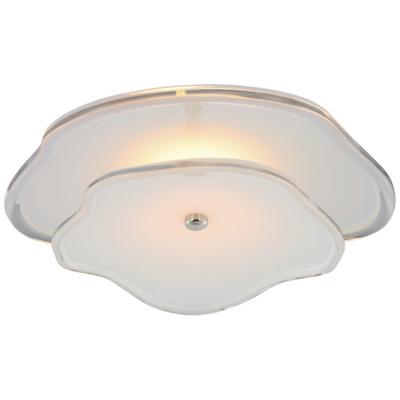
LED lighting can be installed on both the floor and ceiling, depending on the desired effect. Ceiling-mounted LED lights, such as recessed fixtures and flush mounts, provide general ambient lighting, while floor-installed LED strips or uplights can create accent lighting and enhance the room's ambiance.
Expert Tip: For accent lighting, install LED strips along the baseboards or under furniture to create a soft, indirect glow. For task lighting, use ceiling-mounted LEDs to provide focused, shadow-free illumination.
How Long Do LED Light Fixtures Last?
LED light fixtures typically last between 25,000 and 50,000 hours, depending on usage and quality. This lifespan far exceeds traditional incandescent or fluorescent bulbs, reducing the need for frequent replacements and maintenance.
Expert Tip: To maximize the lifespan of your LED fixtures, ensure they’re installed in well-ventilated areas and avoid using them in enclosed fixtures not rated for LEDs.
Do LED Recessed Lights Use a Lot of Electricity?
No, LED recessed lights are designed to be highly energy-efficient. They use up to 75% less energy than traditional incandescent bulbs while providing the same or even better brightness. Their efficiency makes them an excellent choice for both residential and commercial spaces.
Expert Tip: Use dimmable LED recessed lights to adjust brightness levels based on the time of day or activity. This not only saves energy but also extends the lifespan of the bulbs.
What Are the Disadvantages of LED Light Bulbs?
While LED bulbs are highly efficient and long-lasting, they do have some drawbacks. They can be more expensive upfront compared to traditional bulbs, and some lower-quality LEDs may produce inconsistent color temperatures or flickering. Additionally, LEDs require proper heat dissipation, as excessive heat can shorten their lifespan.
Expert Tip: To avoid flickering or inconsistent color temperatures, invest in high-quality LED bulbs from reputable brands. Look for bulbs with a high CRI (Color Rendering Index) for accurate color representation.
What Are the Best Brands for LED Light Bulbs?
Several brands are known for producing high-quality LED light bulbs, including Philips, GE, Cree, Feit Electric, and LIFX. These brands offer reliable performance, excellent brightness, and energy efficiency, making them popular choices for LED lighting solutions.
Expert Tip: When choosing LED bulbs, prioritize those with Energy Star certification for guaranteed energy efficiency and performance. Brands like Philips Hue or LIFX also offer smart features for added convenience.
LED LightingFrequently Asked Questions
What Does LED Lighting Do?
LED (Light Emitting Diode) lighting provides energy-efficient illumination by converting electricity into light with minimal heat production. Unlike traditional bulbs, LEDs offer a longer lifespan, consume less power, and are available in various color temperatures to suit different settings.
Expert Tip: Use smart LED bulbs with adjustable color temperatures to mimic natural daylight patterns. This supports your circadian rhythm, helping you stay energized during the day and relaxed at night.
What Are the Benefits of LED Lights?
LED lights are highly energy-efficient, using significantly less electricity than incandescent or fluorescent bulbs. They last much longer, often up to 50,000 hours, and generate less heat, making them safer and more sustainable. Additionally, LEDs offer a range of brightness levels and color temperatures, providing flexibility for various applications.
Expert Tip: For outdoor LED lighting, choose fixtures with an IP65 or higher rating to ensure they’re weatherproof and durable. Pair them with motion sensors or dusk-to-dawn sensors to save energy.
Should I Put My LED Lights on the Floor or Ceiling?
LED lighting can be installed on both the floor and ceiling, depending on the desired effect. Ceiling-mounted LED lights, such as recessed fixtures and flush mounts, provide general ambient lighting, while floor-installed LED strips or uplights can create accent lighting and enhance the room's ambiance.
Expert Tip: For accent lighting, install LED strips along the baseboards or under furniture to create a soft, indirect glow. For task lighting, use ceiling-mounted LEDs to provide focused, shadow-free illumination.
How Long Do LED Light Fixtures Last?
LED light fixtures typically last between 25,000 and 50,000 hours, depending on usage and quality. This lifespan far exceeds traditional incandescent or fluorescent bulbs, reducing the need for frequent replacements and maintenance.
Expert Tip: To maximize the lifespan of your LED fixtures, ensure they’re installed in well-ventilated areas and avoid using them in enclosed fixtures not rated for LEDs.
Do LED Recessed Lights Use a Lot of Electricity?
No, LED recessed lights are designed to be highly energy-efficient. They use up to 75% less energy than traditional incandescent bulbs while providing the same or even better brightness. Their efficiency makes them an excellent choice for both residential and commercial spaces.
Expert Tip: Use dimmable LED recessed lights to adjust brightness levels based on the time of day or activity. This not only saves energy but also extends the lifespan of the bulbs.
What Are the Disadvantages of LED Light Bulbs?
While LED bulbs are highly efficient and long-lasting, they do have some drawbacks. They can be more expensive upfront compared to traditional bulbs, and some lower-quality LEDs may produce inconsistent color temperatures or flickering. Additionally, LEDs require proper heat dissipation, as excessive heat can shorten their lifespan.
Expert Tip: To avoid flickering or inconsistent color temperatures, invest in high-quality LED bulbs from reputable brands. Look for bulbs with a high CRI (Color Rendering Index) for accurate color representation.
What Are the Best Brands for LED Light Bulbs?
Several brands are known for producing high-quality LED light bulbs, including Philips, GE, Cree, Feit Electric, and LIFX. These brands offer reliable performance, excellent brightness, and energy efficiency, making them popular choices for LED lighting solutions.
Expert Tip: When choosing LED bulbs, prioritize those with Energy Star certification for guaranteed energy efficiency and performance. Brands like Philips Hue or LIFX also offer smart features for added convenience.
