Brown Modern Office Chairs + Desk Chairs


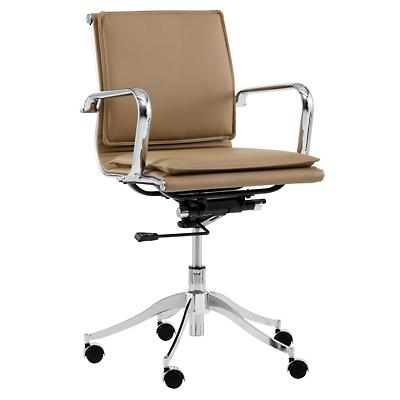


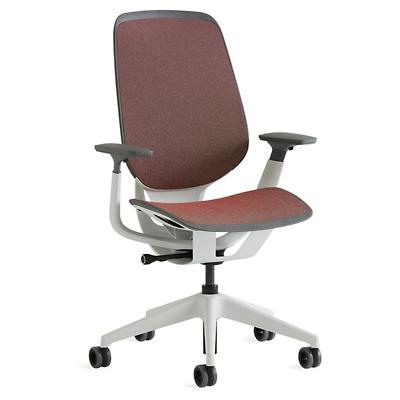

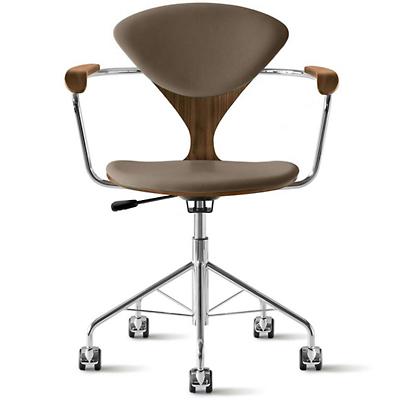
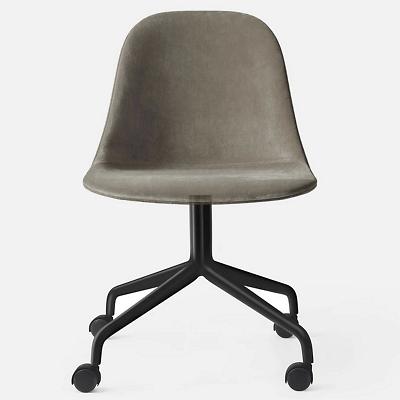


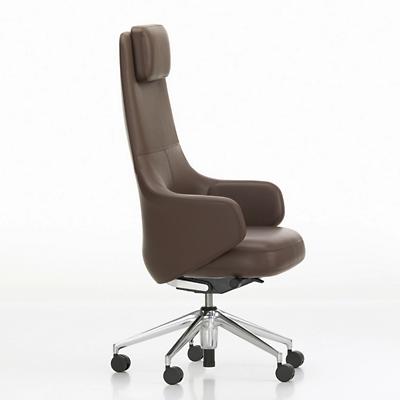


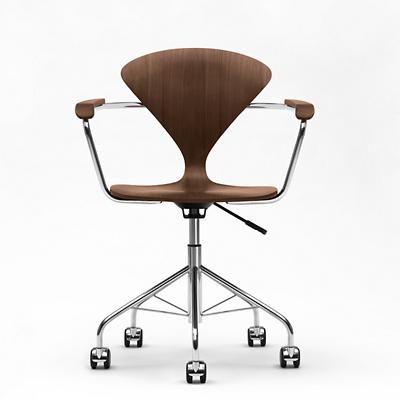

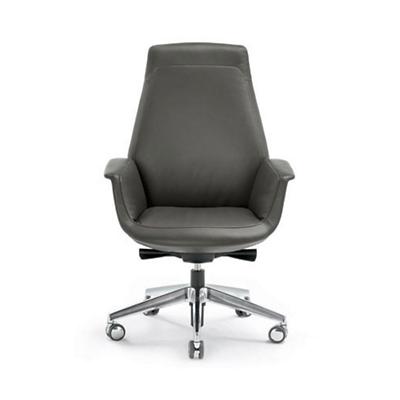


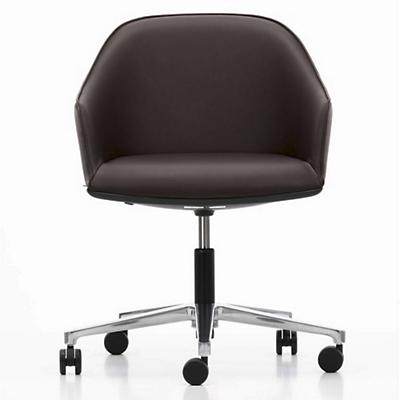
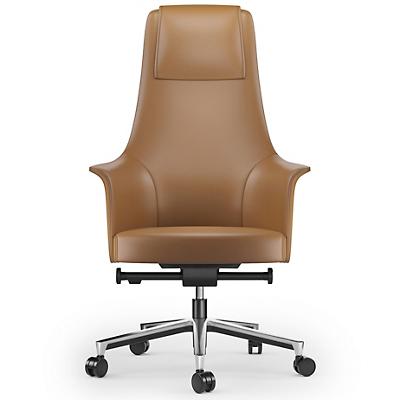

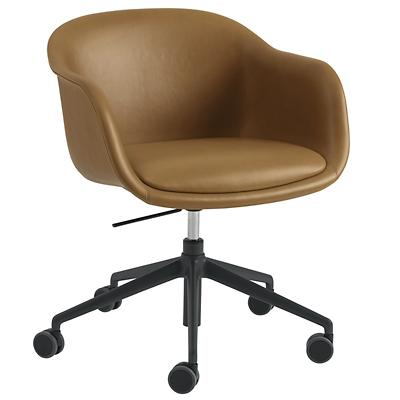
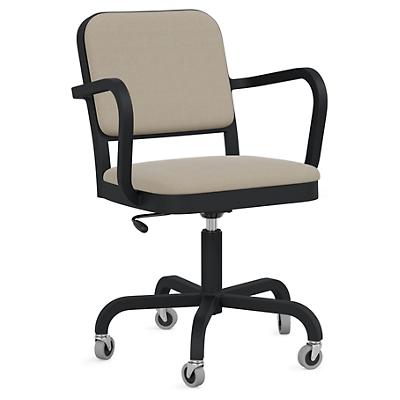
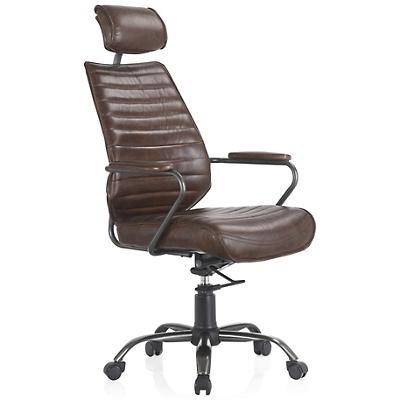


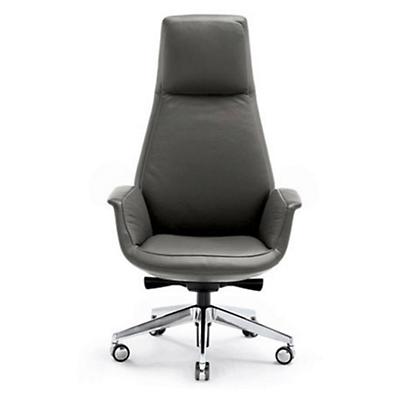

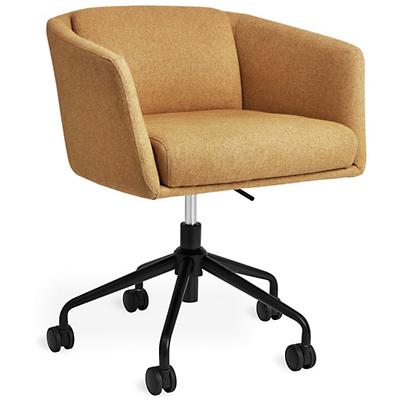

Office Chairs Explore
Why We Love Desk Chairs + Office Chairs
For most desk jockeys, the ubiquitous desk chair gets a whole lot of use over the course of a year. Investing in a high-quality modern desk chair is essential for preventing fatigue and back strain and for ensuring the highest level of comfort while you're hard at work. These task chairs aim to simply to do just that - keep you on task. And whether it is in the home office or the office away from the home, these chairs successfully keep you comfortable and highly productive.
Where Desk Chairs Work Best
A chair is a common fixture of any well-designed office space. But a task chair shouldn't simply be for functional use in the office. Just the right chair lends itself to ergonomic perfection that in turn helps you stay productive and happy with whatever you happen to be working on. The chair you select also represents your decorative aesthetic, proving that a common piece of office furniture can be functional and fashionable at the same time. From executive chairs that really put on display who the boss is to sleek, modern options and iconic chairs with rich design history, there is a chair in this assortment guaranteed to go to work for you.
A Desk Chair For Every Style
Both beautiful to look at and comfortable to sit in for hours on end, this collection of desk chairs ranges from mid-century modern office chairs to ultra-modern office chairs, we carry an array of styles that complement any office decor. For an executive chair you can't help but want for your office, look to the chairs from Vitra. These chairs are highly versatile and are offered in low-back and high-back variations along with plush seating to ensure your comfort. Armless office chairs from Calligaris are compact in their form and work well in a minimalist office area. Showing off fine Italian furniture craftsmanship is a welcomed characteristic too. Find a true classic in any of the office and desk chairs from Herman Miller. Finally, as a computer chair or a really good-looking side chair for the home office, check out the assortment from Kartell. A well-designed desk chair can work wonders in transforming a common workspace to an area where you enjoy spending time.
Choosing The Best Desk Chair
One of the most important considerations when choosing a desk chair is adjustability. The ability to adjust seat and arm height, lumbar support, the angle of the seat and back and tension control is essential for all-day comfort. Another very important consideration is, of course, the way the chair looks. Modern office furniture doesn't have to be purely functional. It can be stunningly beautiful, too. You'll also need to decide on the most appropriate size for your office area, paying close attention to the chair's height and width to best accommodate your desk. The composition of the chairs' seats should not go overlooked, as this directly contributes to its comfort and your ability to sit in it over long periods of time. Finally, refine your selection by the colors and finishes that blend into your existing office decor. Or, go for a colorful chair to add a pop of noticeable radiance you'll enjoy each time you work. If you have any questions about the desk and task chairs featured here, please call our furniture experts at 877.445.4486.
Other Considerations
Lighting is almost as important as the desk chair when it comes to a productive and healthy work environment. Dispense with the glaring overhead fluorescent lighting and choose from a wide variety of low-glare, high-design lighting options to illuminate your workspace. Office lighting can be comprised of portable desk and task lamps, ambient floor lighting or overhead fixtures like recessed lights and linear pendants. And before you can choose the best desk chair for your home office, you may need a desk to sit at. The selection of modern desks includes a variety of shapes and sizes to best suit your work situation.
Office ChairsFrequently Asked Questions
What is the best chair for sitting long hours?
The best chair for extended sitting is typically an ergonomic office chair designed to provide excellent lumbar support, adjustable height, and proper cushioning. Chairs from brands like Herman Miller or Steelcase are often top choices due to their superior ergonomic design, adjustable armrests, and breathable materials.
Expert Tip: For all-day comfort, prioritize adjustable lumbar support and breathable mesh or high-density foam to prevent overheating. Look for chairs with synchro-tilt mechanisms, allowing the seat and back to move naturally with your posture shifts.
What type of office chair is best for sitting all day?
An ergonomic office chair is ideal for all-day sitting because it adapts to your body's shape, provides lumbar and neck support, and encourages proper posture. Look for features such as adjustable height, depth, tilt, and a comfortable, supportive seat cushion.
Expert Tip: A fully adjustable ergonomic chair is non-negotiable for all-day work. Key features:
• Seat depth adjustment (prevents leg strain)
• 4D armrests (supports wrists while typing)
• Weight-sensitive recline (auto-adjusts to your movement)
What chairs do chiropractors recommend?
Chiropractors frequently recommend ergonomic office chairs with adjustable lumbar support, seat depth, and height. Chairs like the Herman Miller Aeron or Steelcase Leap are favored by professionals for their ability to promote healthy spinal alignment and reduce back strain.
Expert Tip: Chiropractors favor chairs with dynamic support—meaning they adapt as you move. Look for:
• Pelvic support (to maintain spine alignment)
• Waterfall seat edges (reduces pressure on thighs)
• Forward tilt function (helps if you lean toward your desk)
Are swivel chairs good for you?
Swivel chairs can improve your ergonomic comfort by allowing easy and fluid movements without excessive twisting or reaching, thus reducing strain on your back and hips. However, ensure the swivel chair also offers adequate lumbar and seat support for optimal benefits.
Expert Tip: Swivel chairs reduce strain by letting you pivot instead of twist your torso. For optimal health, pair with a smooth-rolling base (hardwood floors need soft-wheel casters) and adjustable tension control to prevent unwanted spinning.
What are the advantages of leather office chairs?
Leather office chairs provide a professional, sophisticated appearance and are highly durable, easy to clean, and comfortable. Quality leather chairs also offer excellent longevity and typically improve aesthetically as they age.
Expert Tip: Full-grain leather chairs age beautifully, developing a rich patina. They're also hypoallergenic (unlike fabric, which traps dust). For hot climates, opt for perforated leather or a chair with built-in ventilation.
What office chair size should you get for your height?
Choose an office chair that allows your feet to rest flat on the floor with knees at a 90-degree angle. Standard chairs fit individuals from about 5'2" to 6'2", but petite or tall users may require chairs specifically designed for their height range.
Expert Tip:
• Under 5'4": Look for shorter seat depth (≤16") and adjustable footrests
• 5'4"–6'2": Standard chairs work, but verify armrest height
• Over 6'2": Seek tall-back models (≥20" lumbar support)
What should I look for in an office chair for lumbar support?
Look for chairs with adjustable lumbar support that contours to your lower back. This feature ensures sustained comfort by reducing stress on your spine, helping maintain the natural curve of your lower back and preventing slouching.
Expert Tip: The best lumbar support moves with you. Avoid static pads—opt for auto-adjusting or dynamic lumbar that responds to posture changes. Test by sitting back: Support should fill the curve of your spine without pushing.
Which office chair material is best?
Mesh, fabric, and leather are popular office chair materials. Mesh is breathable and comfortable, fabric provides warmth and softness, and leather offers durability, ease of maintenance, and a premium look. Your choice depends on personal comfort and aesthetic preferences.
Expert Tip:
• Mesh: Best for airflow (ideal if you run warm)
• Fabric: Softest feel (choose stain-resistant if you snack at your desk)
• Leather: Most durable (full-grain > bonded)
What size office chair should I get?
Choose an office chair that comfortably accommodates your body size and workspace. Standard office chairs have seat widths of approximately 17-20 inches and seat depths of 16-18 inches. Verify that the chair comfortably supports your thighs, hips, and back without causing discomfort or restricting circulation.
Do you need a headrest on an office chair?
A headrest is beneficial for supporting the head and neck, especially during prolonged sitting. It reduces neck strain and encourages good posture. However, it's most useful for taller users or those who spend long periods seated, leaning back frequently.
Expert Tip: Only if you recline often (for calls or reading). Otherwise, it can force your neck forward. If you want one, ensure it's height and angle adjustable—fixed headrests rarely align correctly.
Is it better to have an office chair with or without armrests?
Armrests are generally recommended as they reduce strain on shoulders and arms by supporting your forearms, especially during extended periods of typing. Opt for adjustable armrests that allow customization for maximum comfort.
Expert Tip: With armrests, but they must adjust low enough to slide under your desk. Poorly positioned armrests cause shoulder hunching. Look for padded, width-adjustable versions if you type frequently.
What is the ergonomics of a chair?
Ergonomics refers to designing chairs to support natural posture and body movements, reducing stress and discomfort. Ergonomic office chairs feature adjustable height, seat depth, lumbar support, and proper cushioning to maintain spinal alignment and overall health during extended use.
Expert Tip: True ergonomics = personalized fit. After adjusting:
• Feet flat, knees at 90°
• Elbows level with desk (armrests supporting forearms)
• Screen at eye level (prevents neck craning)
How do I fix the posture on my office chair?
Adjust the chair height so your feet rest flat, knees at 90 degrees. Ensure lumbar support fits comfortably against your lower back, and adjust armrests to support your arms comfortably. Take regular breaks to stretch, repositioning periodically to maintain healthy posture.
Expert Tip: The 20-20-20 rule: Every 20 minutes, shift your posture, stand for 20 seconds, and look 20 feet away. Set reminders until it becomes habit.
What is the most comfortable leather office chair?
The most comfortable leather office chairs often include features like plush padding, ergonomic lumbar support, adjustable height and tilt, and durable premium leather. Chairs from brands like Herman Miller, Steelcase, and Humanscale are popular choices for comfort and ergonomic excellence.
Expert Tip: Comfort = support + adaptability. Top picks combine thick, tempered foam (never flattens) with adjustable tilt tension. For luxury, hand-stitched leather molds to your body over time.
What is the best leather office chair for women?
The best leather office chair for women is one designed with ergonomic adjustments that cater to smaller frames, offering customizable seat depth, height, lumbar support, and adjustable armrests. Slim-profile models or chairs specifically labeled "petite" often provide superior comfort and support.
Expert Tip: The ideal leather office chair for women combines tailored proportions with premium comfort. Look for models with a narrower seat width (17–19 inches) to ensure proper thigh support without feeling oversized, along with higher-positioned lumbar adjustments to align with the natural curve of the spine. Softer, high-resilience foam padding helps distribute weight evenly, reducing pressure on the tailbone during long sitting sessions. For a personalized fit, prioritize chairs with adjustable seat depth and armrests that can be dialed in for smaller frames.