Green Artisanal Modern Counter & Bar Stools
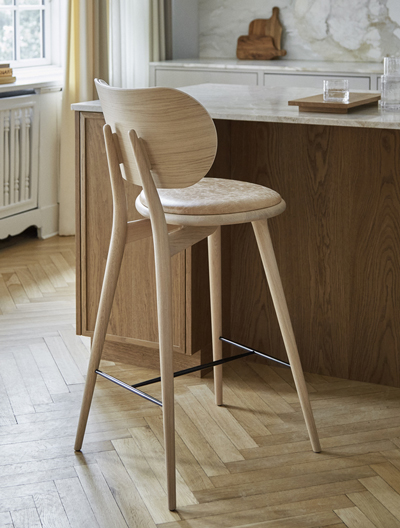
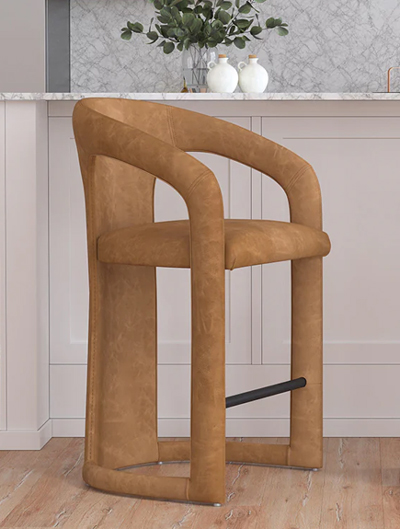
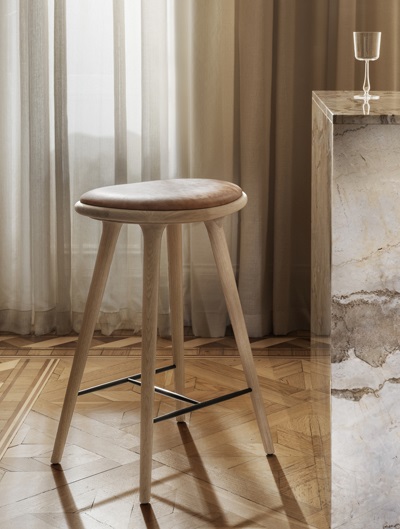
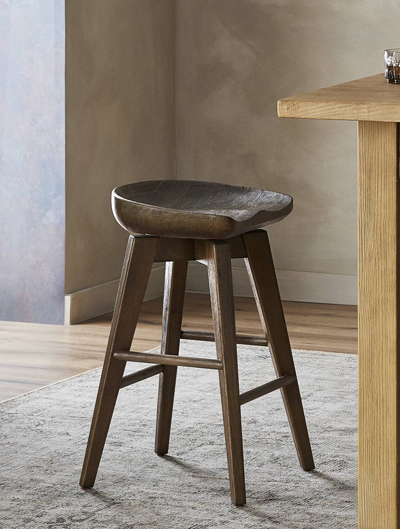
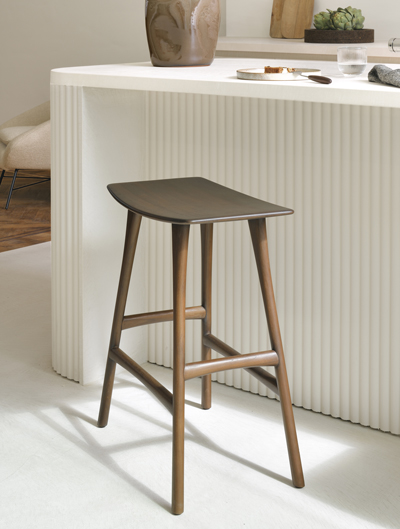
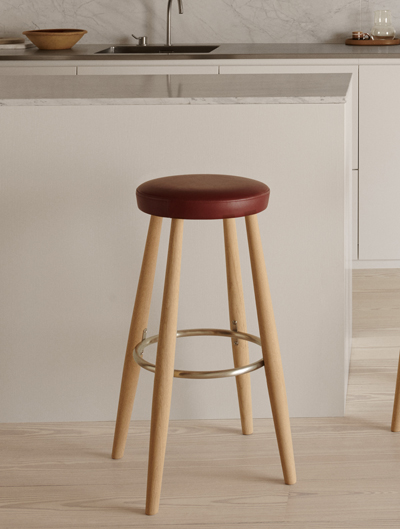


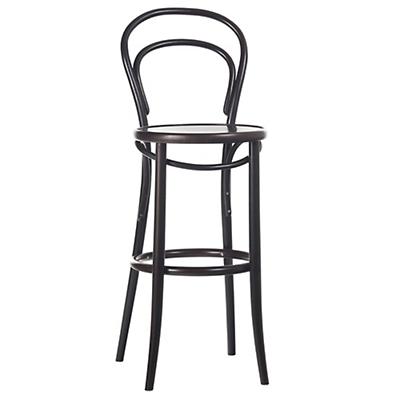
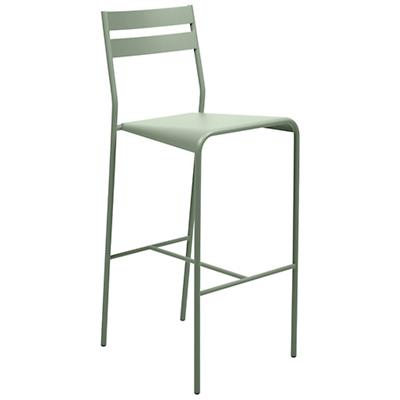


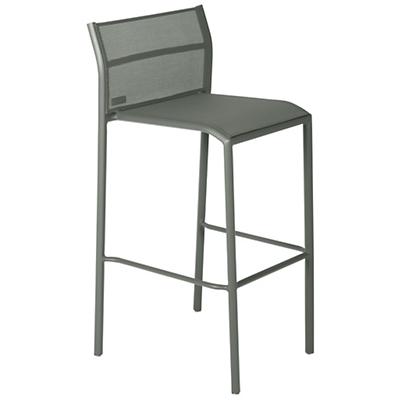
Dining Room Counter and Bar Stools Explore
Why We Love Dining Room Counter & Bar Stools
Counter stools and bar stools are a go-to choice when a conventional table is not present in the dining room. In compact dining spaces and those with a tall tables, you'll love the extra height a stool provides. And while sitting up a bit higher is appreciated, you'll also enjoy the added decorative impact a bar or counter stool introduces to the room. Whether your dining area follows a traditional design or is filled with ultra-modern decor, there is a stool here to fit your style.
Slightly taller than a familiar pair of armchairs or side chairs meant for the dining room, these well-designed stools are welcomed and appreciated at bar-height tables. Often found at home at the kitchen counter or island, adding a pair of counter-height stools to the dining room offers an unusual decorating element that you and your guests will be sure to notice. From colorful seating options to those inspired by classic Scandinavian aesthetics, you'll enjoy browsing through this collection of stools to find just the right style for your eating area.
A Dining Room Stool for Every Style
Dining rooms transform into elegant, restaurant-like cafe areas with the help of tall tables and equally tall stools. Kartell is a welcomed name for any well-made furniture and it rings especially true with the collection of dining stools from key designer Phillippe Starck. Continuing with an Italian trend is the assortment of stools from Calligaris. Calligaris also offers modern tables, making it easy for you to cohesively layout your dining room with similar finishes and colors from one product family. Clean lines and contemporary good looks come together in the offering of counter and bar stools from Blu Dot, with many choices offering convenient adjustability to work with any table's height. And Gus Modern is a favorite for mid-century modern furniture designs with stools inspired by the style of seating found in the 1950s. Finally, for a solid wood stool to accompany a wood dining table, look to Copeland Furniture. Copeland sources its lumber from the forests of Vermont to deliver handcrafted chairs and stools you can't help but adore.
Choosing the Best Dining Room Stools
As with any choice of modern furniture you introduce into your home, you'll want to pay the most attention to the size of the stools. While many designs offer adjustable height, you will want to take note a stool's height to try to make the best choice for your dining table. You can also pull out the measuring tape to approximate the best seating height for your table, remembering that a chair's height is determined by its seating height, not its overall height. Refer to our guide to mix and matching your dining seating to learn more about how to properly measure a counter or bar stool. With a size in mind, you can then refine your stool options by the colors, finishes and materials that are most representative of your dining area. If you have any questions about the dining counter and bar stools featured here, please call our furniture experts at 877.445.4486.
Other Considerations
Your choice of seating for the dining room is just one small component of the room's overall decor. You may also want to fill the room with decorative lighting from a chandelier or pair of sconces mounted to the wall. If you haven't done so already, pick out a dining table to be the centerpiece of the area and consider additional pieces of furniture like accent tables, console tables and benches to really round out the look. With the right furniture, lighting and seating in place, you'll be well-prepared for your next dinner party.
Dining Room Counter and Bar StoolsFrequently Asked Questions
Is it healthy to sit on a bar stool?
Yes, sitting on a bar stool can be beneficial for posture when designed correctly. Bar stools encourage an upright position, which can reduce slouching and improve spinal alignment, especially in short-term seating scenarios like kitchen counters or bars.
Expert Tip: The ideal bar stool promotes proper posture by positioning knees 2-3 inches below hip level. Look for models with waterfall seat edges that reduce pressure on the backs of thighs by 27% compared to flat-edged seats, preventing circulation issues during prolonged sitting.
What is the difference between a Barstool and a stool?
The primary difference lies in height and use. A barstool is generally taller and designed for use at high surfaces like bar counters or pub tables, while a stool is lower and may be used for seating at standard tables or for casual, multi-use spaces.
Expert Tip: True barstools feature a footrest positioned 7-9 inches below the seat - this critical dimension supports proper ergonomics that standard stools lack. Commercial-grade barstools also have a 15° backward lean in their backrests to accommodate natural spinal curvature.
What is the best stool height for counter?
For counter-height seating, the ideal stool height is typically 24 to 26 inches from floor to seat. This allows for a comfortable 9 to 12 inches of space between the seat and the underside of a 36-inch high counter.
Expert Tip: For optimal comfort, the seat-to-counter clearance should equal the distance from your elbow to wrist (typically 10-12 inches for average adults). This allows proper arm positioning while eating or working without shoulder hunching.
How far should counter stools stick out?
Counter stools should allow for 9 to 12 inches of legroom between the underside of the counter and the seat. When not in use, consider how far the stool projects into the space to maintain easy movement through the kitchen or bar area.
Expert Tip: Allow 24-26 inches of clearance between stool centers for comfortable seating. In high-traffic areas, choose stools with a depth no greater than 16 inches to maintain 36-inch walkways - the minimum required for ADA compliance in commercial spaces.
Are swivel bar stools a good idea?
Swivel bar stools are especially useful in high-traffic or compact spaces. They allow for easy movement without needing to push the stool back, and backless swivel stools can be neatly tucked under the counter to save space when not in use.
Expert Tip: High-quality swivel mechanisms use sealed ball bearings rather than plastic bushings - these withstand 50,000+ rotations versus 5,000 in cheap models. Look for stools with a 360° lock feature for stability when stationary.
What is normal bar stool seat height?
Bar stools typically have a seat height between 28 to 30 inches, suitable for bar-height counters that measure around 40 to 42 inches tall. For lower surfaces, consider counter stools that are 24 to 26 inches in height.
Expert Tip: The 28-30 inch standard assumes a 29-inch popliteal height (under-knee measurement). For taller users, seek stools with 12-inch footrest adjustability - this maintains proper leg positioning regardless of seat height.
Which bar stool is best?
The best bar stools offer a balance of comfort, durability, and style. Look for stools with ergonomic seats, sturdy materials like metal or solid wood, and features such as backrests, footrests, or swivel functionality depending on your space and preferences.
Expert Tip: Commercial-grade stools with 5-point bases distribute weight 40% more evenly than 4-leg designs, reducing floor indentations. Look for models with a minimum 1.5mm thick steel frame and mortise-and-tenon joinery in wood components.
What material is best for a bar stool?
Bar stools come in a variety of materials including wood, metal, acrylic, and upholstered options. Metal and wood are the most durable, while upholstered seats offer added comfort. Consider easy-to-clean finishes for kitchen or bar use.
Expert Tip: For heavy use, choose stools with 18-gauge steel frames and high-density polyurethane foam seats (minimum 1.8 lb/ft³ density). These outlast standard foam by 8-10 years without sagging.
How do you know what size bar stool you need?
Measure the height from the floor to the underside of your counter or bar. Subtract 9 to 12 inches from that measurement to determine the ideal stool seat height. Standard counters pair with counter stools, while higher bars require taller bar stools.
Expert Tip: Beyond height, consider seat depth - 16-18 inches accommodates most adults comfortably. For backless stools, ensure the seat is at least 16" wide to prevent instability when leaning.
Do acrylic bar stools scratch easily?
Acrylic stools are stylish and modern but may be more prone to scratches than wood or metal options. Choose thicker, high-quality acrylic and avoid abrasive cleaning tools to maintain their clear, polished look.
Expert Tip: Cast acrylic (not extruded) resists scratches 5x better and can be polished with automotive-grade rubbing compounds. Opt for at least 1/2" thickness - thinner sheets warp under weight over time.
What colors do bar stools come in?
Bar stools are available in a wide range of colors, including classic Black, White, Gray, and Natural Wood, as well as bold tones like Red, Navy, and Green. Neutral shades are versatile, while vibrant hues can add a playful touch to your décor.
Expert Tip: For high-use areas, choose powder-coated finishes over paint - they withstand 1,000+ hours in salt spray testing versus 250 hours for standard finishes. Matte finishes hide scratches better than glossy.
How much weight can a bar stool hold?
Most standard bar stools can support 250 to 300 pounds. Heavy-duty or commercial-grade models may hold more. Always check manufacturer specifications for weight capacity before purchase.
Expert Tip: True commercial capacity requires testing to ASTM F1858 standards - look for stools certified to 500 lbs dynamic weight (simulating sitting/leaning) rather than just static load ratings.
What are the different types of bar stools?
Bar stools come in several types including backless, with backrests, swivel stools, adjustable-height stools, and those with armrests. Choose a type that suits your seating needs and comfort level.
Expert Tip: Backless counter stools should have a slight concave seat (1/2-1" dip) to prevent sliding - this subtle feature increases stability by 35% compared to flat seats.
What is a high bar stool?
A high bar stool, also known as a pub-height stool, has a seat height of around 30 inches or more, designed for use at counters or tables 40 to 42 inches tall.
Expert Tip: True bar-height stools have a 10-12" footrest - this critical dimension prevents leg dangling that can cause circulation issues during prolonged sitting.
What makes a bar stool comfortable?
Comfortable bar stools typically feature contoured or padded seats, supportive backrests, integrated footrests, and ergonomic height proportions.
Expert Tip: The most comfortable stools have seats angled 5° backward - this slight tilt reduces lumbar pressure by 22% compared to flat seats while maintaining proper posture.
What is bar height stool?
A bar height stool generally has a seat height between 28 to 30 inches and is used with bar-height counters or pub tables around 40 to 42 inches tall.
Expert Tip: For standing-height bars (42-45"), look for stools with 30-32" seats and adjustable footrests - this accommodates both seated use and perching positions comfortably.
What can you use a bar stool for?
Bar stools can be used for kitchen islands, home bars, outdoor counters, workbenches, or as casual seating in dining and entertainment areas.
Expert Tip: In commercial settings, choose stools with a 5-star base and non-marking rubber feet - these prevent 92% of floor scratches compared to plastic glides.
What are the best bar stools?
The best bar stools combine durability, comfort, and design. Popular picks include swivel bar stools with ergonomic support, adjustable models for flexibility, and counter bar stools in modern finishes to match contemporary interiors.
Expert Tip: The longest-lasting stools feature through-bolted construction (not just screws) and 14-gauge steel legs - these withstand 10+ years of daily use in restaurants versus 2-3 years for residential-grade models.
 Back To Top