Coastal & Nautical Modern Chandeliers





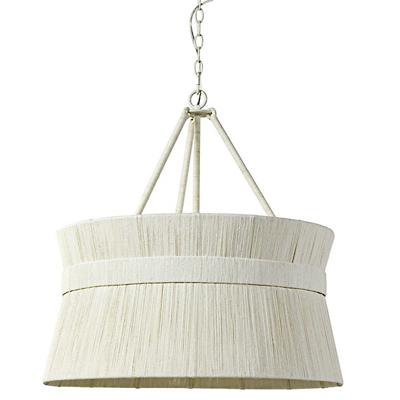
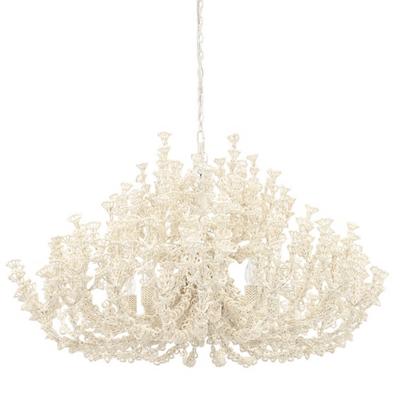
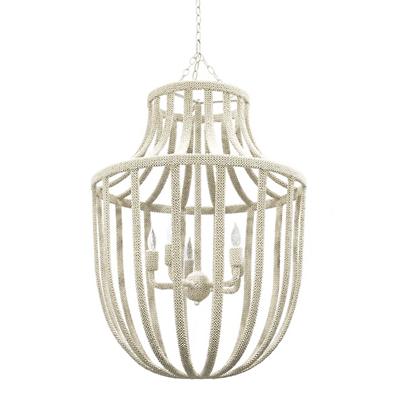
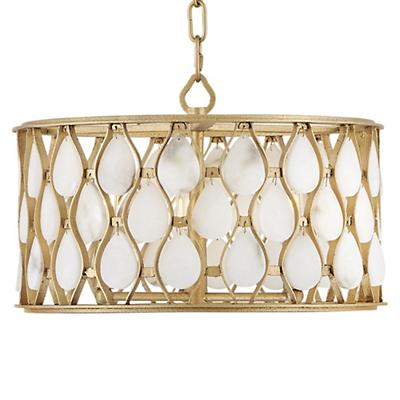



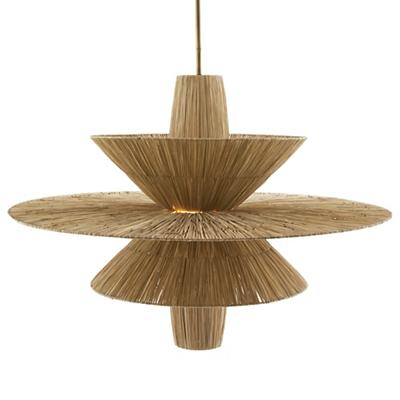


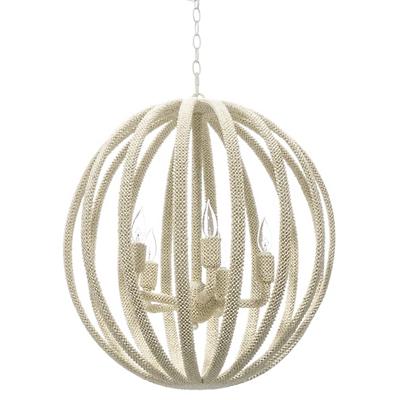
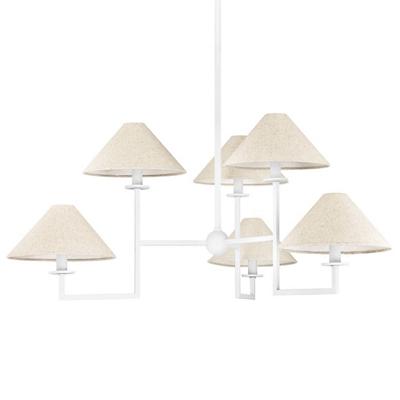
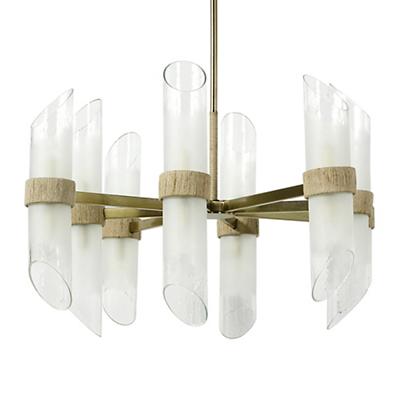

Chandeliers Explore
Coastal & Nautical Chandeliers
Transform your home with the serene beauty of coastal and nautical chandeliers that capture the essence of oceanfront living. Whether you're drawn to the relaxed sophistication of natural rattan and weathered finishes or the refined maritime charm of polished metals and rope accents, this curated collection offers statement lighting that elevates dining rooms, entryways, and open-concept spaces. From modern beaded designs to traditional lantern silhouettes, these fixtures blend artisanal craftsmanship with functional illumination—creating focal points that evoke the tranquility of coastal retreats while delivering the quality and design innovation Lumens is known for.
Understanding Coastal & Nautical Chandelier Design
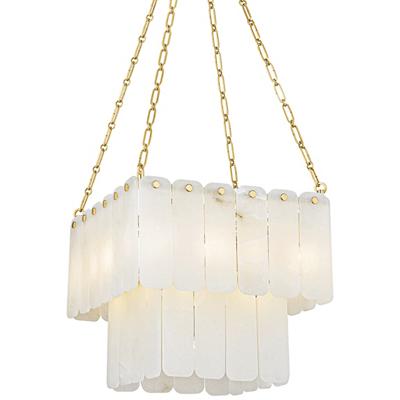
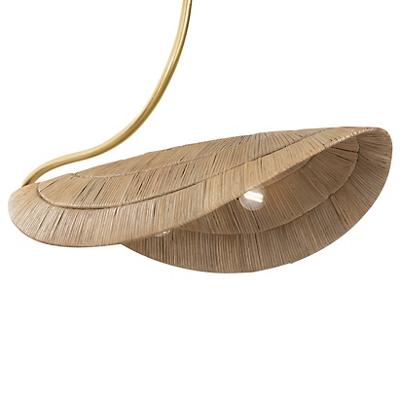
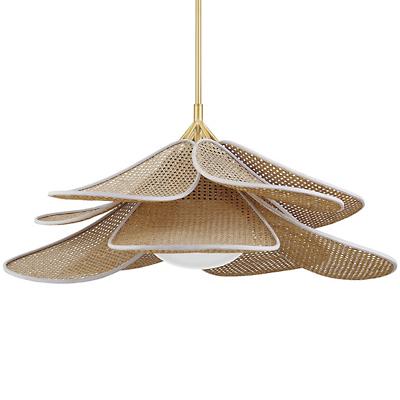
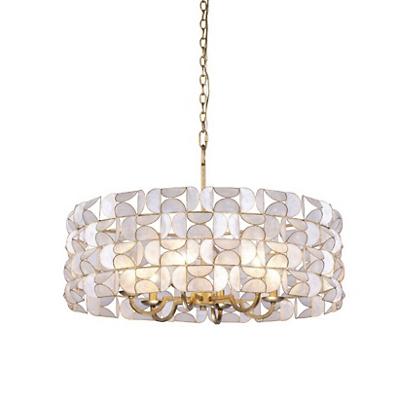
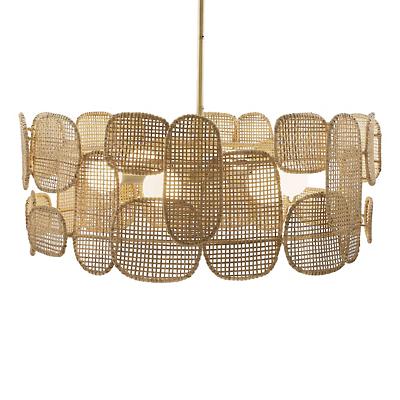
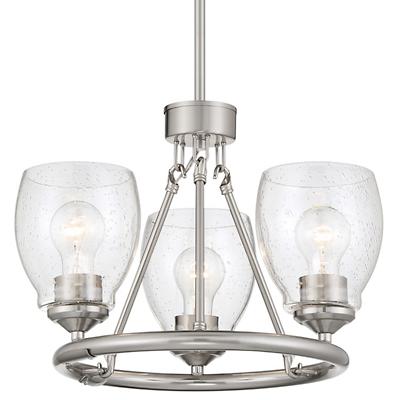
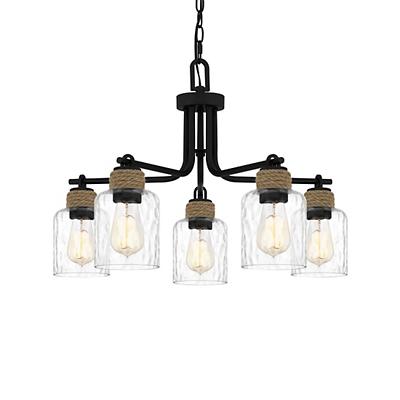
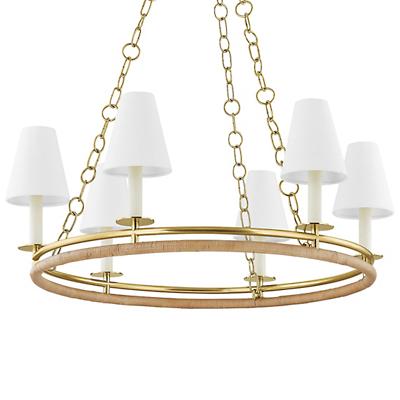
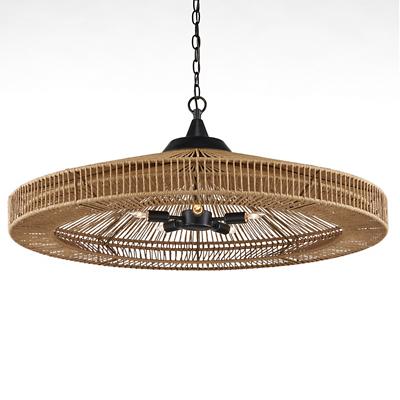
Coastal and nautical chandeliers represent two distinct yet complementary design approaches within seaside-inspired lighting. Coastal chandeliers emphasize organic materials like natural wicker, bleached wood beads, and light-toned finishes that create airy, relaxed atmospheres. The Clovis Chandelier exemplifies this aesthetic with its natural wicker shade and choice of brass or aged iron finishes. Nautical chandeliers lean toward traditional maritime elements—think lantern shapes, rope detailing, and darker metals that reference ship hardware. The Antigua Chandelier bridges both styles with its classic proportions and multiple finish options including bronze and polished nickel.
Key distinguishing features:
• Coastal: Natural textures, whitewashed finishes, shell and bead accents, relaxed silhouettes
• Nautical: Metallic finishes, lantern forms, rope elements, maritime-inspired hardware
Style Variations: From Modern to Traditional
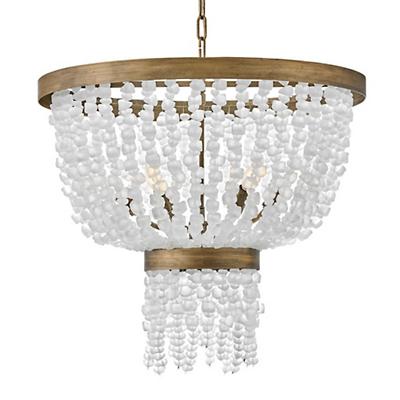
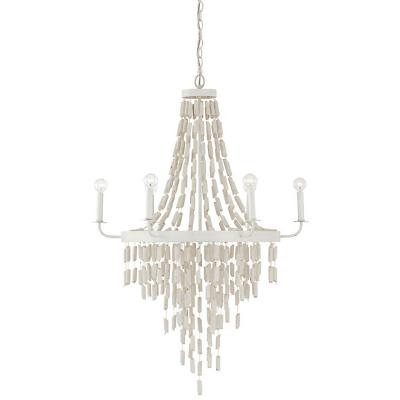
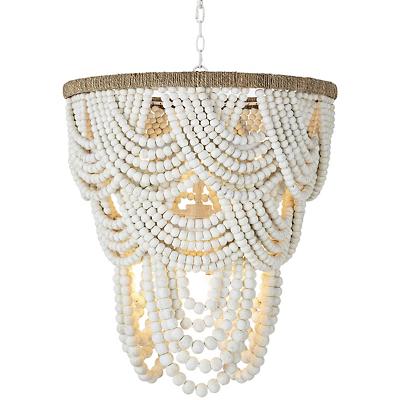
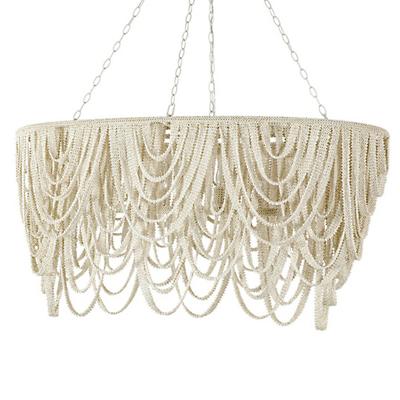
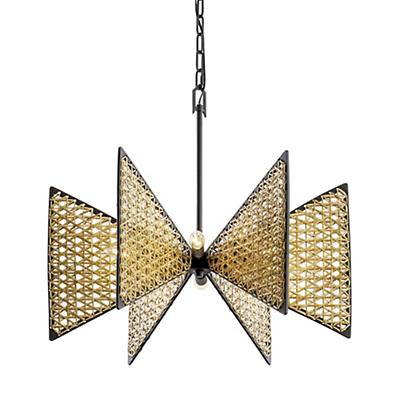
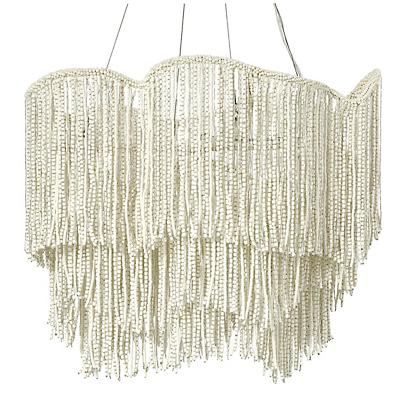
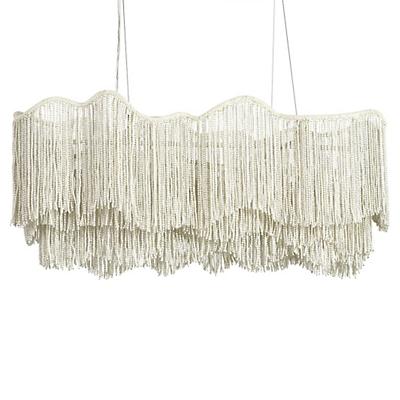
The spectrum of coastal chandelier styles accommodates diverse design preferences while maintaining seaside character. Modern interpretations feature clean-lined geometric forms like the Screen Chandelier, available in natural, black, or white finishes with minimalist rattan construction. For traditional spaces, the Paloma Coco Chandelier delivers classic elegance through cascading beads and sophisticated scale. Transitional designs like the Tiffany Chandelier balance contemporary structure with coastal materials, working seamlessly in both dining room and living room settings.
Popular style categories:
• Beaded & Textural: Wood bead cascades, shell accents, organic materials
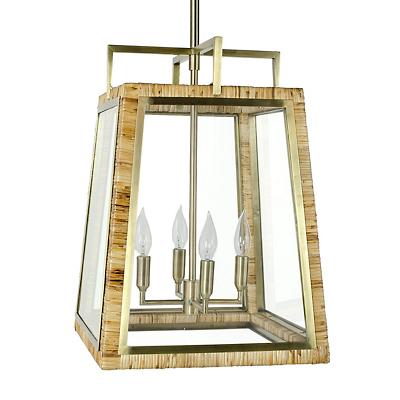
• Lantern Forms: Glass-paneled structures, metal frames, traditional proportions
• Woven & Rattan: Hand-crafted natural fibers, sculptural shapes, artisanal character
• Linear Coastal: Island-appropriate designs for kitchens and dining spaces
Materials & Finishes for Lasting Beauty
Material selection significantly impacts both aesthetic and durability in coastal environments. Natural materials like rattan, jute, and wood beads create authentic coastal character but require consideration for humidity exposure. The Everly Chandelier showcases how natural materials achieve sophisticated presence in protected indoor spaces. Metal finishes range from aged brass and polished nickel to weathered bronze and matte black—each offering distinct visual impact. For covered outdoor applications, look for damp-rated options like the Swanton Chandelier that combine durability with coastal styling.
Material considerations:
• Rattan & Wicker: Hand-woven texture, natural variation, best for climate-controlled spaces
• Wood Beads: Lightweight, organic feel, available in natural and painted finishes
• Metal Frames: Durable structure, various patinas, suitable for damp locations when rated
• Glass Accents: Clear or seeded glass, enhances light diffusion, traditional appeal
Sizing Your Coastal Chandelier: Proportions That Work
Proper scale ensures your chandelier enhances rather than overwhelms your space. For dining tables, select fixtures 12-18 inches narrower than table width—a 60-inch table pairs well with chandeliers 42-48 inches wide. The Isla Chandelier offers three size options (small, medium, large) for precise scaling. In two-story foyers, multi-tier designs like the Phebe Chandelier create dramatic vertical presence while maintaining 7+ feet clearance above the floor. For kitchen islands, linear chandeliers should span approximately two-thirds of the island length.
Quick sizing guidelines:
• Dining room: Add room length + width in feet, convert to inches for diameter
• Entryway: Chandelier height = ceiling height ÷ 2.5 for balanced proportion
• Kitchen island: Linear fixture length = island length × 0.66
Installation & Placement Expertise
Strategic placement maximizes both function and visual impact. Dining room chandeliers hang 30-36 inches above table surfaces, allowing clear sightlines while providing focused illumination. The Clamshell Chandelier demonstrates ideal scale for standard 8-foot ceilings with adjustable chain length. For vaulted or sloped ceilings, look for fixtures with angled canopy adapters—many coastal designs include these mounting options. In open-concept spaces, position chandeliers to define zones while maintaining cohesive style. Consider dimmable LED bulbs (2700-3000K color temperature) for versatile ambiance control and energy efficiency across all coastal lighting applications.
Selecting Your Perfect Coastal Chandelier
Navigate the collection by identifying your primary style direction and functional requirements. Budget-conscious options like the Laguna Chandelier deliver coastal character under $1,000, while designer pieces like the Hayworth Chandelier offer heirloom quality and distinctive design. For high-humidity areas, prioritize metal construction with appropriate ratings. Natural fiber fixtures like the Concentric Chandelier excel in climate-controlled interiors. Consider maintenance requirements—smooth metal finishes clean easily, while woven materials benefit from regular dusting. Multi-light configurations (4-6+ bulbs) suit larger spaces, while compact designs work in bedrooms and breakfast nooks.
Selection checklist:
• Room dimensions and ceiling height for proper scale
• Existing finishes and color palette for cohesive integration
• Lighting needs: ambient, task, or statement focal point
• Installation location: indoor protected, covered outdoor, or damp-rated requirement
• Bulb compatibility: LED-ready, dimmable options, preferred color temperature
Bring Coastal Elegance Home
From the organic textures of woven rattan to the refined maritime charm of lantern forms, coastal and nautical chandeliers offer unparalleled versatility for creating serene, sophisticated spaces. This collection represents the finest in contemporary coastal design—where artisanal craftsmanship meets modern functionality, and every fixture is selected for its ability to transform ordinary rooms into extraordinary coastal retreats. Whether you're furnishing a waterfront home or bringing seaside tranquility to an urban space, these chandeliers deliver the quality, style, and design innovation that define exceptional lighting.
Shop our complete collection of chandeliers and discover the perfect centerpiece for your home.
ChandeliersFrequently Asked Questions
What are the different types of chandeliers?
Chandeliers come in several types, including traditional, modern, crystal, and transitional. Additional variations include candle chandeliers, drum chandeliers, and multi-tiered designs that suit various interior styles.
Expert Tip: When exploring types, think about the way each style shapes light—drum shades soften illumination, crystals refract and brighten, and tiered arrangements add vertical presence in taller spaces.
What size chandelier do I need for my room?
To find the ideal chandelier size, add together the room’s dimensions in feet and convert the total to inches. This number gives a useful guideline for the chandelier's diameter. A room measuring 12’ by 14’ would call for a chandelier around 26 inches wide.
Expert Tip: If the chandelier isn't intended to be the main focal point, choosing a slightly smaller diameter can help maintain balance.
What materials are chandeliers usually made of?
Chandeliers are commonly made from metals like brass, bronze, wrought iron, or chrome, along with materials such as crystal, alabaster, timber, and glass.
Expert Tip: Brass and stainless steel resist corrosion and are ideal for humid spaces, while crystal performs best in dry rooms where its clarity can be fully appreciated.
How do you choose a chandelier color?
Choose a chandelier color that complements or enhances the dominant tones in the room. Matching finishes creates cohesion, while contrasting tones add emphasis.
Expert Tip: For a true statement piece, consider a finish that stands out from surrounding furniture to create intentional contrast.
What is the best height to hang a chandelier?
In open areas such as foyers, hallways, or living rooms, a chandelier should typically hang high enough to provide at least 7 feet of clearance from the floor. This ensures safety, visibility, and an appropriate sense of scale.
Expert Tip: For rooms with especially tall ceilings, consider lowering the chandelier slightly to maintain visual connection and prevent it from appearing “lost” in the space.
What shape chandelier looks best over a round table?
Round tables visually pair best with round or globe-style chandeliers. Multi-light pendants can also work beautifully while adding variety.
Expert Tip: To maintain proportion, choose a chandelier that is about one-half to two-thirds the diameter of the table.
How much does chandelier installation cost?
Chandelier installation typically ranges from $300 to $2,000, depending on fixture weight, complexity, and ceiling height.
Expert Tip: Heavy or oversized chandeliers often require reinforced mounting, adding to labor time and cost.
Can any chandelier be made dimmable?
Most chandeliers are dimmable if they use compatible bulbs and switches. Incandescent and many halogen bulbs dim easily, while LED bulbs must be marked “dimmable.”
Expert Tip: Pair dimmable LEDs with a compatible low-voltage or LED-specific dimmer to avoid flicker.
What are the different types of lighting?
There are four primary lighting categories:
- Ambient: General illumination for the entire room
- Task: Bright, focused light for activities
- Accent: Lighting that highlights décor or architecture
- Decorative: Fixtures chosen for aesthetic impact
Expert Tip: Successful lighting design involves blending multiple categories to create depth, balance, and flexibility.
What is the best type of lighting for a room?
The best lighting for a room depends on its purpose. Living spaces benefit from warm ambient light, kitchens and offices perform better with brighter task lighting, and bedrooms feel most comfortable with softer, dimmable illumination.
Expert Tip: A layered approach—using a mix of ambient, task, and accent lighting—creates the most adaptable environment.
What is the best lighting for a house?
Warm bulbs within the 2000K–3000K range offer the most comfortable and flattering light for homes. Cooler lighting (3500K–4000K) works well in kitchens or baths where clarity is essential.
Expert Tip: Use consistent color temperatures throughout connected spaces for a cohesive feel.
What color light is best for home lighting?
Warm white light (2700K–3000K) is generally best for residential spaces due to its cozy, inviting character.
Expert Tip: Slightly cooler lighting can increase alertness in workspaces such as home offices.
What is considered a chandelier?
A chandelier is a ceiling-mounted light fixture with multiple branches or arms that distribute light and serve as a prominent design element.
Expert Tip: Consider scale when choosing a chandelier—larger rooms can support more dramatic silhouettes.
What is a ceiling light fixture called?
Common ceiling fixtures include downlights, pendants, flush mounts, and chandeliers. Each serves a different purpose depending on ceiling height and lighting needs.
Expert Tip: Flush mounts are ideal for low ceilings, while pendants excel in areas needing targeted illumination.
What makes a chandelier modern?
Modern chandeliers feature clean lines, simplified forms, and finishes like black, chrome, or brushed nickel. Many incorporate integrated LEDs for sleek, minimal profiles.
Expert Tip: Look for dimmable LED designs to maximize both energy efficiency and ambiance.
What is the correct light level for a dining room chandelier?
A chandelier should illuminate faces and the table surface evenly, without glare. Warmer Kelvin temperatures create a more inviting dining atmosphere.
Expert Tip: Pair chandeliers with dimmers or additional lighting—such as sconces or buffet lamps—for layered illumination.
What is the correct height to hang a dining room chandelier?
A dining room chandelier should hang about 30 inches above the table surface. For ceilings higher than 8 feet, add approximately 3 inches for every additional foot of ceiling height.
Expert Tip: For vaulted ceilings, use an adjustable chain or rod to get the ideal height without overwhelming the space.
What style of chandelier is preferred for the dining room?
Dining room chandeliers can coordinate with or contrast against room décor, depending on the desired impact. Table shape often influences chandelier shape—round for round tables, linear for rectangular ones.
Expert Tip: Transitional chandeliers offer broad versatility if you're unsure of your exact design style.
What height should a bedroom chandelier hang at?
Most bedroom chandeliers hang approximately 7 feet from the floor, though this can vary based on bed placement, ceiling height, and your desired ambiance.
Expert Tip: For rooms with seating areas, consider a secondary smaller chandelier to define zones.
What size should a bedroom chandelier be?
Bedroom chandelier size can be estimated by adding the room’s width and length (in feet) and converting that number to inches for the fixture's diameter.
Expert Tip: Use painter’s tape on the ceiling to visualize the chandelier’s footprint before purchasing.
Which chandelier styles are popular?
Modern chandeliers remain popular for their clean lines, while crystal chandeliers are beloved for elegance and sparkle. Mixed-material designs are increasingly sought-after for their versatility.
Expert Tip: Consider styles that complement your architecture—minimalist for modern homes, ornate for traditional spaces.
How much do chandeliers usually cost?
| Material Type | Price Range | Details |
| Simple Metal (1–3 Lights) | $200 – $800 | Basic steel or aluminum designs ideal for small or minimalist spaces. |
| Crystal Chandeliers | $1,000 – $5,000+ | Luxurious pieces made with hand-cut crystal for high sparkle and refraction. |
| Brass Chandeliers | $600 – $3,000 | Classic, warm metal often used in traditional or vintage-inspired designs. |
| Wrought Iron Chandeliers | $500 – $4,000 | Durable, hand-forged iron ideal for rustic or industrial interiors. |
| Wood Chandeliers | $400 – $2,500 | Organic, natural look commonly seen in Scandinavian or rustic styles. |
| Glass Chandeliers | $1,500 – $7,000+ | Modern or transitional designs featuring clear, frosted, or textured glass. |
| Custom Chandeliers | $5,000 – $10,000+ | One-of-a-kind designs using premium materials and bespoke craftsmanship. |
