Household Furnishings + Accessories








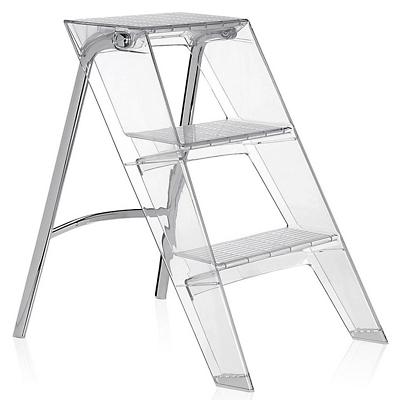
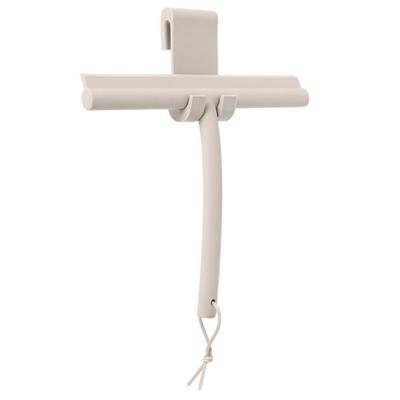

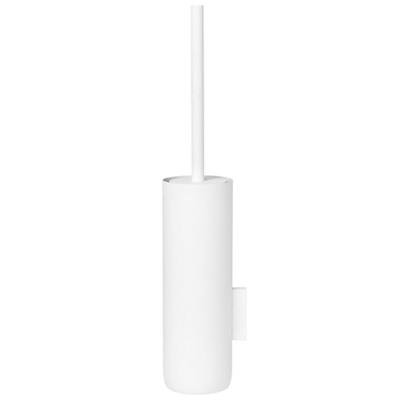
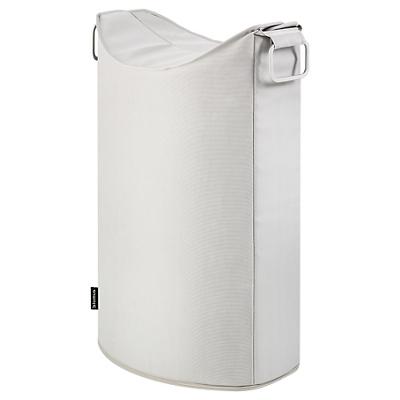








Household Explore
Why We Love Household Furnishings
Household furnishings offer little ways to make big changes in the look of a home. Modern household accessories give spaces fresh appeal, offering organizational help as well as fashionable style without having to break the bank or undergo a major home remodel. From fun and quirky to clean and professional, the style range of home furnishings offered means it's also easy to slip these accessories into an established design scheme.
Where Household Accessories Work Best
From the bedroom to the kitchen and living room, household accessories are great for any space that needs that extra dose of individuality. Many of the items are especially handy in heavily used areas, like kitchens and bathrooms, and are offered in durable stainless steel for this reason. Others offer a much needed splash of color and life and make excellent conversation pieces, perfect for areas like the living room. In addition to the modern style you'll find in any of these accessories, you'll also appreciate the functionality utility they bring to your home.
Household Decor For Every Style
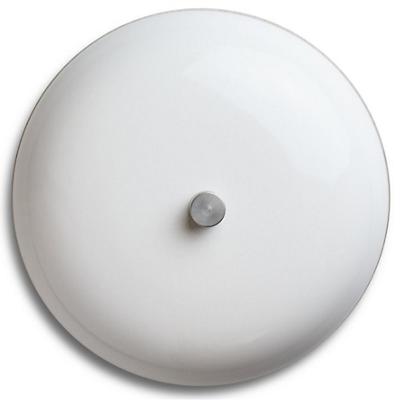
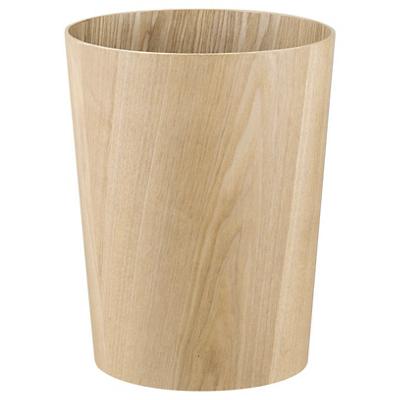
Whether your home is completely modern or follows a more traditional decorating approach, these household items find their way into your existing decor and offer the usefulness you need. Start with items for the front porch. A good looking doorbell from Spore makes an immediate statement to your aesthetics and look to a door mat from Chilewich to keep elements from the outdoors where they belong. Stainless steel decorative items from Blomus offer an elegant contemporary look and you'll find accessories for almost every room of the house. Waste baskets from Kartell ensure a clutter-free home combined with acclaimed Italian design. For just about any need, you'll find an item of household decor here.
Choosing the Best Household Furnishings
This collection of useful home accessories aim to fit a utilitarian purpose in your space. They supplement existing decor and can help to round out the look and feel of any given room. However, you'll want to be selective in choosing the right furnishings and accessories for your home. First, begin your search by identifying the products you need. Is it to solve a common household problem or to simply show of expert design in the corner of the room? Consider the sizes of any household accessories you're interested in and if necessary, pull out the measuring tape to be certain it will be just the right fit. You'll also want to choose colors and finishes of accessories that are able to blend in among your existing decorations. Or, if you prefer a pop of noticeable personality, opt for a color that doesn't exist in your current palette. If you have any questions about the household accessories featured here, please call our decor experts at 877.445.4486.
Other Considerations
Like the look of the door mats found in this assortment? The complete selection of modern rugs are great for heavily used areas inside the home and will complement any of these household decorations. You must also take a look at our range of cool gifts, great for any occasion, male and female, young and old alike! Among unique accessories like those found here, you'll find gifts and ideas perfect for just about anyone on your list. Finally, if you love the style of these accessories, you'll want to check out all of the modern home furnishings available.
HouseholdFrequently Asked Questions
What is meant by home furnishings?
Home furnishings refer to the items used to decorate or furnish a home, enhancing its comfort, functionality, and aesthetic appeal. These can include furniture, decorative objects, textiles, lighting fixtures, and practical household items like laundry baskets, trash cans, nutcrackers, and air purifiers.
Expert Tip: Create a cohesive look by choosing home furnishings in a consistent material palette (e.g., natural wood, matte metals, and neutral textiles). For small spaces, opt for multi-functional pieces like storage ottomans or decorative baskets that hide clutter while adding style.
What are the benefits of an air purifier?
An air purifier significantly improves indoor air quality by removing allergens, pollutants, dust, pet dander, and odors. Benefits include better respiratory health, reduced allergy symptoms, cleaner indoor environments, and overall increased comfort in your home.
Expert Tip: Place your air purifier 3-5 feet off the ground near breathing zones (bedside, sofa side) rather than corners. Run it continuously on low speed rather than intermittent high speeds for consistent air quality - this uses less energy than cycling on/off.
Are air purifiers loud?
Air purifiers vary in noise levels depending on their model and fan speeds. Typically, modern air purifiers operate quietly, producing around 20-50 decibels, similar to a soft whisper or gentle background noise. Selecting models specifically labeled as "quiet" or with adjustable fan speeds can help manage noise levels.
Expert Tip: Look for purifiers with a "sleep mode" that operates below 25 dB - about the volume of a quiet library. Test different models in person; some produce a distracting high-pitched whine at certain frequencies even at low decibel levels.
What does an ionizer air purifier do?
An ionizer air purifier emits negatively charged ions into the air, which attach to positively charged particles such as dust, allergens, and airborne pollutants. This causes the particles to become heavier and fall onto surfaces or to be more easily trapped by filters, effectively reducing airborne contaminants.
Expert Tip: Use ionizers cautiously - they can produce trace amounts of ozone. Look for CARB-certified models if choosing this technology, and avoid in homes with respiratory conditions. Better to pair a standard HEPA purifier with regular damp dusting.
What is a good speed for an air purifier?
The optimal speed for an air purifier depends on room size, air quality, and desired noise levels. Lower speeds work well for continuous, quiet operation and daily use, while higher speeds are ideal for rapidly improving air quality or handling higher pollutant levels. Many purifiers have adjustable speeds for convenient, personalized use.
Expert Tip: Follow the "2-hour rule" - run on high for 2 hours when first installed or after opening windows, then maintain on medium. Use an air quality monitor to adjust speeds based on real-time particulate levels rather than guessing.
How do you know when an air purifier filter needs changing?
Most modern air purifiers feature filter replacement indicators or sensors that alert you when it's time to replace the filter. Signs that a filter needs changing include reduced airflow, increased noise, noticeable odors, or decreased effectiveness in removing contaminants.
Expert Tip: Mark your calendar for 1 month before the manufacturer's recommended change date. Check filters then - in clean homes they may last longer, while pet owners or smokers may need to replace sooner. Shining a flashlight through the filter reveals clogging not visible to the naked eye.