Modern Pond Lights & Underwater Lighting
Engineered for full submersion, underwater lights are designed to illuminate ponds, fountains, waterfalls, and other water features from within. These specialized fixtures enhance the movement, depth, and texture of water while creating a dramatic visual effect.

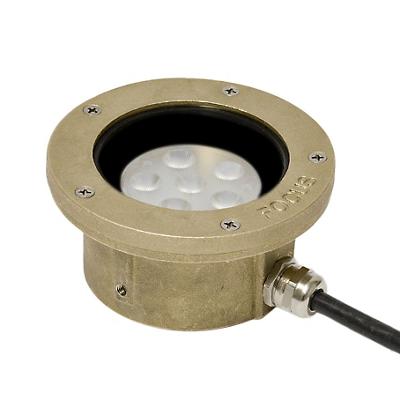
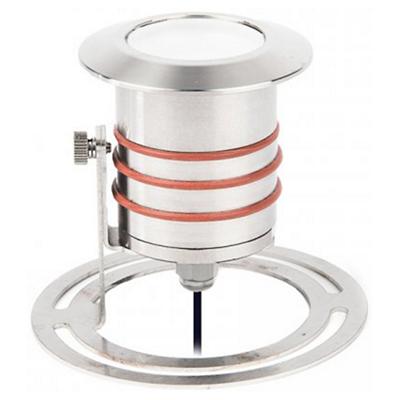
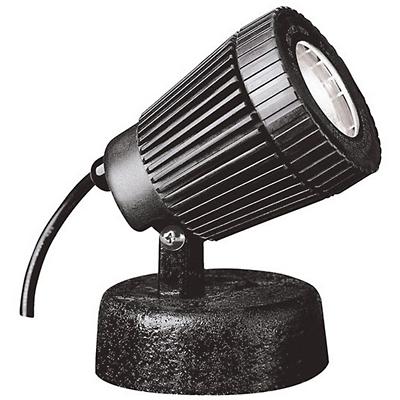
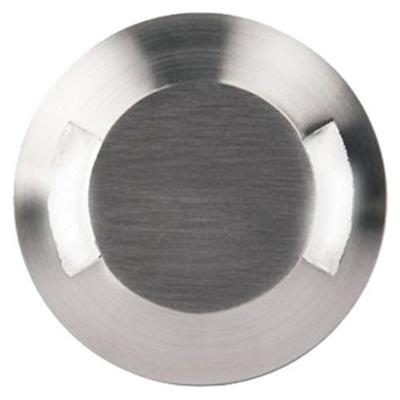


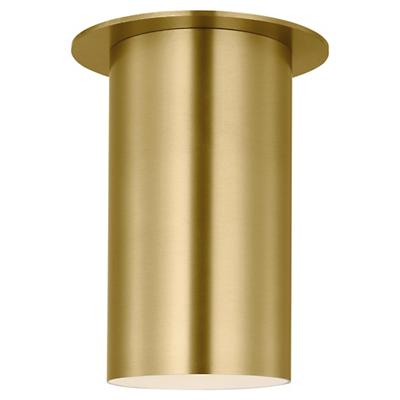
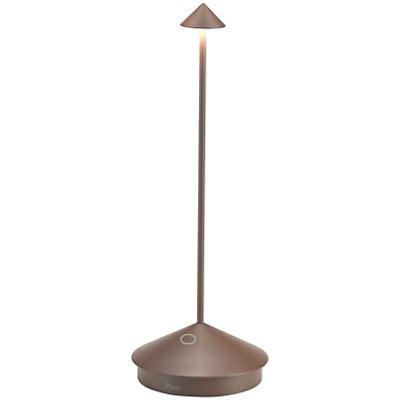

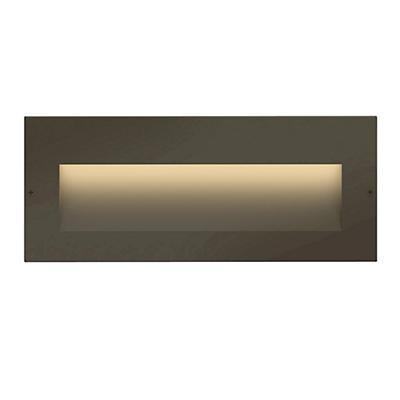
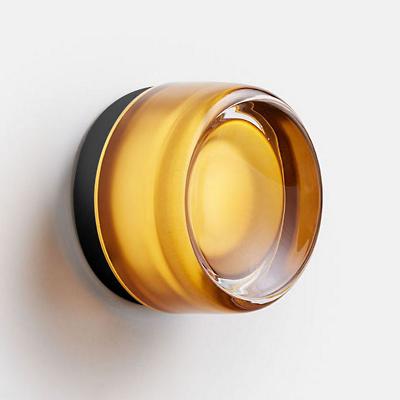

Underwater Lights Explore
Modern Pond Lights & Underwater Lighting
Engineered for full submersion, underwater lights are designed to illuminate ponds, fountains, waterfalls, and other water features from within. These specialized fixtures enhance the movement, depth, and texture of water while creating a dramatic visual effect.
Why We Love Underwater Lights
There's no better way to highlight your beautiful water features than to add pond lights. This type of landscape lighting filters up through the water and brings fountains, waterfalls and koi ponds to life, with refracted light rippling across dry surfaces and adding more movement and energy. Underwater pond lighting also adds an important element of safety and eliminates black holes from the yard. Whether fully submerged or lighting a water feature from the surface, outdoor pond lights are an easy and inexpensive way to instantly change your landscape.
Where Pond Lights & Fountain Lights Work Best
There are many kinds of water features that benefit from pond lights, such as tiered waterfalls, koi ponds, fountains and path-side creeks. They usually come with a long cable to accommodate for long distance wiring needs and many of these types of lights can be daisy-chained should the water feature require more than one spotlight. Unfortunately, some designs aren't appropriate for pools or spas, so be sure to check the details of each fixture to know exactly what each design requires. With pond and fountain lights in your backyard or commercial location, you'll create an inviting presence in your landscape.
An Underwater Light for Every Style
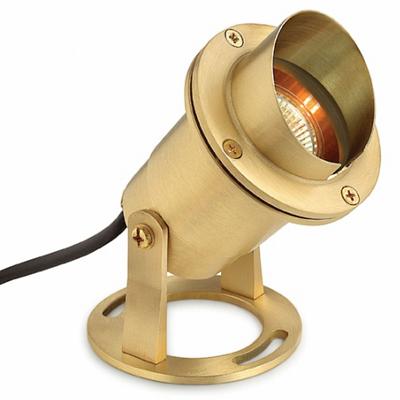
While often gone unnoticed, pond lights and underwater fixtures can bring a lot of decorative character to your landscape. They also have the ability to fit in with existing exterior styles and complement other light fixtures in the space. For a pond light that can be fully submerged underwater, look to the fixtures available from Kichler. Kichler excels at landscape lighting designs and you are sure to love the contemporary nature of its underwater fixtures. And if you like the look of brass in your backyard, look to the brass pond lights from Hinkley Lighting. Finally, promote energy efficiency in your outdoor lighting with LED pond lights and fountain lights.
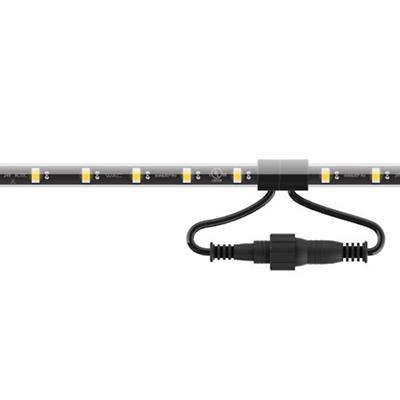
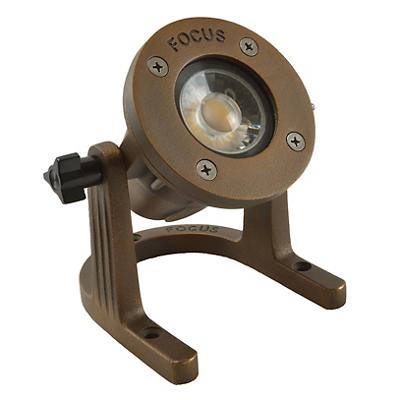
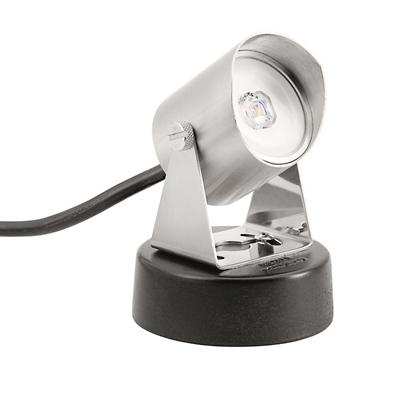
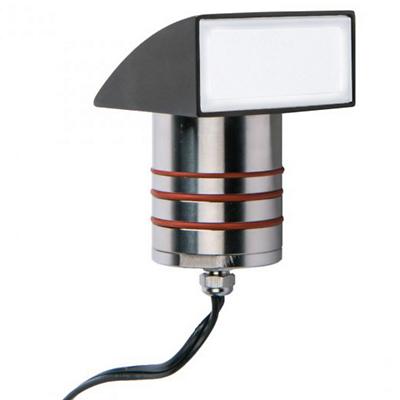
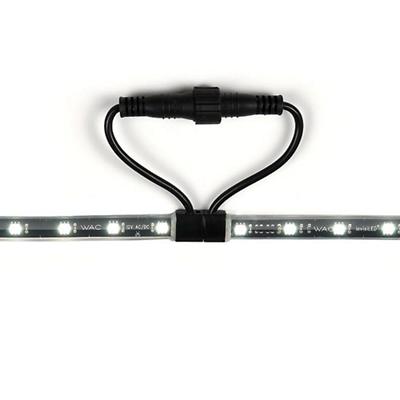
Underwater lighting takes several forms depending on the effect you're after. Fully submersible fixtures and submersible pond lights sit within the water and cast illumination upward through the surface, while surface-mounted spotlights approach water lighting from the edge to graze waterfalls and raised fountains. Low-voltage LED tape offers a more discreet accent along fountain rims and pond borders, layering light where a fixture would otherwise be seen.
How to Choose the Best Pond Lights
When choosing a fixture to highlight your koi pond or fountain, you first need to determine its function. If the light needs to be completely under the water of the pond or fountain, you'll need to look to the submersible options. All of the fixtures in this assortment are UL listed and safe for outdoor use, but you will want to review additional details of a product to thoroughly understand any limitations of the light. If you have any questions about the pond, fountain and underwater lighting featured here, please call our experts at 877.445.4486.
A few considerations help narrow the field:
Waterproof and safety rating. Confirm whether a fixture is built for full, continuous submersion or only for splash zones and surface mounting near water. Alongside the UL listing, review each fixture's IP rating to understand its degree of water protection, and favor low-voltage designs, which are well suited to use in and around water. This is especially worth checking when you're comparing waterproof fountain lights.
Brightness and placement. Match the light output to the scale of the feature, since a small basin and a tiered waterfall call for very different illumination. Depth matters, too: positioning a fixture deeper produces a softer, more diffused glow, while placing it nearer the surface sharpens the beam and emphasizes movement. Testing a few placements before finalizing your pond lighting is the surest way to land on the right effect.
Fish- and wildlife-friendly use. Cool-running, low-voltage LED underwater pond lights integrate comfortably into koi ponds and planted water gardens. Aim fixtures toward the water surface or architectural details rather than directly at fish to keep the environment calm and natural.
Other Considerations
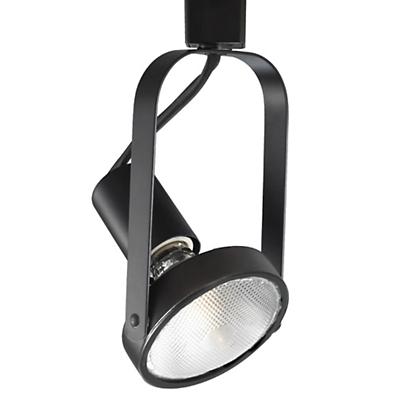
For a fixture that doesn't have to be placed under water, look to outdoor spotlights or flood lights. These outdoor flood lights can create dramatic shadows in the backyard and will help to highlight fountains and ponds. As with any outdoor light, you'll want to keep their UL rating in mind to ensure you're choosing fixtures that are safe for use where the presence of water may be unavoidable. And for more solutions to accenting your yard, take a look at the complete assortment of landscape lighting for deck lights, outdoor step lights, path lights and more. Lastly, complement your new landscape fixtures with equally stylish outdoor furniture.
Underwater LightsFrequently Asked Questions
What are underwater lights used for?
Underwater lights are engineered for full submersion and are used to illuminate ponds, fountains, waterfalls, koi ponds, and other water features from within, enhancing the water's movement, depth, and texture while creating a dramatic visual effect.
Expert Tip: The most striking results usually come from lighting what the water does rather than the water itself—position fixtures so the beam catches the turbulence at the base of a waterfall or a fountain's spray, where moving water refracts light and throws rippling patterns onto nearby dry surfaces.
Can I use pond lights in my swimming pool or spa?
Not necessarily. Some underwater designs aren't appropriate for pools or spas, so you should always check the details of each fixture to confirm exactly what that design supports before installing it.
Expert Tip: Pool and spa fixtures face requirements ordinary pond lights don't—chlorine and other sanitizing chemicals degrade many housings and gaskets, and pools carry stricter electrical bonding and grounding codes. A fixture rated only for freshwater ponds can corrode or void its listing surprisingly fast in a chemically treated pool.
How do I know if a fixture is safe for full submersion?
Check the fixture's ratings before buying. Every fixture in this assortment is UL listed and safe for outdoor use, but you should review the individual product details, including the IP rating, to understand its degree of water protection and whether it's built for continuous submersion or only splash zones.
Expert Tip: Look for IP68 specifically for continuous underwater use—the "8" is the immersion digit, and reputable manufacturers pair it with a stated maximum depth in meters. An IP67 fixture is only rated for temporary immersion, so using one as a permanently submerged pond light is a common and costly mistake.
What kind of light output and placement should I choose?
Match the brightness to the scale of the feature—a small basin and a tiered waterfall need very different illumination. Depth also matters: placing a fixture deeper produces a softer, more diffused glow, while positioning it nearer the surface sharpens the beam and emphasizes movement.
Expert Tip: Water absorbs and scatters light far more than air, so effective brightness drops quickly with depth and murkiness—plan for the water clarity you'll actually have, not crystal-clear test conditions. Seasoned installers wire in a bit more output than they think they need and add a dimmer, because it's far easier to dial a fixture down than to re-excavate for a brighter one.
Are underwater lights safe for fish in a koi pond?
Yes, when chosen and aimed correctly. Cool-running, low-voltage LED underwater pond lights integrate comfortably into koi ponds and planted water gardens; aim fixtures toward the water surface or architectural details rather than directly at fish to keep the environment calm and natural.
Expert Tip: Fish and aquatic plants take their cues from natural light cycles, so leaving pond lights on all night can stress koi and fuel algae blooms. Experienced pond keepers run lighting on a timer for a few evening hours and lean toward warmer color temperatures, which are less disruptive to the ecosystem than cold blue-white light.
Can I connect more than one light to a single water feature?
Yes. Pond and fountain lights usually come with a long cable to accommodate long-distance wiring, and many of these fixtures can be daisy-chained together when a water feature requires more than one spotlight.
Expert Tip: Daisy-chaining has a hidden limit—voltage drop. As you add fixtures down a low-voltage run, the ones farthest from the transformer receive less power and visibly dim. Pros size the transformer with headroom and sometimes run a "hub" wiring pattern from a central point instead of one long chain to keep every light evenly bright.
What if I want to light a water feature without submerging the fixture?
You have options that stay out of the water. Surface-mounted spotlights approach the feature from the edge to graze waterfalls and raised fountains, and outdoor flood lights can highlight fountains and ponds while creating dramatic shadows—just keep their UL rating in mind since water may be unavoidable nearby.
Expert Tip: Lighting a water feature from outside almost always means fighting glare and reflection off the surface. The practitioner's fix is a steep, low angle—mount the spotlight low and rake the light across the feature rather than pointing down into it, so the beam skims the texture instead of bouncing straight back at the viewer.

 Back To Top