Modern File Cabinets










Filing Cabinets Explore
Modern File Cabinets
Transform your home office into an organized, design-forward space with modern file cabinets that blend sophisticated aesthetics with practical functionality. Today's contemporary file storage solutions go far beyond utilitarian metal boxes—they're statement pieces that complement your desk, enhance your décor, and keep important documents secure and accessible. From minimalist lateral file cabinets with natural walnut veneers to compact mobile pedestals on smooth-rolling casters, our curated collection offers elegant solutions for every workspace size and style preference.
Understanding Modern File Cabinets
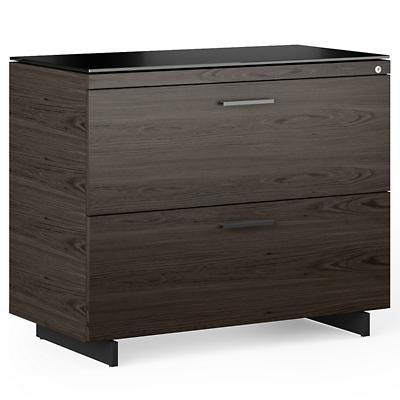
Modern file cabinets prioritize clean lines, quality materials, and thoughtful design details that distinguish them from traditional office storage. These pieces feature flush drawer fronts, integrated handles or slab pulls, and refined finishes like charcoal-stained ash, natural maple, or powder-coated steel in sophisticated neutrals. The BDI Sequel 20 Lateral File Cabinet exemplifies this approach with its multi-wood construction, satin nickel or black metal accents, and micro-etched glass top surface that doubles as workspace. Modern designs accommodate both letter and legal-size hanging files with adjustable rails, while features like soft-close drawer glides, locking mechanisms, and anti-tip hardware ensure safety and durability. Whether you need a compact 3-drawer mobile file pedestal that tucks under your desk or a substantial storage credenza, modern file cabinets deliver organized efficiency without compromising your interior aesthetic.
Style Variations in Modern File Storage
• Minimalist Scandinavian: The Branch Small Filing Cabinet in white, sage, or charcoal showcases the clean simplicity of Nordic design—streamlined silhouettes with functional elegance perfect for compact home offices.
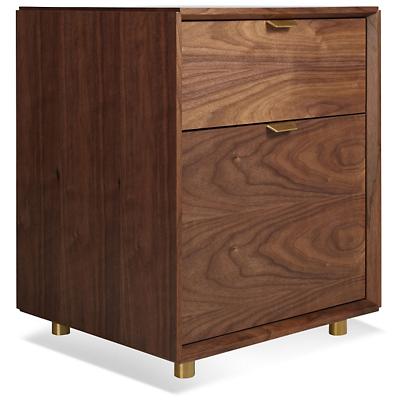
• Mid-Century Modern: Pieces like the Blu Dot Filing Cabinet No. 1 feature tapered legs, warm wood tones, and retro-inspired hardware that complement vintage-modern interiors while offering contemporary functionality.
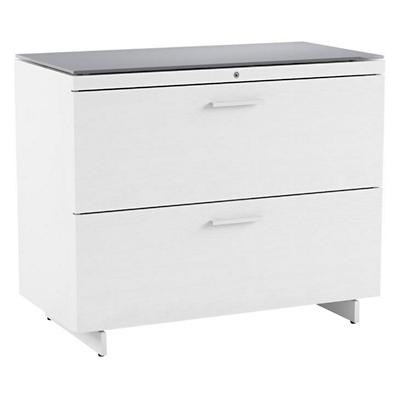
• Industrial Contemporary: The BDI Centro Lateral File Cabinet combines steel frames with wood drawer fronts, creating an urban aesthetic ideal for loft spaces and modern industrial offices.
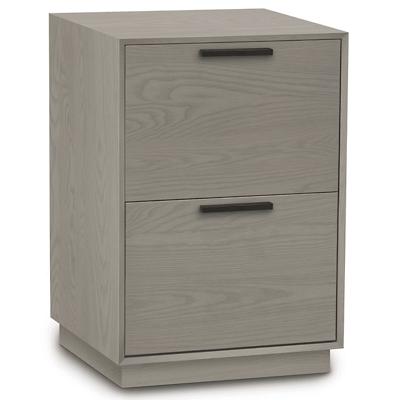
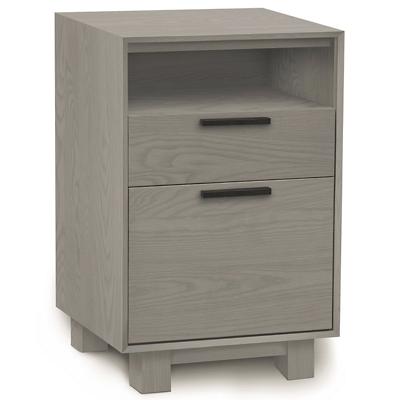
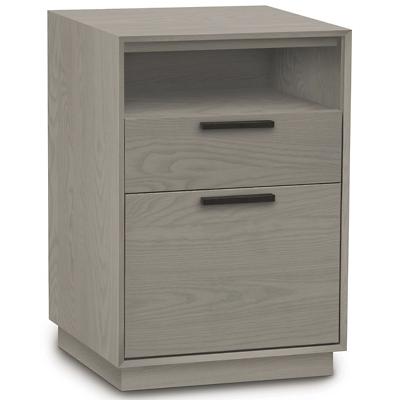
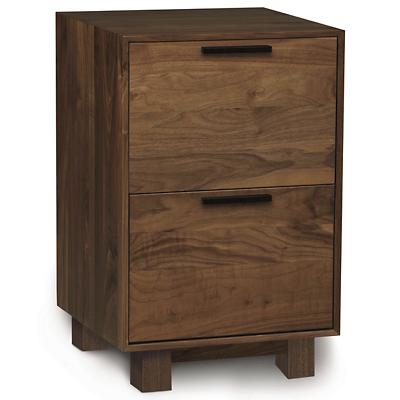
• Transitional Elegance: Copeland Furniture's Linear Office Storage in weathered oak or seared oak finishes bridges traditional craftsmanship with contemporary forms, fitting seamlessly into diverse décor schemes.
Materials & Finishes That Define Modern Design
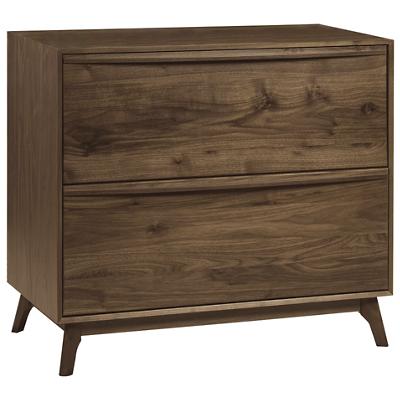
Wood veneers dominate modern file cabinet construction, with natural walnut, white oak, and charcoal-stained ash leading style preferences. These materials pair beautifully with modern desks in matching finishes, creating cohesive workspace environments. The Ethnicraft Boomerang Drawer Unit showcases premium solid wood construction with distinctive curved drawer fronts in dark brown or oak finishes. Metal file cabinets in powder-coated steel offer durability and contemporary edge—look for satin white, graphite, or navy options that coordinate with your color palette. High-quality modern pieces feature scratch-resistant surfaces, easy-care finishes, and protective felt-lined drawers that preserve important documents. Base options matter too: choose between natural steel, satin nickel, or matching wood bases depending on whether you want industrial contrast or seamless integration with your flooring and furniture.
Sizing & Configuration Options
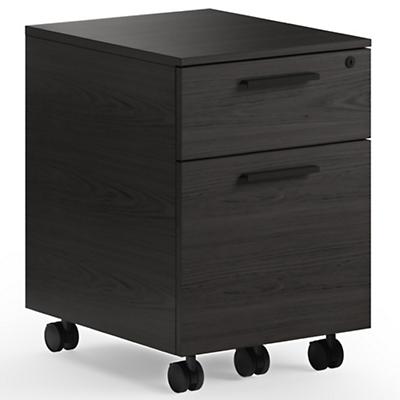
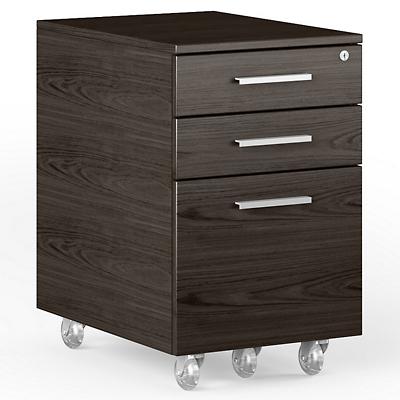
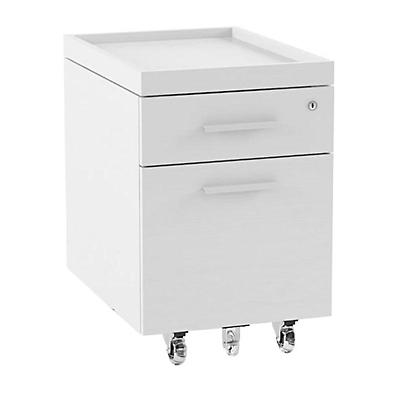
• Compact Mobile Pedestals (15-19"W): The BDI Sequel 20 Mobile File Pedestal fits under standard desks, offering 2-3 drawers on locking casters—perfect for small apartments or minimalist home offices where floor space is premium.
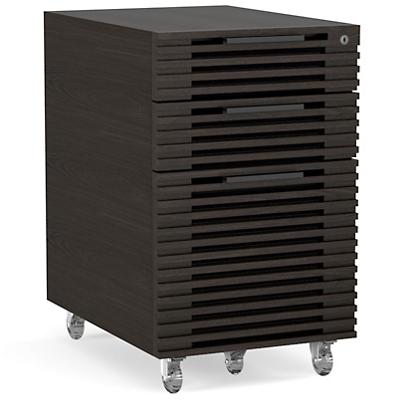
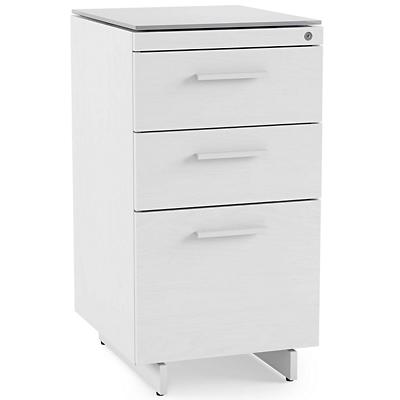
• Standard Lateral Files (30-42"W): Two-drawer lateral cabinets like the BDI Corridor Office 3-Drawer Mobile File Pedestal provide substantial storage without overwhelming tight spaces, ideal for positioning beside desks or against walls.
• Large Storage Credenzas (60-86"W): The BDI Luma Office Multifunction Cabinet combines file drawers with open shelving and printer storage—comprehensive solutions for dedicated home offices requiring multiple organizational zones.
Measure your available space carefully, accounting for drawer extension (typically 18-24" beyond the cabinet depth). Consider vertical clearance if placing under desks, and ensure adequate knee room remains comfortable for daily use.
Smart Placement & Installation Strategies
Position file cabinets within arm's reach of your primary work surface to minimize disruption when accessing documents. In small home offices, utilize vertical space with tall narrow bookcases featuring integrated file drawers, like the Copeland Furniture Catalina File Cabinet. For shared workspaces, place mobile pedestals between two desk chairs to create flexible, accessible storage. Consider closet integration—slim 15-18" wide cabinets fit standard closet depths while maximizing hidden storage capacity. When installing lateral file cabinets, secure anti-tip brackets to walls per manufacturer specifications, especially in households with children. Pair file storage with complementary office shelving to create cohesive organizational systems that accommodate books, supplies, and decorative objects alongside document storage.
Essential Features & Security Considerations
Modern file cabinets prioritize both aesthetics and functionality through carefully engineered features. Soft-close drawer mechanisms prevent slamming and extend hardware longevity—standard in premium pieces like the Blu Dot Dang File Pedestal. Locking systems range from simple key locks for basic security to more sophisticated locking bars that secure all drawers simultaneously. Anti-tip hardware is non-negotiable for safety, particularly in homes with children or in earthquake-prone regions. Adjustable hanging file rails accommodate both letter and legal-size folders—verify this compatibility before purchasing if you store legal documents. Quality drawer glides rated for 75-100 pounds ensure smooth operation even when fully loaded. For multipurpose functionality, consider cabinets with cushioned tops that double as seating or micro-etched glass surfaces that provide additional workspace without sacrificing the organizational capacity you need for a productive home office environment.
Budget & Value Considerations
Entry-level modern file cabinets ($259-$450) like the Branch Small Filing Cabinet offer essential functionality with contemporary styling in powder-coated steel or engineered wood—excellent for starter home offices or temporary workspaces. Mid-range options ($450-$1,200) introduce premium wood veneers, superior hardware, and enhanced design details found in pieces like the Blu Dot Filing Cabinet No. 1. Investment-grade cabinets ($1,200-$3,000+) such as the BDI Sequel 20 Lateral File Cabinet feature solid hardwood construction, precision joinery, and design innovation that justifies higher price points through decades of reliable service. Consider cost-per-year of ownership—a well-crafted piece that lasts 20+ years often represents better value than replacing cheaper alternatives every few years. Prioritize features that match your actual needs: if you rarely access files, invest less in drawer mechanisms and more in surface aesthetics; if you use your cabinet daily, prioritize smooth-operating hardware and durable finishes.
Coordinating Your Modern Office Aesthetic
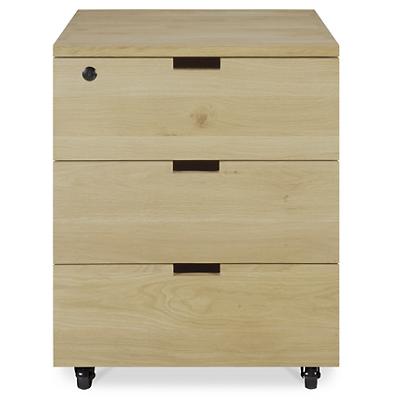
Create a cohesive workspace by selecting file cabinets that complement your existing modern desks and office furniture. Match wood finishes precisely—if your desk features natural walnut, choose cabinets in the same species and stain for seamless integration. Alternatively, embrace intentional contrast: pair a white oak desk with a charcoal-stained ash file cabinet for sophisticated visual interest. Consider how metal accents coordinate across pieces—satin nickel drawer pulls should align with desk hardware and task chair bases. For eclectic modern spaces, mix materials confidently: the Ethnicraft Billy 3 Drawers Unit in oak pairs beautifully with industrial metal shelving and contemporary glass-top desks. Remember that file cabinets are long-term investments—choose versatile finishes that adapt as your style evolves rather than trendy options that may feel dated within a few years.
Discover Your Perfect Modern File Cabinet
Our comprehensive collection of modern file cabinets addresses every storage challenge, design preference, and budget consideration. From compact mobile pedestals that maximize small apartment offices to substantial storage credenzas that anchor dedicated workspaces, each piece combines thoughtful engineering with refined aesthetics. Explore finishes ranging from warm natural woods to sophisticated painted surfaces, styles spanning minimalist Scandinavian to industrial contemporary, and configurations designed for specific organizational needs. Whether you prioritize security features, smooth-rolling mobility, or statement-making design, you'll find file storage solutions that elevate your workspace while keeping documents organized and accessible.
Streamlined storage, thoughtfully designed. Explore file cabinets that bring clarity, structure, and sophistication to your space.
Filing CabinetsFrequently Asked Questions
What is the use of a file cabinet?
A file cabinet organizes and stores paper documents in file folders, keeping important records accessible and protected.
Expert Tip: Consider file cabinets with fireproofing or waterproofing features to protect sensitive documents from unexpected damage.
What are the three types of filing cabinets?
Typical types include vertical, lateral, and mobile filing cabinets. Each style suits different space requirements and organizational preferences.
Expert Tip: For small offices, lateral cabinets double as additional workspace or display surfaces, maximizing utility.
What is lateral vs. vertical file cabinet?
Lateral cabinets feature wider drawers, storing documents front to back or side to side, offering greater capacity. Vertical cabinets have deep drawers that take up less wall space but require more clearance when opened.
Expert Tip: Choose lateral cabinets for high-capacity needs and vertical cabinets for compact spaces with limited wall room.
What is the difference between vertical and mobile filing cabinets?
Vertical file cabinets require more drawer clearance but occupy less wall space. Mobile file cabinets are on casters and ideal for flexible and smaller workspaces, often fitting easily under desks.
Expert Tip: Ensure mobile cabinets have locking casters for stability when stationary.
What do you call a small filing cabinet?
A small filing cabinet is commonly called a pedestal file cabinet. These compact units often slide under desks, providing accessible storage without taking up much room.
Expert Tip: Look for pedestal cabinets with anti-tip features, especially for heavier loads.
What is the best rolling file cabinet?
Look for rolling file cabinets made of durable materials like steel or solid wood, with smooth casters and reliable locking mechanisms. Additional features, such as multiple compartments or soft-close drawers, may enhance convenience.
Expert Tip: Opt for cabinets with integrated cable management solutions to keep wires organized in tech-heavy workspaces.
What size file cabinet do I need?
Choose a file cabinet based on your document size. Letter-size cabinets are typically 15 inches wide, while legal-size cabinets measure about 18¼ inches wide. Consider space constraints and the volume of papers you plan to store.
Expert Tip: Allow at least 2 inches of additional clearance in each drawer to prevent overcrowding and ensure smooth operation.
Where should you store heavy items in a filing cabinet?
Store heavier items in the lowest drawer for stability, preventing the cabinet from tipping and making it easier to safely retrieve items.
Expert Tip: Use dividers to evenly distribute weight and maintain drawer alignment over time.
What is the difference between a lateral and vertical file cabinet?
A lateral file cabinet holds documents in drawers that run perpendicular to the drawer’s front, offering wider storage. A vertical file cabinet’s drawers are deeper, saving wall space but requiring more clearance to open fully.
Expert Tip: Match cabinet types to your workflow—lateral cabinets are better for shared office spaces, while vertical ones suit personal use.
What is the best material for a filing cabinet?
Metal (sheet steel) and wood are common. Metal cabinets tend to be lighter and more fire-resistant, while wooden cabinets provide a classic aesthetic that may better suit home offices.
Expert Tip: Choose powder-coated finishes on metal cabinets for better scratch resistance and longevity.
What company makes the best file cabinets?
Trusted brands like Steelcase and Herman Miller often deliver high-quality construction, secure locking systems, and durable materials. Research reviews and compare features to find the best fit for your workspace.
Expert Tip: Verify warranty details to ensure long-term protection for your investment.
What colors do filing cabinets come in?
Filing cabinets are available in a wide array of finishes, from neutral blacks, grays, and whites to colorful or woodgrain patterns. Pick a color that complements your office style and decor.
Expert Tip: Use bold or bright-colored cabinets as accent pieces to add visual interest to modern office spaces.
What material are filing cabinets made out of?
Most filing cabinets are constructed of sheet metal or wood. Metal cabinets offer modern looks and durability, while wood variants are cherished for their classic style and warmth.
Expert Tip: For eco-conscious buyers, look for wood cabinets certified by organizations like FSC or made from reclaimed materials.
How should I arrange the files in a file cabinet?
Label folders clearly and sort them by category, frequency of use, or alphabetical order. Place frequently accessed files in higher drawers while storing older or less-used documents in lower drawers.
Expert Tip: Use color-coded labels or tab dividers to streamline retrieval and improve overall organization.