Classic & Traditional Modern Pendant Lighting & Hanging Lights









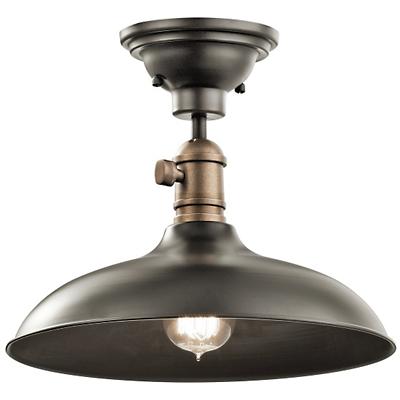
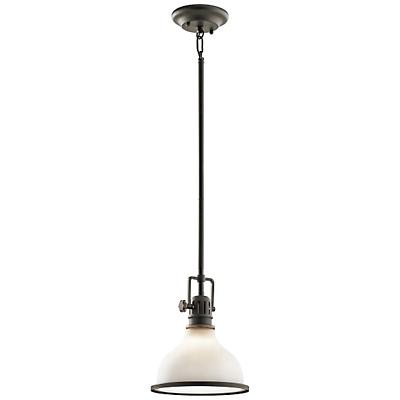

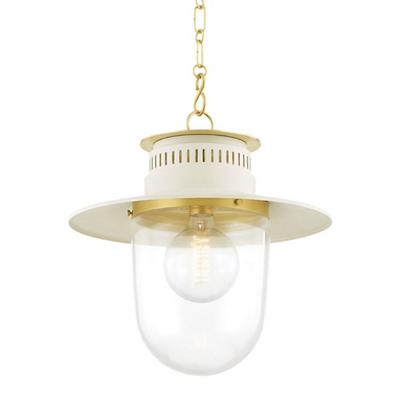
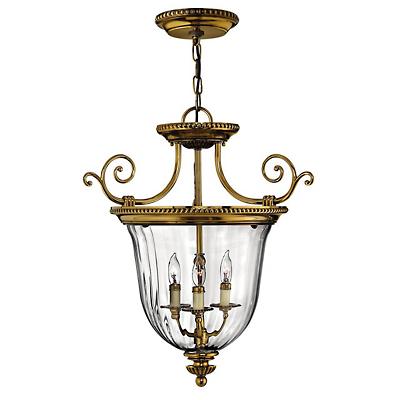
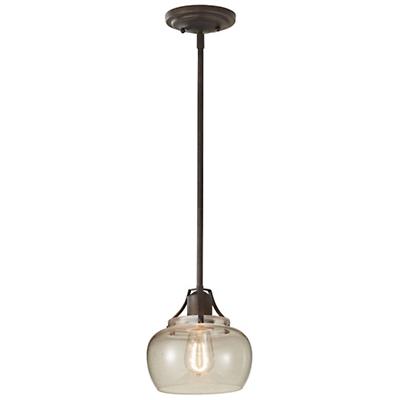
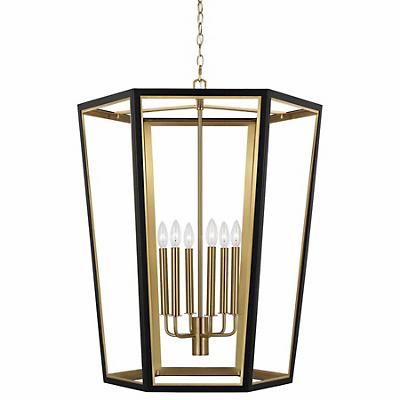
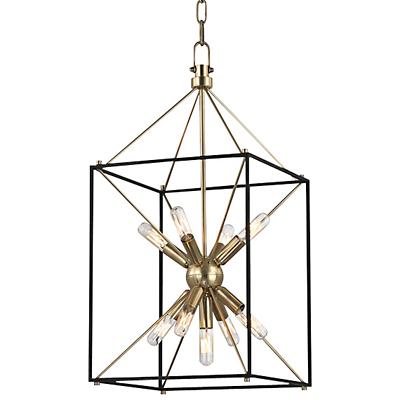
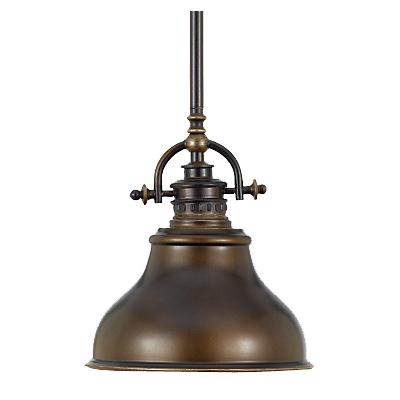
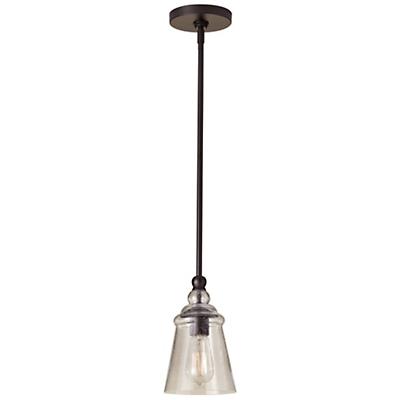
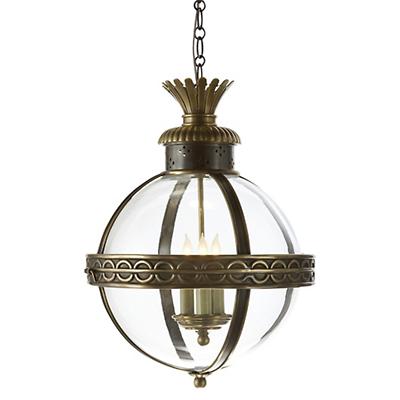
Pendant Lighting Explore
Classic & Traditional Pendant Lighting
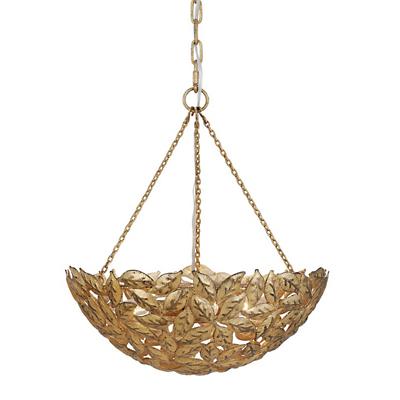
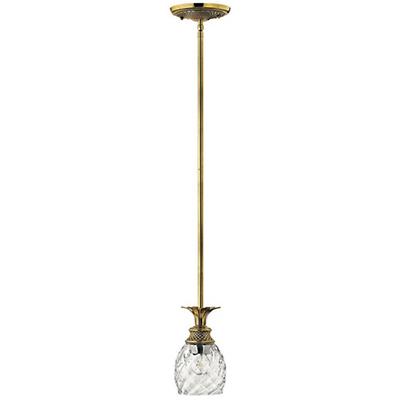
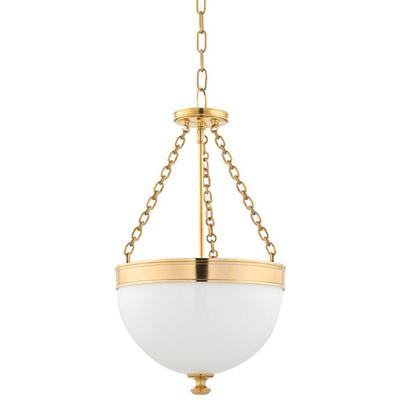
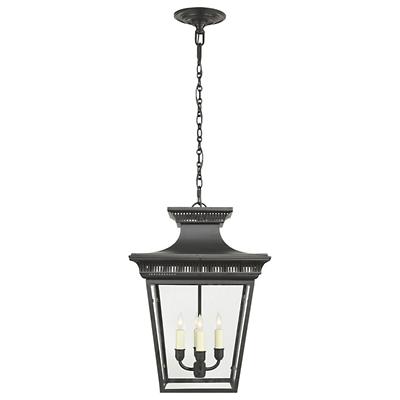
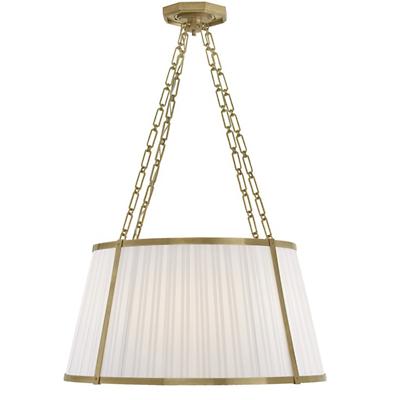
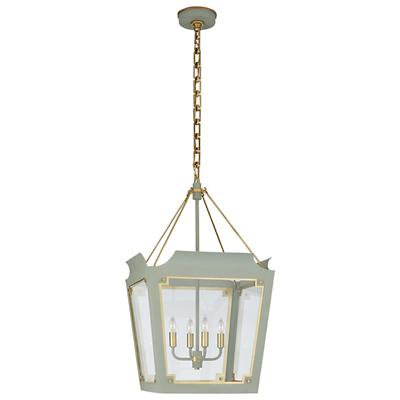
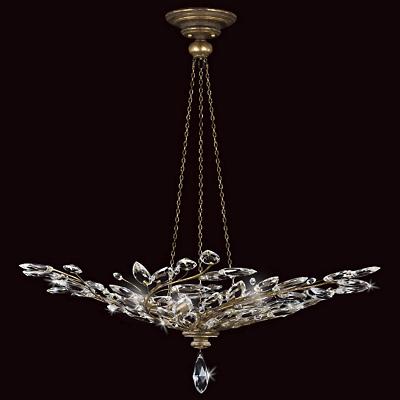
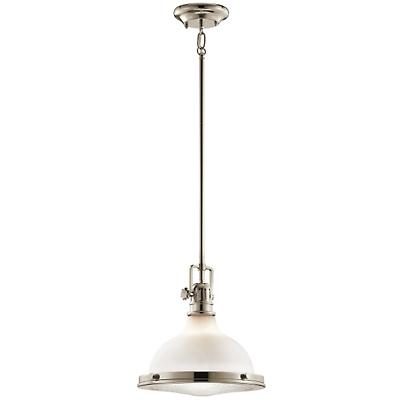
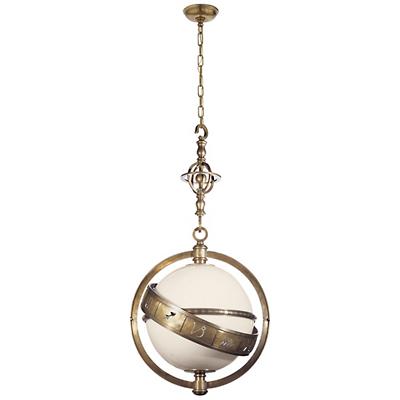
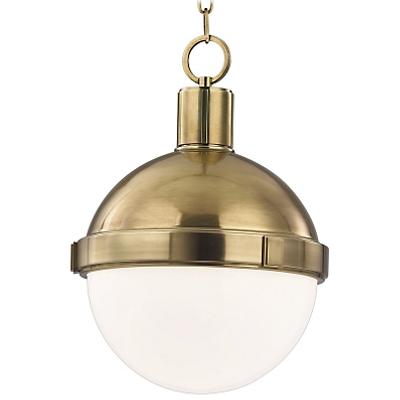
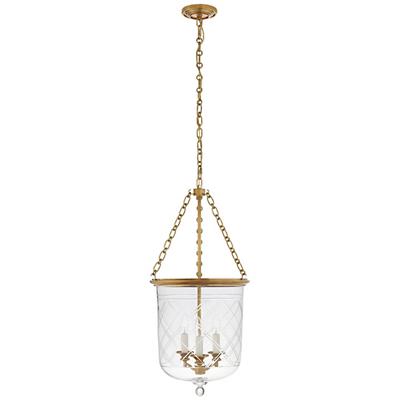
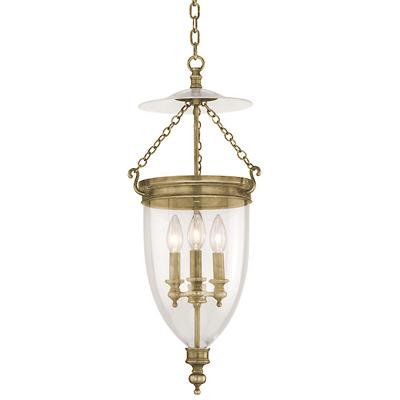
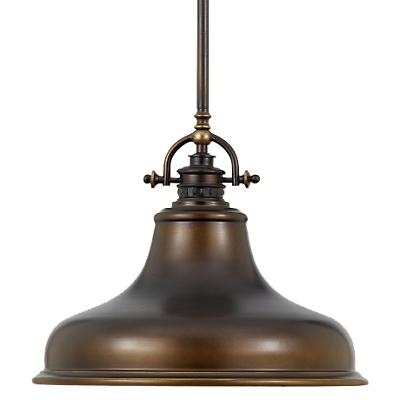
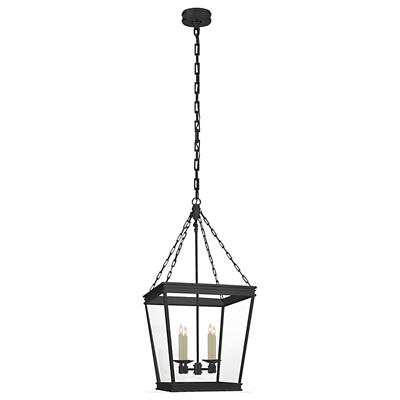
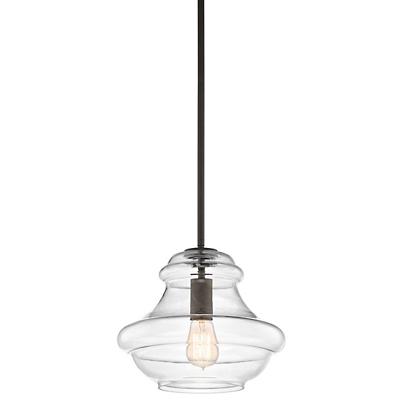
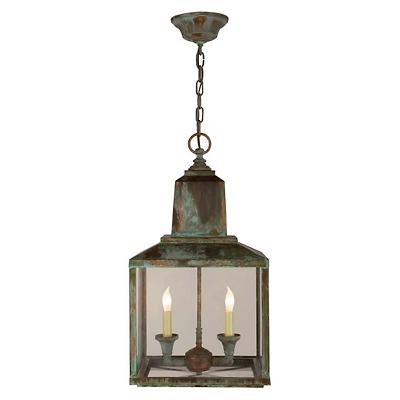
Classic and traditional pendant lighting brings enduring sophistication to modern homes. These fixtures honor heritage design—from Victorian-era details to schoolhouse silhouettes—while delivering the quality and craftsmanship today's spaces demand. At Lumens, our curated collection spans bell-shaped pendants , dome fixtures , and ornate lanterns in finishes like aged brass , polished nickel , and oil-rubbed bronze . Whether you need a single statement piece for a two-story foyer or multiple pendants for a kitchen island , this range balances vintage charm with contemporary function.
Understanding Classic & Traditional Pendant Lighting Styles
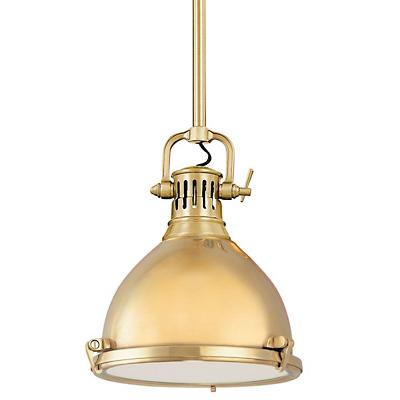
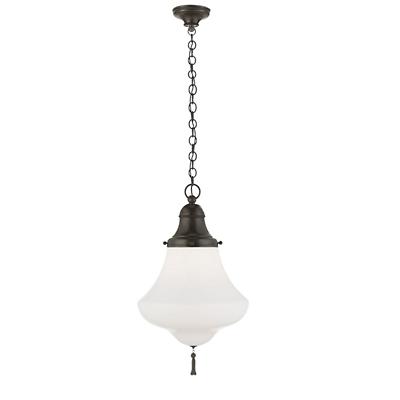
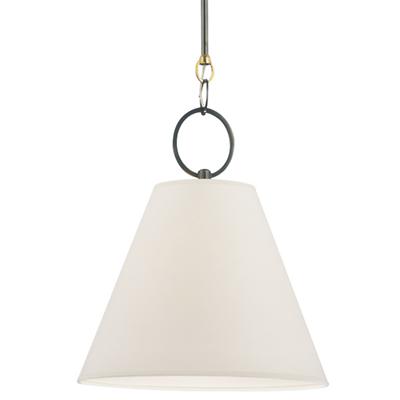
Classic and traditional pendant lighting evokes specific design eras—Victorian opulence, Art Deco geometry, or early 20th-century industrial forms. Key characteristics include complex metalwork, exposed hardware, and timeless shapes like cages , globes , and schoolhouse profiles . The Pelham Pendant by Hudson Valley Lighting exemplifies this aesthetic with its refined bell silhouette and antique detailing, available in multiple sizes. The Sloane Shop Pendant by Visual Comfort Signature offers both metal and linen shade options, demonstrating how traditional design adapts to varied interiors. These fixtures anchor a room's theme—essential when embracing period-inspired decor throughout your home.
Style Variations: From Art Deco to Farmhouse Elegance
Traditional pendant lighting spans multiple design movements, each suited to different spaces:
Victorian & Ornate:
• Complex metalwork, rich finishes, layered details—ideal for
dining rooms
and formal entryways
Schoolhouse & Industrial:
• Clean lines, thick metal, exposed bulbs—perfect for
kitchens
and casual spaces
Lantern Styles:
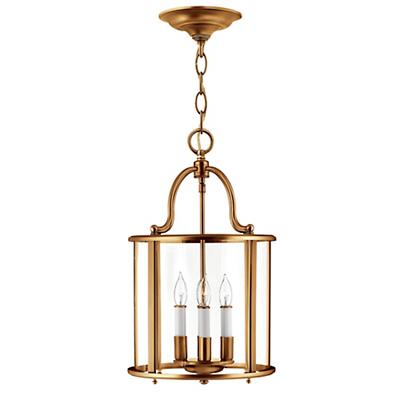
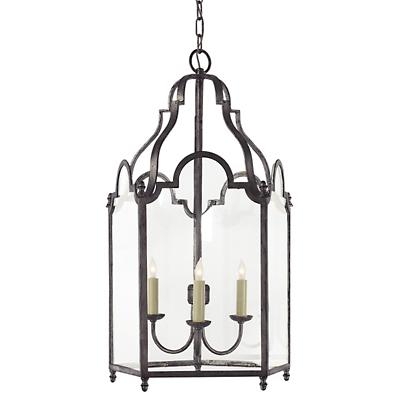
• Enclosed glass panels in cage-like frames—versatile for foyers,
covered patios
,
and transitional rooms
Art Deco Geometry:
• Streamlined forms with metallic accents—suits modern homes with vintage flair
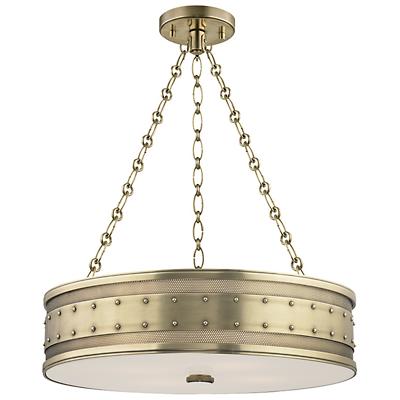
The Glendale Pendant Light by Hudson Valley Lighting showcases industrial heritage in several sizes, while the French Market Pendant by Visual Comfort Signature brings rustic farmhouse warmth. Mixing these styles requires careful curation—ensure other furnishings echo the same era to avoid visual discord.
Materials & Finishes: Choosing Timeless Metals and Glass
Material selection defines a traditional pendant's character and longevity:
Aged Brass & Antique Brass:
• Warm, lived-in patina that complements wood cabinetry and vintage textiles
Polished Nickel & Chrome:
• Bright, reflective surfaces for crisp, clean traditional spaces
Oil-Rubbed Bronze & Matte Black:
• Deep, matte finishes that ground ornate designs and add drama
Clear vs. Opal Glass:
• Clear glass maximizes light output;
opal or milk glass
diffuses glare for softer ambient glow
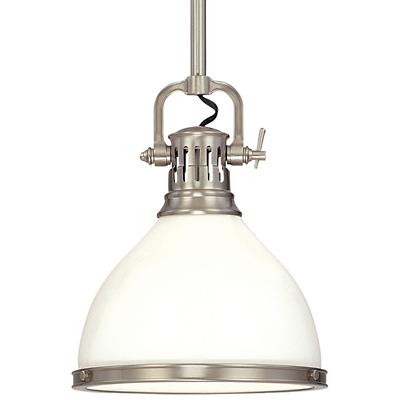
The Randolph Mini Pendant offers several metal finishes with optional glass patterns (plain, diamond-cut, star-cut), demonstrating how finish and texture variations personalize traditional designs. Match pendant finishes to cabinet hardware, faucets, and door pulls for cohesive interiors. For wet or damp locations like bathrooms and covered outdoor areas, verify ETL or UL wet/damp ratings—the Adair Outdoor Pendant by Hinkley meets these standards without sacrificing style.
Sizing & Spacing: How Many Pendants for Your Kitchen Island?
Proper sizing ensures visual balance and adequate illumination:
Single Large Pendants (18"–24" diameter):
• Best over small islands (4–5 feet), round dining tables, or foyer centers
Two Medium Pendants (13"–16" diameter):
• Ideal for 6–7 foot islands or rectangular dining tables; space 24–30 inches apart
Three Pendants (10"–14" diameter):
• Common for 8–10 foot islands; maintain 30–36 inches between fixtures and 6–12 inches from island edges
For a two-story foyer, choose fixtures scaled to the ceiling height—18"–24" diameter pendants work for standard ceilings, while 24"–36" fixtures suit grand, double-height spaces. The Hampton Pendant by Hudson Valley Lighting offers small, medium, and large options with multiple glass patterns, simplifying cohesive multi-fixture installations. Measure your space before purchasing: pendant width should be one-third to one-half the width of the table or island beneath it.
Placement & Height: Avoiding Glare and Maximizing Function
Hang traditional pendants at these heights for optimal lighting:
Kitchen Islands & Countertops:
• 30–36 inches above the surface for task lighting without head bumps
Dining Tables:
• 30–34 inches above the table for ambient glow that doesn't obstruct sightlines
Foyers & Entryways:
• Bottom of fixture at least 7 feet from the floor to allow clearance
For sloped or vaulted ceilings, select fixtures with sloped ceiling adaptable canopies. The Keating Pendant by Hinkley and Milton Road Pendant by Visual Comfort Signature both accommodate angled mounting. Use dimmers to adjust light levels from bright task lighting to soft ambient glow. At a 2700K warm white color temperature, traditional pendants create inviting, cozy atmospheres ideal for dining and living areas.
Lighting Technology: LED vs. Incandescent for Traditional Fixtures
Most traditional pendants accommodate multiple bulb types:
LED:
• Energy-efficient, long-lasting, and available in warm color temperatures (2700K–3000K) that mimic incandescent glow
Incandescent:
• Classic warm light quality and fully dimmable, with higher energy consumption and shorter lifespan
Halogen:
• Crisp white light with excellent color rendering and moderate energy use
For task lighting over kitchen islands, aim for approximately 800–1,100 lumens per pendant (similar to a 60–75W incandescent). Ambient dining room lighting in an average space can be achieved with multiple medium pendants providing layered illumination. The Baskin Dome Pendant by Visual Comfort Studio offers incandescent, Edison, and LED options, allowing you to choose based on your priorities. Modern LED technology delivers authentic warm tones (around 2700K) that honor traditional aesthetics while significantly reducing energy costs.
Value & Quality: When to Invest in Premium Traditional Lighting
Traditional pendant lighting ranges from accessible to luxury, with quality markers including:
Entry-Level:
• Fixtures with simpler metalwork and standard finishes—suitable for guest rooms and secondary spaces
Mid-Range:
• Better materials, multiple finish choices, and refined detailing—the
Jolie Pendant
exemplifies this tier
Premium:
• Hand-applied finishes, customizable options, elevated glasswork, and superior light quality
Heirloom-Level:
• Designer collections like Visual Comfort Signature, artisanal details, and construction intended to last for decades
Invest in premium fixtures for high-visibility areas (kitchen islands, dining rooms, foyers) where lighting serves as a focal point. The Darcy Large Pendant and Lana Pendant offer hand-blown glass and museum-quality finishes that justify a higher investment. For secondary spaces, well-designed mid-tier options deliver style without overspending. Many traditional pendants are built to contract-grade standards, ensuring durability for both residential and commercial applications.
Bringing It All Together: Your Classic Pendant Lighting Collection
Classic and traditional pendant lighting transforms ordinary rooms into spaces with character and history. The collection spans bell shapes , cages , domes , and lanterns in finishes from antique brass to polished nickel . Whether you're illuminating a kitchen island , dining table, or grand entryway, these fixtures blend heritage design with modern performance. Explore brands like Hudson Valley Lighting , Visual Comfort Signature , and Hinkley to find the perfect balance of timeless style and contemporary function.
See the full pendant lighting collection for thoughtfully crafted fixtures that elevate any space.
Pendant LightingFrequently Asked Questions
Are pendant lights in style?
Yes, pendant lights remain a stylish and versatile lighting option. Modern designs, such as minimalist metal pendants, glass globes, and geometric shapes, are particularly popular. They are widely used in kitchens, dining rooms, and entryways to add both functionality and aesthetic appeal.
Expert Tip: To keep your space on-trend, opt for pendant lights with integrated LED technology or customizable features like adjustable heights and dimmable settings.
How to choose a hanging light?
When choosing a hanging light, consider the size of the space, the fixture's purpose, and your decor style. For example, in a kitchen, select a pendant that provides focused task lighting over an island, while in a dining room, choose a statement piece that complements the table's size and shape.
Expert Tip: Use the "3:1 rule" for pendant sizing—divide the room's height by 3 to determine the ideal fixture height. For example, a 9-foot ceiling would suit a pendant around 3 feet tall.
What is the difference between a chandelier and a hanging light?
A chandelier is a type of hanging light that typically features multiple arms or branches with several light sources, often used for decorative purposes. A pendant light, on the other hand, is a single light fixture suspended from the ceiling, usually providing focused or task lighting.
Expert Tip: For a cohesive look, pair a chandelier with matching pendant lights in adjacent spaces, such as a dining room and kitchen.
Can you change the shades on pendant lights?
Yes, many pendant lights allow you to change the shades, offering flexibility to update the look of your fixture. However, this depends on the design—some pendants have fixed shades, while others are modular.
Expert Tip: If you enjoy refreshing your decor, look for pendant lights with interchangeable shades or universal fittings that accommodate a variety of styles.
What are the different types of pendant lights?
The main types of pendant lights include mini pendants, multi-light pendants, drum pendants, and globe pendants. Each type serves different purposes, from task lighting over kitchen islands to decorative accents in living areas.
Expert Tip: Multi-light pendants are ideal for larger spaces, as they provide even illumination and can be adjusted to suit the layout of the room.
How do I know what size pendant light I need?
To determine the right size for a pendant light, consider the room's dimensions and the fixture's purpose. For example, over a kitchen island, the pendant should be 1/2 to 2/3 the width of the island. In dining rooms, the fixture should be 12 inches narrower than the table on each side.
Expert Tip: For a balanced look, hang multiple smaller pendants in a row over long surfaces, spacing them evenly and ensuring they align with the room's proportions.
What colors do pendant lights come in?
Pendant lights come in a wide range of colors, from neutral tones like black, white, and bronze to bold hues like red, blue, and gold. The finish and color should complement your existing decor and create the desired ambiance.
Expert Tip: Matte finishes are great for modern, understated looks, while metallic finishes like brass or copper add a touch of luxury and warmth.
What is the correct height for pendant lights to hang?
The ideal height for pendant lights depends on their location. Over a kitchen island or dining table, hang the fixture 30-36 inches above the surface. In entryways or living rooms, ensure the bottom of the pendant is at least 7 feet above the floor to avoid obstructing movement.
Expert Tip: Use adjustable pendant lights to fine-tune the height after installation, ensuring the perfect balance of functionality and aesthetics.
What are the different shapes of pendant lights?
Pendant lights come in various shapes, including drum, globe, cone, cylinder, and geometric designs. The shape you choose should align with the room's style—for example, globe pendants suit modern spaces, while drum shades work well in traditional settings.
Expert Tip: Mix and match shapes in a multi-pendant setup for a dynamic, eclectic look that adds visual interest to your space.
What is a good wattage for a pendant light?
A good wattage for a pendant light depends on its purpose. For task lighting, aim for 75-100 watts (or equivalent lumens for LEDs). For ambient lighting, 40-60 watts is usually sufficient.
Expert Tip: If using LED bulbs, remember that they consume less wattage while providing the same brightness as incandescent bulbs. For example, a 10-watt LED can replace a 60-watt incandescent.
How do you put a dimmer on a pendant light?
To add a dimmer to a pendant light, you'll need a compatible dimmer switch and, in some cases, dimmable bulbs. Turn off the power, replace the existing switch with the dimmer, and connect the wires according to the manufacturer's instructions.
Expert Tip: Ensure your pendant light fixture and bulbs are dimmable before installing a dimmer switch. Non-dimmable LEDs or fixtures may flicker or fail to work properly with a dimmer.
