Modern Path Lighting & Driveway Lights
Designed to illuminate walkways, driveways, and garden paths, path lights enhance visibility while defining the landscape after dark. Their downward light creates a warm, welcoming atmosphere and helps guide the way with minimal glare.
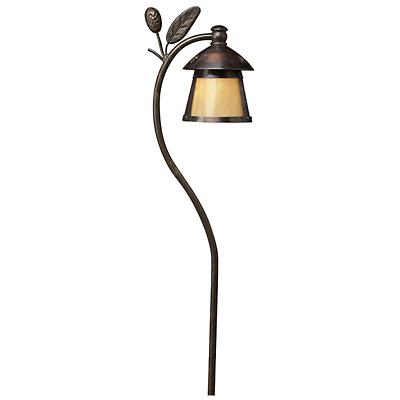
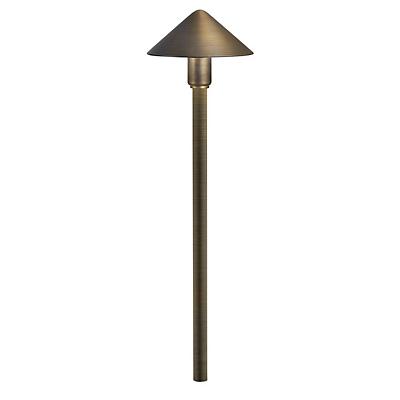

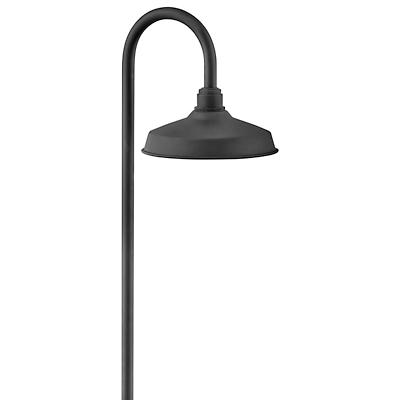
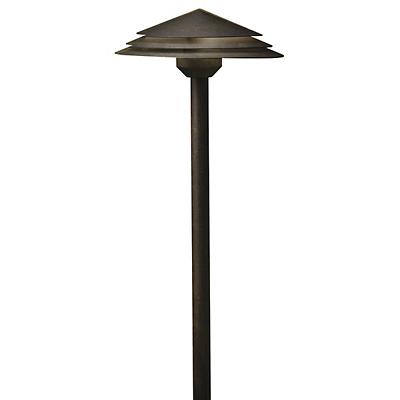
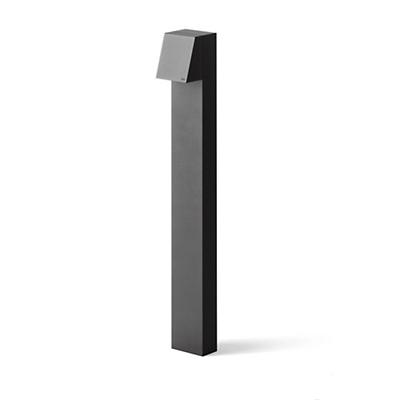
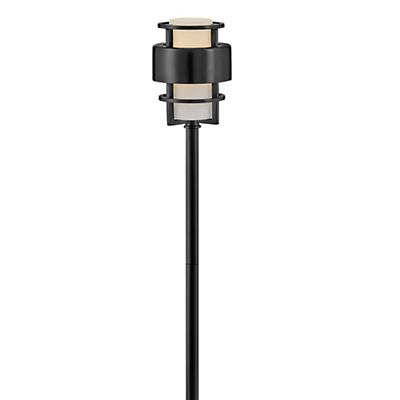
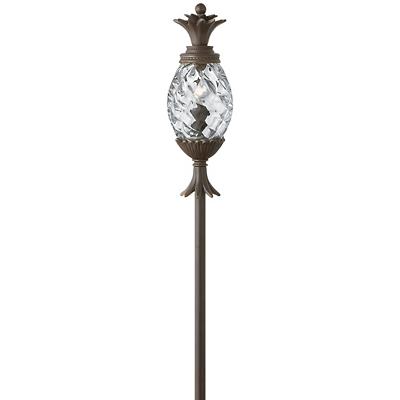
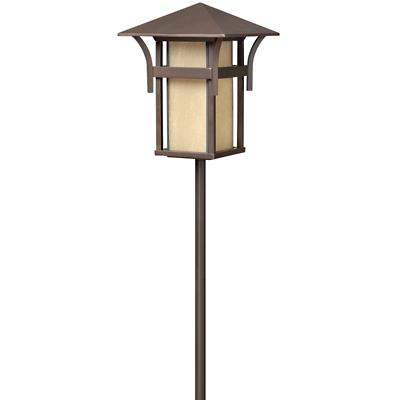
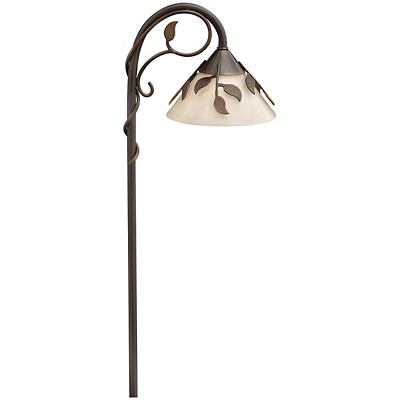

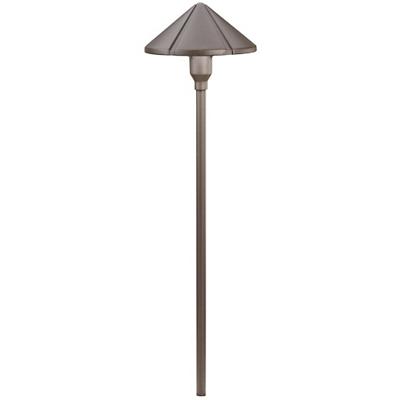
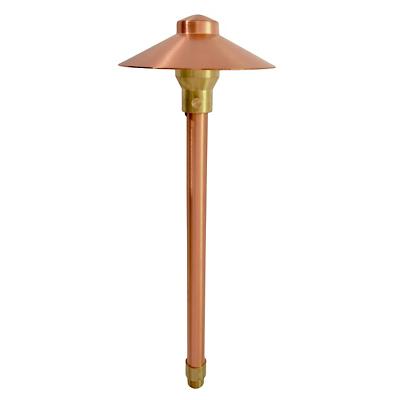
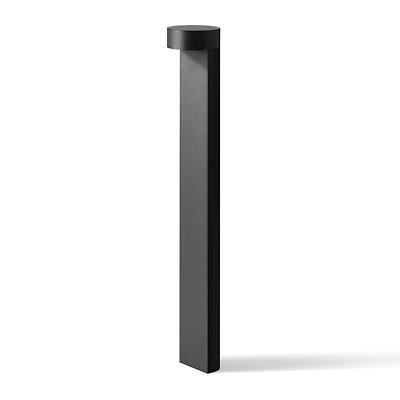
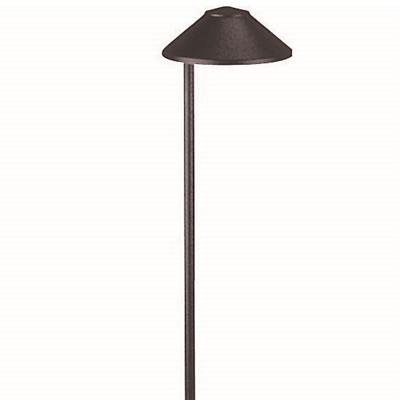
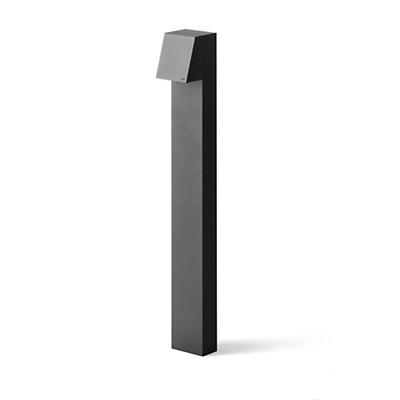
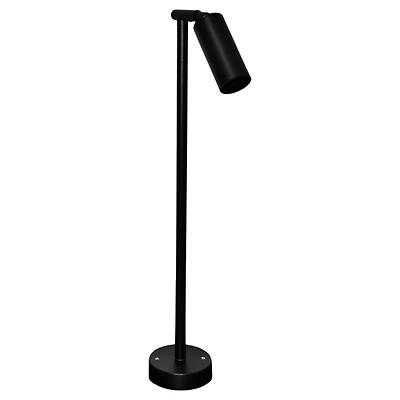
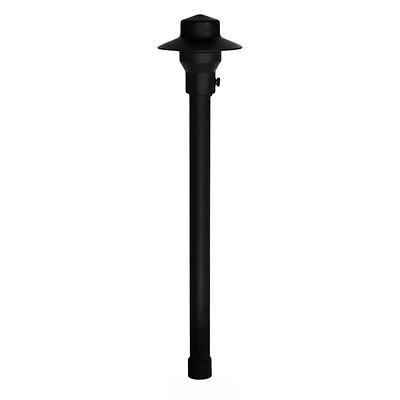

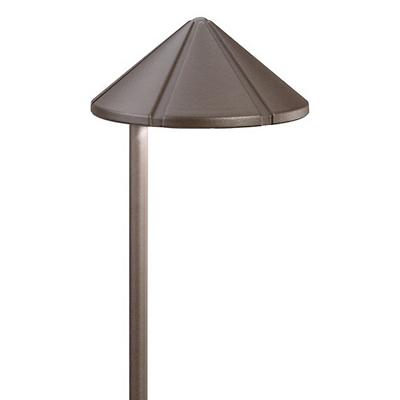
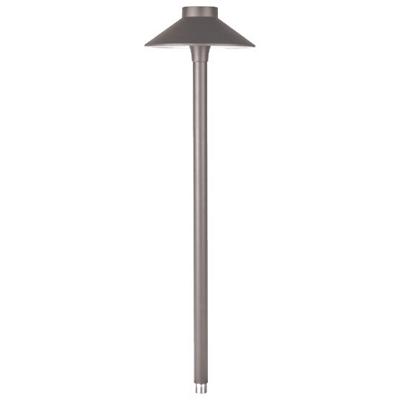

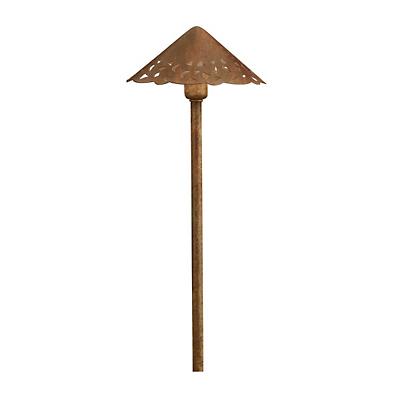
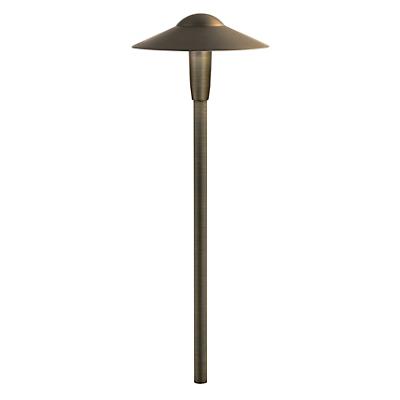
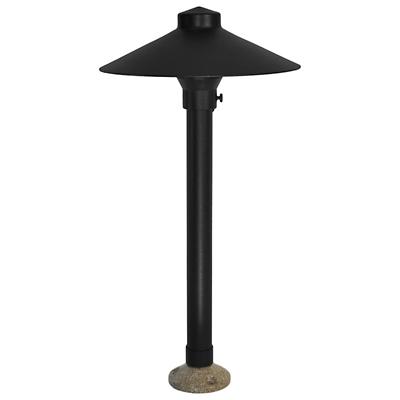
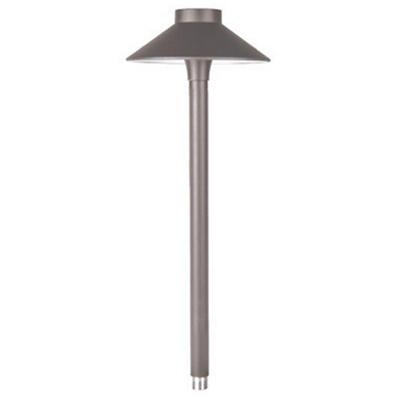
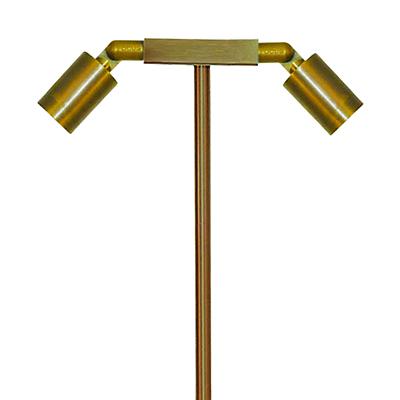
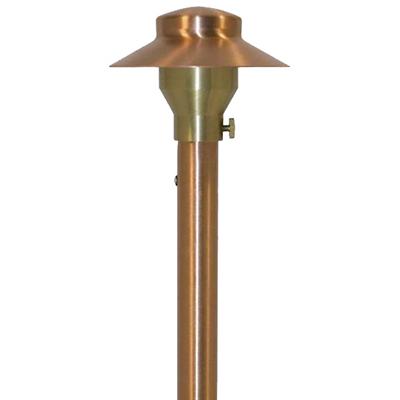
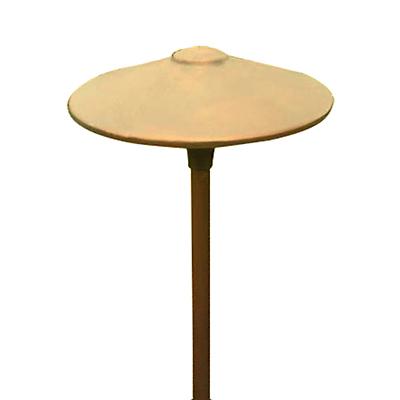
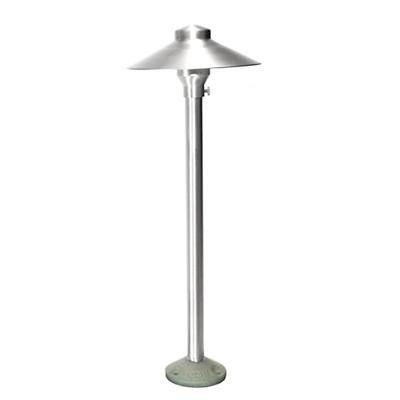
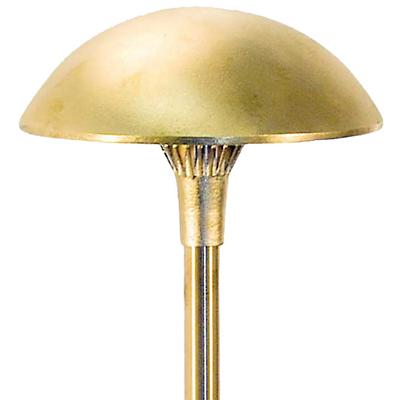
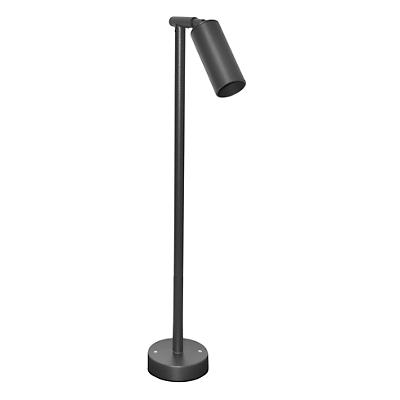
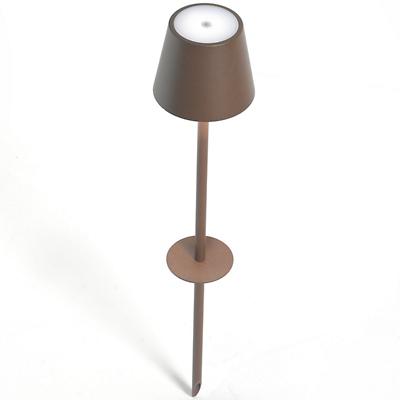
Path Lights Explore
Designed to illuminate walkways, driveways, and garden paths, path lights and outdoor driveway lighting enhance visibility while defining the landscape after dark. Their downward light creates a warm, welcoming atmosphere and helps guide the way with minimal glare.
Path Lights: Illuminate Your Outdoor Space with Style and Purpose
Path lights do more than guide your steps; they transform your landscape. As one of the most versatile and visually compelling types of outdoor lighting, path lights enhance safety, create ambiance, and bring structure to your exterior design. From flanking stone walkways to accentuating garden borders or lining the driveway, these discreet fixtures add both beauty and function to your outdoor space.
At Lumens, we believe that path lighting is more than practical; it's a purposeful design choice. The right path lights don't just light the way; they elevate your entire landscape, revealing texture, depth, and atmosphere with intention and artistry.
What Are Path Lights?
Path lights, also known as pathway lights, are low-profile outdoor lighting fixtures designed to gently illuminate walkways, driveways, garden beds, and architectural borders. By casting a soft, focused glow, they enhance nighttime visibility while adding depth, contrast, and elegance to your landscape.
Modern path lighting combines form and function, with most fixtures featuring long-lasting, energy-efficient LED technology. You'll find path lights available in a variety of configurations, including:
Low-voltage (12V) for safe, flexible installation
Line-voltage (120V) for high-output applications
Solar-powered options, including solar driveway lights, for easy, wire-free placement
From sculptural bollards to streamlined domes and minimalist silhouettes, today's path lights go far beyond basic illumination. They're a key design element, integrated into the overall aesthetic and rhythm of your outdoor environment.
Why Path Lighting Matters
No outdoor lighting plan is complete without the strategic placement of path lights. These fixtures provide both structure and softness, guiding movement while enhancing the natural beauty of your landscape. Thoughtfully installed path lighting does more than brighten walkways; it enriches the entire outdoor experience.
Here's why path lighting plays a crucial role in landscape design:
Safety & Navigation: Walkway lights and driveway lights improve visibility along paths, driveways, and steps to help prevent trips and falls.
Aesthetic Framing: Define the edges of lawns, garden beds, and hardscape features with elegant, low-level lighting.
Visual Continuity: Seamlessly connect key outdoor zones like patios, pathways, and side yards, creating a cohesive flow.
Mood & Atmosphere: Introduce a warm, inviting glow that enhances ambiance and brings your nighttime landscape to life.
Curb Appeal: A well-lit exterior not only adds beauty but also boosts the perceived value and refinement of your home.
When used with intention, path lights become more than functional; they support your design vision and invite people to experience your outdoor space long after sunset.
Types of Path Lights
Path lighting comes in a variety of styles, each designed to deliver specific lighting effects and aesthetic appeal. From classic forms to cutting-edge smart features, choosing the right type of path light allows you to tailor the look and feel of your outdoor space.
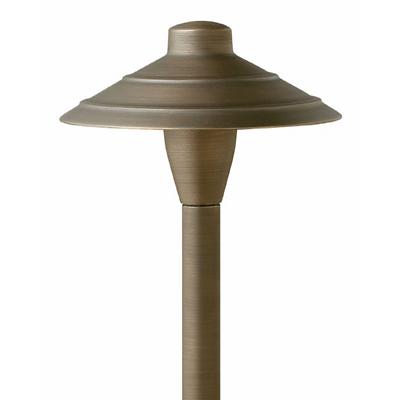
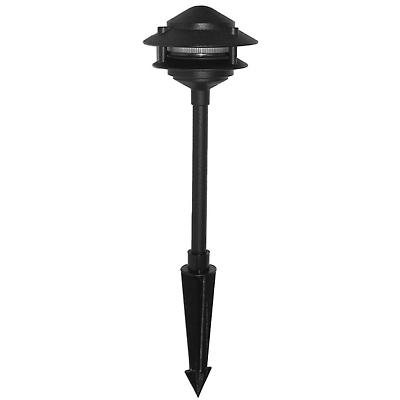
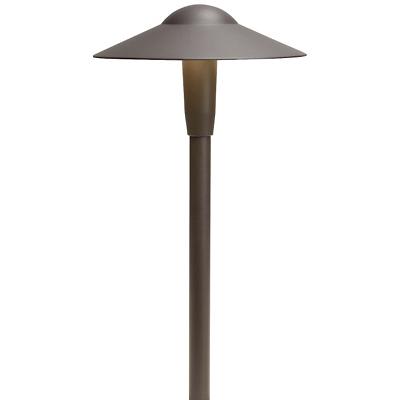
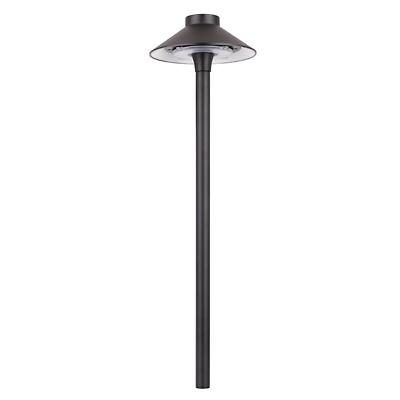
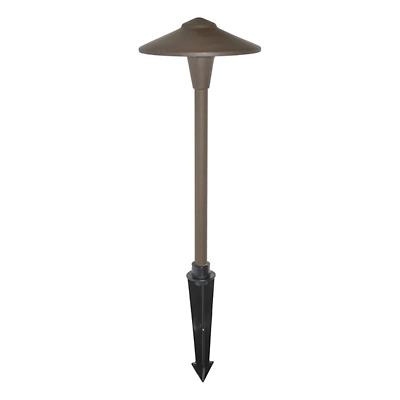
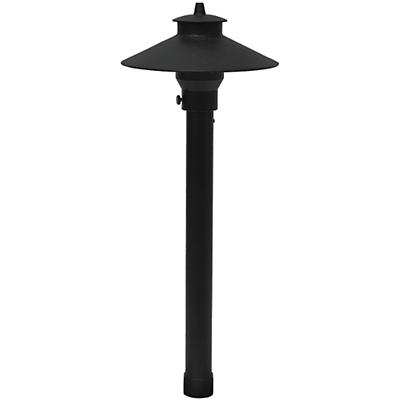
Area / Spread Lights: These popular fixtures, often shaped like mushrooms or hats, cast light downward in a wide, circular pattern, perfect for softly illuminating walkways, flower beds, and lawn edges.
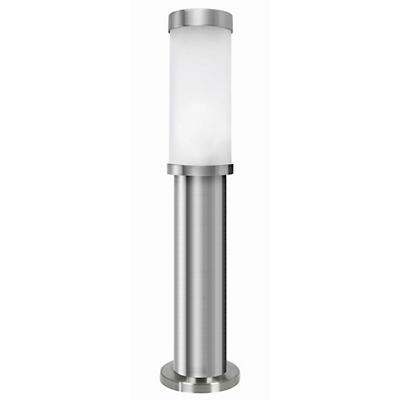
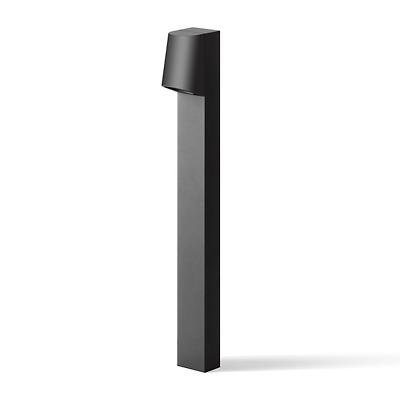
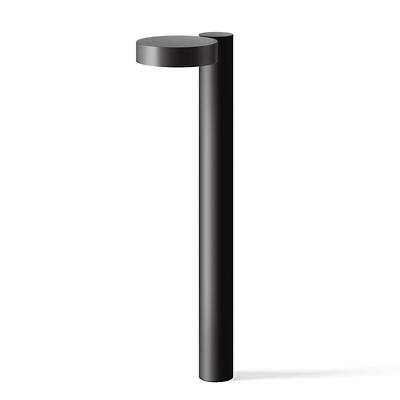
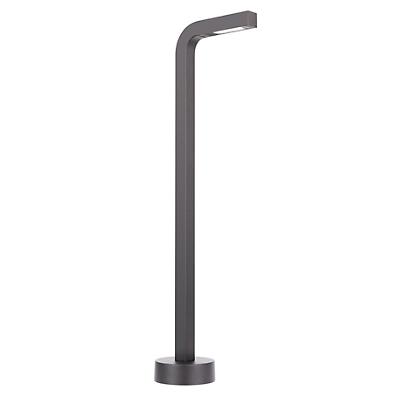
Bollard Lights: Tall, pillar-style lights with a sleek, architectural profile. Ideal for modern landscapes, they provide broader light coverage and visual impact.
Recessed / Flush Lights: Discreet fixtures installed into pathways, decks, or hardscape borders. They offer a clean, minimalist look while providing subtle, low-glare illumination.
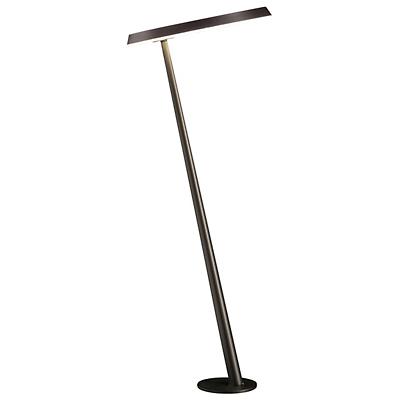
Modern Sculptural Path Lights: These artistic fixtures double as decorative garden elements during the day and striking illuminated accents at night, adding personality to any landscape design.
Smart & Solar Path Lights: Featuring motion sensors, dusk-to-dawn capabilities, or app-based controls, these options offer energy efficiency, convenience, and easy installation, with no wiring required. Solar powered walkway lighting is well-suited for low-effort placement in areas with consistent sun exposure; for shaded locations or more reliable performance, wired low-voltage systems remain the preferred choice.
Each style of path lighting brings its own character and functionality, giving you the flexibility to customize your landscape lighting from the driveway to the backyard.
Low Voltage Path Lighting
Low voltage path lights operate on a safe 12V system, making them a preferred choice for residential landscape path lighting. Unlike line-voltage (120V) fixtures that require direct wiring to your home's electrical system, low-voltage systems use a transformer to step down power, allowing for safer installation and more flexible fixture placement throughout your property.
Designers favor 12V path lighting for its energy efficiency, ease of repositioning, and the ability to layer multiple fixtures on a single run without excessive power draw.
Lumens curates low voltage path lights from Kichler, Hinkley, and WAC Lighting, brands trusted by professionals for durability, precision optics, and refined design.
Design & Performance Features to Consider
Choosing the right path lights is about more than just style; it's a balance of aesthetics, performance, and long-term durability. To ensure your outdoor lighting delivers both form and function, consider these essential features:
Material Durability: For lasting performance in all weather conditions, opt for high-quality materials like marine-grade aluminum, solid brass, copper, stainless steel, or high-density composite. These materials resist corrosion and wear over time.
Finish Options: Coordinate your fixtures with the rest of your landscape lighting. Popular finishes include matte black, architectural bronze, weathered brass, and brushed stainless steel for a cohesive, polished look.
Lighting Direction & Beam Angle: Select the appropriate beam spread based on your needs: narrow beams for targeted lighting, wide beams for ambient coverage, and shielded or directional designs to reduce glare and light pollution.
Brightness (Lumens): For general pathway lighting, aim for 100–200 lumens per fixture. For softer residential walkway lighting, 85–150 lumens often provides sufficient illumination while preserving ambiance. Adjust the output depending on fixture spacing, the surrounding landscape, and ambient light levels.
Color Temperature: Set the right mood with your lighting tone: 2700K–3000K for a warm, inviting glow; 3500K–4000K for cooler, contemporary brightness.
Spacing Strategy: Placement matters. For a clean, uniform look, space path lights every 5 to 8 feet. For a more natural, organic feel, stagger them along curves and plant beds to highlight textures and foliage.
Power Source & Voltage: Low-voltage (12V) is ideal for residential projects, safe, efficient, and easy to install; line-voltage (120V) suits commercial or high-output applications; solar-powered options are great for easy installations, though performance can vary with sun exposure.
By carefully considering these features, you'll ensure your path lights are not only visually appealing but also reliable, energy-efficient, and perfectly integrated into your outdoor lighting design.
Where to Use Path Lights
Path lights are among the most versatile elements in any landscape lighting design, offering both practical illumination and aesthetic enhancement. Thoughtful placement can transform your outdoor space, guiding movement, defining zones, and highlighting natural beauty.
Consider these key locations for path lighting:
Front Walkways & Driveways: Walkway lights and driveway lights, including outdoor driveway lighting, guide guests with evenly spaced fixtures that enhance safety and create a warm, welcoming entry experience.
Garden Beds & Plant Borders: Showcase textures, seasonal blooms, and ornamental grasses by outlining planting beds or shrub lines with soft, directional light.
Patios & Outdoor Living Areas: Use path lighting to frame the edges of patios, decks, or lounge spaces, helping to define zones and set the mood for evening gatherings.
Sloped or Tiered Landscapes: Increase safety and visibility on stairs, retaining walls, or terraced yards by incorporating path lights into multi-level transitions.
Water Features: Add drama and depth to ponds, fountains, or poolside areas. Low-profile fixtures near the water's edge create shimmering reflections and visual interest.
When thoughtfully placed, path lights do more than illuminate; they quietly guide, frame, and elevate the overall narrative of your outdoor environment.
Path LightsFrequently Asked Questions
What are path lights and what do they do?
Path lights, also called pathway lights, are low-profile outdoor fixtures that gently illuminate walkways, driveways, garden beds, and architectural borders. They cast a soft, focused glow that improves nighttime visibility while adding depth, contrast, and elegance to the landscape.
Expert Tip: The best path lighting is often the light you notice but the fixture you don't. Pros aim for pools of light on the ground rather than a runway of glowing bulbs—if you can see the lamp source from your front door, the fixture is either too tall, unshielded, or aimed wrong.
How far apart should path lights be spaced?
A general guideline is to space path lights every 5 to 8 feet, depending on each fixture's brightness and beam spread. For a clean, uniform appearance, keep the spacing consistent; for a more natural, organic feel, stagger fixtures along curves and plant beds to highlight textures and foliage.
Expert Tip: Rather than measuring first and placing lights after, start at the points that matter—entryways, bends, steps—then fill in between them to create a natural rhythm. And resist the "landing strip" of evenly spaced lights lining both sides of a walk: staggering fixtures on alternating sides lets the light pools overlap, which reads as continuous illumination while using fewer fixtures.
How bright should path lights be, and what color temperature is best?
Aim for roughly 100–200 lumens per fixture for general pathway lighting, or 85–150 lumens for softer residential walkways. For color, 2700K–3000K delivers a warm, inviting glow well suited to residential settings, while 3500K–4000K gives a crisper, more contemporary brightness suited to modern or commercial spaces.
Expert Tip: Keep one color temperature consistent across the whole property—mixing warm and cool fixtures is the fastest way to make a professionally installed system look like a piecemeal hardware-store job. Warmer 2700K also tends to render plantings and natural stone more flatteringly than cooler tones, which can make greenery look gray at night.
Are solar path lights a good choice?
Solar and smart path lights offer easy, wire-free installation and energy efficiency, but they typically deliver lower brightness and shorter runtimes than wired LED systems, especially in shaded or low-sun areas. For reliable, all-weather performance on main walkways, wired low-voltage systems remain the preferred choice; solar suits decorative or secondary areas well.
Expert Tip: A solar fixture's panel matters more than its lamp—cheap panels degrade and the rechargeable cells typically need replacing every one to three years, which is why solar rarely holds up through the coldest, shortest-daylight months. Placement is everything: a panel under tree canopy or afternoon shade will underperform even in an otherwise sunny yard.
What materials and finishes hold up best outdoors?
Choose high-quality, corrosion-resistant materials such as marine-grade aluminum, solid brass, copper, stainless steel, or high-density composite for lasting performance in all weather. Popular coordinating finishes include matte black, architectural bronze, weathered brass, and brushed stainless steel.
Expert Tip: Solid brass and copper are the insider's long-game choice—they develop a living patina and won't flake like painted or powder-coated aluminum once the coating chips. Near pools or the coast, avoid most standard aluminum entirely, as chlorine and salt air pit it quickly, whereas brass and copper actually age better in those environments.
Which types of path lights should I choose for my space?
The main types are area/spread ("mushroom" or "hat") lights for wide, downward coverage on walkways and beds; bollard lights for a taller, architectural profile with broader coverage in open areas and driveways; recessed/flush lights for a minimalist, low-glare look; sculptural fixtures that double as daytime decor; and smart/solar options with sensors and app controls. Each brings its own character and function, letting you tailor the look from driveway to backyard.
Expert Tip: Match the fixture height to what you're lighting, not to a catalog photo—spread lights around 18–24 inches suit low borders and walks, while bollards belong along driveways and wider zones where their height won't shine directly at eye level. Mixing two or three types intentionally, such as a few bollards at the drive paired with spread lights along the path, usually looks more designed than repeating a single fixture everywhere.
Where in my yard will path lights have the most impact?
High-impact locations include front walkways and driveways for safe, welcoming entry; garden beds and plant borders to showcase textures and blooms; patio and outdoor living areas to define zones; sloped or tiered landscapes like stairs and retaining walls for safety; and near water features to create shimmering reflections.
Expert Tip: Prioritize transitions and grade changes—steps, the edge of a driveway, and where a path curves are where people actually stumble, so light those first before decorative accents. A single low fixture aimed across the face of a step is far safer and more elegant than a bright light glaring down onto it.
Can I install path lights myself?
Many low-voltage and solar path lights are well suited to homeowner installation. With the right transformer, connectors, and planning, the process is straightforward, though a licensed electrician is recommended for any line-voltage (120V) work.
Expert Tip: Map out your layout before starting, plan cable runs with extra slack for future additions, and place your transformer in an accessible, protected location for easy adjustments down the road.
Are LED path lights dimmable?
Some LED path lights are dimmable, particularly when paired with compatible transformers, drivers, or smart lighting systems. Always verify the product specifications before assuming compatibility.
Expert Tip: Dimming adds versatility and ambiance to an outdoor space. Pair dimmable fixtures with smart controls or a dimmable power supply for the most refined, adaptable result.