Transitional Modern Nightstands & Bedside Tables












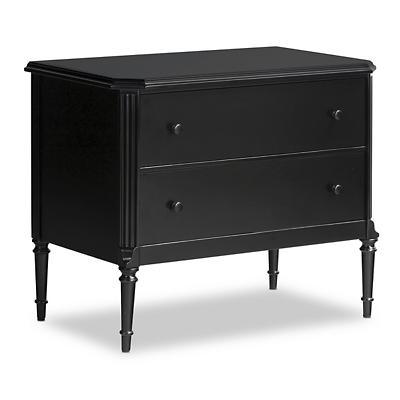

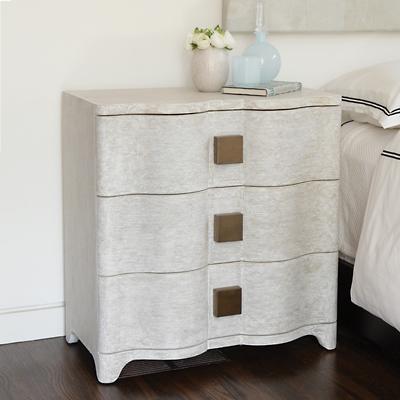


Nightstands & Bedside Tables Explore
Transitional Nightstands
Transitional nightstands represent the perfect marriage of traditional craftsmanship and modern sensibility—furniture that feels both familiar and fresh. These versatile bedside tables blend clean lines with warm materials, offering the functional storage you need without committing to a single design era. From the refined simplicity of the Trey Nightstand in Auburn Poplar to the architectural presence of the Odette Nightstand with White Statuario marble, our curated collection delivers over 60 options that work seamlessly with existing bedroom furniture while elevating your personal sanctuary.
Understanding Transitional Nightstands: The Best of Both Worlds
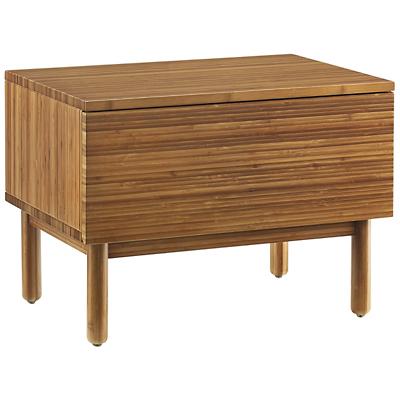
Transitional style nightstands skillfully balance ornamental detail with streamlined forms. They typically feature mixed materials—wood paired with metal hardware, marble tops on wooden bases, or fabric-wrapped exteriors with brass accents—creating visual interest without overwhelming a space. The Paden Nightstand exemplifies this approach with its Seasoned Brown Acacia construction and subtle metal detailing. These pieces work equally well alongside a sleek platform bed or a more traditional upholstered frame, making them ideal for evolving interiors. Unlike purely modern nightstands with stark minimalism or heavily carved traditional pieces, transitional designs offer approachable sophistication that ages gracefully.
Transitional Nightstand Style Variations & Design Options
Our collection spans multiple interpretations of transitional design:
• Contemporary Transitional: The Suki Large Nightstand in Burnished Black features clean geometry with refined proportions
• Organic Transitional: Amber Lewis x Four Hands Bush Nightstand brings weathered oak textures and relaxed silhouettes
• Luxe Transitional: The Kaipo Nightstand by Currey & Company incorporates artisanal details with sophisticated materials
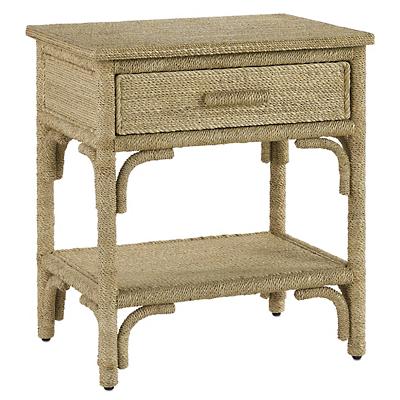
• Coastal Transitional: Olisa Rope Nightstand wraps natural rope around a classic form
Each variation maintains the transitional philosophy while expressing distinct personality, allowing you to match your specific aesthetic preferences.
Materials & Finishes for Transitional Nightstands
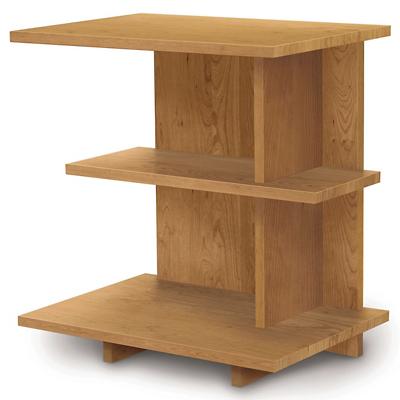
Material selection defines character in transitional nightstands. Solid wood options like the Mansfield Nightstand from Copeland Furniture showcase natural cherry, walnut, and maple with hand-applied finishes that develop patina over time. Wood veneer alternatives provide pattern consistency and price accessibility without sacrificing durability—the Stella Nightstand in Hazel Oak Veneer demonstrates this beautifully. Marble-top designs like the Odette add immediate luxury and are surprisingly practical; sealed marble resists water rings better than unfinished wood. Fabric-wrapped options such as the Amelia Nightstand in Black Linen or Dark Green Lacquered Linen introduce soft texture. Finishes range from light natural oak to deep smoke cherry, with mid-tone walnut and dove gray offering maximum versatility for pairing with existing furniture and flooring.
Sizing Your Transitional Nightstand: Height, Width & Proportion
Proper nightstand height places the top surface within 1–2 inches of your mattress top—typically 24–28 inches for standard beds. The Belmont Nightstand offers both small and large sizes to accommodate different bed heights and room scales. For queen beds, nightstands between 20–24 inches wide provide adequate surface area without overwhelming the space; king beds can accommodate wider pieces like the Suki Large at 30 inches. In tight quarters, consider the compact Celine Nightstand at 19.75 inches wide, or wall-mounted floating designs that preserve floor space. Three-drawer configurations like the Modern Mood Three Drawer Nightstand provide maximum storage for smaller bedrooms where a separate dresser won't fit.
Storage Solutions: Drawers, Shelves & Smart Organization
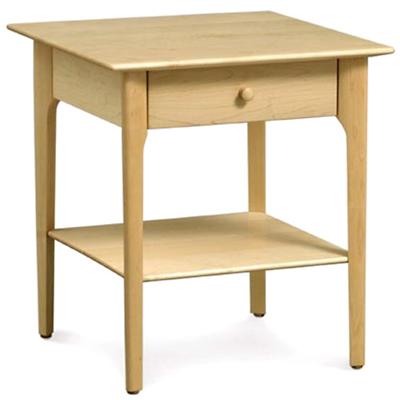
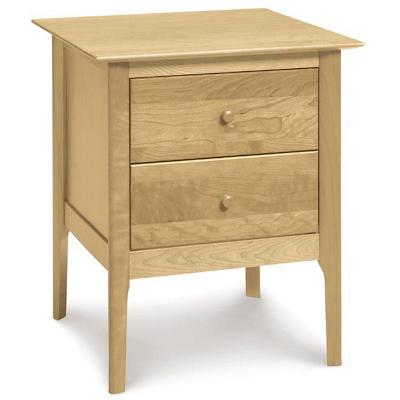
Storage needs determine nightstand functionality. Single-drawer designs offer minimal bedside essentials storage while maintaining clean lines—ideal for minimalists. Two-drawer options like the Sarah 2 Drawer Nightstand balance accessibility with capacity for books, medications, and electronics. Three-drawer configurations maximize vertical storage in compact footprints. Open shelves provide display space and easy access but require intentional styling. Consider cord management features: some transitional nightstands incorporate discreet cable routing or back panel cutouts for charging devices without visible wires cluttering your bedside. The Kiran Nightstand combines closed drawer storage with an open lower shelf, offering versatile organization options.
Pairing Transitional Nightstands with Different Bed Styles
Transitional nightstands adapt to various bed frames seamlessly. With modern platform beds, choose pieces that echo the bed's clean lines while adding warmth through wood tones—the Amber Lewis x Four Hands Mott Nightstand in Worn Oak complements contemporary frames beautifully. Traditional upholstered beds pair well with transitional nightstands featuring subtle curves or mixed materials like the Auburn Nightstand with Antique Brass and Black. Mid-century beds benefit from transitional pieces with tapered legs and walnut finishes. Mixing two different nightstands creates intentional asymmetry—pair complementary finishes or vary heights slightly while maintaining similar visual weight. Left versus right orientation matters when one nightstand sits against a wall or near a door swing; the Mansfield Nightstand offers specific left and right configurations to accommodate drawer clearance.
Shopping Transitional Nightstands: Quality, Value & Selection
Quality transitional nightstands under $1,000 offer excellent value—the Trey Nightstand at $699 delivers solid poplar construction in three finishes. Mid-range options ($1,000–$1,500) like the Cascade Two-Drawer Nightstand provide premium materials and superior joinery. Investment pieces above $1,500 feature hand-crafted details and heirloom-quality construction. Our collection from Four Hands, Hooker Furniture, Currey & Company, and Sunpan ensures access to designer-quality furniture at multiple price points. Consider longevity when evaluating cost—solid wood nightstands with dovetail drawer construction and quality hardware outlast particleboard alternatives by decades.
Transform Your Bedroom with Perfectly Balanced Nightstands
Transitional nightstands provide the functional foundation and aesthetic flexibility your bedroom deserves. Whether you're drawn to the organic textures of the Hermosa Nightstand, the architectural sophistication of the Ciao Bella Telephone Table Nightstand, or the understated elegance of the Westlake Nightstand, our curated selection offers 66 options that bridge timeless and contemporary.
Discover the perfect bedside table whether furnishing a minimalist studio or a sprawling primary suite.
Nightstands & Bedside TablesFrequently Asked Questions
Are nightstands lower than beds?
Ideally, nightstands should be level with or slightly higher or lower (by 2-4 inches) than the top of your mattress. This height ensures easy access to bedside essentials and creates visual harmony in your bedroom.
Expert Tip: The perfect nightstand height matches your mattress height when you're sitting up in bed. Test this by sitting on your bed and resting your arm comfortably - your nightstand surface should be at elbow height for optimal usability.
How do you pick a nightstand color?
Select a nightstand color that complements your existing décor and furniture. Matching nightstands to the bed frame or bedroom set offers a cohesive look, while contrasting colors add visual interest and personality.
Expert Tip: Create depth in your bedroom by choosing nightstands one shade darker or lighter than your bed frame. For bold beds (navy, black), try neutral nightstands with metallic hardware that picks up other room accents.
Do people still use end tables?
Yes, end tables remain popular in modern interiors. They offer practical storage and display space in living rooms, bedrooms, and family rooms, complementing other furniture pieces and enhancing convenience.
Expert Tip: Modern end tables are evolving with built-in USB ports and wireless charging pads. In bedrooms, they work well as secondary surfaces when placed opposite a traditional nightstand, especially in rooms with reading chairs.
What is kept in a sideboard?
Sideboards typically store dining essentials like dishes, glassware, table linens, and serving utensils. However, in a bedroom, a sideboard can function similarly to a dresser, storing clothing or personal items.
Expert Tip: When using a sideboard as a bedroom storage piece, outfit deep drawers with dividers for folded sweaters or scarves. The top surface becomes perfect for displaying perfume collections or jewelry boxes with everyday accessories.
Do you always need two nightstands?
Two nightstands provide symmetry, balance, and additional storage, making them ideal for shared or larger bedrooms. However, using just one nightstand works well in smaller spaces or asymmetrical room layouts.
Expert Tip: In small bedrooms, replace one nightstand with a wall-mounted shelf or narrow console table behind the door. This maintains functionality while saving 18+ inches of precious floor space.
What are the different types of nightstands?
Nightstands come in various styles, including open-shelf nightstands, drawer nightstands, cabinet nightstands, and multifunctional bedside tables with integrated charging stations. Each type offers distinct benefits for storage and convenience.
Expert Tip: Open-shelf nightstands visually expand small rooms, while closed storage models hide medications or sleep aids. For small spaces, consider a floating nightstand with just 12" depth - it leaves room to walk but still holds essentials.
What is the average size of a bedroom nightstand?
Typical nightstand dimensions range from 20–28 inches tall, 18–24 inches wide, and 16–20 inches deep. Selecting the right size ensures convenient accessibility and balanced aesthetics in your bedroom.
Expert Tip: Proportion matters most - your nightstand should be roughly the same width as your bed's arm (if visible) or about 1/3 of your bed's total width. For king beds, this often means 24" wide nightstands.
What is the best nightstand height?
The ideal nightstand height aligns with the top of your mattress or is within a few inches above or below it (generally between 24–28 inches). This height offers comfortable access while in bed.
Expert Tip: Adjustable bed owners should choose nightstands 2" lower than their highest mattress position. Platform beds often need taller nightstands (28-30") while canopy beds look best with lower profiles (22-24").
What is the best material for a nightstand?
Wood is a classic, durable choice for nightstands, offering long-lasting quality and timeless appeal. Metal or glass materials suit contemporary aesthetics, while engineered wood or MDF provides budget-friendly durability.
Expert Tip: Solid wood tops resist water rings from drinks, while metal bases simplify cleaning in tight spaces. For children's rooms, consider wipeable lacquered finishes that handle stickers and markers.
What is the best color for a nightstand?
Neutral shades like white, black, gray, or natural wood finishes are popular for nightstands, as they complement various bedroom styles and color palettes. Accent colors can add personality and visual contrast.
Expert Tip: Light-reflecting colors (white, pale gray) make small bedrooms feel larger when used on nightstands. In dark rooms, try a nightstand with a mirrored front to bounce light around.
What do you put on the bottom shelf of a nightstand?
The bottom shelf of a nightstand is ideal for items you use less frequently, such as books, magazines, decorative storage boxes, or personal items neatly arranged for accessibility and visual appeal.
Expert Tip: Use the bottom shelf for next-day essentials - lay out folded clothes, pack your work bag, or place a tray with morning vitamins and a water carafe to streamline your routine.