Modern Landscape Lighting
Thoughtfully designed landscape lighting extends outdoor living into the evening, highlighting architecture, guiding movement, and creating a layered interplay of light and shadow. From pathways to patios, the right lighting enhances ambiance, elevates the landscape, and adds safety after dark.
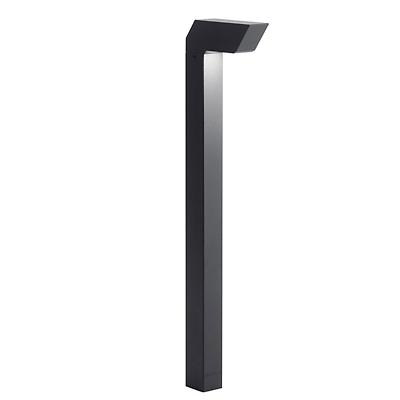
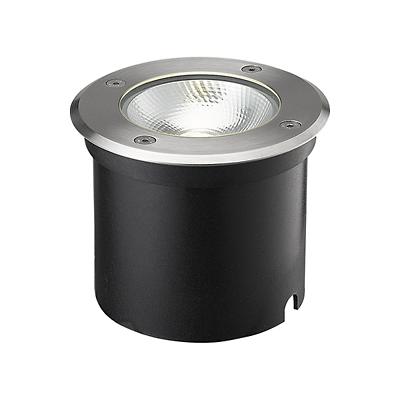
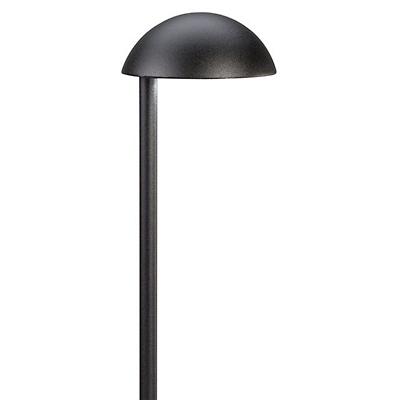
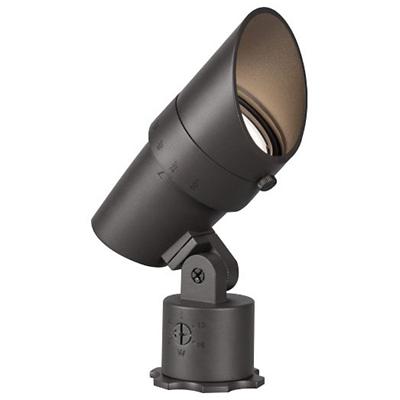
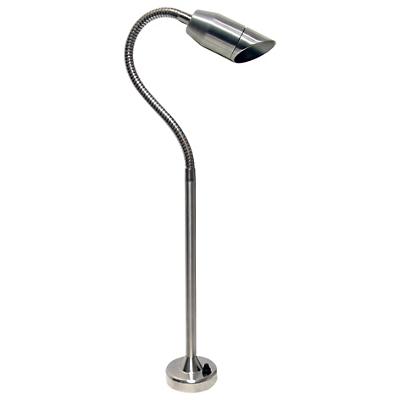
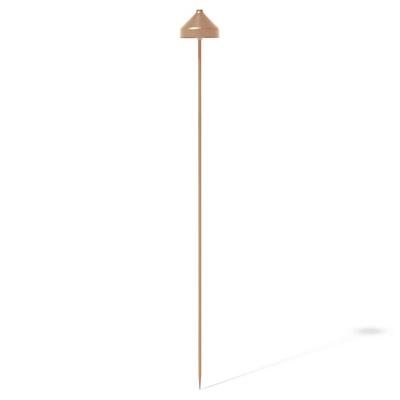

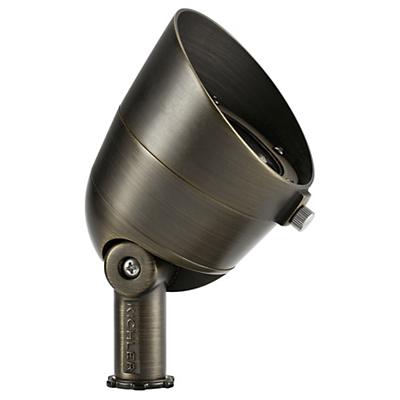
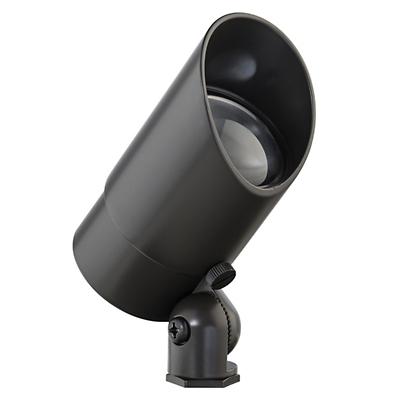
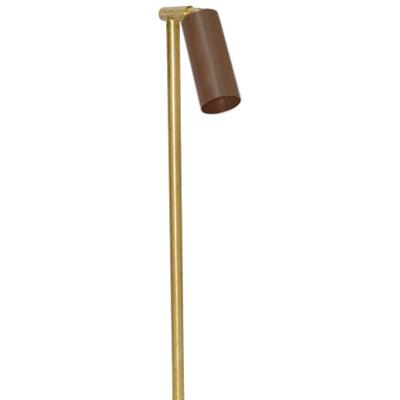
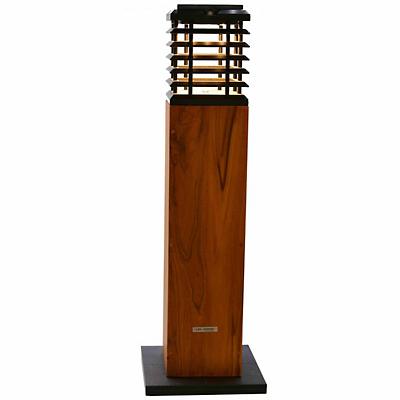
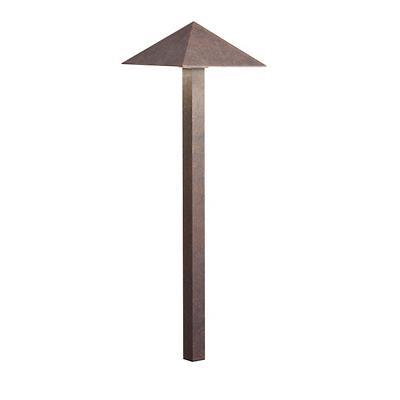

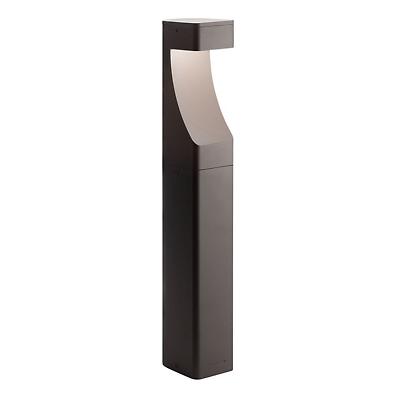


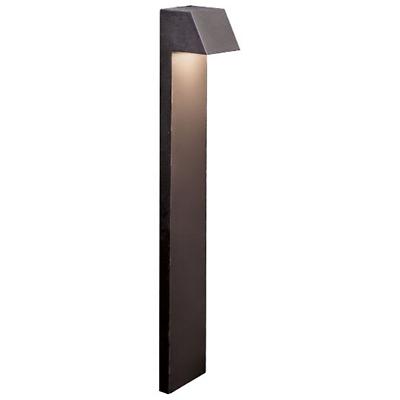
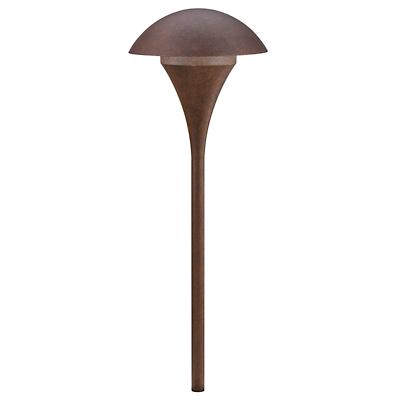
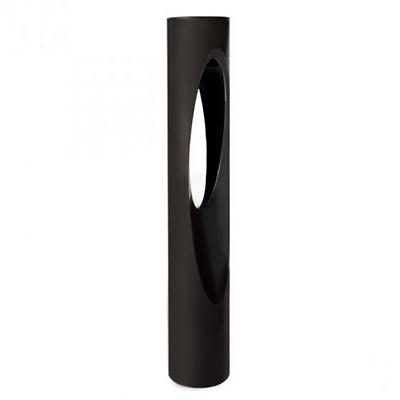
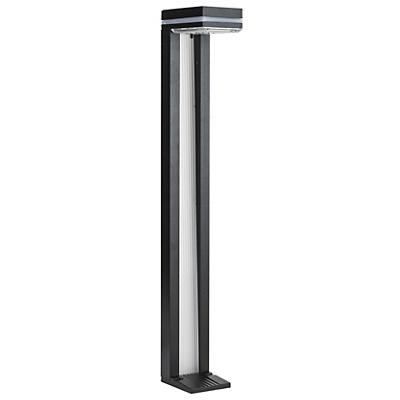
Landscape Lighting Explore
Modern Landscape Lighting
Your Guide to Understanding Landscape Lighting Systems
Today's landscape lighting systems rely on low-voltage LED technology that delivers energy efficiency, design flexibility, and longevity far beyond what older fixtures could offer. A well-planned landscape lighting design does more than illuminate a yard. It extends a home's living space into the evening hours, frames architectural details, guides movement through the garden, and creates a layered atmosphere that evolves as the sun sets.
Landscape lights, when thoughtfully positioned, turn patios, pathways, and planting beds into intentional outdoor rooms. The goal is not simply visibility but a considered interplay of light and shadow that enhances how a space feels after dark.
Landscape Lighting
A home's outdoor spaces deserve the same design attention given to interiors. Well-planned yard lighting goes beyond scattered landscaping lights. It creates a cohesive visual narrative across the property, connecting the architecture to the garden and drawing the eye toward focal points: specimen trees, water features, sculptural plantings.
The most effective landscape lighting starts with restraint. A few precisely placed fixtures often accomplish more than a dozen generic ones. Consider the quality of light, the color temperature, and the fixture's physical presence during daylight hours. Modern landscape lights are designed to disappear into the landscape or complement it as subtle architectural elements.
Completing the Look of the Landscape
Lighting is the final layer of landscape design. It should honor the work already done: the hardscape, the plantings, the sightlines. When the fixtures and their placement are considered from the outset, the result feels inevitable rather than applied.
Types of Landscape Lighting
Choosing the right landscape lighting fixtures begins with understanding what each type does well and where it belongs in the composition.
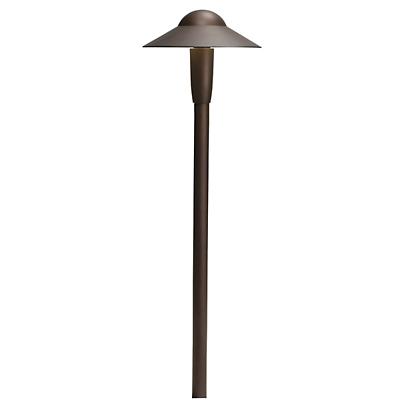
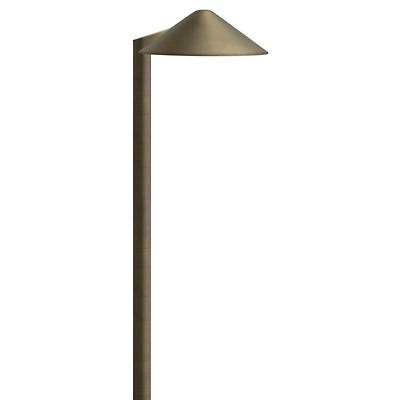
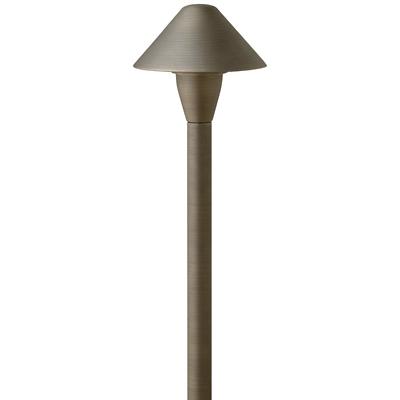
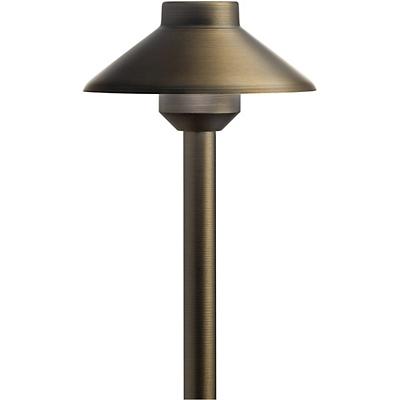
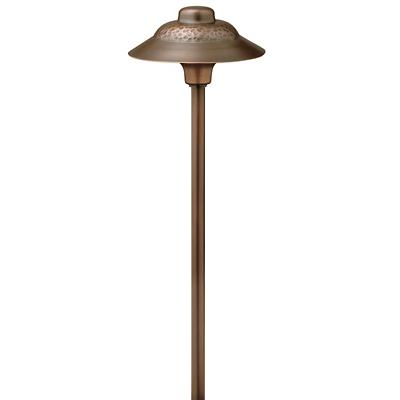
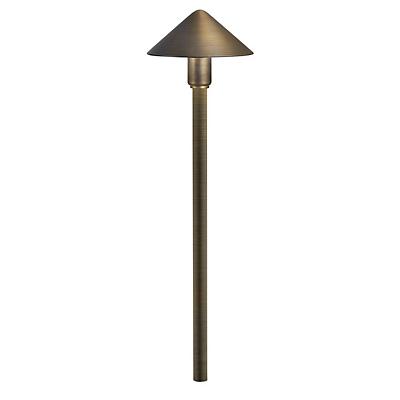
Path Lights
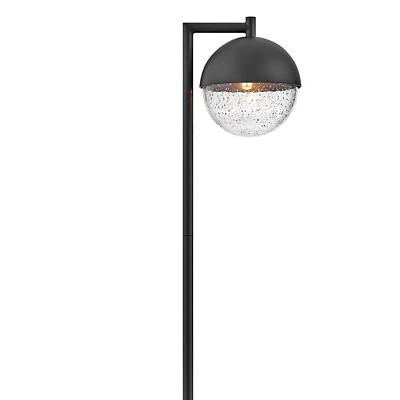
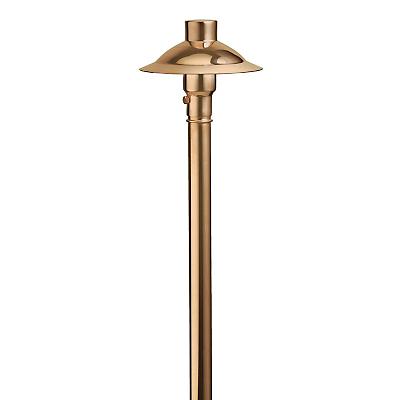
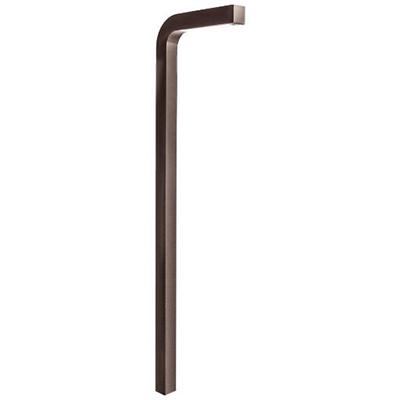
Path lights define edges and guide movement through the landscape. They illuminate walkways, garden borders, and low plantings without overwhelming the eye. Well-designed path lights cast light downward in a soft pool, creating rhythm and visual cues along a route.
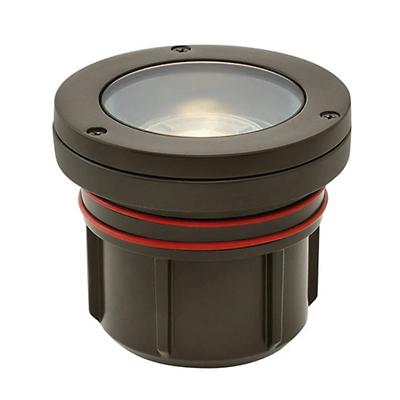
Spot and Flood Lights
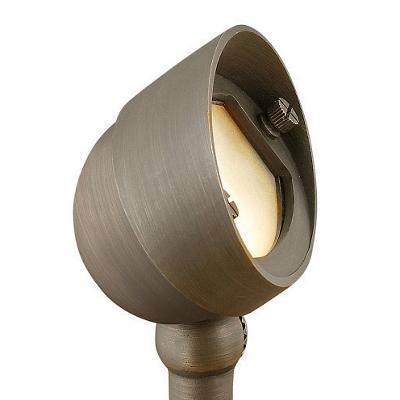
Spot and flood lights are the workhorses of landscape accent lighting. Spotlights deliver a focused beam to highlight a single tree, sculpture, or architectural detail. Flood lights cast a wider wash for broader coverage. Both can be used for uplighting, downlighting, or silhouetting depending on placement.
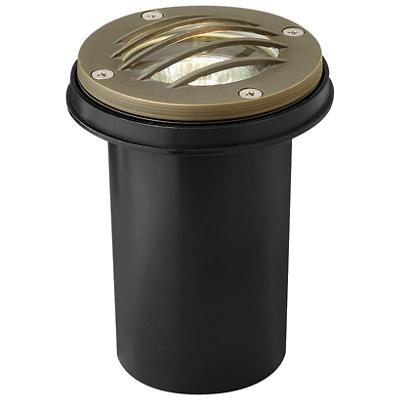
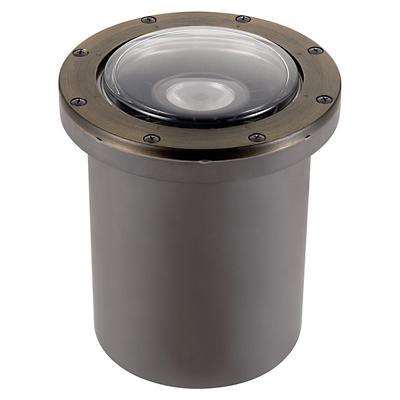
Well Lights
Well lights sit flush with the ground, concealed within the landscape. They provide uplighting for trees, columns, and walls without visible hardware. For clean, architectural settings, well lights keep the focus on what is lit rather than the fixture itself.
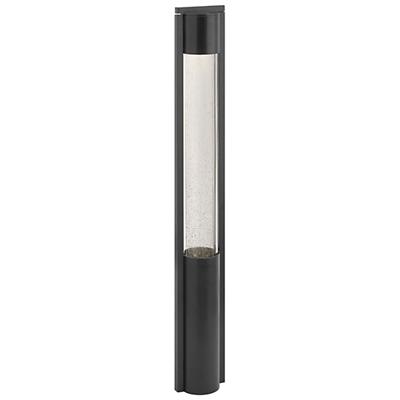
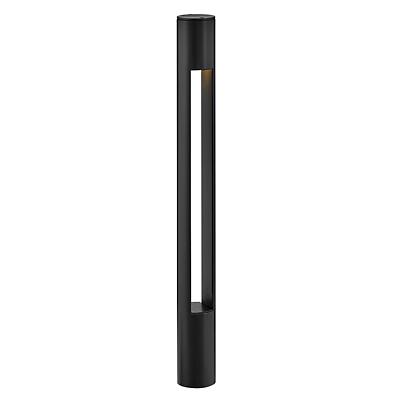
Bollard Lights
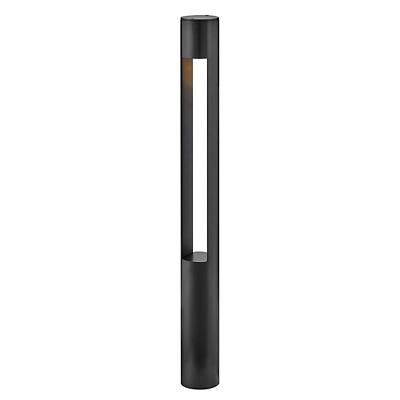
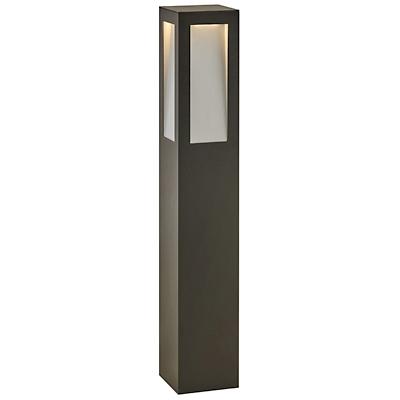
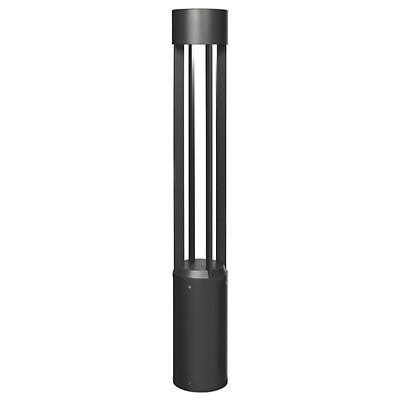
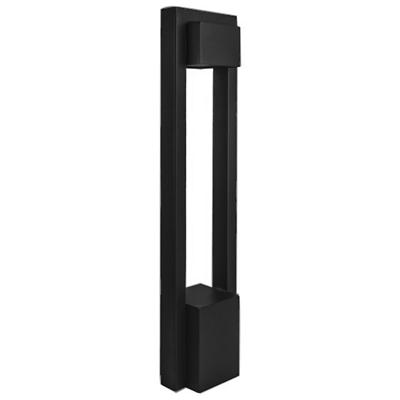
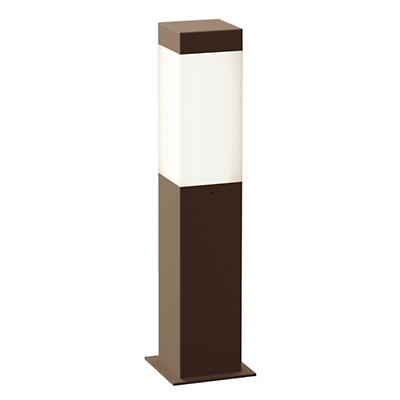
Bollard lights are freestanding fixtures that provide ambient illumination and can serve as sculptural elements in their own right. They work well along driveways, at entries, and within modern hardscape designs where the fixture contributes to the visual language of the space.
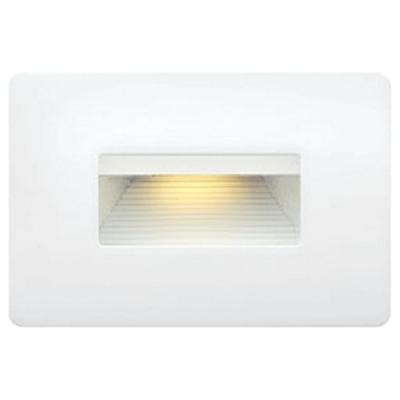
Deck and Step Lights
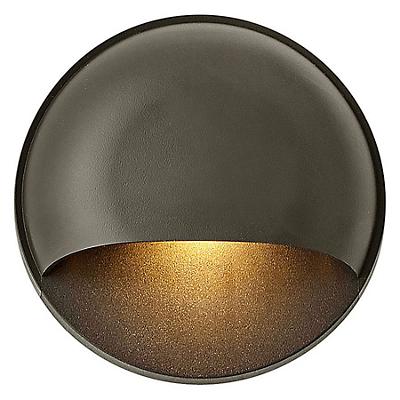
Deck and step lights integrate into stairs, risers, and deck surfaces to provide safe footing and a polished appearance. LED landscape lights in these applications generate minimal heat and use little energy.
Techniques for Crafting Ambiance
Landscape lighting design is as much about where shadows fall as where light lands. Layering multiple techniques creates depth and dimension.
Uplighting positions fixtures at ground level to illuminate trees, facades, or sculptural elements from below, creating drama and emphasizing texture.
Downlighting (or moonlighting) places fixtures high in trees or on structures to cast soft, dappled light downward, mimicking the effect of natural moonlight.
Silhouetting places the light source behind a subject to throw its outline into relief against a wall or fence.
Grazing positions a light close to a textured surface, such as stone or bark, to accentuate its tactile qualities.
The interplay of uplighting, downlighting, and path lighting creates a layered effect that keeps the eye moving. For projects incorporating smart controls, consider fixtures that allow color temperature adjustment or dimming to shift ambiance from functional to intimate as the evening progresses.
Why We Love Landscape Lighting
Landscape lights transform how outdoor spaces are experienced. They extend the usable hours of a patio or garden, create visual continuity between indoors and out, and enhance safety along pathways and stairs.
Beyond function, thoughtful landscape lighting adds emotional resonance to a home. The play of light on foliage, the glow along a gravel path, the subtle illumination of a doorway: these are the details that make a space feel considered and complete.
How to Choose Landscape Lighting
Selecting landscape lighting involves matching fixture type, light output, and voltage system to the project's goals.
Understanding Low Voltage Landscape Lighting
Most residential landscape lighting systems run on 12-volt low voltage power, converted from standard 120V line voltage by a transformer. Low voltage landscape lighting is the standard for several reasons:
Safety. The lower voltage reduces risk during installation and everyday use.
Efficiency. LED low-voltage fixtures consume a fraction of the energy of line-voltage alternatives.
Flexibility. 12V systems allow fixtures to be repositioned or added without major rewiring.
Line-voltage (120V) fixtures remain appropriate for certain applications, including larger flood lights and commercial installations where higher output is required. Lumens carries both low-voltage and line-voltage accent lights, as well as transformers and accessories to complete the system.
Brightness and Output Guidance
Light output, measured in lumens, varies by application:
Path lights: 100–200 lumens provides adequate illumination without overwhelming adjacent plantings.
Spotlights and accents: 200–400 lumens for smaller trees and focal points; 500–700+ lumens for large trees or architectural features.
Flood lights: 700–1,500+ lumens for washing walls, illuminating broad planting beds, or security applications.
When planning a system, consider how fixtures will work together. A transformer must have sufficient wattage capacity to power all connected lights, with headroom for future additions. For complex projects, an LED landscape lighting plan prepared with professional guidance ensures proper load distribution and consistent performance.
Exploring Landscape Architecture with Innovative Lighting Design
Landscape architecture and lighting design are inseparable disciplines. Innovative landscape lighting design blends outdoor spaces with their surroundings, treating light as a material as considered as stone, water, or planting. Whether the setting is a public park or a private residence, it rewards attention to how light interacts with plants and architectural features across the course of a day and into the night.
Contemporary landscape lighting approaches the yard as an extension of the home's architecture. The most resolved schemes read as intentional at every hour: sculptural by day, atmospheric after dark. Considering sightlines, materials, and the movement of people through a space allows the lighting to reinforce the design rather than sit apart from it.
Other Considerations
In addition to style and functionality, considering the environmental impact of landscape lighting is important. Opting for LED and solar-powered options can significantly reduce energy consumption and costs. Smart, app-controlled, and color-tunable LED landscape lights extend that thinking further, giving designers precise control over brightness, scheduling, and ambiance as part of a modern scheme.
Choosing the Best Landscape Lighting Products
Selecting the best landscape lighting products requires a careful balance of aesthetics, durability, and efficiency. Prioritize finishes and materials built for the outdoors, such as solid brass, copper, or black powder-coated aluminum, renowned for their elegance and longevity in exposed settings. Quality construction is what allows a fixture to hold its finish and performance season after season.
Landscape LightingFrequently Asked Questions
How much does it cost to have someone install landscape lights?
The cost of professional landscape lighting installation varies, but it typically ranges from $500 to $2,500, depending on the size of the project, the number of lights, and the complexity of the design.
Expert Tip: To save on costs, consider installing low-voltage systems. They’re safer and easier to install than standard voltage systems, and they use less energy, which can lead to long-term savings.
What color should landscape lights be?
Warm white (2700K–3000K) is the most popular color temperature for landscape lighting, as it creates a welcoming and cozy ambiance. Cooler tones (4000K–5000K) are ideal for security or modern aesthetics.
Expert Tip: Use color-changing LED fixtures for flexible lighting schemes. These can switch between warm and cool tones or even vibrant colors, letting you customize your outdoor space for special occasions.
What are the different types of landscape lighting?
Landscape lighting includes path lights, spotlights, floodlights, well lights, and step lights. Each type serves a unique purpose, from illuminating walkways to accentuating architectural features or providing overall security.
Expert Tip: Combine multiple types of lighting for a layered effect. For example, pair spotlights to highlight trees with pathway lights to guide guests safely to your door.
How many watts do I need for outdoor landscape lighting?
The wattage required depends on the fixture and application. Modern LED landscape lights often use 4–12 watts per fixture, providing efficient illumination without excessive energy use.
Expert Tip: Focus on lumens rather than wattage to measure brightness accurately. For example, 100–200 lumens is ideal for pathway lighting, while 700+ lumens work well for floodlights.
How long do landscape LED lights last?
Landscape LED lights can last up to 50,000 hours or more, depending on the quality of the fixture and the environment. With proper care, they can provide reliable lighting for 10–15 years.
Expert Tip: Choose fixtures with weatherproof ratings, such as IP65 or higher, to ensure durability against rain, dust, and extreme temperatures, especially in harsher climates.
How much does it cost to have landscape lighting installed?
The total cost for installing landscape lighting ranges from $2,000 to $4,500 for a full system, depending on the design, number of fixtures, and whether trenching or hardwiring is needed.
Expert Tip: Many professional installers offer packages that include smart controls or app-based systems, which can add convenience and energy savings over time.
What voltage is landscaping lighting?
Landscape lighting typically operates on low voltage (12V), which is energy-efficient and safe for outdoor use. High-voltage systems (120V) are less common and generally used for large-scale applications.
Expert Tip: Use a transformer to convert standard household voltage to low voltage, and ensure the transformer has enough capacity for your system’s wattage requirements.
How many lumens do I need for outdoor landscape lighting?
Lumens depend on the purpose of the lighting. Path lights need 100–200 lumens, while spotlights and floodlights may require 700–1,300 lumens for effective illumination.
Expert Tip: When lighting a garden or outdoor feature, avoid over-lighting. Subtle, low-lumen lighting can create dramatic effects without overpowering the natural beauty of the landscape.
Do landscape lights use a lot of electricity?
Modern landscape lights, especially LEDs, use minimal electricity. An entire LED lighting system may only consume 30–50 watts, making it highly energy-efficient compared to older incandescent systems.
Expert Tip: Use timers or motion sensors to optimize energy use by ensuring lights are only on when needed, reducing costs further.
What type of lighting is best for outdoors?
LED lighting is the best choice for outdoor applications due to its energy efficiency, long lifespan, and resistance to weather conditions.
Expert Tip: Ensure your outdoor lighting fixtures are UL-rated for damp or wet locations to avoid premature wear or safety issues.
What color lights are best for outside?
Warm white lights are ideal for outdoor spaces, as they mimic natural light and create an inviting atmosphere. Cooler white lights work better for security or task lighting.
Expert Tip: Consider using soft amber lighting near patios or seating areas to repel insects, as they’re less attracted to this color spectrum.
What are the different types of floodlights?
Floodlights include wide-beam models for general coverage, narrow-beam models for highlighting features, and motion-sensor floodlights for added security.
Expert Tip: Select floodlights with adjustable heads to customize the angle and direction of the light for greater flexibility and coverage.