Silver Modern Hallway Lighting


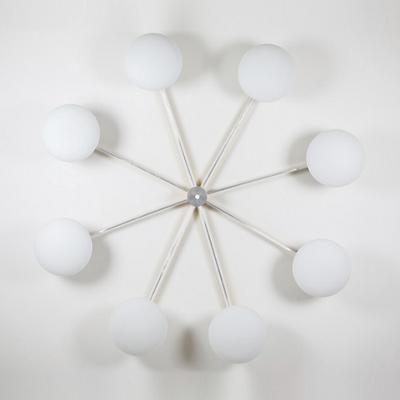
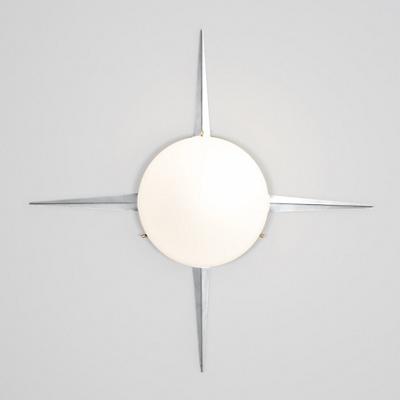
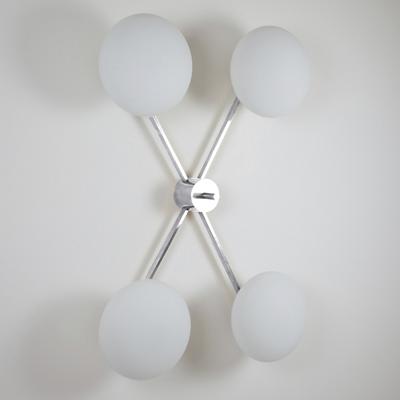
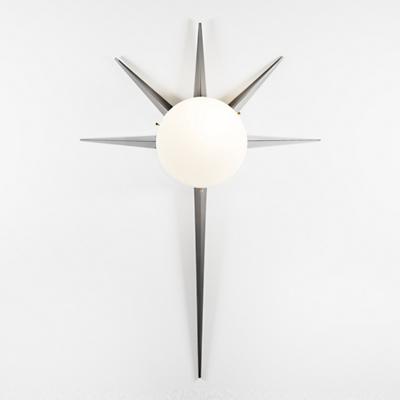


Hallway Lighting Explore
Modern Hallway Lighting
The hallway is one of the most underestimated spaces in residential design. It is the first impression of a home's interior, the connective tissue between rooms, and often the longest sightline in a floor plan. When lit with intention, a hallway becomes more than a passage; it becomes a gallery, a moment of transition that sets the tone for every room it leads to.
The Art of Hallway Lighting
The best hallway lighting balances function and atmosphere. It provides safe, even illumination for navigation while establishing a visual rhythm that draws the eye forward. Whether you are designing a narrow urban corridor, a grand entry foyer, or a second-floor landing, the fixture choices you make here shape how the entire home feels. The goal is not simply brightness, but presence: lighting that acknowledges the architecture of the space and elevates it.
Hallway Lighting by Fixture Type
Selecting the right fixture type is the foundation of a well-lit hallway. Each fixture category serves a distinct purpose and suits different ceiling heights, hallway widths, and design intentions.
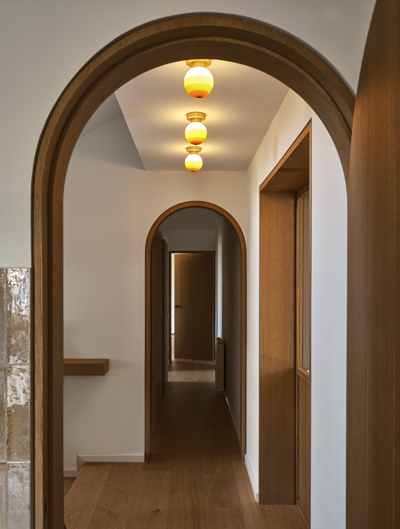
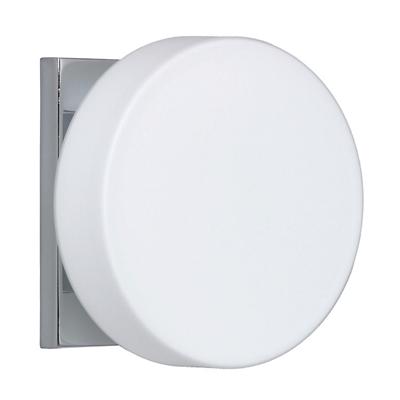
Flush and Semi-Flush Mounts
Best for: Low ceilings, even overhead illumination, and spaces where fixtures must stay close to the ceiling plane.
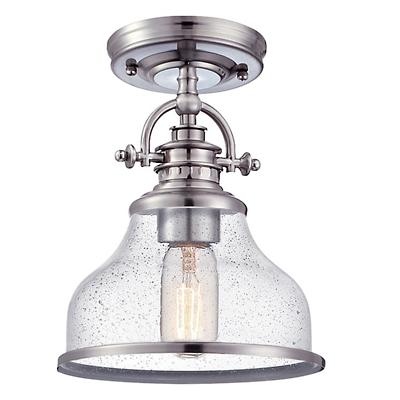
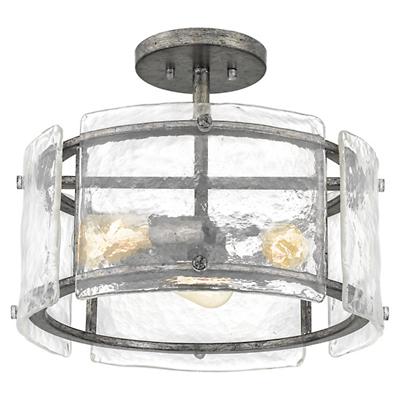
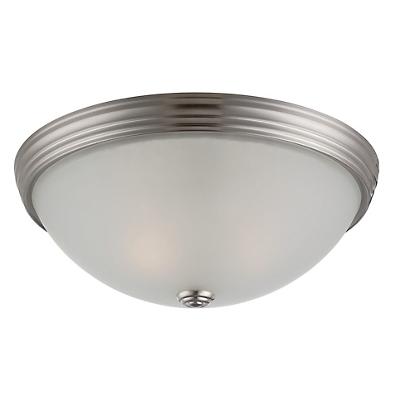
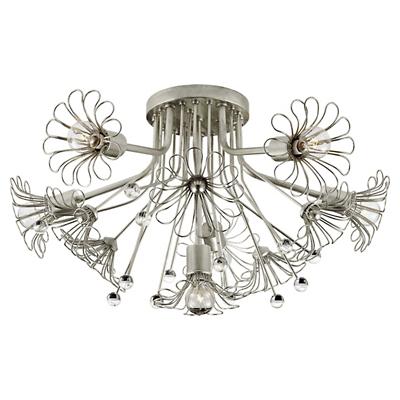
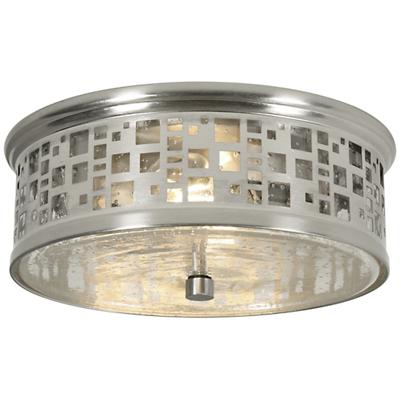
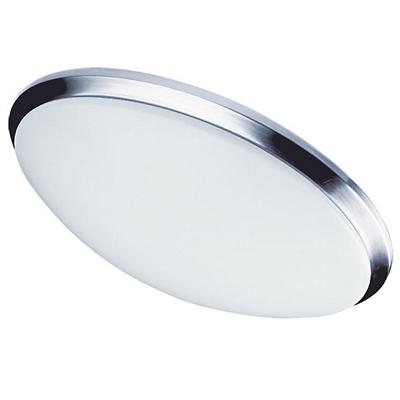
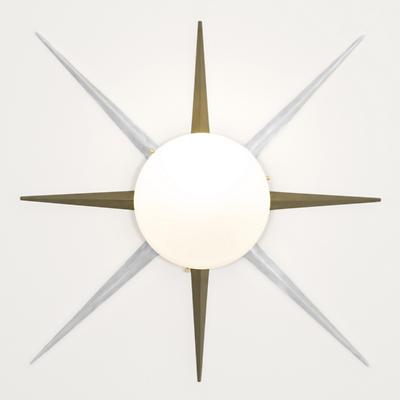
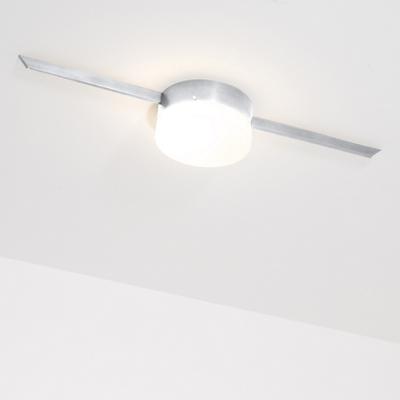
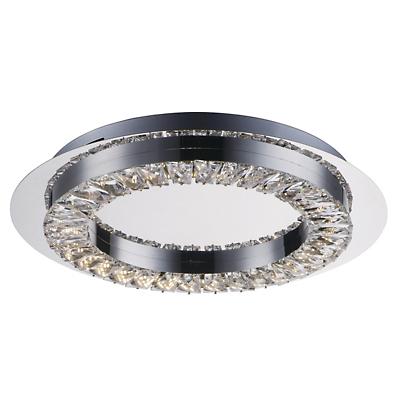
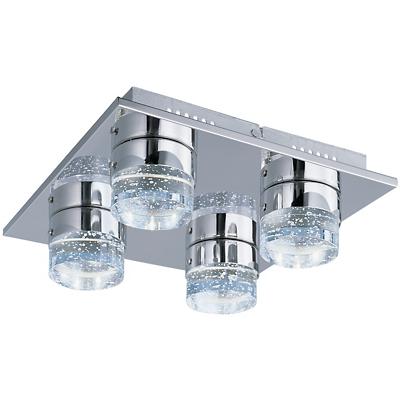
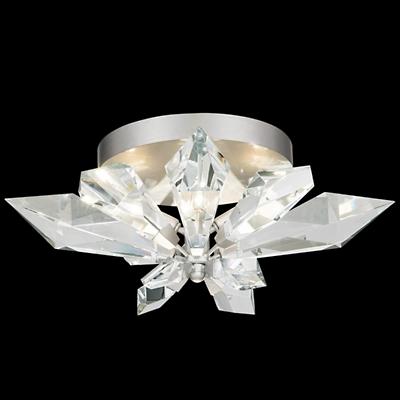
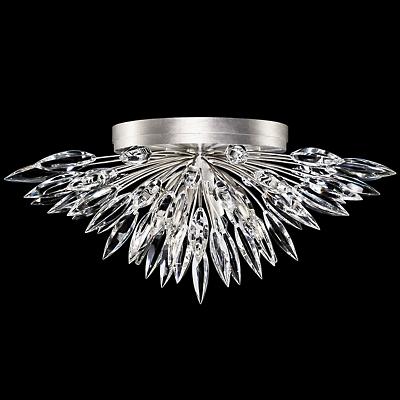
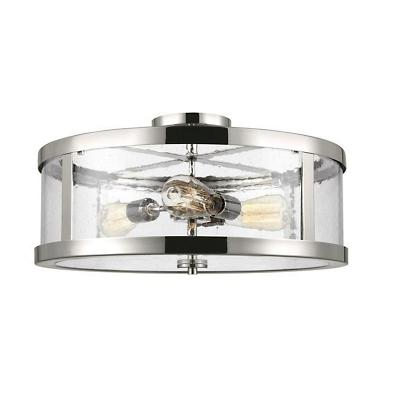
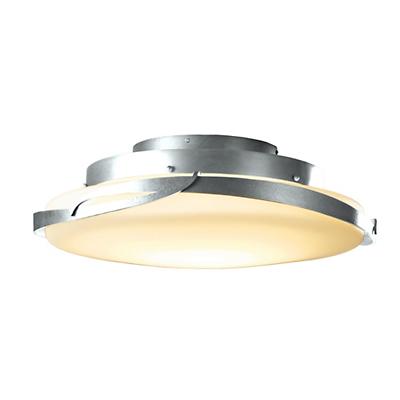
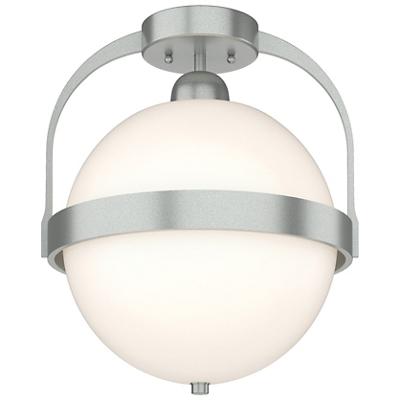
Flush mounts are the workhorse of hallway lighting, delivering broad, uniform light without intruding into headroom. For standard 8-foot ceilings, a flush mount sits nearly flat against the ceiling, while a semi-flush mount drops 4 to 8 inches, offering more visual depth and often a softer light distribution.
Sizing guidance: Choose a fixture diameter that is roughly one-third the width of the hallway. In a 36-inch-wide corridor, a 12-inch flush mount provides proportional coverage. For longer hallways, space multiple fixtures 6 to 8 feet apart to avoid dark zones between pools of light.
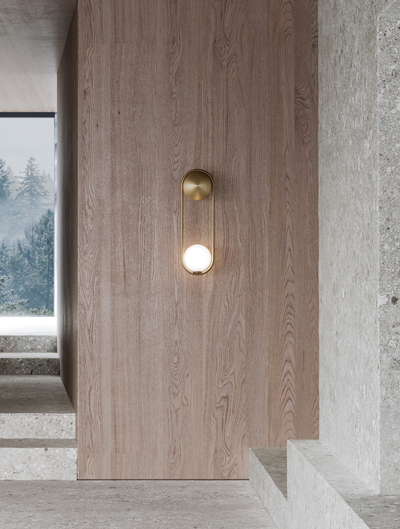
Wall Sconces
Best for: Adding warmth, visual rhythm, and layered light along corridors and narrow spaces.
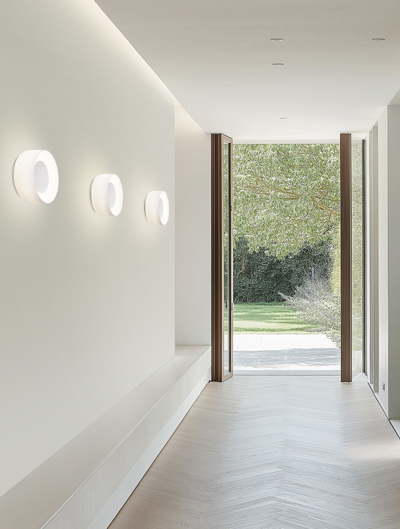
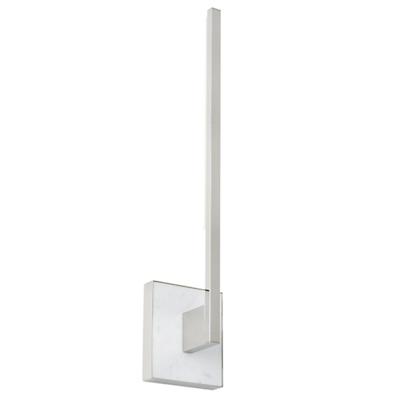
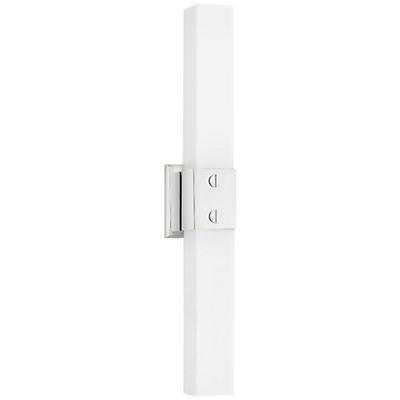
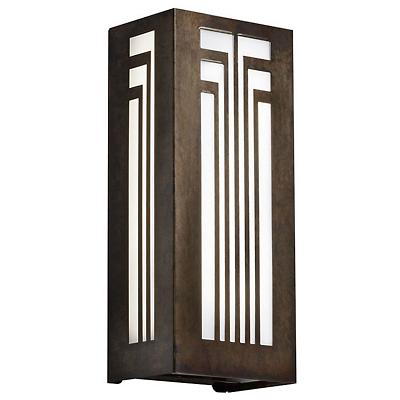
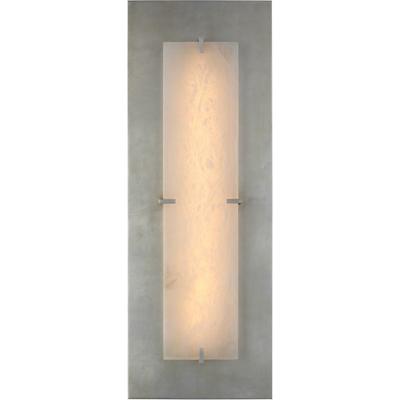
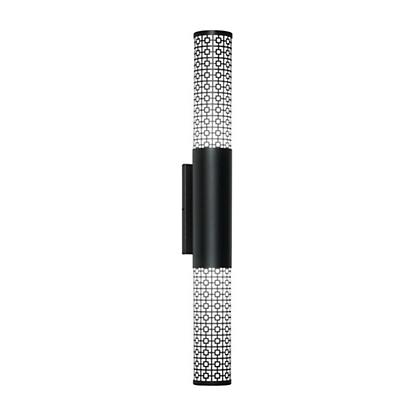
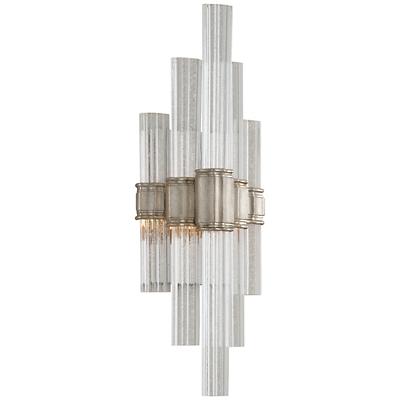
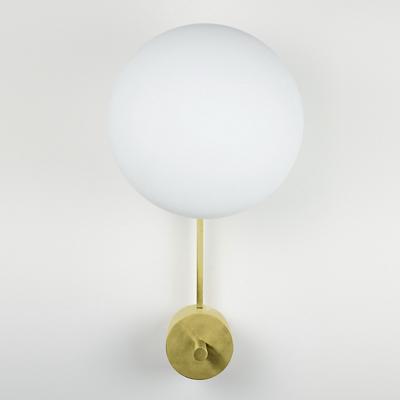
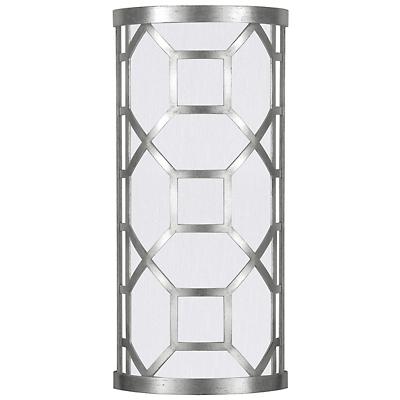
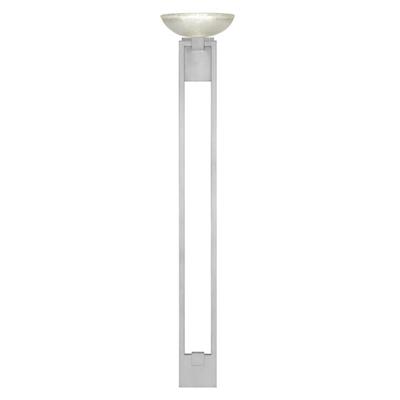
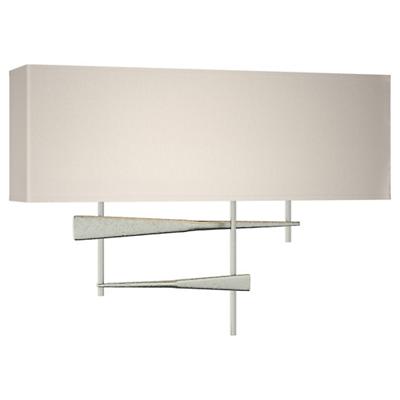
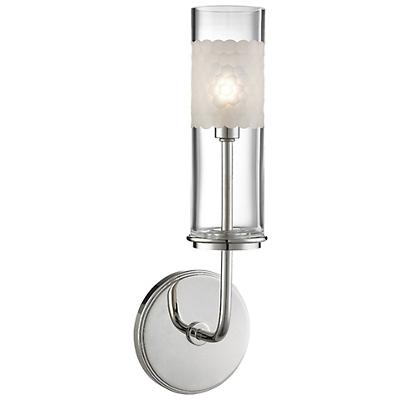
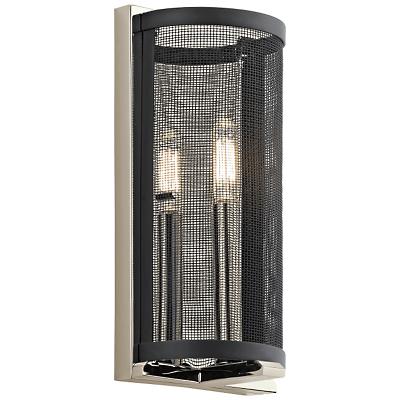
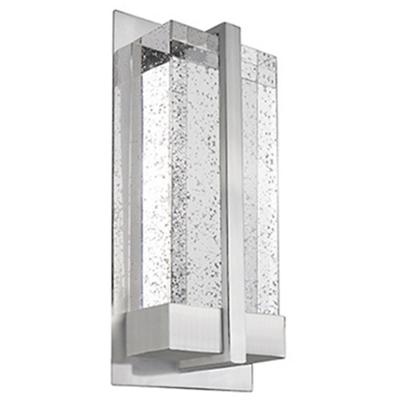
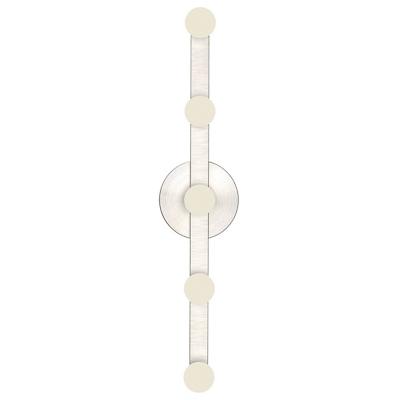
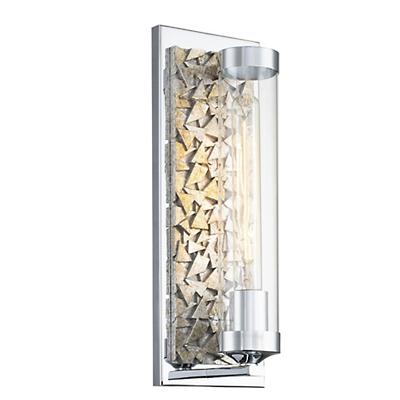
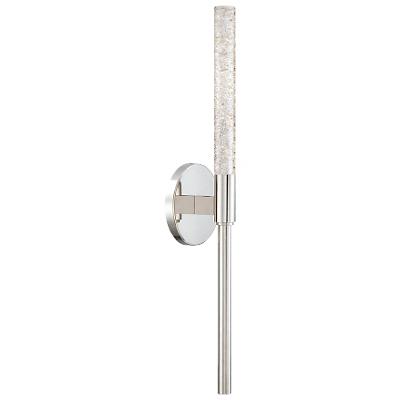
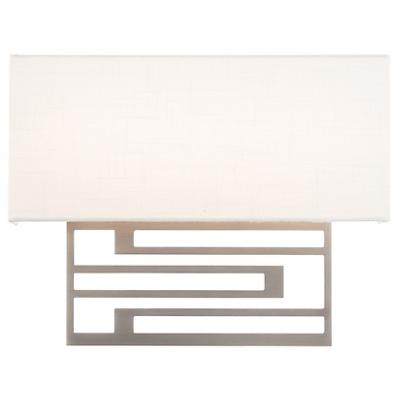
Wall sconces transform a hallway from a simple throughway into a composed, gallery-like experience. Mounted in pairs or in a repeating sequence, sconces create a cadence of light and shadow that gives a corridor architectural presence.
Placement: Mount sconces 60 to 66 inches above the finished floor, measured to the center of the fixture. Space them 6 to 8 feet apart for consistent illumination. In narrow hallways, sconces are often a better primary light source than ceiling fixtures, as they wash light across walls and visually widen the space.
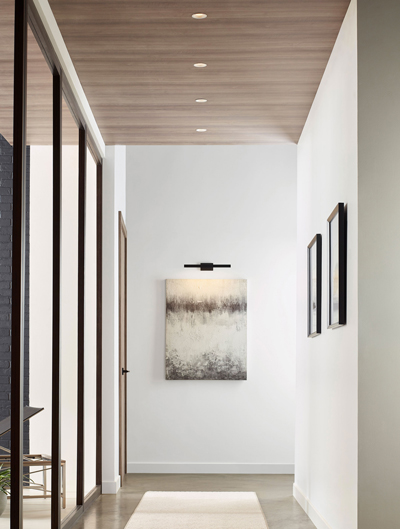
Recessed Lighting
Best for: Clean, architectural illumination with no visible fixture profile.
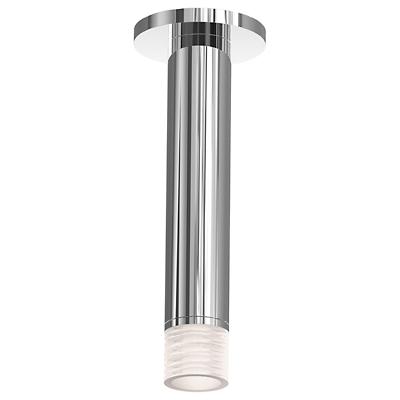
Recessed lighting disappears into the ceiling, providing unobtrusive downlight that emphasizes architecture, flooring, and artwork rather than the fixture itself. This makes it a natural choice for modern and minimalist interiors where a seamless ceiling plane is a priority.
Spacing: Place recessed fixtures approximately 4 to 6 feet apart, keeping them at least 2 feet from walls to avoid harsh shadows. Adjustable or gimbal trims allow you to direct light toward artwork, architectural details, or console surfaces along the hall.
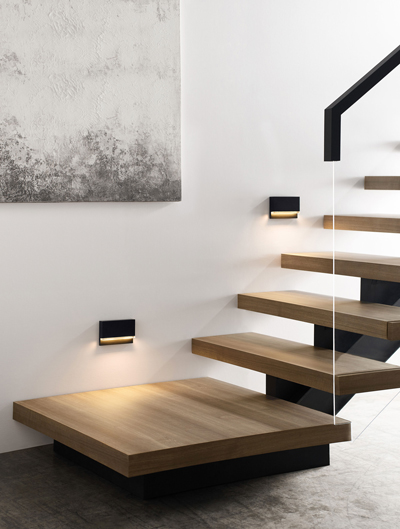
Step Lights
Best for: Safety, ambient accent lighting along baseboards and stair risers.
Step lights are small, low-mounted fixtures recessed into walls or stair risers at ankle height. They provide just enough illumination to navigate safely in low-light conditions without flooding the space with overhead brightness.
Step lights are especially valuable in multi-level homes, along stairways, and in hallways that connect bedrooms, where a soft, low glow supports nighttime navigation without disturbing sleep. Many step lights are available in LED with warm color temperatures (2700K) for a subtle, inviting effect.
Materials and Finishes
The material and finish of a hallway fixture shapes how it interacts with light, architecture, and the surrounding palette. Each option carries a distinct character that influences the overall mood of the space.
Brass and Gold
Brass and gold-toned fixtures bring warmth and depth to hallway spaces. Aged brass develops a living patina over time, while polished and satin finishes reflect light with a luminous quality that enlivens neutral walls and wood tones.
Matte Black
Matte black fixtures create graphic, sculptural contrast against light-colored walls and ceilings. The finish absorbs light rather than reflecting it, lending a grounded, architectural quality that reads as both modern and timeless.
Nickel and Chrome
Polished nickel and chrome finishes deliver a clean, reflective surface that amplifies available light in narrow corridors. Brushed and satin variations soften the reflection slightly, offering versatility across contemporary and transitional interiors.
Glass
Glass shades and diffusers interact with hallway light in ways that metal alone cannot. Frosted glass softens and disperses illumination evenly, while clear glass reveals the bulb and creates sharper, more directional light. Ribbed, seeded, and hand-blown glass add texture and visual interest that elevate a simple fixture.
Ceramic and Natural Materials
Ceramic, plaster, and natural fiber fixtures bring an organic, handcrafted quality to hallway lighting. These materials absorb and diffuse light softly, creating warm pools of illumination that feel intimate and considered. They pair particularly well with textured walls, natural stone, and wood flooring.
Styles to Explore
Hallway lighting is available across a wide range of design styles, from clean modern profiles to richly detailed traditional forms. Understanding the style vocabulary of each category helps narrow the selection to fixtures that feel intentional and cohesive.
Modern and Minimalist
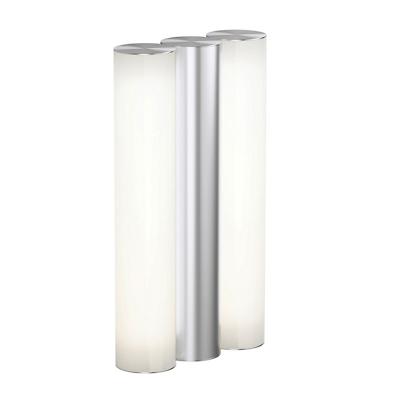
Modern hallway lighting emphasizes clean geometry, restrained profiles, and integrated LED technology. These fixtures prioritize the quality of light itself, with slim silhouettes and refined finishes that complement contemporary architecture without competing with it.
Mid-Century
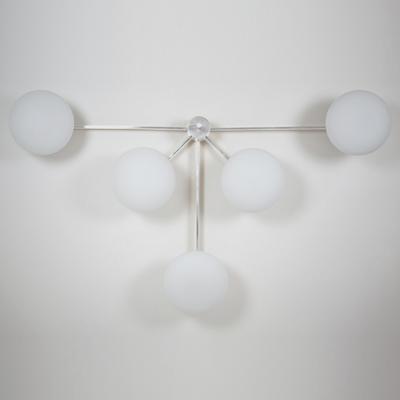
Mid-century hallway fixtures draw on the optimism and material experimentation of postwar design. Expect warm metals, organic curves, opal glass globes, and sputnik-inspired forms that bring character and sculptural interest to transitional spaces.
Transitional
Transitional lighting bridges classic and contemporary sensibilities. These fixtures often pair traditional materials (brass, linen, glass) with simplified forms, making them a versatile choice for hallways that connect rooms of varying design character.
How to Choose the Right Hallway Lighting
Selecting hallway lighting begins with understanding the space. Consider ceiling height, hallway width and length, natural light availability, and the design language of adjacent rooms.
Fixture size should be proportional to the hallway. A fixture that is too large overwhelms a narrow corridor; one that is too small disappears. As a starting point, add the hallway's width and length in feet and convert that number to inches for an approximate fixture diameter.
Light direction matters as much as brightness. Uplighting from sconces or semi-flush mounts visually raises a low ceiling. Downlighting from recessed fixtures emphasizes flooring and architectural details. A combination of both creates the most complete, layered effect.
Color temperature sets the mood. For residential hallways, 2700K to 3000K produces a warm, inviting atmosphere that supports relaxation and complements skin tones. Choose bulbs and fixtures with a CRI of 90 or higher to render artwork, finishes, and materials accurately.
ADA compliance is essential in commercial and many residential applications. ADA-compliant hallway fixtures must project no more than 4 inches from the wall when the bottom of the fixture is mounted between 27 and 80 inches above the finished floor.
Dimming capability adds flexibility. A hallway that serves as a bright, functional corridor during the day can transition to a softly lit passage in the evening. Pair dimmable LED fixtures with a compatible dimmer switch for smooth, flicker-free control.
Hallway LightingFrequently Asked Questions
What is the best type of lighting for a hallway?
The best hallway lighting combines at least two fixture types for layered illumination. A common and effective approach pairs flush mounts or recessed lighting for general overhead light with wall sconces for warmth and visual rhythm along the walls. Expert tip: In hallways longer than 12 feet, add a third layer with picture lights or accent lighting to break up the corridor and create visual destinations along the way.
What is the ideal mounting height for hallway sconces?
Mount hallway sconces so the center of the fixture sits 60 to 66 inches above the finished floor. This height places the light source at a comfortable eye level for most adults and provides balanced up-and-down illumination.
Expert tip: In hallways with 9-foot or taller ceilings, consider raising the mounting height to 66 to 72 inches to maintain proportion with the increased wall height.
Flush mount vs. recessed for hallways?
Flush mounts are ideal when you want a visible fixture that contributes design presence to the hallway. Recessed lighting is the better choice when you prefer a clean, uninterrupted ceiling plane or want to direct attention to walls, flooring, or artwork rather than the fixture itself.
Expert tip: Combining both in the same hallway is an effective approach. Use recessed fixtures for consistent ambient light and a single decorative flush mount at the entry or landing as a focal point.
How many light fixtures do I need for a hallway?
A general guideline is one light source every 6 to 8 feet of hallway length. A 12-foot hallway typically needs two to three fixtures, while a 20-foot corridor may require three to four. Supplement ceiling fixtures with sconces or step lights for a more complete lighting scheme.
Expert tip: Space fixtures based on the spread of their light, not just distance. A wide-beam flush mount covers more area than a narrow recessed downlight, so fewer may be needed.
Expert tip: Space fixtures based on the spread of their light, not just distance. A wide-beam flush mount covers more area than a narrow recessed downlight, so fewer may be needed.
What color temperature is best for hallway lighting?
Warm white light in the 2700K to 3000K range is the most flattering and comfortable choice for residential hallways. This color temperature creates a welcoming glow that transitions naturally between living spaces.
Expert tip: Keep color temperature consistent across all hallway fixtures and adjacent rooms. Mixing warm and neutral white in connected spaces creates a jarring visual shift that disrupts the flow of the home.
Do hallway lights need to match?
Hallway lights do not need to be identical, but they should share a cohesive design language. Consistent finish, material family, or scale creates visual continuity, even when mixing fixture types such as sconces and flush mounts.
Expert tip: Choose fixtures from the same designer or collection to ensure proportional harmony. Mixing a brand's flush mount with its matching sconce is a reliable way to layer light while maintaining a unified look.
What are ADA-compliant hallway lights?
ADA-compliant hallway lights are fixtures that project no more than 4 inches from the wall surface when the bottom edge is mounted between 27 and 80 inches above the finished floor. This standard ensures clear passage width for wheelchair and mobility device users.
Expert tip: Look for ADA-rated sconces with integrated LED panels rather than protruding shades. These slim-profile designs often deliver superior light distribution while staying well within the 4-inch projection limit.
How do you light a dark hallway?
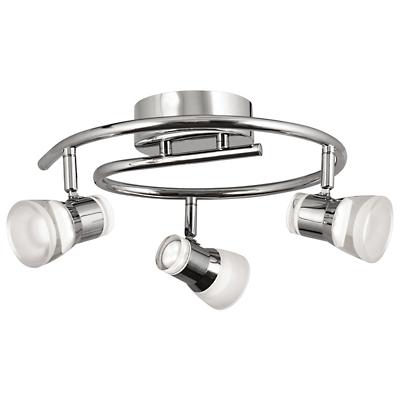
Start by maximizing the light you have. Use fixtures with high-output LEDs (800+ lumens for a primary fixture) and pair them with light-colored wall paint or a mirror to amplify reflections. Layer recessed lighting overhead with wall sconces to wash walls with light, which visually opens the space. Track lighting is another effective solution, as adjustable heads can direct light precisely where it is needed most.
Expert tip: Replace any single-bulb overhead fixture with a multi-point light source. Three well-spaced recessed lights will eliminate the dark pockets that a single central fixture cannot reach.
