Round Orange Modern Outdoor Rugs and Doormats
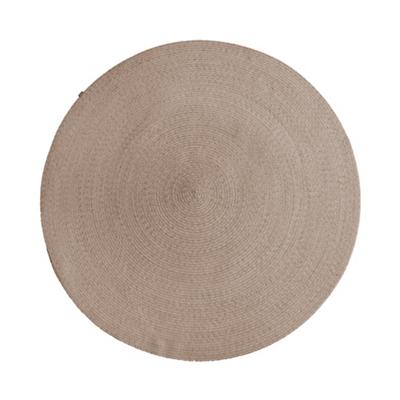

Outdoor Rugs + Doormats Explore
Why We Love Doormats & Outdoor Rugs
Make your outdoor living area even better with a modern doormat or outdoor rug. Designed with the elements in mind, this collection of modern doormats stands up to the weather and makes for the perfect accessory piece to your porch or patio. Or, for larger decks and patios, an area rug makes a compelling statement while introducing extra comfort to the space. For any style, color, shape or size you may need, you're guaranteed to love stepping foot on one of these well-designed outdoor mats.
Where Outdoor Mats Work Best
Add a bit of color and style to the floor of your patio or outdoor living space with any of these outdoor mats. An outdoor area rug will fit well under the gazebo or on a large deck, nestled comfortably under your patio dining furniture. Meanwhile, a well-chosen doormat helps to keep all of the fun of the outdoors where it belongs, outside of the house. Unlike indoor mats and rugs, these options are more rugged in their materials and manufacturing, making them ideal for exterior use. And although they are well-made and meant for exposure to weather, these mats also bring exceptional decorative character to your space. From bright pops of color to intricate shapes, any of these floor coverings give your outdoor floors a fresh new personality.
An Outdoor Mat for Every Style
When we think of stylish rugs and mats for porches and patios, we can't help but think of Chilewich. Chilewich excels at textile design and the decorative rugs for outdoor spaces found here just prove the brand's knack for great quality and design. And when the seasons begin to turn, you'll have no problem bringing your mats inside for use in the kitchen, by the front door or even in the bathroom. Finally, as an outdoor rug or a ground covering for a picnic, look to the selection from Fatboy. Known for its assortment of classic bean bag chairs, Fatboy's outdoor mats are equally stunning in design and quality.
How to Choose the Best Patio Mats & Rugs
Choosing an accessory piece for the deck or patio should be a relatively easy choice. First, you'll need to determine where you need a floor covering for your outdoor living area and then refine your options by size. Be sure to measure your patio to know just the right size you should choose. And consider where the floor covering will be placed. For example, you'll need a larger area rug to cover the patio floor, while a smaller, rectangular mat is ideal for the front porch. Along with its size, decide which shape is best for your situation as this collection includes everything from round rugs to rectangular mats. You'll also want to take into consideration the rug's material and of course, its color and decorative pattern. An outdoor rug can be a complementary element in your decor or it can stand out as a piece you really want to show off. It's up to you. If you have any questions about the outdoor rugs and doormats featured here, please call our home decor experts at 877.445.4486.
Other Considerations
A patio mat is just one minute piece of your outdoor decoration. Check out all of the patio accessories available for planter boxes, gardening tools, tabletop accents and more. And many of the products available here can also work well indoors, as mats in the entryway or kitchen or a rug for the living room. If you can't find a design you like in this assortment, turn to the larger assortment of modern rugs meant for the great indoors. Finally, you'll likely need furniture to anchor the rug on the deck or patio. Be sure to check out the collection of outdoor furniture for dining, lounging and accent options.
Outdoor Rugs + DoormatsFrequently Asked Questions
Is an outdoor rug a good idea?
Yes, an outdoor rug is a great way to define a seating or dining area on your deck or patio. It helps bring the space together, adds warmth and comfort underfoot, and introduces texture and color to your outdoor décor.
Expert Tip: For high-traffic areas, choose a low-pile (under 0.5") polypropylene rug—it won't trap debris like deeper weaves. In windy spots, add rug tape with 3M Outdoor Mounting Squares to prevent shifting without damaging deck surfaces.
Should a doormat go inside or outside?
An outdoor doormat should be placed just outside your front or back door to trap dirt, debris, and moisture before it's brought inside. This keeps your floors cleaner and adds a welcoming touch at the entrance.
Expert Tip: Layer two mats: a coarse coir mat outside to scrape mud, paired with a water-absorbent microfiber mat just inside the door. This dual-system captures 60% more debris than a single mat, per hospitality industry studies.
What is the difference between a door mat and a door rug?
A door mat is typically smaller, made of coarse material for scraping off dirt, and placed directly outside or inside an entryway. A door rug, on the other hand, tends to be larger, softer, and more decorative—ideal for adding warmth and design inside your home.
Expert Tip: Coir mats lose scraping effectiveness when wet—replace them every 12-18 months in rainy climates. For indoor door rugs, latex-backed versions prevent slips but will degrade if placed outside (even briefly).
How many types of floor mats are there?
There are several types of floor mats, including rubber, vinyl, carpet, coir (natural fiber), and synthetic mats. Each serves a different function, from heavy-duty outdoor scraping mats to decorative indoor accent rugs.
Expert Tip: Rubber mats with open-grid designs outperform solid ones in snowy areas—they allow meltwater to drain through instead of pooling. For pool decks, choose vinyl with UV inhibitors to resist cracking.
What type of rug is best for an outdoor deck?
Synthetic rugs made from materials like polypropylene, polyester, and olefin are ideal for outdoor decks. They're durable, UV-resistant, and can withstand moisture and mildew—perfect for open-air environments.
Expert Tip: Olefin rugs fade slower than polypropylene in direct sun but are prone to oil stains. For dining areas, select a rug with a tight weave to prevent crumbs from embedding—looser weaves demand weekly vacuuming.
What are the best outdoor rugs made of?
The best outdoor rugs are made from synthetic fibers like polypropylene, which are weather-resistant, fade-resistant, and easy to clean. These materials are designed to handle moisture, sun exposure, and wear from foot traffic.
Expert Tip: Polypropylene rugs with solution-dyed fibers (color permeates the entire strand) resist fading 3x longer than surface-dyed alternatives. Check product specs for "100% solution-dyed" claims.
How do you know what size outdoor rug to get?
Measure your seating or dining area and choose a rug that fits underneath furniture while leaving some border space around it. Common sizes include 5x8, 8x10, or even larger depending on the layout of your outdoor setup.
Expert Tip: For dining sets, ensure chairs remain fully on the rug when pulled out—add 36" to table diameter. In conversation areas, front legs of sofas should anchor the rug to visually unify the space.
What kind of rug can you use outside?
Only rugs labeled specifically for outdoor use should be placed outdoors. These rugs are made from quick-drying, mildew-resistant materials that stand up to the elements. Never use indoor rugs in exterior settings—they're not built for weather exposure.
Expert Tip: "Outdoor-rated" doesn't mean indestructible. In coastal zones, salt accelerates fiber breakdown—opt for marine-grade polyester. Desert climates demand rugs with UV50+ protection to prevent brittleness.
What is the best color for an outdoor rug?
Choose a color that complements your outdoor furniture and resists fading. Neutral tones like gray, beige, and navy are popular, but bolder colors or patterns can add personality and hide dirt more effectively.
Expert Tip: Medium-toned patterns (not solids) hide dirt best. Black shows pollen; white reveals mud splatter. For patios under trees, green/leaf-patterned rugs camouflage organic debris between cleanings.
How much does an outdoor rug cost?
Prices vary based on size, material, and brand, but you can expect to spend anywhere from $50 for a small mat to $500+ for a high-end, large-area outdoor rug. Budget-friendly and designer options are widely available.
Expert Tip: Cheap rugs under $100 often lack UV coatings—they'll fade within a season. Invest in commercial-grade rugs (like those used in resorts) for 5-7 year lifespans, even in full sun.
What is the best way to clean outdoor rugs?
Outdoor rugs are typically easy to clean—shake out debris, hose them down, and scrub with mild soap if needed. Let the rug dry completely before placing it back to avoid mildew or odor buildup.
Expert Tip: Avoid pressure washers—they fray fibers. Instead, mix 1 cup vinegar + 2 gallons water + 1 tsp dish soap to kill mildew without bleaching. Scrub with a stiff-bristle broom, not a brush.
Can outdoor rugs stay outside all winter?
While many outdoor rugs are built to handle the elements, it's best to store them during winter or inclement weather to extend their lifespan. If left out, ensure they are made of all-weather materials and can drain and dry effectively.
Expert Tip: In freeze-thaw regions, rolled-up rugs trap moisture and develop mold. If storing isn't possible, elevate the rug on PVC lattice panels to promote airflow and drying underneath.
How well do outdoor rugs last?
With proper care and under moderate exposure, a good-quality outdoor rug can last several years. Durability depends on material, climate conditions, and how well it's maintained.
Expert Tip: Rotate rugs 180° every 3 months to distribute sun damage evenly. In heavy rain areas, rugs with perforated backings dry 50% faster, preventing underside mold that shortens lifespan.