Wood Modern Home Office Desks
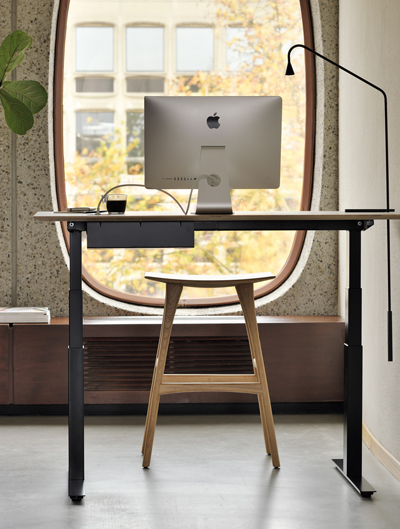
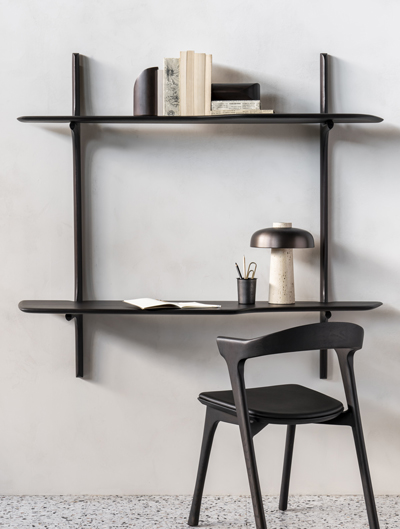
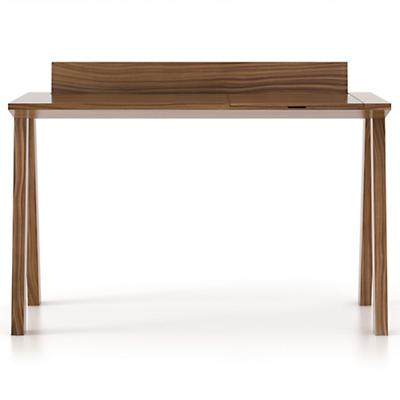


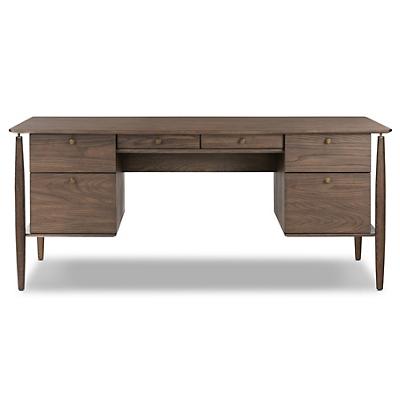


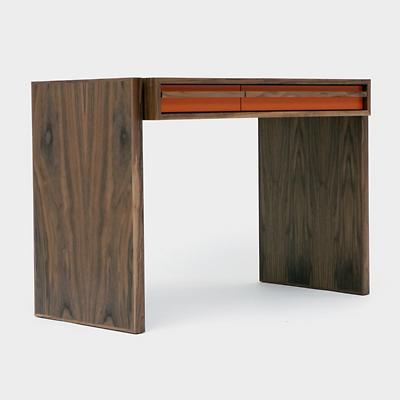


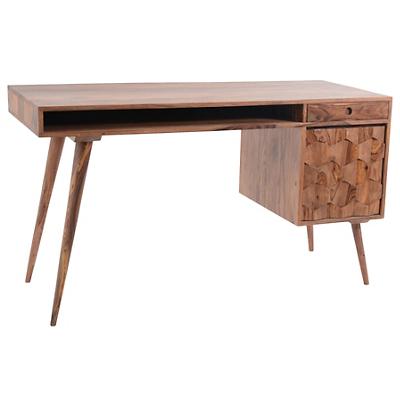
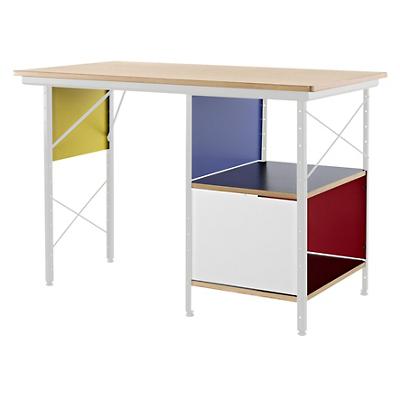
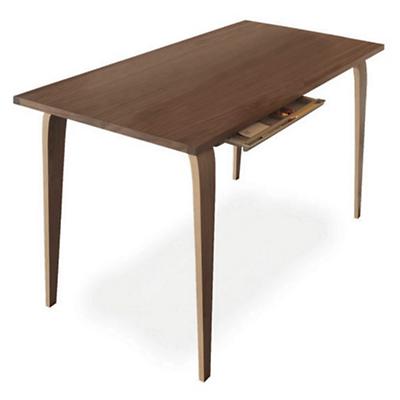



Office Desks Explore
Desks: Functional yet Fashionable
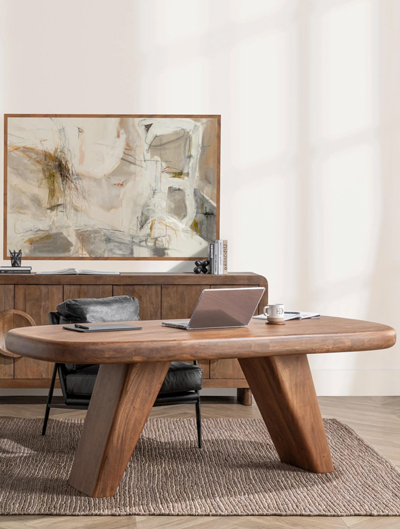
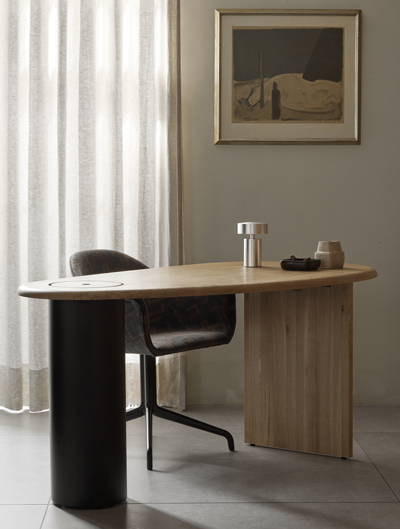
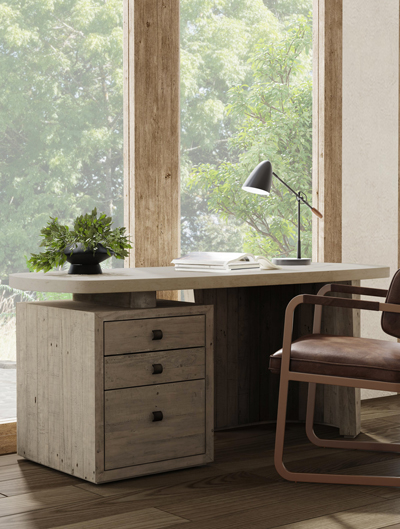
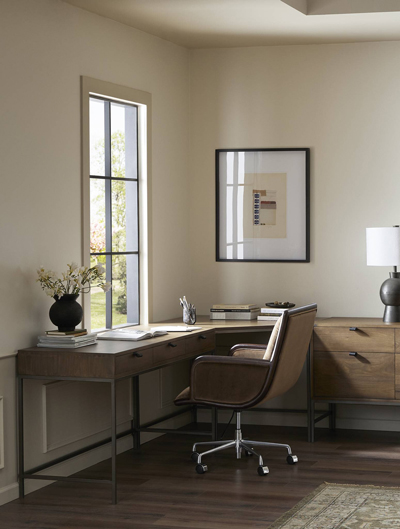
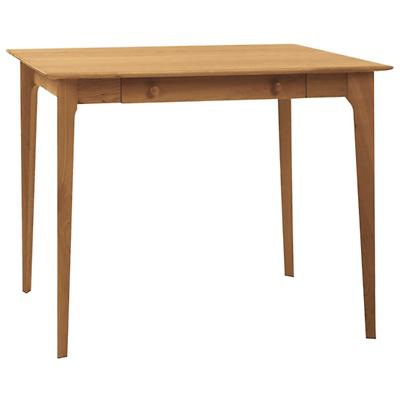
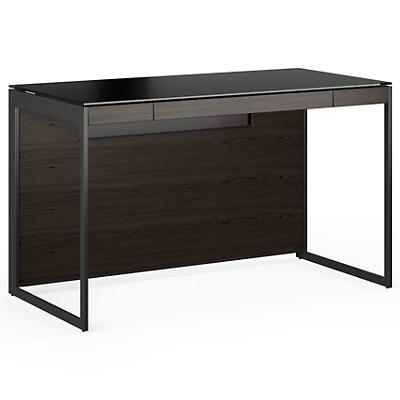
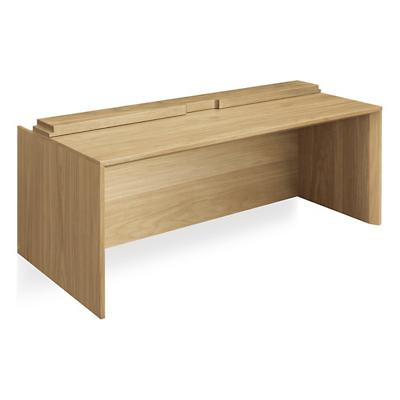
Modern desks help you get the job done in a functional yet fashionable manner. A stylish desk is the perfect companion to any workspace and is relatively easy to incorporate into your existing furniture layout. From handmade wood desks exuding high quality and luxurious design to contemporary computer desks to give your laptop a home it needs and small desks for compact offices or urban locations, there is a desk just waiting to meet your space.
Where Desks Work Best
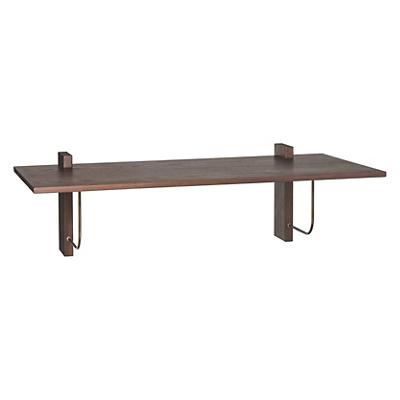
A modern desk finds its home anywhere a flat work surface is needed. That could be in the living room helping to keep things organized in a highly trafficked space that can easily become cluttered. Or, in the kitchen where counter space may not be available, consider a desk to help store recipes and common kitchen items. A contemporary desk is almost a necessity in an office. If space is limited anywhere in the home, you may appreciate a compact, wall-mounted desk. Most of the desks found in this assortment offer plentiful storage, however, you will find many sleek and thin desks that may better suit your aesthetic. With any desk you choose, you'll be sure to appreciate its style and the functional workspace it offers.
A Desk For Every Decorative Style
From traditional, naturally finished wood choices to contemporary stainless steel options, you'll have no problem finding the right desk to introduce into your living room or office. Copeland Furniture is a go-to choice for accomplishing a good-looking wood aesthetic. Copeland also offers other handcrafted wood furniture to make furnishing your entire home with the same style an easy option. Blu Dot's selection of desks are the perfect fit for contemporary office spaces and you'll also like them for their helpful storage. For mid-century modern desk and retro-inspired rooms, look to a desk from Gus Modern. Finally, if its a modern wall desk you need, BDI Furniture has a wide variety of well-designed options.
How to Choose the Best Home Office Desk
Introducing any piece of contemporary furniture to your home requires paying careful attention to its size. First, measure the area of your room where you plan to position the desk. There are options that offer extended storage to those that are really compact, making it a priority to make certain your area can properly accommodate the desk you choose. Remember common sizing dimensions like height, width, depth and length. If you opt for a wall desk, be sure you have space and the structure to mount a heavy piece of furniture to the wall. After a size and style is chosen, you can then refine your options by the finishes and design features that fit best in your home. If you have any questions about the desks featured here, please call our furniture experts at 877.445.4486.
Other Considerations
With a well-chosen desk in place, it's time to consider your other home office furniture needs. Similar to a well-designed desk, the right desk chair is a necessity to accomplish any task at hand. Turn to the collection of office furniture if you are redecorating your home office or workspace specifically. Last, but certainly not least, outfit your new desk and give yourself plenty of illumination with a stylish desk lamp.
Office DesksFrequently Asked Questions
Are standing desks actually healthy?
Yes, a standing desk can help improve your posture and reduce neck and back pains by encouraging more active positioning. This ergonomic approach can also boost energy levels and circulation throughout the workday.
Expert Tip: Pair a standing desk with an anti-fatigue mat and alternate between sitting and standing every 30–60 minutes to maximize health benefits.
What is the difference between a desk and a computer desk?
A computer desk is designed specifically for technology, often featuring cord management systems, designated space for monitors and peripherals, plus extra surface area and storage. A standard desk may have a simpler layout without specialized features.
Expert Tip: Choose a computer desk with adjustable monitor stands or ergonomic keyboard trays to ensure comfortable, long-term use.
What do you call an L-shaped desk?
An L-shaped desk is often referred to as a corner desk. It fits neatly into corners or against walls, providing ample workspace and a clear separation of tasks on each side.
Expert Tip: Use one side of the desk for computer tasks and the other for paperwork or creative work to maintain an organized workflow.
What are the different types of desks?
Popular desk types include writing desks, standing desks, computer desks, L-shaped desks (corner desks), and office desks with built-in storage or adjustable height features.
Expert Tip: For small spaces, consider a wall-mounted desk or a foldable design to maximize functionality without sacrificing room.
What are good desk dimensions?
A common office desk is around 48 to 60 inches wide, 24 to 30 inches deep, and about 29 to 30 inches high. Choose dimensions that accommodate both your workspace needs and room size.
Expert Tip: If you frequently use multiple monitors or need ample workspace, opt for a desk at least 60 inches wide for better functionality.
How much does a desk cost?
Desks can range from budget-friendly options under $100 to high-end, designer pieces exceeding $2,000. Price depends on materials, craftsmanship, size, and additional features like adjustable height or built-in storage.
Expert Tip: Set a budget before shopping and focus on desks that prioritize durability and functionality over purely aesthetic elements.
What material should I use to build a desk?
Solid wood, engineered wood (MDF or particleboard), metal frames, and tempered glass are common choices. The best material depends on desired aesthetics, durability, and budget.
Expert Tip: Opt for solid wood for a timeless look and longevity, or engineered wood for a budget-friendly, lightweight alternative.
What is the best height for a work desk?
A standard desk height is typically around 29 to 30 inches. However, adjustable standing desks allow you to alternate between sitting and standing positions, promoting better posture and comfort.
Expert Tip: If your chair and desk height don’t match perfectly, use an adjustable desk riser to create an ergonomic workspace.
Why is a curved desk better?
A curved desk can optimize workspace by bringing items closer to you, fostering better ergonomics. It also provides a unique aesthetic and can help manage cables or clutter more effectively.
Expert Tip: Use the curve to position your computer and essential tools within arm’s reach, reducing strain and improving efficiency.
What companies make desks?
Major furniture brands and specialty manufacturers produce office desks, standing desks, and computer desks. Well-known names include Herman Miller, Steelcase, and more design-centric labels like Blu Dot or HON.
Expert Tip: Research warranty and customer service policies when choosing a brand to ensure a smooth experience post-purchase.
What color desk should I get for my room?
The ideal color depends on your existing decor, lighting, and personal taste. Neutral tones like white, black, or natural wood blend easily, while bold colors can add a modern statement to the space.
Expert Tip: Consider matte finishes to reduce glare in brightly lit rooms, and lighter colors to make small spaces feel more open.
Can you use a shelf as a desk?
It’s possible, but not always optimal. Shelves lack the depth and support typically needed for a workspace. If you repurpose a shelf, ensure it’s sturdy enough and deep enough to accommodate your computer or writing materials.
Expert Tip: Reinforce a shelf with brackets and mount it at a comfortable height for seated or standing use to improve stability and functionality.
How much weight can a desk support?
Weight capacity varies by construction and material. Many desks can hold 100 to 200 pounds, while heavy-duty or commercial-grade desks may support 300 pounds or more. Always consult manufacturer guidelines for specifics.
Expert Tip: Distribute weight evenly across the desk surface to prevent warping or sagging over time, especially with heavy equipment like monitors or printers.