Transitional Modern Console Tables & Sofa Tables






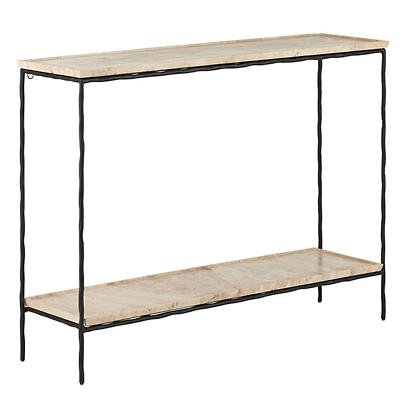
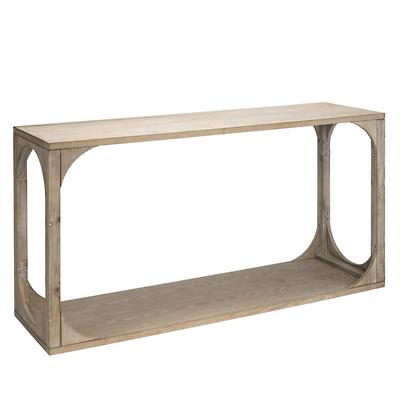


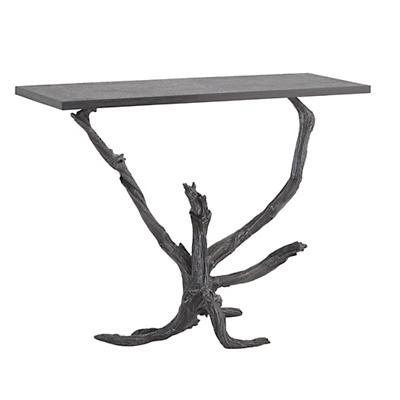


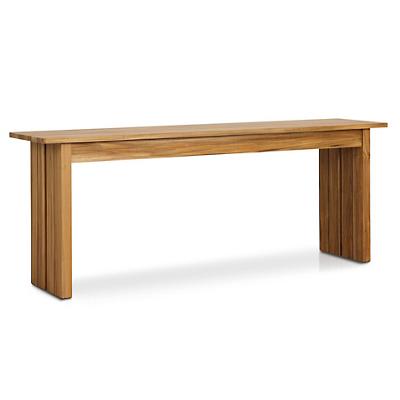


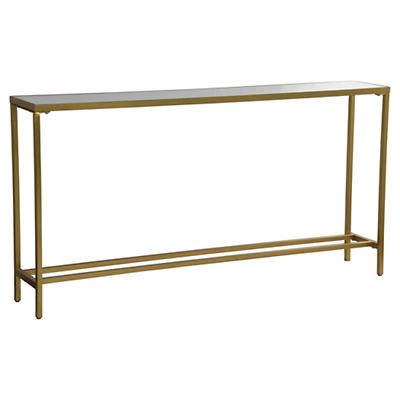


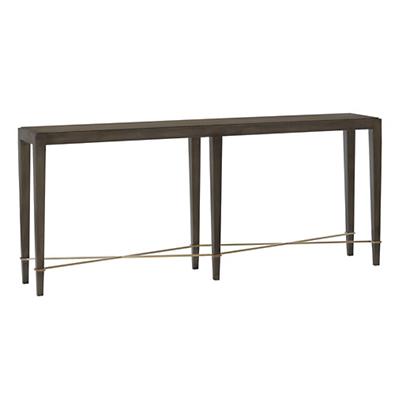

Console Tables Explore
Transitional Console Tables
Transitional console tables bridge the gap between classic refinement and contemporary simplicity, offering the perfect balance for today's eclectic interiors. These versatile pieces blend traditional craftsmanship with clean-lined modern sensibility, creating furniture that feels both timeless and fresh. Our curated collection spans from sculptural statement pieces to streamlined functional designs, featuring premium materials like solid oak, cast glass, and hand-finished metals. Whether anchoring your entryway, floating behind a sofa, or defining a hallway, transitional console tables deliver sophisticated style without committing to a single design era.
Understanding Transitional Console Tables
Transitional console tables occupy the sweet spot between traditional ornate styling and stark modern minimalism. They feature simplified silhouettes with subtle classical references—think tapered legs instead of heavily carved ones, or understated metal detailing rather than elaborate hardware. The Amber Lewis x Four Hands Augusta Console Table exemplifies this approach with textured iron and clean geometry. Unlike purely modern designs that emphasize industrial materials, or traditional pieces heavy with embellishment, transitional styles incorporate warmth through natural wood tones, organic textures, and balanced proportions. This versatility makes them ideal for homes blending multiple design influences or for those seeking furniture that transcends fleeting trends.
Key characteristics:
• Neutral color palettes (grays, natural woods, muted metallics)
• Mixed materials combining wood with metal or glass
• Simplified traditional forms with contemporary proportions
• Understated hardware and minimal ornamentation
Transitional Console Table Style Variations
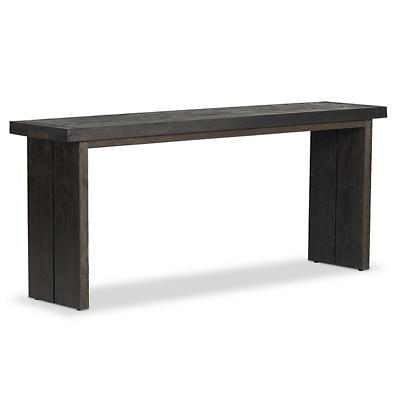
Our transitional collection encompasses diverse aesthetic interpretations. Rustic-transitional pieces like the Fausto Console Table showcase bleached or smoked guanacaste wood with organic grain patterns and substantial presence. Contemporary-transitional designs such as the Rosenell Console Table feature sleek oak veneers in black or natural finishes with architectural drawer configurations—available in 60-inch and 78-inch widths for different spatial needs.
Material-driven transitional styles:
• Glass and metal combinations: The Dalston Cast Glass Console Table pairs smoked black cast glass with minimalist framing
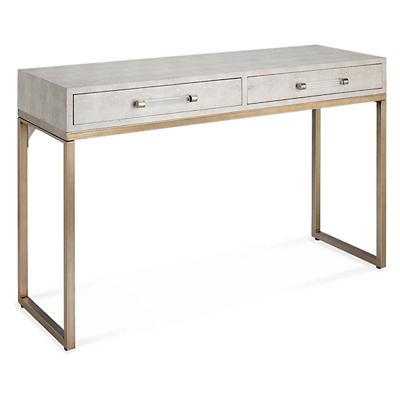
• Painted wood finishes: The Ford Console Table features beige painted linen texture for soft sophistication
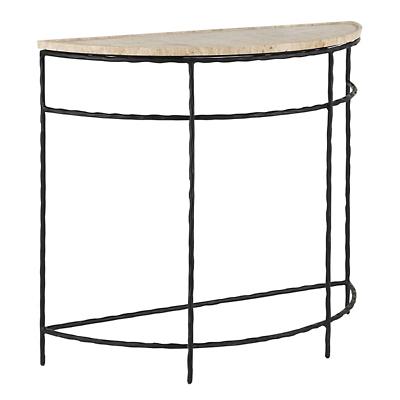
• Mixed-material constructions: The Bingham Console Table combines distressed iron with rustic oak veneer
These variations ensure compatibility with existing living room furniture while maintaining cohesive transitional character.
Materials & Finishes for Transitional Console Tables
Material selection defines both aesthetic impact and durability. Solid hardwoods like oak and maple provide lasting stability and authentic character—essential for high-traffic entryways. Wood veneers over engineered cores offer consistent finish quality at accessible price points while maintaining structural integrity. The Suki Console Table demonstrates how burnished black finishes create dramatic contrast without overwhelming spaces.
Metal finishes shape transitional character:
• Blackened iron and bronze: Ground designs with industrial-leaning warmth
• Brushed brass and gold leaf: Add subtle glamour, as seen in the Havana Console Table
• Natural iron and aged finishes: Provide authentic patina and lived-in appeal
Match metal tones to existing lighting fixtures—coordinate with wall sconces or pendant lighting finishes for cohesive design flow. Consider maintenance needs: sealed woods resist moisture in entryways, while powder-coated metals withstand daily use without showing fingerprints.
Size & Scale Considerations for Console Tables
Proper proportions ensure functional comfort and visual balance. Standard console table heights range from 28-32 inches—ideal for entryway use with table lamps or decorative displays. Behind sofas, select tables 2-4 inches shorter than sofa backs to maintain sightlines while providing accessible surfaces. The Maly Console Table offers coffee iron finish in proportions suited for standard 84-inch sofas.
Depth guidelines:
• Narrow spaces (10-14 inches deep): Maximize walkway clearance in hallways
• Standard depths (14-18 inches): Balance display space with room flow
• Generous depths (18+ inches): Accommodate storage drawers and substantial decor
Width recommendations:
• 48-60 inches for standard entryways or behind sofas
• 60-78 inches for grand foyers or king-size bedroom walls
• Measure available wall space, leaving 6-12 inches clearance on each end
The Wick Console Table offers customization across three sizes with multiple wood and metal finish combinations, ensuring perfect spatial fit.
Placement & Styling Your Transitional Console Table
Strategic placement maximizes both function and visual impact. Entryway consoles establish first impressions—pair with a large mirror to amplify light and space perception. The Serenity Console Table in gray washed oak creates welcoming warmth. Position table lamps at outer edges with decorative objects or greenery centered for balanced composition.
Behind-sofa placement tips:
• Maintain 3-6 inches between sofa back and console for accessibility
• Use as display surface for framed photos, books, or sculptural objects
• Add task lighting for reading areas
• Consider the Trinity Console Table with distressed light oak for casual living spaces
Hallway and bedroom applications:
• Select narrow depths (under 14 inches) to preserve walkway flow
• Incorporate storage drawers for concealed organization
• The Kain Console Table in cream or grey offers streamlined storage
Layer textures through woven baskets, ceramic vessels, or metal accents to enhance transitional character without visual clutter.
Transitional Console Tables: Common Questions Answered
What makes transitional different from modern or traditional? Transitional design synthesizes elements from both aesthetics—incorporating traditional warmth and craftsmanship with modern simplicity and clean lines. This creates versatile pieces that complement diverse interiors without stylistic rigidity.
How do I match finishes to existing furniture? Coordinate undertones rather than exact matches. Warm woods pair with brass and bronze metals; cool-toned grays complement nickel and iron finishes. The Globo Console demonstrates how white or pink lacquer introduces contemporary contrast within transitional spaces.
Can console tables support heavy items like TVs? Verify weight capacity specifications—solid wood constructions typically support 50-100+ pounds. The Monterey Console Table features natural iron framing for substantial load-bearing capability. Ensure level installation and distribute weight evenly.
What's a realistic budget for quality transitional console tables? Entry-level pieces start around $700-$1,100, offering veneer construction and simpler designs like the Soto Console Table at $1,349. Mid-range options ($1,500-$2,200) provide solid wood, superior joinery, and designer collaborations. Premium selections ($2,400+) feature customization, artisan finishes, and heirloom-quality construction.
How do I choose between drawers and open shelving? Prioritize function: drawers conceal clutter in entryways (keys, mail, accessories), while open shelving displays decorative objects and maintains visual lightness. Many transitional designs combine both—the Royal Console Table balances storage with display surfaces.
Shopping Guide: Selecting Your Perfect Transitional Console Table
Navigate our collection by identifying your primary needs. For narrow entryways, prioritize slim profiles under 14 inches deep with vertical storage solutions. Behind-sofa applications benefit from longer widths (60-78 inches) and lower profiles. Bedroom console tables along king-size walls create symmetrical styling opportunities with coordinated floor lamps flanking each end.
Material durability considerations:
• High-traffic entryways: sealed hardwoods, powder-coated metals
• Low-traffic bedrooms: painted finishes, delicate veneers, glass accents
• Humid environments: avoid unsealed wood; choose metal or treated surfaces
Style coordination strategies:
• Match wood tones to existing occasional tables within 1-2 shades
• Repeat metal finishes from lighting fixtures for cohesion
• Contrast textures—pair smooth lacquers with rough-hewn woods
Our collection spans Four Hands, Jonathan Adler, Hooker Furniture, and other premium brands, offering 77 transitional options with diverse price points, materials, and customization possibilities.
Discover Your Ideal Transitional Console Table
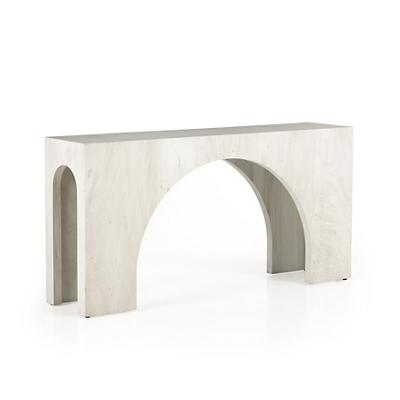
Transitional console tables deliver enduring style that evolves with your interior vision. From the architectural drama of the Charnes Console Table to the understated elegance of the Sommer Console Table in sienna brown pine, our collection addresses every spatial challenge and aesthetic preference. Explore premium craftsmanship, designer collaborations, and customizable options that transform functional surfaces into defining design moments.
Finish your space with a modern console table designed to elevate everyday living.
Console TablesFrequently Asked Questions
What is the point of a console table?
A console table is designed to add both style and practicality to any room. Often positioned in entryways, living rooms, or hallways, these versatile pieces provide convenient storage, decorative display space, and can act as a focal point in your decor. Whether using a modern console table for artistic arrangements or a wood console table for functional storage, it elevates the aesthetic and organization of your home.
Expert Tip: Console tables serve as the "jewelry" of a room - their slim profiles (12-15" depth) allow them to enhance narrow spaces without crowding. The most stylish placements use the rule of thirds: fill the top third with decor, middle third with functional items, and leave the bottom third visually clean.
How do I choose the right size console table?
Selecting the right console table size depends on the available space and intended purpose. As a general rule, your console table should measure approximately two-thirds the length of the adjacent wall or sofa to maintain balanced proportions. Ensure sufficient clearance around the table to move comfortably, and consider the height—typically matching or slightly lower than surrounding furniture—to achieve visual harmony.
Expert Tip: For perfect proportions, the table length should equal the width of any artwork hung above it. In hallways, maintain at least 36" of clearance - this ensures comfortable passage while allowing the table to command attention as a design element.
What are the different types of sofa tables?
Sofa tables, also known as console tables, come in a variety of styles, such as contemporary console tables with minimalist silhouettes, traditional wood console tables with ornate detailing, and sleek black console tables ideal for modern interiors. Additional types include storage console tables featuring drawers or shelves, narrow tables ideal for smaller spaces, and multi-tiered designs that provide ample space for decor and organization.
Expert Tip: The most versatile designs feature open bottoms (no lower shelf) which create an airy feel in small spaces. Look for tables with tapered legs that angle outward slightly - this subtle detail makes them appear even more slender while improving stability.
What is the most popular sofa table size?
The most popular sofa table size is typically around 30 to 48 inches in length, 12 to 15 inches deep, and 30 to 32 inches high. This size accommodates most living spaces comfortably, providing a harmonious balance between functionality and aesthetic appeal.
Expert Tip: The 36-42" range represents the sweet spot - long enough to make a statement but short enough to fit standard wall spaces between doors and corners. This size also perfectly accommodates a pair of table lamps (placed 28-32" apart) for balanced lighting.
What is the correct height for a sofa table?
A sofa table or console table generally stands between 30 and 32 inches high. Ideally, it should match or be slightly lower than the back of your sofa, ensuring a cohesive and functional placement that complements the surrounding furniture.
Expert Tip: The ideal height creates a 10-12" gap between the tabletop and sofa back. This allows easy access to items while maintaining visual connection between the pieces. For sofas with low backs (under 30"), consider a 28" table to preserve proportions.
What kind of wood is best for a console table?
Hardwoods like oak, walnut, maple, or cherry are among the best choices for console tables due to their durability, attractive grain patterns, and lasting strength. Walnut offers a refined, elegant look, while oak provides classic durability ideal for everyday use. Maple and cherry lend warmth and sophistication to contemporary and traditional designs alike.
Expert Tip: Quartersawn hardwood (especially white oak) resists warping better than plain-sawn boards - crucial for long, narrow tables. Look for tables with breadboard ends (properly constructed with room for wood movement) to prevent cracking over time.
How big should a console table be?
Your console table should be proportionate to its surroundings. Typically, it should span about two-thirds the length of a wall or sofa it accompanies, generally between 30 and 48 inches long and 12 to 15 inches deep. The height is commonly around 30 inches, aligning comfortably with standard furniture dimensions to enhance both form and function.
Expert Tip: In entryways, choose tables with depths under 14" to avoid obstructing traffic flow. The top should be at least 4" wider than your largest decorative object (like a tray or sculpture) to create a curated, intentional look rather than a cramped display.