Cream Wood Modern Bedroom Benches
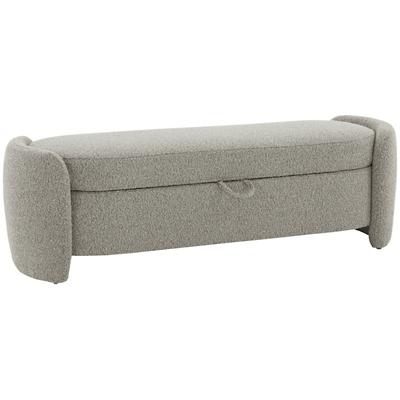


Bedroom Benches Explore
Why We Love Bedroom Benches
When paired with modern furniture and accessories, a bench can be the finishing touch in your bedroom and it can act as a catch-all for your clothes and personal items. Whether it sits at the front of the bed or tucked away in the corner of the room, a bedroom bench adds that final bit of character to the space and resolves any issues with furnishing the remaining space.
A bench is sometimes an overlooked piece of furniture, but with the right bench, you can introduce a noticeable design character to your bedroom. Occasional furniture, like benches and accent tables, has the unique ability to tie a room together with little effort. You likely have a bed, nightstands and a lounge chair in the space already, and a bench helps to bring the area's design full circle. Plus, most of the benches found in this collection belong to larger product families, allowing you to create your bedroom's look with consistency.
A Bedroom Bench for Every Style
A decorative bench is best when placed at the foot of the bed. Here, the bench is out of the way from your path to the bed and you will avoid any chances of running into it in the middle of the night. Depending on the size of your bed and the layout of your bedroom, you may want to choose a smaller bench over a large bench. A large bedroom bench may also provide additional storage to help keep your room clutter-free. With a vast selection of options like the Paramount Ottoman Bench by Blu Dot and the Transit Bench from Gus Modern, finding a bench for your bedroom is an easy task.
Choosing the Best Bedroom Bench
As with any piece of furniture, understanding the size of a bench is important when selecting the right one for your room. Once you know where you want to place a bench, either at the foot of the bed or elsewhere, you'll need to measure to have an idea of how big of a bench you need. Keep in mind important dimensions like height, width and depth to choose the best bench. If you plan to use a bench to organize clothing and other items, you'll need to choose a storage bench. You will also want to refine your options by colors and finishes to select a bench that most appropriately fits into your existing color scheme. If you have any questions about the bedroom benches featured here, please call our furniture experts at 877.445.4486.
Other Considerations
Other rooms in the house also benefit from the addition of a bench. In the kitchen or dining room, benches offer additional seating and storage, and a bench easily complements any entryway area as a place to wait or to temporarily put your coat on. You may also want to complete the look of your bedroom with more modern furniture pieces including a new bed frame, nightstands and a comfort-exuding lounge chair. Finally, consider browsing the collection of bedroom lighting to find the right ceiling light, portable lamp, fan or wall sconce for your room.
Bedroom BenchesFrequently Asked Questions
Why do people put benches in front of beds?
People commonly place a bedroom bench at the foot of a bed for practical and aesthetic reasons. It provides a convenient spot for seating, putting on shoes, laying out clothes, or offering additional storage space, all while enhancing the room's visual appeal.
Expert Tip: A bedroom bench solves multiple problems elegantly - it creates a landing spot for folded laundry (keeping clothes off the floor), provides seating for putting on shoes (protecting bedding from dirt), and visually anchors the foot of the bed. Choose one with a low back if you need to slide it partially under the bed frame to save space.
What are different types of benches?
Various bench types include storage benches, upholstered benches, wooden benches, entryway benches, garden benches, and dining benches. Each style is designed for different purposes, from indoor seating and storage to outdoor leisure.
Expert Tip: For bedrooms specifically, consider these functional types: 1) Storage benches with lift-up lids for extra blankets, 2) Backless upholstered benches that can double as impromptu luggage racks, and 3) Wooden benches with a slight curve to complement traditional bed frames. Avoid outdoor-style benches which may lack bedroom-appropriate comfort.
What is the importance of upholstered furniture?
Upholstered benches and furniture offer enhanced comfort, aesthetic value, and sound absorption. Quality upholstery adds warmth and texture, contributes to the overall décor, and provides comfortable seating areas in bedrooms or living rooms.
Expert Tip: Upholstered bedroom benches add tactile softness to balance hard surfaces like wood floors or metal bed frames. Look for performance fabrics (like Crypton) if using near dressing areas where makeup or perfumes might stain. Tufted designs prevent cushion shifting while adding luxurious detail.
What can I use for an outdoor bench?
Durable materials like teak, cedar, metal, and all-weather wicker are best for outdoor benches. These materials resist moisture, UV rays, and temperature fluctuations, making them suitable for year-round outdoor use.
Expert Tip: For bedroom benches that occasionally go outdoors (like on a balcony), choose teak or powder-coated metal with removable indoor-outdoor cushions. These transition seamlessly while resisting moisture. Avoid all-wicker designs in bedrooms - they can shed and feel too casual.
What is the best outdoor bench color?
Neutral colors like white, black, gray, or natural wood tones are ideal for outdoor benches. These colors blend effortlessly with most outdoor spaces and décor styles and help conceal wear or fading over time.
Expert Tip: In bedrooms, consider bench colors that complement your bedding. Deep navy or charcoal hides scuffs better than light neutrals. For versatility, choose a bench with reversible cushions - one neutral side for everyday, one bold pattern for seasonal changes.
What is the standard size of a patio bench?
A typical patio bench measures around 42 to 60 inches in width, 16 to 18 inches in depth, and approximately 18 inches high. These dimensions comfortably seat two to three adults.
Expert Tip: Bedroom bench proportions matter most: For queen beds, 48-54" wide maintains balance without overwhelming. Leave at least 24" of walking space on either side. Depth under 18" prevents toe-stubbing when walking past.
How much does it cost to build a bench with storage?
Building a custom storage bench typically costs between $200 and $500, depending on materials, complexity of design, labor, and finishes. High-end materials and elaborate craftsmanship can increase costs significantly.
Expert Tip: Custom-built storage benches often cost more than ready-made due to labor. For DIY, use pre-fabricated storage cubes (like IKEA's EKET series) topped with a cushioned board - this creates affordable, modular storage under $200.
How do you finish a wooden outdoor bench?
Finish a wooden bench using exterior-grade stains, varnishes, or sealants. Choose finishes that offer UV and moisture protection to enhance durability and preserve the natural beauty of the wood.
Expert Tip: For bedroom wooden benches, use non-toxic, odorless finishes like beeswax or water-based polyurethane. These are safer for enclosed spaces while still protecting from occasional spills. Reapply every 2-3 years on high-use pieces.
How do you weatherproof an outdoor wooden bench?
Weatherproofing an outdoor wood bench involves applying an exterior wood sealer, paint, or stain designed specifically for outdoor furniture. Regular application helps protect the bench from water damage, UV rays, and extreme temperatures.
Expert Tip: Even indoor bedroom benches benefit from light weatherproofing on the legs if you have wood floors. Felt pads prevent scratches, and a quick coat of wax protects against winter dryness or summer humidity warping.
What is the standard height of an outdoor bench?
The standard height of an outdoor bench ranges from 16 to 18 inches, providing comfortable seating height for most adults.
Expert Tip: Bedroom benches should be slightly lower than your mattress height (typically 16-18") for easy seating. Exception: Taller 20" benches work well at dressing tables where you need more leg clearance.
How do you maintain an outdoor bench?
Maintain outdoor benches by regularly cleaning them with mild soap and water, inspecting for wear or damage, and periodically applying protective coatings to preserve their condition.
Expert Tip: For upholstered bedroom benches: Vacuum weekly with a brush attachment, blot spills immediately with a microfiber cloth, and rotate cushions monthly to even out wear. Leather benches need conditioning every 6 months.
What is a bedroom bench for?
A bedroom bench provides convenient seating, extra storage, a place to set clothing or bedding, and enhances the overall style and décor of the bedroom.
Expert Tip: Creative uses beyond seating: 1) Display a curated stack of art books under a tray, 2) Corral throw blankets in a basket underneath, 3) Serve as a temporary spot for guests' purses during gatherings.
What size bench should I get for my bedroom?
Select a bedroom bench about two-thirds the width of your bed. Typically, a bench measuring 45–60 inches wide suits queen or king-sized beds, while smaller beds pair well with benches around 40 inches.
Expert Tip: The golden ratio: Bench width should be about 75% of your bed's width. For king beds (76"), aim for 55-60"; for full beds (54"), 40-45" works best. Always measure your clearance space first.
What is a bedroom bench called?
A bedroom bench placed at the foot of the bed is commonly referred to as an end-of-bed bench or simply a bedroom bench. These benches can be upholstered, wooden, or storage benches.
Expert Tip: Designers often call them "bed-end benches" or "boudoir benches," especially when referring to the smaller, more decorative versions used in dressing areas. Storage versions may be called "hope chest benches."
What are the best bedroom benches?
The best bedroom benches offer a combination of comfort, style, and practicality. Upholstered storage benches are popular for their soft seating and hidden storage, while solid wood benches provide durability and timeless style.
Expert Tip: The most functional bedroom benches have: 1) Weight capacity of 300+ lbs, 2) Removable/washable cushion covers, and 3) Legs set in from the edges (so they don't catch socks or slippers). Look for these features in any style.
How deep should a bed bench be?
An ideal bed bench depth ranges between 16 and 20 inches. This depth provides adequate seating comfort without obstructing pathways around the bed.
Expert Tip: Test the depth by sitting on potential benches - your knees should bend at 90 degrees with feet flat on the floor. For primarily decorative use, 14-16" suffices; for daily sitting, 18-20" is more comfortable.