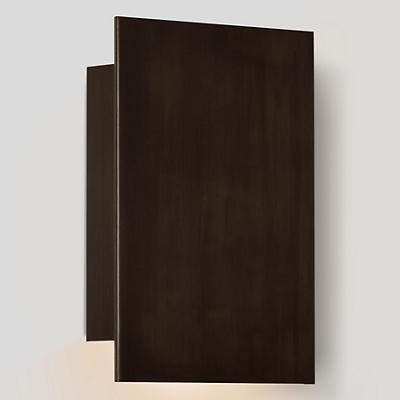
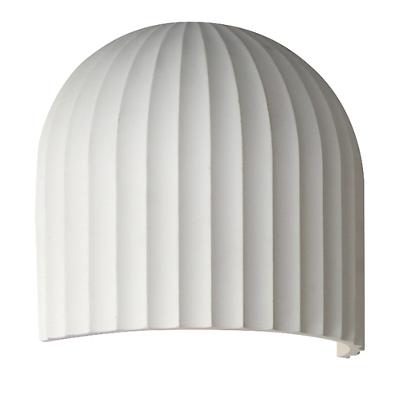
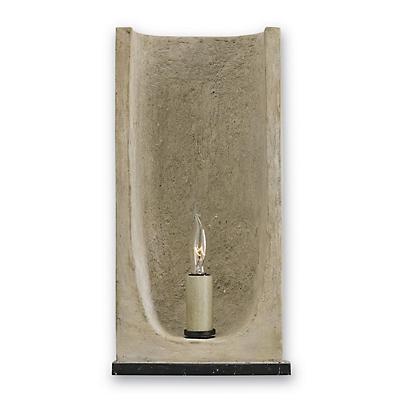
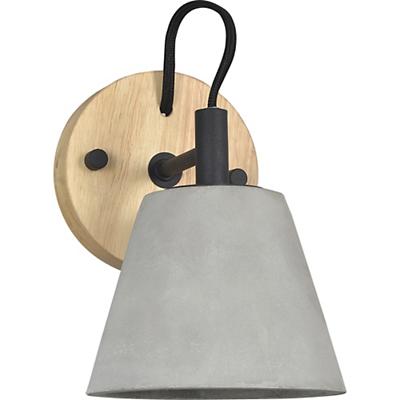
Transitional Concrete Modern Wall Lights



Wall Lights Explore
The Transformative Power of Wall Lights
Wall lights represent perhaps the most versatile and underutilized lighting category in interior design. These strategic fixtures transform ordinary spaces into architectural showcases, create inviting atmospheres, and solve practical lighting challenges that ceiling or floor fixtures simply cannot address. From sleek contemporary sconces to dramatic outdoor wall lights, these vertical illumination solutions offer both functional benefits and aesthetic impact that elevate your entire environment.
Understanding the Unique Benefits of Wall Light Fixtures
Unlike other lighting categories, wall lights occupy a distinctive position in both the physical space and visual hierarchy of a room. This strategic placement creates several compelling advantages:
Architectural Enhancement
Wall light fixtures interact directly with your vertical surfaces, creating patterns of illumination that:
- Emphasize textural elements like stone, brick, or woodwork
- Create rhythmic patterns that visually expand narrow spaces
- Highlight architectural features that might otherwise go unnoticed
- Establish visual division between different functional zones
This interplay between light and architecture transforms flat surfaces into dynamic elements that contribute to the overall design narrative of your space.
Space Optimization
In environments where floor or surface space is limited, wall-mounted lighting solutions:
- Free up valuable tabletop real estate in compact rooms
- Eliminate cord management challenges associated with floor lamps
- Provide illumination without introducing visual clutter
- Create the perception of higher ceilings when properly positioned
This space-efficient approach proves particularly valuable in urban environments, compact homes, and multi-functional spaces where every square foot matters.
Layered Illumination
Professional designers recognize that exceptional lighting comes from multiple sources at varying heights. Wall lights contribute essential mid-level illumination that:
- Bridges the gap between ceiling fixtures and table lamps
- Reduces harsh shadows created by overhead lighting alone
- Creates visual interest through varying light intensities
- Establishes depth perception cues that make spaces feel larger
This intermediate layer transforms flat, institutional-feeling environments into dynamic, welcoming spaces with sophisticated lighting profiles.
Wall Lights for Every Room: Strategic Applications Throughout the Home
Living Room Wall Lights: Creating Atmosphere and Function
The living area benefits from wall lights that balance ambiance with practical illumination:
- Flanking Applications: Pairs of sconces create symmetrical balance around focal points like fireplaces or large artwork
- Indirect Glow: Uplights wash ceilings with soft illumination that expands perceived space
- Reading Zones: Adjustable wall lamps positioned near seating create dedicated reading environments
- Media Enhancement: Dimmable wall fixtures reduce glare during screen time while maintaining navigable space
The most successful living room applications blend decorative presence with functional purpose, enhancing both the room's appearance and usability.
The Transformative Impact of Thoughtful Wall Lighting
When strategically selected and properly placed, wall lights transcend basic illumination to become transformative design elements. Their unique position between architectural framework and interior furnishings allows them to:
- Create emotional responses through light quality and distribution
- Define spatial boundaries without physical barriers
- Highlight architectural features that might otherwise go unappreciated
- Provide essential functionality without consuming valuable floor or surface space
Whether illuminating a cozy bedroom reading nook, adding drama to your home's exterior, or creating safe passage through corridors, wall light fixtures represent one of the most impactful investments in both the function and atmosphere of your environment. By understanding their unique capabilities and applications, you unlock design potential that transforms ordinary spaces into extraordinary experiences.
Wall LightsFrequently Asked Questions
How do I choose the right wall lighting fixtures for my space?
To choose the right wall lighting fixture, first consider the room's needs. Identify how much natural light is present in the space and where it comes from. Also consider the fixtures already in the room and the layering of the light. Style, size and placement of new wall lights also all contribute to the fixture blending in or standing out in the room. Proper research is always recommended as there are many aspects to consider.
Expert Tip: Create a lighting plan by mapping your room's "light zones" - task areas need 3x more illumination than transitional spaces. For balanced lighting, space wall fixtures 6-8 feet apart in living areas and 3-4 feet apart in hallways.
What are some popular trends, styles and designs in wall lighting?
Wall lighting is available in many popular trends and styles including Art Deco, mid-century modern, Scandinavian and modern and contemporary.
Expert Tip: For timeless appeal, choose fixtures with clean lines in brushed brass or matte black finishes. Current trending details include ribbed glass shades and geometric backplates that cast interesting shadow patterns when illuminated.
How do I determine the appropriate height and placement of wall lights on a wall?
The appropriate height of a wall light should be eye level, which is typically 60 to 66 inches from the floor to the center of the fixture. This will avoid glare and direct light into people’s eyes while achieving maximum light in the room. Also take into account available wall space and other wall lights in order to achieve a sense of symmetry, flow and balance devoid of clutter.
Expert Tip: In dining rooms, install wall sconces 12-18 inches above chair rail height. For stairways, position fixtures every 4 steps with the bottom light starting at 60" from the stair nose.
How can I use wall lighting to enhance the ambiance or mood of a space?
Wall lighting with warm-colored bulbs or dimmers can shape the atmosphere of a room into a cozier and relaxed feel. The use of up-lighting and down-lighting can create interesting patterns and looks on the wall, shaping the tone of the room. Using wall lights as accent lights or alongside other fixtures as layered lighting will establish depth to the room.
Expert Tip: For maximum ambiance, install wall washers with 2700K LED bulbs on dimmers. Position them to graze textured surfaces - this creates dynamic shadows that make rooms feel 20% larger.
What are some tips for layering wall lighting with other types of lighting fixtures?
Layering wall lighting can create a balanced lighting scheme in a room. Determine where other light fixtures are already present and how their light fills the room. Accent this light to create cohesion and symmetry in the room. Also keep in mind the available wall space. Try not to create cluttered walls or parts of the room with too much light. The idea is always to achieve a sense of balance and harmony.
Expert Tip: Follow the "30-30-30" rule for perfect layering: 30% ambient (ceiling), 30% task (table/floor), and 30% accent (wall) lighting. Use wall lights to fill dark corners between other fixtures.
What are some energy-efficient options for wall lighting?
The most popular option for energy-efficient wall lighting is the use of LED bulbs. LEDs use far less energy consumption than traditional incandescent bulbs while saving on power costs and lasting longer. Motion sensor lights, solar capabilities and integration with smart technology are also effective ways to be energy efficient.
Expert Tip: Look for ENERGY STAR rated wall sconces with integrated LEDs - they use 75% less energy and last 25x longer than incandescent options. Smart wall lights with occupancy sensors can reduce energy use by 50%.
How can I use wall lighting to highlight artwork or architectural features?
Wall lighting is an ideal fixture for highlighting artwork and architectural features. Look to picture and display lights to present a specific focus on hanging artwork or other prominent display pieces. Wall lights with up-lighting and down-lighting can also highlight specific aspects of a room while creating appealing patterns or displays upon the wall.
Expert Tip: For artwork lighting, choose adjustable picture lights with 90+ CRI LEDs mounted 12-18 inches above the piece at a 30-degree angle. This eliminates glare while revealing true colors. For architectural features, use linear wall washers spaced every 3 feet.
