Modern Outdoor Spotlights & Floodlights
Landscape spotlights and flood lights direct light where it’s needed most. Spotlights produce a narrow, focused beam of light ideal for accenting trees, architecture, and focal points, while flood lights cast a wide, powerful spread of light for driveways, outdoor living spaces, and security.
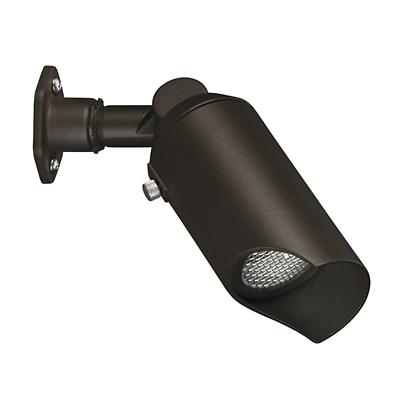
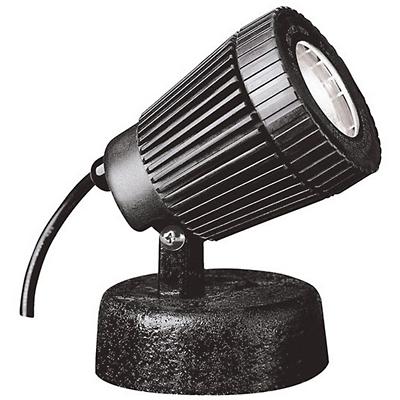
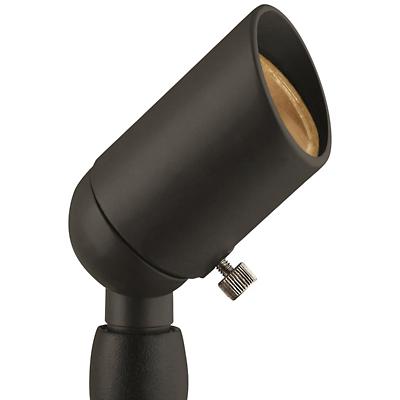
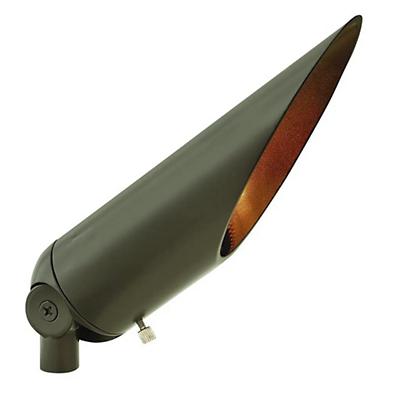



Spot & Flood Lights Explore
Modern Outdoor Spotlights & Floodlights
Landscape spotlights and outdoor flood light fixtures direct light where it's needed most. The spot light vs flood light choice comes down to beam spread: spotlights produce a narrow, focused beam ideal for accenting trees, architecture, and focal points, while outdoor flood lights cast a wide, powerful spread of light for driveways, outdoor living spaces, and security.
Add Light Outside the Home with Spot Lights & Flood Lights
Outdoor spotlights and flood lights are great ways to highlight unique features of a landscape. They instantly add drama, creating fascinating shadows in trees and adding visual height to walls and architecture. While powerful and able to reach great heights, landscape spotlights and flood lights are usually low voltage, and they easily adjust so they can be pointed right where a splash of decorative light is most desired.
Spot Light & Flood Light Buying Guide
A Spot Light or Flood Light for Every Style
With any outdoor lighting fixture comes a variety of styles to choose from and these spot lights appeal to a number of exterior aesthetics. For traditional landscapes with heavy arborous areas, look to the spot lights and flood lights from Kichler to help create dramatic shapes and shadows. These options have flexible heads to rearrange and maneuver to any liking. Hinkley Lighting offers a multitude of contemporary and modern spot lights, with options that are simply placed in the ground with a stake. In-ground and recessed spot lights and outdoor LED flood lights are perfected by BEGA. These decorative LED fixtures combine elements of design with energy efficiency to really accent the landscape.
How to Choose the Best Spot & Flood Lights
First, determine the purpose of a spot light or flood light. When positioning spotlights outdoor, aim the beam across a facade or up into a tree canopy; reserve flood lights exterior to the home for driveways and broad perimeters where a wide wash is needed. Many of these landscape light fixtures feature directional heads, allowing for the light to be directed toward trees or other elements of a backyard. Directional spot lights can be used indoors and outdoors. In addition to wall spot lights, there are also plenty of in-ground and recessed well lights that can be used as outdoor flood light fixtures or spot lights. These options provide exceptional uplighting for trees, fountains, garden accents, and signs for commercial locations.
With any outdoor light fixture, verify it is UL listed and safe for outdoor use. A damp or wet location rating is necessary for landscapes where the presence of water is inevitable. For exposed installations such as garden beds or open patios, check the IP (Ingress Protection) rating; an IP65 or higher confirms the fixture can withstand water jets and dust intrusion. LED flood lights for outside and exterior LED spotlights are ideal choices for these settings, combining durability with long-term energy savings. For use indoors, look to living room directional spotlights for a similar light output and display for the decor.
Placement: Where is the best place to install a flood light or spot light?
Flood Lights are best placed in areas where broad lighting is needed, such as driveways, backyards, parking lots, or building perimeters.
Spot Lights are suited for highlighting specific objects, architectural features, garden elements, statues, or pathways.
Wattage: What is the best wattage for a flood light or spotlight?
The ideal wattage for flood lights and spotlights varies based on the intended use and area coverage.
For residential: spot lights or flood lights commonly range between 20 to 50 watts.
For accenting features: spot lights or flood lights can be around 20 watts.
For commercial spaces or large outdoor areas: spot lights or flood lights can range from 50 to 300 watts or more.
How many lumens are suggested for outdoor flood lights?
Lumens measure the light output, and the necessary amount depends on the application. For driveways and backyards, 700 to 1,300 lumens provides strong, even illumination across the space. For garden pathways, 100 to 200 lumens creates subtle, guiding light without overpowering the landscape.
Efficiency: Are flood lights or spotlights energy efficient?
The energy efficiency of flood lights and spotlights largely depends on the type of bulb or technology used. LED flood lights for outside are currently the most energy-efficient options available. They consume less power and last longer than traditional halogen or incandescent lights. Solar-powered variants are also energy-saving, as they rely on sunlight for power. When choosing lights, opt for LED models for better energy efficiency and longevity.
In addition to an in-ground spot light or outdoor flood light fixture, complete a layered lighting scheme with fixtures closer to the ground. Path, step, well, and accent lights provide welcoming decorative character to the backyard while creating safe, guiding light for dim pathways and walkways. Exterior flood lights and spot lights are just one piece of a complete scheme; outdoor sconces, deck lighting, and post lights round out a cohesive outdoor environment.
Explore the full assortment of landscape light fixtures to bring the design full circle.
Spot & Flood LightsFrequently Asked Questions
What's the difference between a spotlight and a flood light?
The difference is beam spread. Spotlights produce a narrow, focused beam ideal for accenting trees, architecture, and focal points, while flood lights cast a wide, powerful spread for driveways, outdoor living spaces, and security.
Expert Tip: Beam spread is usually printed on the box as a degree number — anything roughly under 45 degrees behaves like a spot, and anything wider reads as a flood. Two fixtures with identical wattage can look completely different on a wall because a tight beam concentrates the same lumens into a smaller, brighter pool, so always compare beam angle alongside lumens rather than judging by wattage alone.
Where should I place flood lights versus spotlights?
Flood lights are best in areas that need broad lighting, such as driveways, backyards, parking lots, or building perimeters. Spotlights are suited to highlighting specific objects, architectural features, garden elements, statues, or pathways.
Expert Tip: For uplighting trees and facades, set the fixture back from the object rather than at its base — placing it too close creates a harsh hotspot at the bottom and leaves the top in shadow. A good rule of thumb is to position the fixture a foot or two out and aim up the trunk, and to shield or angle the beam so it doesn't spill into a neighbor's window or blind drivers.
What wattage should I choose for a spotlight or flood light?
It depends on use and area coverage. Residential spot and flood lights commonly range from 20 to 50 watts, accent lighting is often around 20 watts, and commercial spaces or large outdoor areas can run from 50 to 300 watts or more.
Expert Tip: With LEDs, wattage is a power-draw figure, not a brightness figure — chase lumens for output and watts for your energy budget. Many pros deliberately under-light rather than over-light outdoors: the human eye adjusts to darkness, so a modest fixture reads as plenty at night, and overshooting the wattage flattens the shadows that give landscape lighting its drama.
How many lumens do I need for outdoor flood lights?
Lumens measure light output, and the right amount depends on the application. Driveways and backyards call for 700 to 1,300 lumens for strong, even illumination, while garden pathways only need 100 to 200 lumens for subtle, guiding light.
Expert Tip: Lumen counts are for a brand-new fixture — LEDs dim gradually over their lifespan (the "L70" point is when output has dropped to 70% of original), so it's smart to spec slightly above your target so the scene still reads well years later. Also account for surface color: a dark brick wall or mature evergreen swallows far more light than a pale stucco facade, so the same lumen count won't look equally bright on every surface.
What ratings should I look for to make sure a fixture is safe outdoors?
Verify the fixture is UL listed and safe for outdoor use, with a damp or wet location rating for landscapes where water is inevitable. For exposed installations such as garden beds or open patios, check the IP (Ingress Protection) rating — IP65 or higher confirms it can withstand water jets and dust intrusion.
Expert Tip: In an IP rating, the first digit is dust protection and the second is water protection, so a higher second number matters most where sprinklers or rain hit directly. Even a well-rated fixture fails at its weakest link — the wire connections — so use waterproof gel-filled connectors on any buried splice; that junction, not the fixture housing, is where most landscape lighting failures actually start.
Are LED flood lights and spotlights energy efficient?
Yes. LED flood lights are currently the most energy-efficient option available, consuming less power and lasting longer than traditional halogen or incandescent lights. Solar-powered variants are also energy-saving since they rely on sunlight for power.
Expert Tip: Beyond efficiency, pay attention to color temperature and CRI — a warm 2700–3000K light flatters landscaping and architecture, while cooler bluish LEDs can make greenery look sterile. Solar fixtures are convenient but trade brightness for freedom from wiring: their runtime drops sharply in winter and shaded spots, so reserve them for accents rather than the security or driveway lighting you need to count on every night.
Can these fixtures be used both indoors and outdoors?
Directional spotlights can be used indoors and outdoors. Indoors, living room directional spotlights offer similar light output and display for decor, while outdoors the same directional heads let you aim light at trees and other backyard elements.
Expert Tip: The reverse isn't safe — an indoor-only fixture lacks the gaskets and corrosion-resistant finish to survive outside, so never repurpose interior spots outdoors even under a covered porch, where humidity and temperature swings still take a toll. When a fixture is dual-rated, that flexibility usually comes from a sealed, wet-location build, which is exactly what makes it dependable outside.
How do spot and flood lights fit into a complete outdoor lighting plan?
They're just one piece of a full scheme. Complete the design with lower fixtures like path, step, well, and accent lights for safe, guiding light on walkways, and round it out with outdoor sconces, deck lighting, and post lights for a cohesive environment.
Expert Tip: The professional approach is layering in three tiers — uplighting for drama, path and step lights for safety, and ambient sconces or post lights for overall glow — so no single fixture has to do everything. Put the layers on separate switches or zones; being able to run just the low path lights on an ordinary evening and save the full show for entertaining is what separates a designed landscape from a floodlit one.