Modern Office Lighting, Home Office & Workspace Lighting






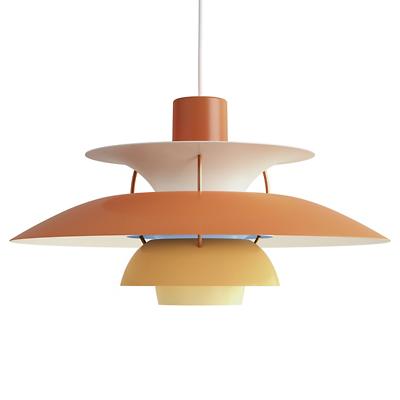

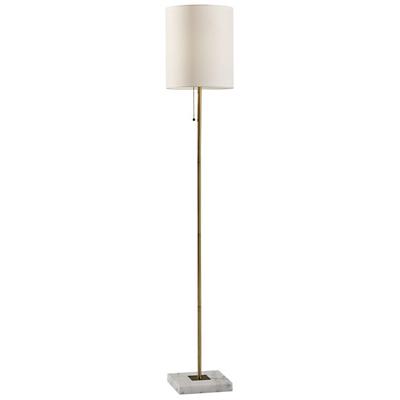
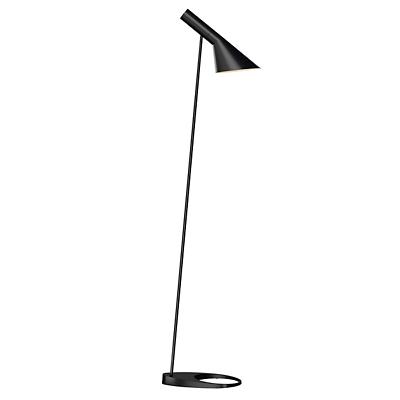
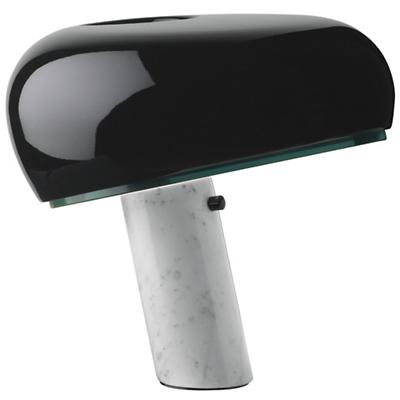
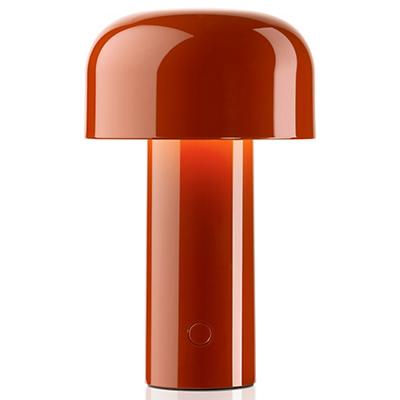
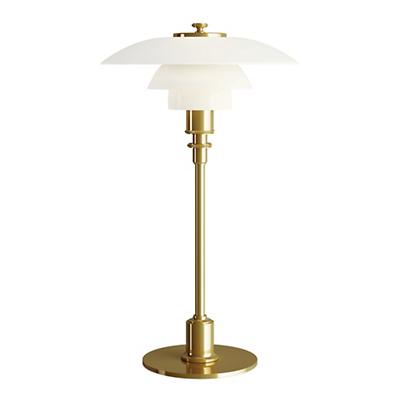


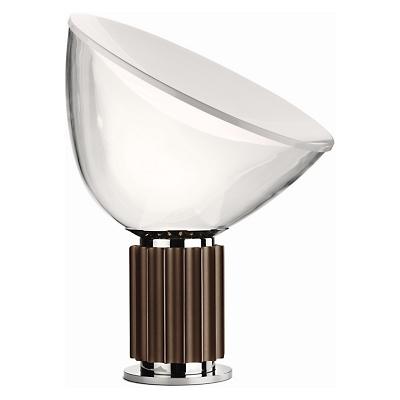
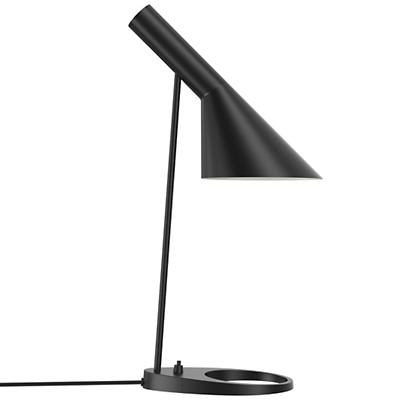
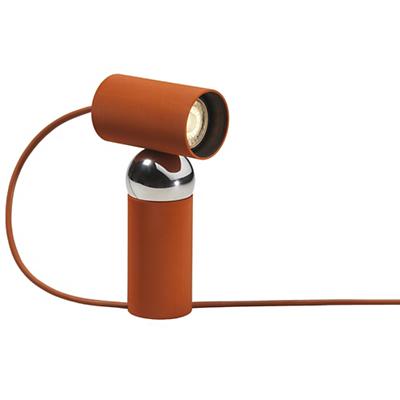
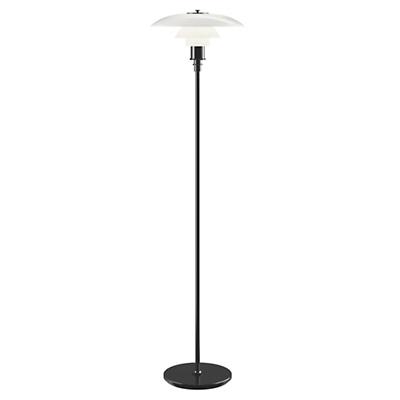
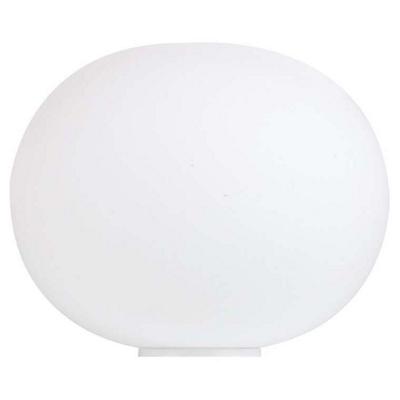
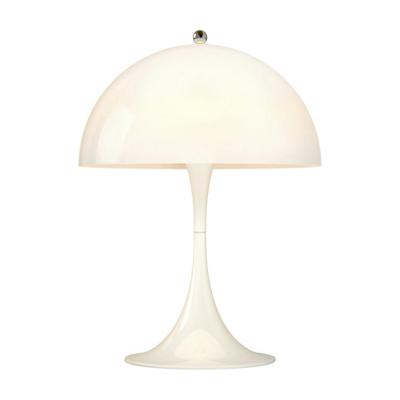


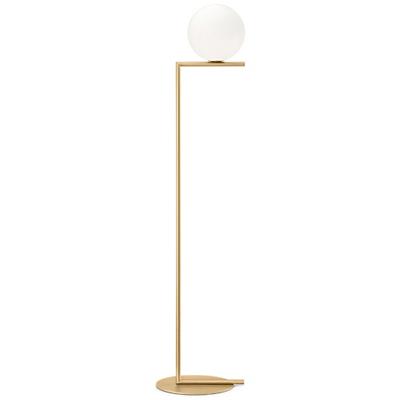
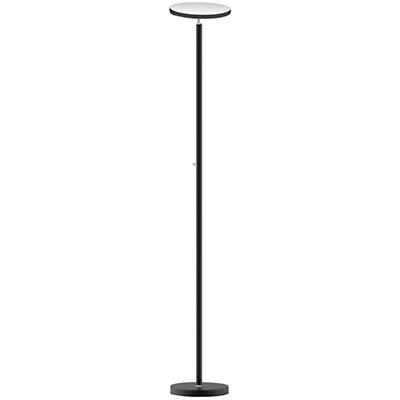
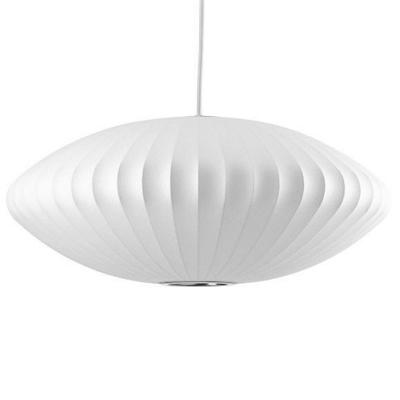

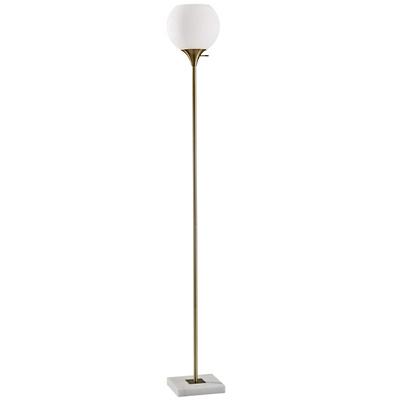


Office Lighting Explore
Why We Love Office Lighting
Never has work been so well-lit! With office lighting, you’ll be able to bend, pivot, adjust, dim and brighten your way to the perfect working environment. No longer will you have to put up with those blinding fluorescent lights that make your office feel more like a hospital. This collection of linear suspension, pendants, recessed lighting and various portable lamps will help light your home office or workspace while showcasing a simple, modern aesthetic that will make you feel part of the twenty-first century.
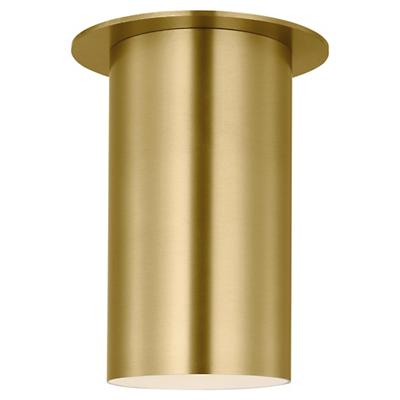
In a space where the right lighting is critical and correlated to your productivity, you need a well-chosen mix of fixtures to help you get the job done. Overhead lighting is essential to any workspace and is brightly accomplished with linear suspension. Linear suspension consists of rectangular pendants and chandeliers meant to provide a widespread amount of illumination for elongated surfaces like work desks, conferences tables, etc. And with your overhead lighting in place, you'll want the right task light to shine a bright amount of inspiration on whatever it is you are working. The combination of a office flush mount ceiling light and a desk lamp make for a well-rounded lighting scheme and well-rounded working environment.
Where LED Office Lighting Works Best
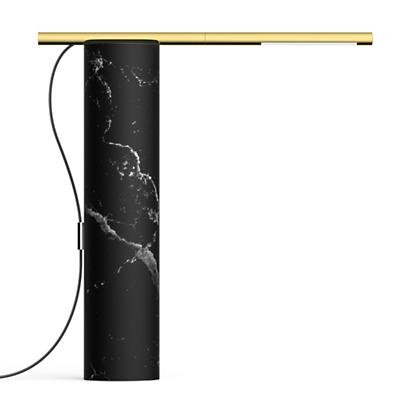
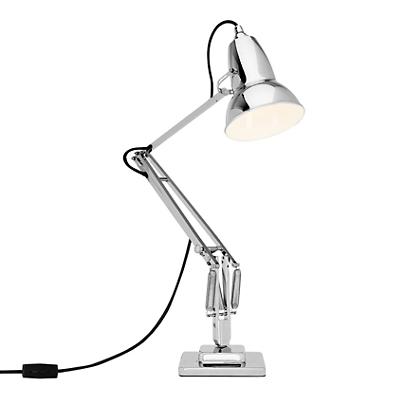
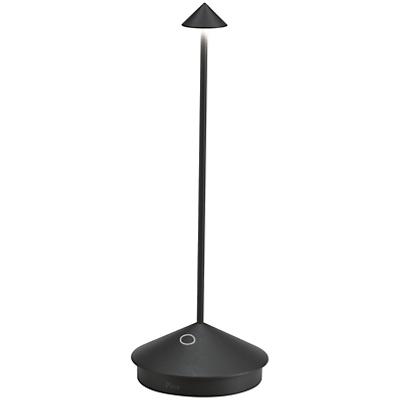
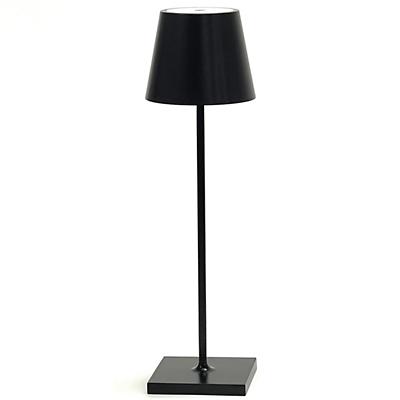
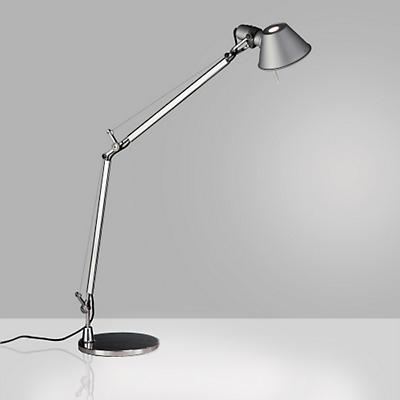
For specific tasks, you’ll need to be specific with your choice of lighting. The desk and task lamps offer a versatile solution to unpredictable lighting needs with their unobtrusive body and adjustable neck. In a space where you need light to adjust to you, you cannot go wrong with a modern desk lamp. Library lamps can also brighten up any reading and writing surface while offering an aesthetically pleasing and noticeably familiar style. Clamp & shelf lamps are especially designed for those who work on unconventional surfaces as they can be clipped and maneuvered in just about anyway you need. And for something a little more unusual, you may enjoy lighting up your desk's surface with an under cabinet light system.
Office Lighting for Every Style
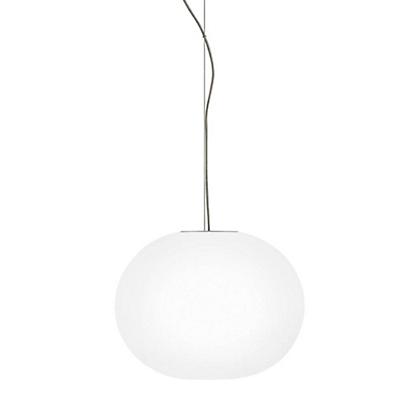
This vast collection of light fixtures spans a variety of decorative styles, giving you plenty of options to dress up your office area with. From traditionally finished linear chandeliers to modern desk lamps with a futuristic appeal, you're guaranteed to find just what you need here. A holistically updated office is not truly complete without a task lamp from Artemide or FLOS. These inherently modern collections feature iconic designs like the Tolomeo, the Tizio and the Glo-Ball, all of which can find their home in your office. LED office lighting is best accomplished with a selection of lamps from Koncept (you'll like their design, but love their energy efficiency). For a set of recessed fixtures you can add to your office's ceiling, look to the collection from WAC Lighting. And finally, Tech Lighting offers many eye-catching linear ceiling lights that will be the perfect fit suspended over your desk.
Choosing the Best Office Lighting
The best lighting for your office is that which caters to your needs and can provide the right amount of illumination for you. However, aside from providing light for the given task at hand, you'll want to choose fixtures that most appropriately fit into your space too. Review a fixture's sizing dimensions like height, width and length (for lamps with adjustable arms) to have an idea of how it will fit in your office. Once you have a size in mind, you can begin refining your options by colors, finishes and other important design features. And because the right amount of light is a vital component to the office and your workload, be sure to check the light's lumen chart to gauge just how bright it will be. If you have any questions about the home office light fixtures featured here, please call our lighting experts at 877.445.4486.
Other Office Light Fixture Considerations
Arc lamps are a lustrous, contemporary option to brighten your office too. They can either be placed on a surface or on the floor depending on the model. But, either way, their minimalist design is sure to offer you the maximum amount of workspace while employing bright task lighting to help you get the job done, whatever that may be. Lastly, consider keeping your office area cool with a ceiling fan. Modern ceiling fans pair well with the aesthetic of the lamps found here and many offer a source of downlight as well.
Office LightingFrequently Asked Questions
What is the best lighting for an office room to reduce eye strain and improve focus?
Aim for balanced illumination that minimizes glare. Combine natural light from windows with overhead ambient fixtures and targeted task lamps. Look for fixtures with good color rendering (CRI of 80 or higher) and moderate brightness levels to prevent eye fatigue.
Expert Tip: Positioning your desk perpendicular to windows helps reduce glare on screens. Anti-glare filters on monitors can further minimize strain if overhead lights create reflections. Choosing fixtures with diffusers softens harsh lighting and reduces contrast strain.
What color lighting is best for an office to enhance productivity and comfort?
Cool to neutral white light (around 3500K–4500K) is typically recommended. This range supports alertness and provides a crisp illumination that helps maintain concentration without being harsh on the eyes.
Expert Tip: Warmer lights (2700K–3000K) are better suited for break areas or casual meeting spaces where relaxation is encouraged. Tunable white LED fixtures allow for color temperature adjustments throughout the day, adapting to different tasks and moods. Blue-enriched white light (5000K+) can enhance focus for high-concentration tasks but may be too harsh for extended use.
What is the best office lighting setup?
Layer your lighting: use ambient overhead fixtures for general coverage, task lights for focused work areas (like desks), and possibly accent lights or floor lamps to fill in darker corners. This approach eliminates shadows and reduces eye fatigue.
Expert Tips: An even distribution of light prevents harsh contrasts that can cause strain. If possible, integrate dimmable fixtures to adjust brightness based on the time of day and task at hand. A combination of indirect lighting and direct task lighting creates a more comfortable workspace.
What is the best lamp for an office desk to provide optimal task lighting?
A desk lamp with adjustable brightness, a swivel head or gooseneck, and a color temperature around 3500K–4000K is ideal. LED lamps are popular for energy efficiency and consistent, flicker-free illumination.
Expert Tips: A lamp with a dimmer function or multiple brightness settings provides flexibility throughout the workday. Positioning the lamp to the side of your dominant hand prevents shadows when writing or typing. Opting for a lamp with a high CRI (Color Rendering Index) ensures accurate color perception, which is especially useful for design or detailed work.
How bright should office lighting be for an ideal working environment?
General ambient light often ranges from 300 to 500 lumens per square meter (or 30 to 50 lumens per square foot). For task-focused areas, 450 lumens or more can help with reading, writing, and detailed work.
Expert Tips: For optimal lighting, consider a combination of overhead fixtures and task lighting to meet both general and focused brightness needs. Dimmable lights provide versatility, allowing adjustments based on the type of work being done and the time of day. Avoid overly bright lighting, which can create glare and lead to eye strain.
What is the most energy-efficient office lighting option to reduce costs and environmental impact?
LED lighting is generally the most efficient and cost-effective choice. It uses up to 80% less energy than older technologies and generates less heat, resulting in lower utility bills and reduced carbon footprint.
Expert Tips: Motion sensors or smart lighting controls can further enhance efficiency by ensuring lights are only on when needed. Task-specific LED lighting reduces overall energy consumption by directing light where it’s needed most. Choosing ENERGY STAR-rated fixtures ensures maximum efficiency and performance.
What are the lights in offices called?
Commonly used office lights include incandescent bulbs (now rare), fluorescent/compact fluorescent (CFL) tubes or bulbs, and LED fixtures. Each type offers different benefits in terms of brightness, efficiency, and color rendering.
Expert Tips: Most modern offices are transitioning to LED panel lights or LED troffers, which provide uniform, flicker-free illumination. Recessed downlights or track lighting are also popular for more customized setups.
Where to put a floor lamp in an office?
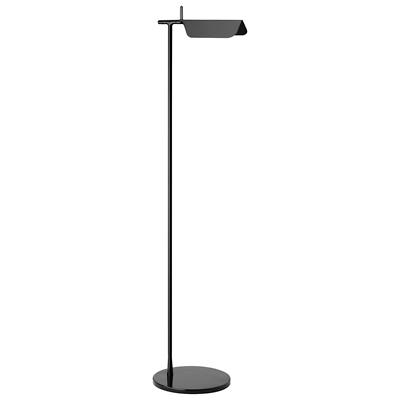
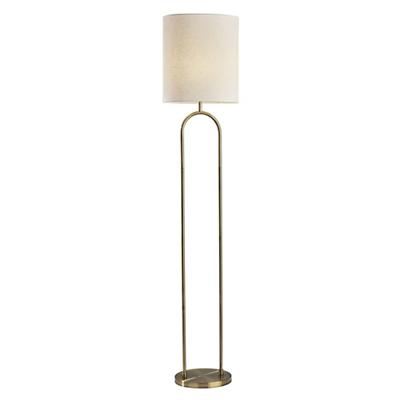
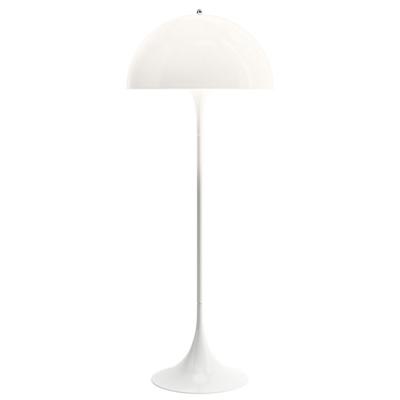
Place a floor lamp beside or behind your desk or seating area to provide complementary illumination without casting shadows on your workspace. Ensure it’s positioned so its light doesn’t reflect on screens or create glare.
Expert Tips: A floor lamp with an adjustable head allows for more targeted lighting, making it easier to direct light where needed. Using a lamp with a warm color temperature in lounge or break areas can help create a relaxing contrast to the cooler lighting in workspaces.
How bright should a desk lamp be?
A minimum of 450 lumens is generally sufficient for reading, writing, and computer work. If your tasks are more detailed, choose a slightly brighter lamp or opt for an adjustable dimmer to tailor the light intensity.
Expert Tips: A higher lumen count (600–800 lumens) may be preferable for detailed tasks like drafting or working with small print. Adjustable brightness and color temperature settings provide added flexibility for different types of work.
What does recessed mean in lighting?
Recessed lighting refers to fixtures installed into the ceiling or wall so that the housing is hidden. The result is a streamlined, built-in look that evenly distributes light without hanging fixtures or exposed cords.
Expert Tips: Recessed lights work best when combined with other lighting sources to prevent overly flat illumination. Dimmable recessed fixtures offer greater control over brightness levels and ambiance. Proper spacing ensures even light distribution without dark spots.
