Industrial Aluminum Dining Room Storage Cabinets & Shelving
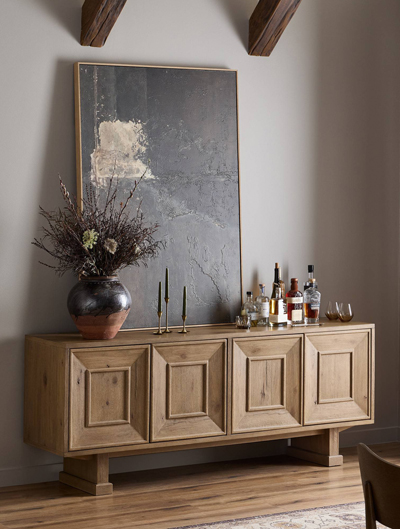
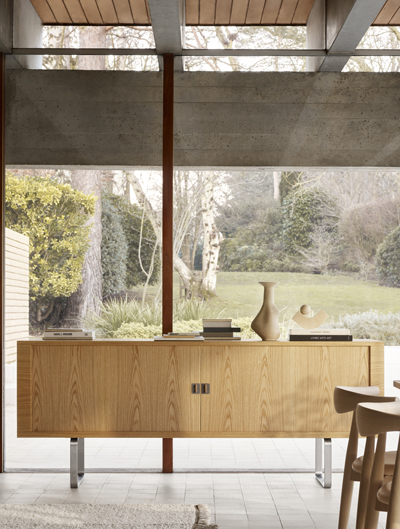
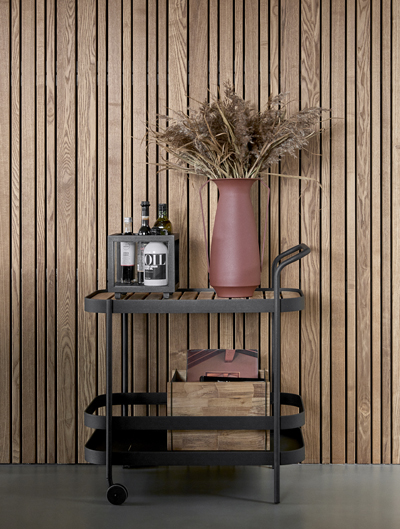
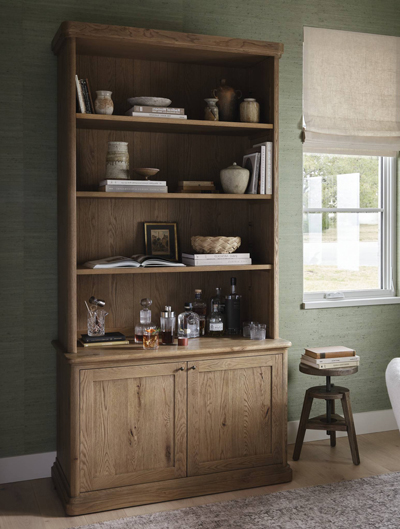
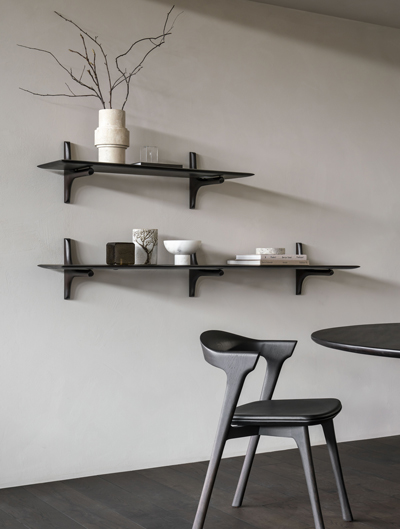
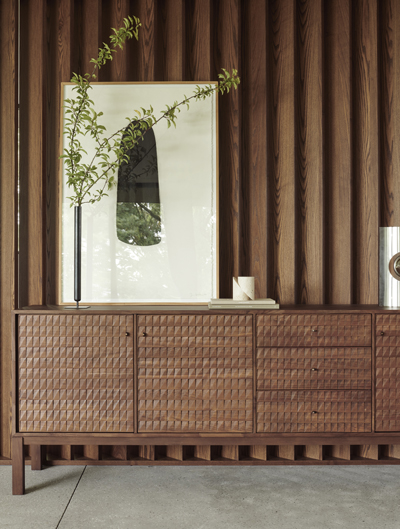
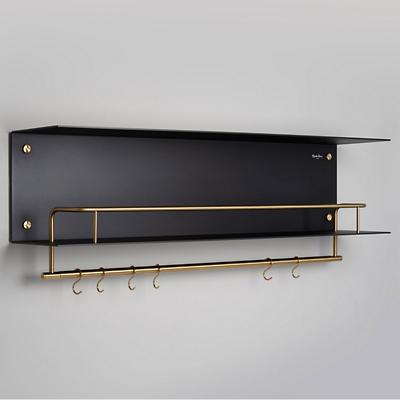
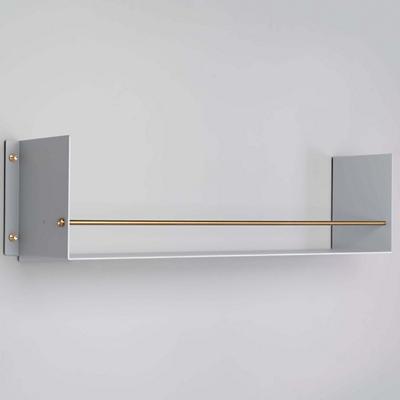

Dining Room Shelving and Storage Explore
Dining Room Storage & Shelving: A Must-have in Every Home
When company has come and gone and it is time to clean up after your latest dining occasion, do so in style with this collection of dining room storage, shelving and organizing furniture. Everything has its place in the dining room and this selection of well-designed furniture provides you with plenty of options to ensure your space is organized. And in addition to the necessary function of keeping things organized, you'll enjoy the fashionable presence of this furniture in your home.
Keeping things clean and organized is just one aspect of a good-looking dining room. With a familiar dining regime in place like a table and set of armchairs or side chairs, the one missing piece to tie the room's decor together is the storage furniture. Credenzas, cabinets and console tables allow for quick placement of your prized flatware, glassware and dinnerware, as well as all of the accessories that give the room its personality for formal dining occasions or casual everyday dinners. With the right mix of storage and shelving, you'll keep the room in order and make a statement in your home's decorative aesthetic.
Dining Room Storage For Every Style
Modern dining room storage furniture allows you to transform your space into a luxurious and elegant eating area you and your guests will be sure to enjoy. Look to Calligaris to introduce fine Italian craftsmanship into your dining space. In addition to luxurious storage furniture, Calligaris also offers complete dining sets to redecorate your space with one cohesive look. If your dining room follows more of a traditional appearance or if you prefer wood in your furniture choices, you'll appreciate the handcrafted wood storage cabinets from Blu Dot. Combining clean-lined design with good wood looks from walnut and ash, Blu Dot is a go-to choice for furniture to help keep you organized. Finally, to fit a mid-century modern theme, be sure to see the storage cabinets available from Gus Modern.
Choosing the Best Dining Room Storage Furniture
To select the best storage and organizing furniture for your dining area, you'll first need to take a step back to identify the existing decor in the space. You will want to choose a credenza or storage cabinets that can easily blend in with the furniture and lighting already present in the space. You should also be mindful of the size of the furniture you add, being mindful of important sizing dimensions like height, width and depth. If you opt for wall-mounted shelving, be certain your space is able to properly accommodate it. Finally, with size and an idea of what kind of organizing furniture you'll be adding to your dining room, you're ready to refine your options by finishes, materials and other important design features. If you have any questions about the dining room storage cabinets, credezenas or shelving featured here, please call our furniture experts at 877.445.4486.
Other Considerations
With storage solutions in place, the next step in redecorating your dining area is with your choice of lighting. Dining room lighting consists of a well-chosen mixture of different types of lighting including overhead illumination from a pendant or chandeliers, sconces dressing up the wall and lamps for the buffet table or storage cabinets. Once you have successfully introduced furniture and lighting to the space, you can round out the look with tabletop accessories and you're ready to impress guests at your next dinner party.
Dining Room Shelving and StorageFrequently Asked Questions
What is dining room storage called?
Dining room storage typically includes items like a sideboard, credenza, buffet, china cabinet, or hutch. These pieces provide ample space for storing dishes, linens, and serving utensils.
Expert Tip: The height of your storage piece affects functionality - china cabinets (60-72" tall) protect delicate items from dust, while buffets (30-36" tall) create the perfect serving surface. For modern spaces, consider open shelving with integrated lighting to showcase your tableware collection.
What can shelves be used for?
Shelves are versatile storage solutions used for displaying decorative objects, storing books, dinnerware, glassware, and kitchen essentials. In the dining area, they enhance both organization and aesthetics.
Expert Tip: Stagger shelves at varying heights to create visual rhythm - place everyday dishes at eye level (48-60"), decorative pieces above, and heavier serving bowls on lower, more stable shelves. This creates both accessibility and artistic display.
What is the difference between a sideboard and a credenza?
Both sideboards and credenzas are low-profile storage cabinets, but a sideboard typically features shorter legs and is used in dining areas for serving food, while a credenza may have no legs or very short legs and often includes sliding doors or drawers for storage, commonly found in dining rooms and offices.
Expert Tip: True mid-century credenzas often feature tambour doors that roll smoothly to conceal clutter, while traditional sideboards have deeper drawers for linens. Look for solid wood joinery (dovetail or finger joints) in both for lasting quality.
What is the best use for a sideboard?
A sideboard is best used for storing tableware, silverware, linens, and serving dishes. Additionally, it provides a convenient surface for serving meals during gatherings or displaying decorative items like lamps and vases.
Expert Tip: Install a sideboard with electrical outlets inside to discreetly charge devices during dinner parties. The top drawer should be lined with felt or cork to protect silverware, while deeper bottom drawers accommodate tablecloths and napkins.
How big should a bar cart be?
A standard bar cart typically measures around 30–40 inches in height, 20–36 inches wide, and 15–24 inches deep. Size selection depends on your available space and how many items you plan to store and display.
Expert Tip: The ideal bar cart leaves 18" of clearance around it for easy access. Look for models with a lower shelf at least 12" off the floor - this accommodates standard ice buckets while maintaining stability when moving.
What do you stock a bar cart with?
Stock your bar cart with essential spirits, mixers, cocktail glasses, wine bottles, bar tools (like shakers and stirrers), ice buckets, and decorative elements such as trays or cocktail recipe books for added style and functionality.
Expert Tip: Arrange bottles by height with tallest at back, and place a small tray at a 45-degree angle in one corner - this creates visual interest while keeping frequently used tools accessible. Include a citrus juicer and jigger for impromptu cocktails.
How much weight can a bar cart hold?
Most bar carts safely support around 40–75 pounds, but the exact capacity varies depending on materials and design. Check the manufacturer's guidelines to avoid overloading your cart.
Expert Tip: Test stability by gently pushing the top edge - quality carts shouldn't wobble more than 1/2". For heavy glass collections, choose carts with rubber-wheel casters (not plastic) that lock securely when stationary.
What is a small shelf called?
A small shelf is often called a "ledge," "floating shelf," or "display shelf." These compact shelves are ideal for showcasing small decorative items, picture frames, or organizing spices and kitchen tools conveniently.
Expert Tip: Floating shelves under 24" wide require hidden French cleat brackets for invisible support. In kitchens, position spice ledges 4-6" above counter height for easy access while cooking, with a slight upward tilt to prevent items from sliding.