Modern Bedroom Lighting & Light Fixtures







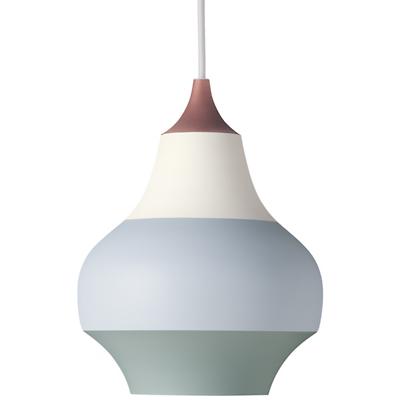
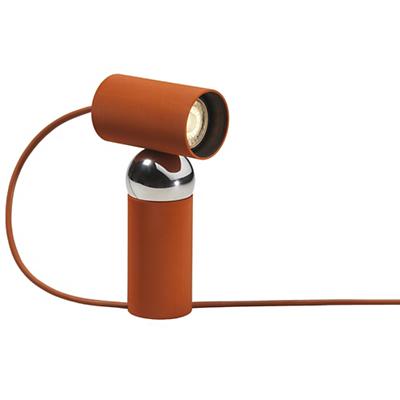


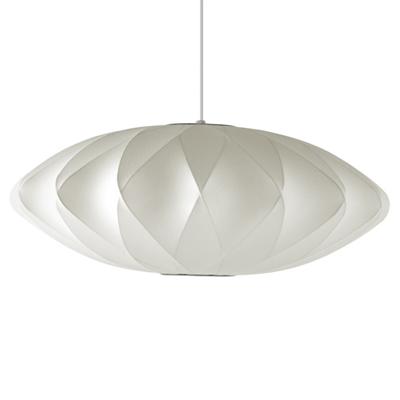


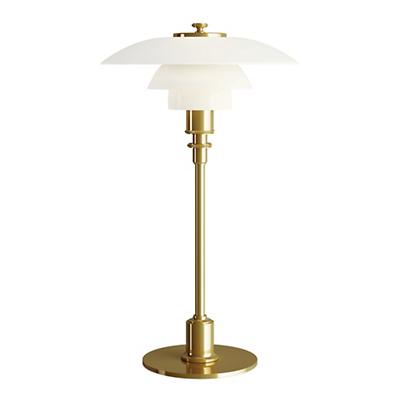



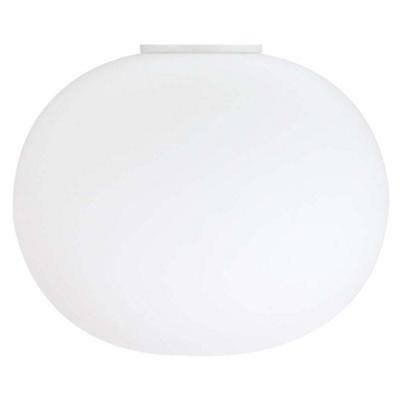

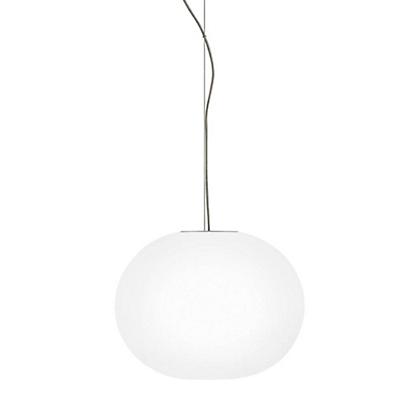
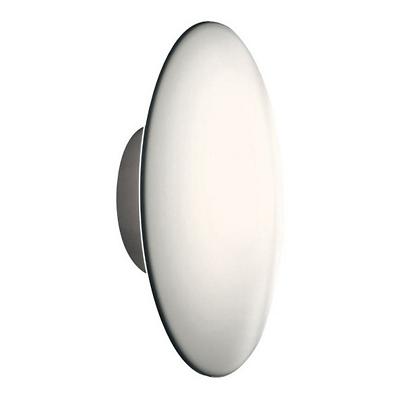
Bedroom Lighting Explore
How to Select New Bedroom Ceiling Lights
It's not just the sheets, or the mattress, or the pillows that make the bedroom the most relaxing room in the house. Well-placed, well-constructed bedroom lighting can also bring much-needed serenity and warmth. Whether function or style is a primary concern, the bedroom ceiling lights, lamps and sconces satisfy both needs simultaneously, offering adjustable lighting while featuring many lavish designs.
Creating the Perfect Bedroom Ambiance
As a place where we tend to relax, the choice of lighting must fit in with the needs of the space. That can mean strictly functional overhead lighting or a bedside sconce to give focused reading light. To start the space's design, bedroom chandeliers are a great way to establish a calm, luxurious environment with a simple flick of the switch. Their unique designs and adjustable lighting allow the mood to be set whether reading or romancing.
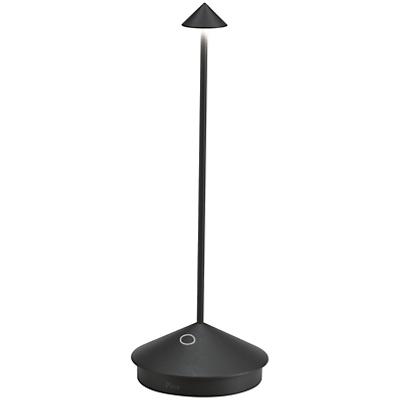
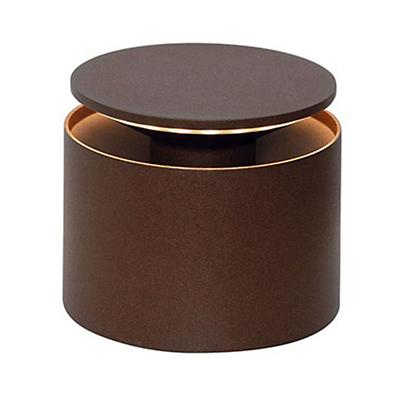
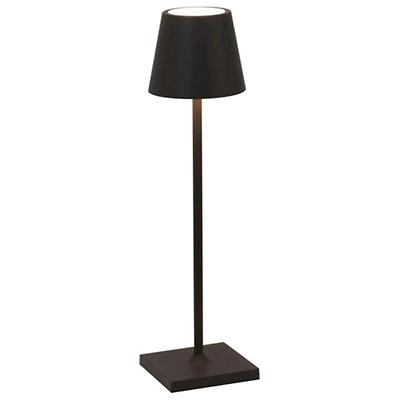
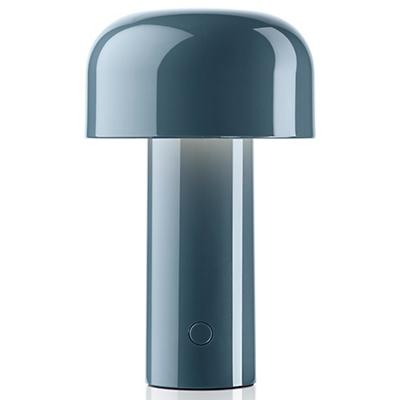
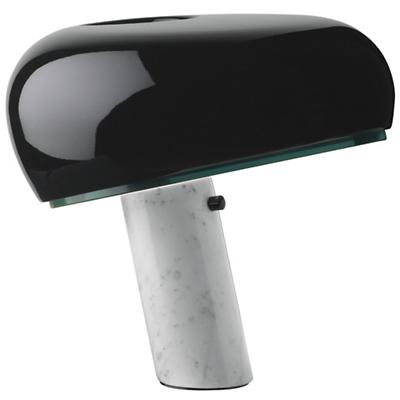
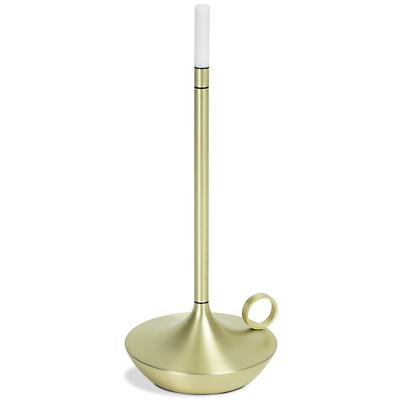
Bedside table lamps, floor lamps, console lamps and accent lighting would fit well on a nightstand, brightening twilight hours in a warm, serene light. Or, consider hanging a couple of pendants above the nightstand as a unique approach to bedside lighting. Sconces with switches and those that simply plug-in make life convenient and easy, which will in turn help peacefully bring sleep. Finally, to keep the room cool during warmer months check out the selection of ceiling fans meant for the bedroom. Many of the available ceiling fans include options for integrated light kits too. With the right choice of lighting for the bedroom, a calm, relaxing space is easily created.
A Bedroom Light for Every Style
While most bedroom light fixtures in this assortment are inherently modern, they are able to fit right in with a variety of interior preferences. Transitionally styled bedrooms will appreciate fixtures from George Kovacs for the use of finishes and materials that can work almost anywhere. A table lamp from Pablo finds its home on bedside tables of contemporary lights for bedrooms or look to the Tolomeo collection from Artemide.
Bedroom Lighting by Type
Bedroom Ceiling Lights
Chandeliers: Elegant and often ornate, chandeliers serve as a focal point, adding a touch of luxury to bedrooms.
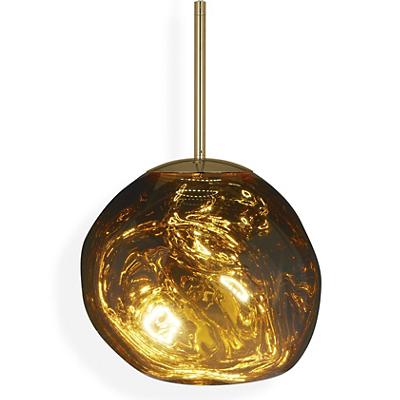
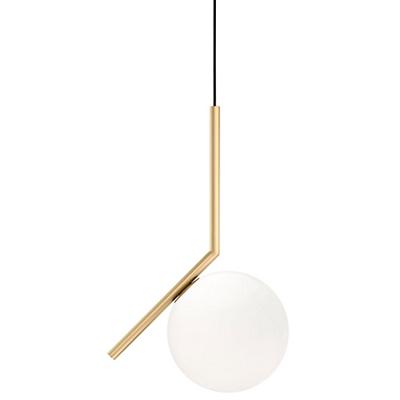
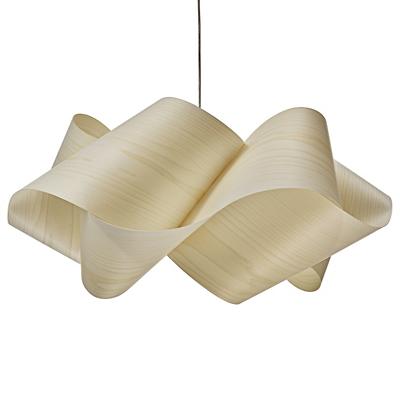
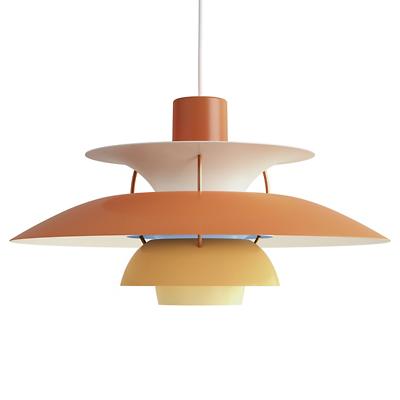
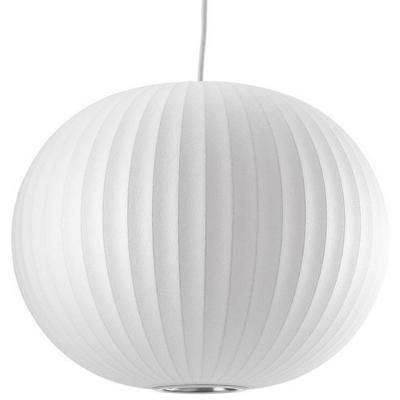
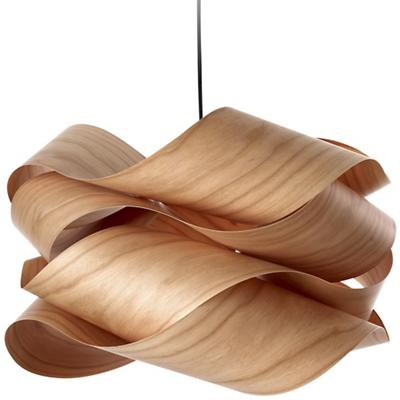
Pendants: Hanging from the ceiling, pendants are versatile, ranging from simple to elaborate designs, and can illuminate specific areas or provide general light.
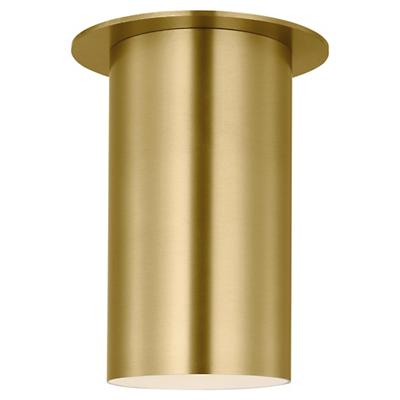
Flush and Semi-Flush Mount: Sitting close to the ceiling, these lights offer widespread illumination without being obtrusive, with semi-flush mounts hanging slightly below.
Recessed Lighting: Installed into hollow openings in the ceiling, recessed lights provide subtle, direct illumination and are perfect for modern minimalist designs.
Bedroom Wall Lights
Wall Sconces: Mounted directly to walls, wall sconces are both decorative and functional, offering ambient or task lighting.
Plug-In Wall Lights: Offering flexibility, plug-in wall lights don't require hard wiring and can be moved and positioned as needed.
Sconces with Switches: These wall-mounted lights come with integrated switches for convenient control, eliminating the need for wall switches.
Bedroom Lamps
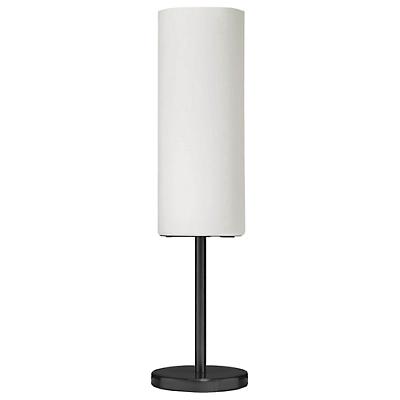
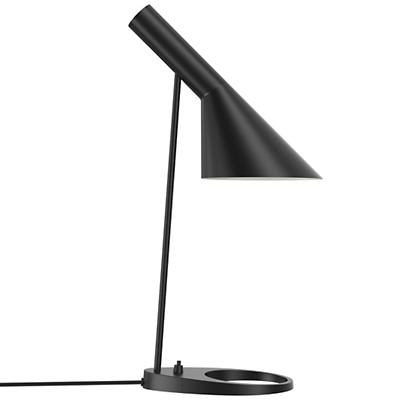
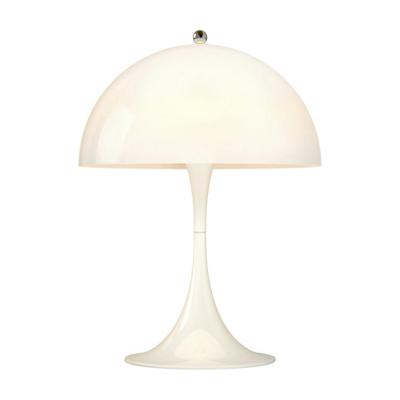
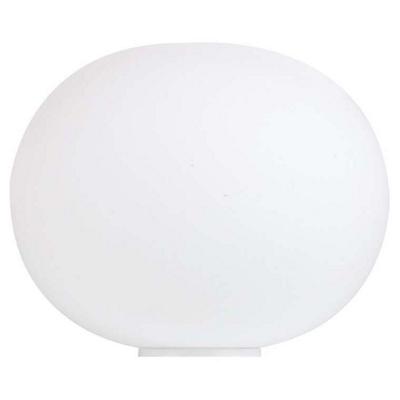
Table Lamps: Often placed on nightstands or dressers, table lamps are ideal for reading and offer both task and ambient lighting.
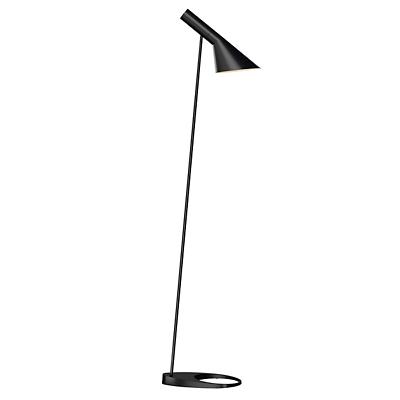
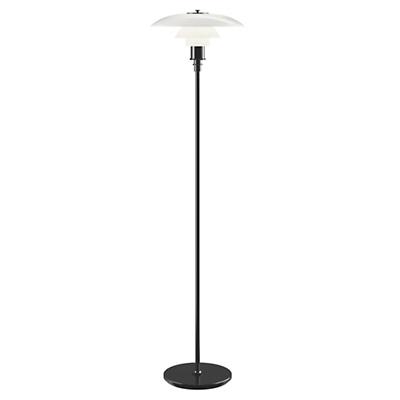
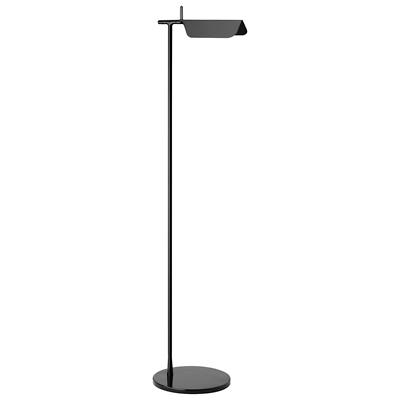
Floor Lamps: Standing tall, floor lamps can illuminate broader areas, with designs ranging from task-oriented to those adding decorative flair.
Accent Lighting: These lights emphasize specific features or create mood, adding layers of dimension and drama to bedroom spaces.
Other Considerations When Choosing Light Fixtures for Bedrooms
To properly decorate the bedroom, more than just a selection of well-chosen lighting is needed. Browse the assortment of bedroom furniture for bed frames, clothing dressers, nightstands, reading lounge chairs and more. Also add decorative accents to the room with the assortment of bedroom decor. These furnishings, including pillows, throws, floor coverings, bedding and other linens, help round out the look of the bedroom by pairing nicely with lighting and furniture choices.
Bedroom LightingFrequently Asked Questions
What type of lighting is best for bedrooms?
Warm to very warm white (2200K–3000K) color temperatures create a cozy, calming atmosphere. Incorporating multiple layers—like a central ceiling fixture, bedside lamps, and possibly sconces—allows you to adjust brightness levels throughout the day.
Expert Tip: Use smart bulbs or fixtures with adjustable color temperatures to transition from cool, energizing light in the morning to warm, relaxing light in the evening. This mimics natural daylight patterns and supports your circadian rhythm.
How big should lamps be in a bedroom?
A common guideline is selecting a lamp that's roughly one-third the width of your nightstand. This ensures visual harmony without overpowering the table surface or your bed.
Expert Tip: If your nightstand is small, consider a wall-mounted sconce or a swing-arm lamp to save surface space. These options provide task lighting without cluttering your bedside table.
How do I choose a light fixture for my bedroom?
Add the room's length and width in feet, then convert that sum to inches. The result is an ideal diameter for a statement ceiling fixture. For instance, in a 10 x 12-foot bedroom (22 total), look for a fixture around 22 inches across.
Expert Tip: For a statement ceiling fixture, choose one with a dimmable feature to control brightness levels. If your bedroom has low ceilings, opt for a semi-flush mount with an open or airy design to create the illusion of more space.
What lights to use in bedroom ceiling?
Flush-mount or semi-flush mount fixtures are common for bedroom ceilings. They offer low-profile illumination without hanging too low, making them suitable for bedrooms with varying ceiling heights.
Expert Tip: If you have a vaulted or sloped ceiling, consider a pendant light or a chandelier that hangs lower to fill the vertical space. Pair it with recessed lighting around the perimeter for balanced illumination.
Do bedrooms need ceiling lights?
While not strictly required, ceiling lights offer general illumination for tasks like getting dressed or tidying up. Combine them with table lamps or wall sconces for layered, versatile lighting that can be dimmed or brightened as needed.
Expert Tip: If you prefer not to install a ceiling light, use floor lamps or wall sconces to create a cozy, layered lighting scheme. Place floor lamps in corners to brighten dark areas and add depth to the room.
What are Table Lamps That Do Not Require Electricity?
Cordless or battery-powered lamps are a convenient choice for bedrooms lacking easily accessible outlets. They provide flexible lighting for reading or ambient glow without additional wiring, making them ideal for side tables, dressers, or even shelves.
Expert Tip: For battery-powered lamps, choose models with USB rechargeable batteries for convenience. Look for lamps with touch controls or remote operation for easy adjustments without getting out of bed.
Where Should I Place a Table Lamp?
Bedside tables are the most common location, but you can also position lamps on dressers, desks, or shelves to highlight decor and create soft ambient lighting. For ease of use, ensure the lamp's switch is within reach from your resting position.
Expert Tip: If you're placing a lamp on a dresser or shelf, angle it slightly downward to highlight decor or artwork. For bedside lamps, ensure the bottom of the shade is at eye level when seated to avoid glare while reading.
What are the Table Lamp Rules?
1. Choose a lamp height that aligns the bottom of the shade around eye level when you're seated or lying down.
2. Maintain proportion with your nightstand and bed.
3. Opt for styles that complement your bedroom's decor while offering functional illumination.