Amber Modern Wall Sconces






Wall Sconces Explore
Create a Well-Designed Space with Amber Wall Sconces
Wall sconces are a versatile lighting option for contemporary spaces. Contractors, consumers, and design professionals are drawn to wall sconces because this is an adaptable lighting type that complements more prominent lighting like chandeliers and pendants while still adding style to the room. Many of the top-selling wall sconces are either plug-in style or hardwired and there are a host of sizes, styles, and colors available to suit any space. Among the most popular color options in this category are amber-colored sconces. Characterized by a warm aesthetic, amber wall sconces illuminate modern spaces with a warm glow.
Bestselling Amber Wall Sconces
When it comes to choosing the right wall lighting for your space, you will be met with a myriad of styles, sizes, features, and finishes that can make the selection process somewhat overwhelming. The easiest way to pick out new amber wall sconces is to start by considering the characteristics of the intended installation space.
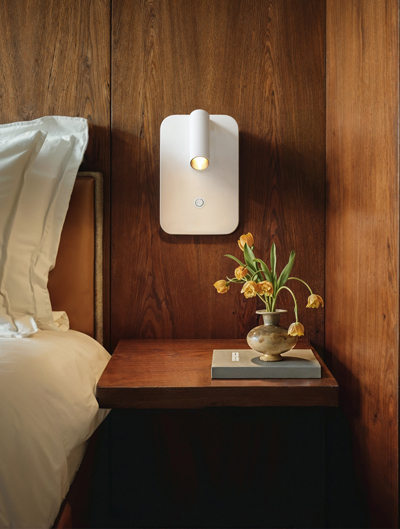
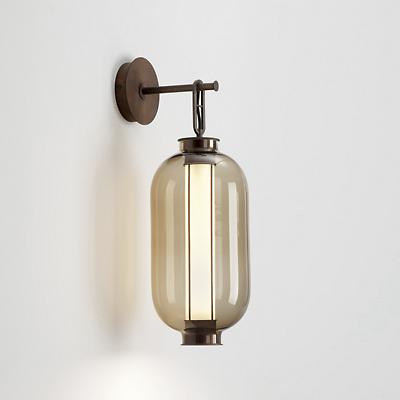
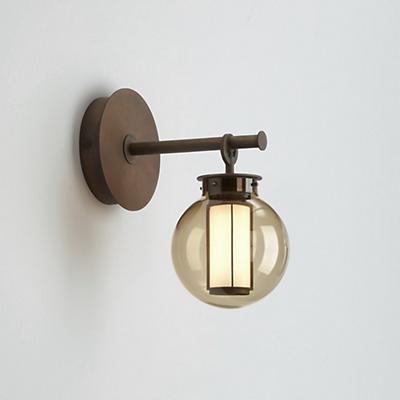
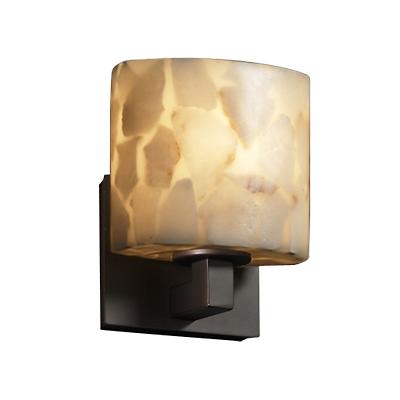
In traditional or mid-century modern spaces, amber glass wall sconces beautifully illuminate areas with minimal square footage, such as bedrooms, entryways, corridors. Traditional-style amber glass wall sconces often share several common design features, including tinted glass, machined aluminum hardware, and finish options ranging from polished nickel to brushed brass. Other traditional wall scones feature faux silk shades that cast an amber-colored glow onto nearby surfaces and these fixtures are typically supported by backplates comprised of polished metal.
In spaces punctuated by utilitarian or industrial décor and fixtures, go for amber wall sconces that feature a boxy silhouette, hand-forged steel or iron construction, and amber-colored seeded glass. Many top-selling amber wall scones feature exposed LED or incandescent Edison bulbs, further adding to the old-world feel of these fixtures. Top finish options for utilitarian amber wall lights include natural iron, burnished steel, and bronze.
No matter what type of décor inspires your purchase, a lot of models share a variety of common design features. Choose from top-sellers that feature flexible arms that allow like to be directed wherever it is needed most as well as easy-to-install plug-in models that do not require the assistance of an electrician. In addition to wall lights intended for indoor use, choose from a wide selection of amber outdoor lights that are either damp or wet rated, so they are easy to integrate into outdoor entryways, alcoves, enclosed patios, bathrooms or any space that is regularly exposed to moisture. amber all sconces are
Aside from amber-colored sconces, choose from a variety of models that match any décor, such as black wall sconces or bronze wall sconces. Many of today’s most popular amber wall sconces come from a broader collection of fixtures that include amber ceiling lights and pendants. Choosing an amber sconce from a collection allows you to create a space that looks professionally curated.
Other Considerations
In addition to paying attention to the fixture’s style, there are a few other things to keep in mind when shopping for new wall lighting. The type of lighting is important and the needs of the intended installation space will help you determine which fixture will work best. For spaces that need brighter illumination, choose wall sconces with built-in LEDs that offer bright 3000K or 4000K color temperature. For rooms that need softer lighting, opt for incandescent or halogen lamps with more subdued 2700K lamping.
Wall SconcesFrequently Asked Questions
What is a wall sconce?
A wall sconce is a light fixture that mounts directly to a wall, providing ambient, task, or accent illumination without occupying floor or table space.
Expert tip: Because sconces sit at eye level, they have an outsized impact on a room's aesthetic; treat them as decorative objects, not just light sources.
What is the ideal mounting height for wall sconces?
The standard mounting height is 60 to 66 inches from the floor to the center of the fixture.
Expert tip: For stairway sconces, maintain a consistent height relative to each stair tread rather than the floor below.
What is the difference between hardwired and plug-in wall sconces?
Hardwired sconces connect to your home's electrical wiring inside the wall, resulting in a clean look with no visible cord. Plug-in sconces use a cord that plugs into a standard outlet.
Expert tip: If you love a hardwired design but lack a junction box, an electrician can typically add one for a modest cost.
How do I choose the right size wall sconce?
Scale the fixture to the wall and the elements around it. For bedside sconces, the shade bottom should sit roughly at shoulder height when seated in bed.
Expert tip: When in doubt, err slightly smaller; an understated sconce reads as intentional.
Are LED wall sconces better than traditional bulb sconces?
LED sconces offer longer lifespan, lower energy consumption, and consistent color rendering.
Expert tip: Check the fixture's CRI (Color Rendering Index); a CRI of 90 or above ensures colors appear accurate and vibrant.
What wall sconces are best for small spaces?
Look for slim-profile sconces that project minimally from the wall. Flush designs, vertical orientations, and wall sconces with switches that eliminate the need for a separate wall switch all help conserve space.
Expert tip: A sconce with uplight distribution can make a low ceiling feel taller.
Do wall sconces need to match my other light fixtures?
Matching is not required; a mix of finishes and forms often creates a more layered, considered interior.
Expert tip: Repeating a single finish (such as brass) across different fixture types creates continuity without rigidity.
What are ADA-compliant wall sconces?
ADA-compliant wall sconces project no more than 4 inches from the wall when mounted between 27 and 80 inches above the floor.
Expert tip: ADA-compliant sconces tend to have sleek, low-profile silhouettes that work well in modern interiors, making compliance a design advantage rather than a constraint.
