Green Plastics Decorative Pillows, Cushions & Throws
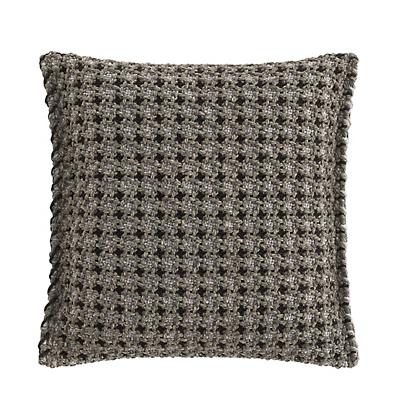

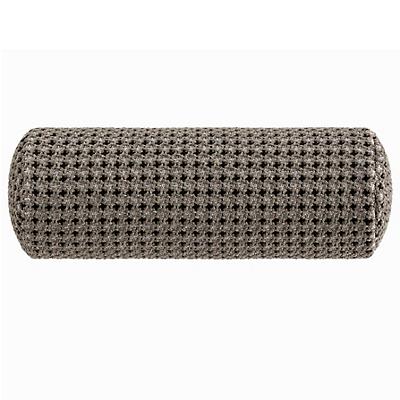
Throws and Pillows Explore
Why We Love Throws & Pillows
Making a quick change to your interior decorating is easy with a stylish variety of throws, pillows and seat cushions. Modern throw blankets, sofa pillows and throw pillows enhance the decor of a space and create an inviting environment for friends and family. Whether used as bedding or in the living room, you'll love the style these throws and pillows can bring to your home.
Where Throw Blankets & Pillows Work Best
Contemporary throw blankets and pillows find their home in the living room, among furniture and other items of modern decor. Whether for you or friends and guests, you'll find these furnishings to be the ideal option in to creating a warm welcome to your space. And in the bedroom, an extra throw blanket or pillow will ensure that additional touch of comfort you want while contributing to your overall bedroom design. Depending on the color palette you choose for your living room or bedroom, here you will find plenty of options to mix and match or add a colorful new pop to the space. You can also find a variety of interesting shapes and patterns that can will in with your existing furniture and home furnishings.
Pillows & Throws For Every Style
The pillows, cushions and throws featured in this assortment come from the best names in modern bedding and textile design, with a number of options from brands like Area and DwellStudio. With intricate patterns, delicate craftsmanship and the use of premium materials, these designs will stand out in a space, allowing you to convey your sense of style to family and guests. Plus, these throw blankets and pillows offer unmatched comfort that will beg you to cuddle up on the sofa or bed. Whether your home follows a traditional decorating aesthetic or is filled with modern elements of decor, you'll have no problem working in these pillows and throw blankets.
Choosing The Best Decorative Pillows & Throws
Outfitting your bed or sofa with a selection of pillows and throw blankets is relatively easy. However, when choosing accent pieces like a set of pillows or a comfortable throw, you'll want to be cognizant of the color and patterns they introduce into the room. If your bedroom or living room is full of personality and vibrant hues, opt for a set of pillows that represent this sentiment. Or, if the color palette in the room is calm and relaxing, choose pillows with solid colors and patterns to outfit your lounge furniture. Consider textures and materials in your choices too. If you have any questions about the pillows and throws featured here, please call our decor experts at 877.445.4486.
Other Considerations
If you love these decorations for the sofa or the bed, you'll also like the number of decorative ways to cover your floor that offer a similar sense of style. Closely related to these throws and pillows is a selection of modern rugs made from the finest materials with meticulous attention to detail and design. Look to the complete modern bedding selection for more great ways to dress up your bedding with quilts, comforters and sheet sets. And check out the bedroom furniture category for more ideas to give the room a much-appreciated refresh.
Throws and PillowsFrequently Asked Questions
What exactly is a throw?
A throw is a small, lightweight blanket used primarily for decoration and comfort. Typically, throw blankets are placed on sofas, chairs, or beds as decorative accents, but they're also perfect for keeping cozy when relaxing.
Expert Tip: For a designer look, drape throws diagonally across one corner of your sofa rather than folding them neatly. Choose throws with 10-12% viscose or linen content for beautiful drape without excessive wrinkling.
What type of pillow is best?
The best pillow depends on personal preference and use. For sleeping, memory foam pillows offer excellent support. For decorative purposes, softer, plush pillows filled with down, synthetic fiber, or feather blends are popular choices.
Expert Tip: Invest in two sets of pillows - supportive memory foam for sleeping and plush down-alternative for daytime use. Store decorative pillows in a nearby basket or bench for easy access when guests visit.
What is a blanket called?
A blanket is a large piece of fabric intended to provide warmth. There are many types, including throw blankets (smaller decorative blankets), comforters, quilts, duvets, and electric blankets.
Expert Tip: Layer different blanket types for both style and function - start with a lightweight throw, add a mid-weight quilt, then top with a chunky knit for visual texture and temperature options.
What is the purpose of a throw blanket?
Throw blankets primarily serve decorative and functional purposes. Decoratively, throws add texture, color, and style to a room. Functionally, they're perfect for casual comfort, allowing easy access when you need warmth while lounging.
Expert Tip: Rotate throws seasonally - lightweight cotton or linen for summer, chunky wool or cashmere blends for winter. This keeps your space feeling fresh while providing appropriate warmth.
How many decorative pillows should be on a couch?
Typically, three to five decorative pillows are recommended for an average-sized couch. Odd numbers are visually appealing and create a balanced, inviting appearance.
Expert Tip: Use the "3-2-1" formula for perfect pillow arrangement: 3 large (22"), 2 medium (18"), and 1 small (14") pillow. Mix patterns and textures within a cohesive color scheme.
Which pillow material is best for sleeping?
Memory foam and latex are considered the best materials for sleeping pillows. Memory foam pillows contour to your head and neck, providing excellent support. Latex pillows offer durability, breathability, and good neck alignment.
Expert Tip: Look for memory foam with gel infusion or ventilation holes to prevent heat buildup. For latex, choose 100% natural Talalay for the best comfort and longevity.
What are the different types of pillow sizes?
Common pillow sizes include:
Standard: 20" x 26"
Queen: 20" x 30"
King: 20" x 36"
Euro (Square): Typically 26" x 26"
Decorative or Throw Pillows: Often 18" x 18" or 20" x 20"
Expert Tip: Use Euro pillows (26" square) as a backrest against your sofa arms - they provide excellent lumbar support while looking polished.
What is the best pillow filling for sleeping?
Memory foam, down alternative, and latex fillings are excellent for sleeping. Memory foam pillows offer contouring support and pressure relief. Down alternative is hypoallergenic and affordable. Latex pillows provide consistent support, breathability, and resilience.
Expert Tip: For combination sleepers, choose a shredded memory foam pillow that can be adjusted for different positions throughout the night.
Which shape of pillow is best?
Rectangular pillows (standard, queen, or king-sized) are best for sleeping. Ergonomic shapes, such as contoured or cervical pillows (often called neck support pillows), offer targeted neck and spine alignment.
Expert Tip: Contoured pillows work best when properly aligned - the higher curve should support your neck, not your head, with your head resting in the lower indentation.
How do I know what weight pillow to buy?
Pillow weight depends on your comfort and sleeping style. Lightweight pillows are good for stomach sleepers who prefer a flatter surface. Medium to heavy pillows offer greater support and firmness, ideal for back and side sleepers.
Expert Tip: Your pillow weight should keep your head and neck aligned with your spine - when lying on your side, your nose should point straight forward, not up or down.
What is a neck support pillow called?
A neck support pillow is commonly known as a cervical pillow. It's specifically designed to maintain proper spinal alignment by supporting the natural curvature of your neck.
Expert Tip: Test cervical pillows for at least 2 weeks to adjust - the first few nights may feel unusual as your muscles adapt to proper alignment.
 Back To Top