Square Craftsman & Mission Modern Nightstands & Bedside Tables
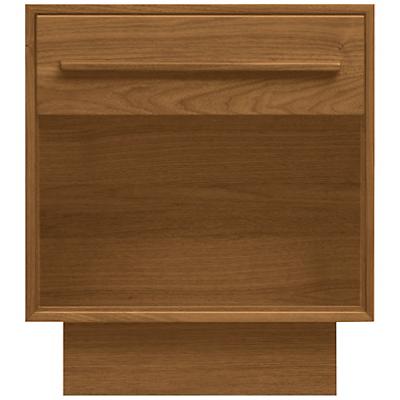
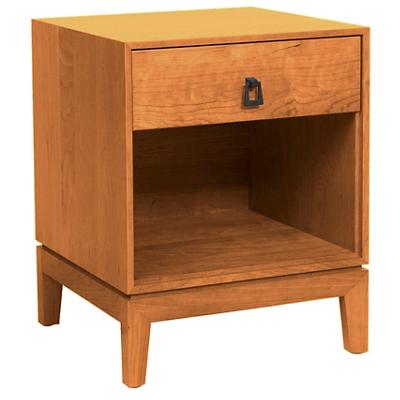
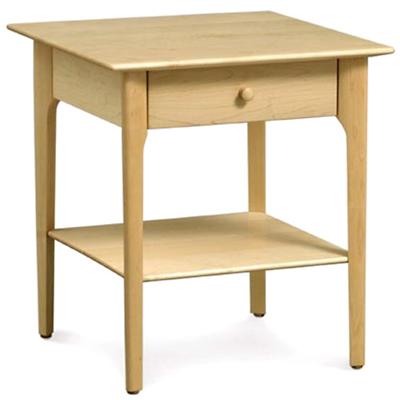
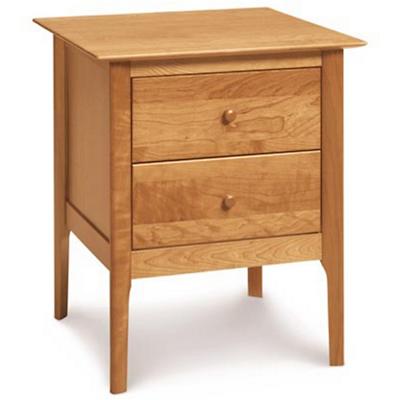
Nightstands & Bedside Tables Explore
What to Keep in Mind When Buying Nightstands & Bedside Tables
When it comes to a well-designed bedroom, a modern nightstand is a must-have to help round out the decor. For functional and highly-useful storage of reading glasses, books and other bedside essentials or as an eye-catching piece of contemporary design, any of these nightstands are guaranteed to add a lot of character. Offered in a variety of styles ranging from rustic wood nightstands to color-popping options that stand out among any bedroom decor, there's a nightstand here you'll love adding to your room.
Where Nightstands Work Best
Nightstands and bedside tables find their home in the bedroom where they are found acting as part of the supporting cast of furniture in the area. Most contemporary nightstands offer a streamlined look with one or two drawers for storage and a tabletop for your bedside lamp, current reading material and other items. But a nightstand offers much more than just its primary function of storage. These nightstand tables are made with great design in mind and are meant to stand out as a piece of furniture you will enjoy showing off. And when paired with a similarly styled clothing dresser or credenza, you'll be pleasantly satisfied with a well-rounded bedroom.
A Nightstand For Every Style
Styles of nightstands are wide-ranging, including those inspired by the middle of the century to rustic wood designs and tables made to fit an industrial aesthetic. From black or white nightstand tables to those bursting with vibrant color, there's an option perfectly suited for your room's decor. Look to Four Hands, where timeless design meets modern craftsmanship, offering nightstands that blend natural materials, thoughtful details, and versatile style for today’s homes.Calligaris' assortment of modern dressers and nightstands allows you to redecorate your room with one consistent look and you'll love the high-quality craftsmanship found in Calligaris furniture. For a bit of color, turn to Kartell's selection of nightstands in the Ghost collection of furniture. Lastly, complement any natural tones in your room with a wood nightstand from Copeland Furniture.
Choosing the Best Nightstand or Bedside Table
As accent furniture that won't be the focal point of the room, choosing a nightstand is relatively easy. First, identify the style you need for the room. If the room is filled with modern lighting and decor, opt for a clean-lined nightstand. Or, choose a wooden bedside table to accommodate any wood tones present in the area. You'll also need to consider the size of the table. Do you need one drawer, two drawers or more? Depending on how much you plan to store in the nightstand, you may require a larger table. Remember to keep an eye out for height, width and depth dimensions in your selection. For redecorating your bedroom in one fell swoop, find nightstands and bed tables that are part of a bigger furniture family also including bed frames, dressers and chests.
Other Considerations
A nightstand is just one component of your bedroom furniture arrangement. The room also benefits from a clothing dresser, credenza, media cabinet, lounge chair or rocking chair and possibly a bench. And if you need to refresh where you sleep, consider a new bed frame too. Modern bed frames and platforms offer unmatched comfort and style you'll enjoy pairing with any of the nightstands found in this assortment. Finally, with a mix of well-chosen furniture in place, consider upgrading your lighting with a few bedroom lamps. Bedside table lamps offer bright and focused task lighting while a pair floor lamps in the corner of the room provide a spread of ambient illumination.
Nightstands & Bedside TablesFrequently Asked Questions
Are nightstands lower than beds?
Ideally, nightstands should be level with or slightly higher or lower (by 2-4 inches) than the top of your mattress. This height ensures easy access to bedside essentials and creates visual harmony in your bedroom.
Expert Tip: The perfect nightstand height matches your mattress height when you're sitting up in bed. Test this by sitting on your bed and resting your arm comfortably - your nightstand surface should be at elbow height for optimal usability.
How do you pick a nightstand color?
Select a nightstand color that complements your existing décor and furniture. Matching nightstands to the bed frame or bedroom set offers a cohesive look, while contrasting colors add visual interest and personality.
Expert Tip: Create depth in your bedroom by choosing nightstands one shade darker or lighter than your bed frame. For bold beds (navy, black), try neutral nightstands with metallic hardware that picks up other room accents.
Do people still use end tables?
Yes, end tables remain popular in modern interiors. They offer practical storage and display space in living rooms, bedrooms, and family rooms, complementing other furniture pieces and enhancing convenience.
Expert Tip: Modern end tables are evolving with built-in USB ports and wireless charging pads. In bedrooms, they work well as secondary surfaces when placed opposite a traditional nightstand, especially in rooms with reading chairs.
What is kept in a sideboard?
Sideboards typically store dining essentials like dishes, glassware, table linens, and serving utensils. However, in a bedroom, a sideboard can function similarly to a dresser, storing clothing or personal items.
Expert Tip: When using a sideboard as a bedroom storage piece, outfit deep drawers with dividers for folded sweaters or scarves. The top surface becomes perfect for displaying perfume collections or jewelry boxes with everyday accessories.
Do you always need two nightstands?
Two nightstands provide symmetry, balance, and additional storage, making them ideal for shared or larger bedrooms. However, using just one nightstand works well in smaller spaces or asymmetrical room layouts.
Expert Tip: In small bedrooms, replace one nightstand with a wall-mounted shelf or narrow console table behind the door. This maintains functionality while saving 18+ inches of precious floor space.
What are the different types of nightstands?
Nightstands come in various styles, including open-shelf nightstands, drawer nightstands, cabinet nightstands, and multifunctional bedside tables with integrated charging stations. Each type offers distinct benefits for storage and convenience.
Expert Tip: Open-shelf nightstands visually expand small rooms, while closed storage models hide medications or sleep aids. For small spaces, consider a floating nightstand with just 12" depth - it leaves room to walk but still holds essentials.
What is the average size of a bedroom nightstand?
Typical nightstand dimensions range from 20–28 inches tall, 18–24 inches wide, and 16–20 inches deep. Selecting the right size ensures convenient accessibility and balanced aesthetics in your bedroom.
Expert Tip: Proportion matters most - your nightstand should be roughly the same width as your bed's arm (if visible) or about 1/3 of your bed's total width. For king beds, this often means 24" wide nightstands.
What is the best nightstand height?
The ideal nightstand height aligns with the top of your mattress or is within a few inches above or below it (generally between 24–28 inches). This height offers comfortable access while in bed.
Expert Tip: Adjustable bed owners should choose nightstands 2" lower than their highest mattress position. Platform beds often need taller nightstands (28-30") while canopy beds look best with lower profiles (22-24").
What is the best material for a nightstand?
Wood is a classic, durable choice for nightstands, offering long-lasting quality and timeless appeal. Metal or glass materials suit contemporary aesthetics, while engineered wood or MDF provides budget-friendly durability.
Expert Tip: Solid wood tops resist water rings from drinks, while metal bases simplify cleaning in tight spaces. For children's rooms, consider wipeable lacquered finishes that handle stickers and markers.
What is the best color for a nightstand?
Neutral shades like white, black, gray, or natural wood finishes are popular for nightstands, as they complement various bedroom styles and color palettes. Accent colors can add personality and visual contrast.
Expert Tip: Light-reflecting colors (white, pale gray) make small bedrooms feel larger when used on nightstands. In dark rooms, try a nightstand with a mirrored front to bounce light around.
What do you put on the bottom shelf of a nightstand?
The bottom shelf of a nightstand is ideal for items you use less frequently, such as books, magazines, decorative storage boxes, or personal items neatly arranged for accessibility and visual appeal.
Expert Tip: Use the bottom shelf for next-day essentials - lay out folded clothes, pack your work bag, or place a tray with morning vitamins and a water carafe to streamline your routine.